Suriname Bets $10.5 Billion Offshore Oil Project Can Fund a Greener Future
 Farhana Sultana
 Annand JagesarHugo Jabini
 Sieuwnath Naipal
 Jamie Smyth
 Patrick Brunings
 Russell Mittermeier
 Monique Pool
 Antoon Karg
 Amrita SenGordon VoigtMario Merhai
 Artur SilvaFinancial TimesThursday, May 14, 202616 min read
Suriname is tying its economic future to GranMorgu, a $10.5bn offshore oil project developed by TotalEnergies and APA Corporation. The Financial Times film argues that the bet is attractive because global energy markets still reward new low-cost, lower-emission barrels, but that its payoff depends on whether Suriname can turn oil revenue into durable development. That means reducing debt, strengthening institutions, diversifying the economy and protecting one of the world’s most forested countries without letting the boom overwhelm it.
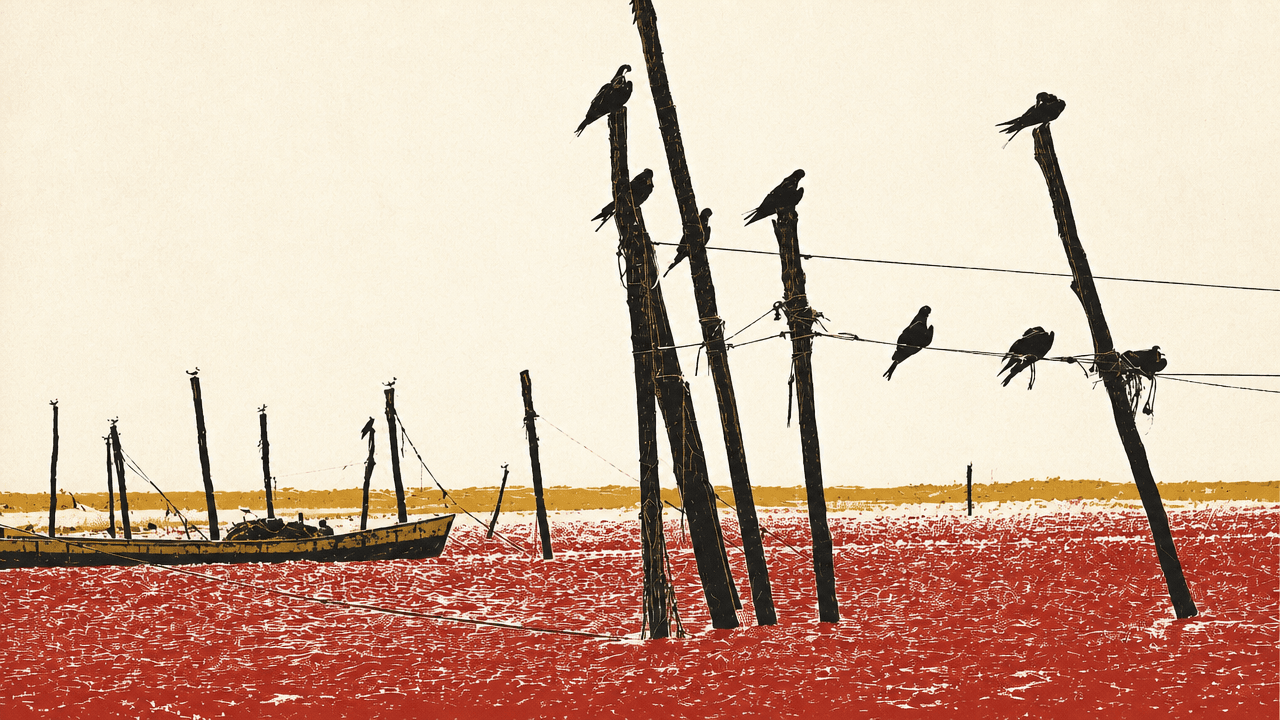
Suriname is betting that offshore oil can finance a different future
Suriname’s offshore oil development is being framed in two related but distinct ways: TotalEnergies presents GranMorgu as a large, technically advantaged low-emission project, while Suriname’s government presents the same project as a rare chance to reset a small economy after recession, debt distress and an IMF bailout. The project, in Block 58, was shown on TotalEnergies maps as “developed by TotalEnergies and APA Corporation”. It is called GranMorgu — “new dawn” — and carries an estimated investment of $10.5bn.
The scale is large in any context, but especially for Suriname. TotalEnergies’ Artur Nunes da Silva described the development as 750mn barrels across two fields, with 32 wells, 200km of subsea lines, a floating production, storage and offloading unit, production capacity of 220,000 barrels a day, and storage capacity of 2mn barrels. He said $1bn to $1.5bn would be spent in-country and that the project would create around 6,000 jobs.
The company’s pitch is not only that GranMorgu is large, but that it fits the current oil industry’s emphasis on cheaper, lower-emission barrels. The FPSO is being prepared by SBM Offshore in China. TotalEnergies says the vessel will be fully electric, there will be no routine gas flaring, and methane levels will be continuously monitored. A visual in the source put GranMorgu production emissions at 16kg CO2e per barrel.
Nunes da Silva presented the project as consistent with TotalEnergies’ strategy of “bringing more energy with less emissions”. He also said he was optimistic about Suriname’s ability to handle the opportunity because he sees “rational, pragmatic, and reasonable people” taking “a very positive approach”.
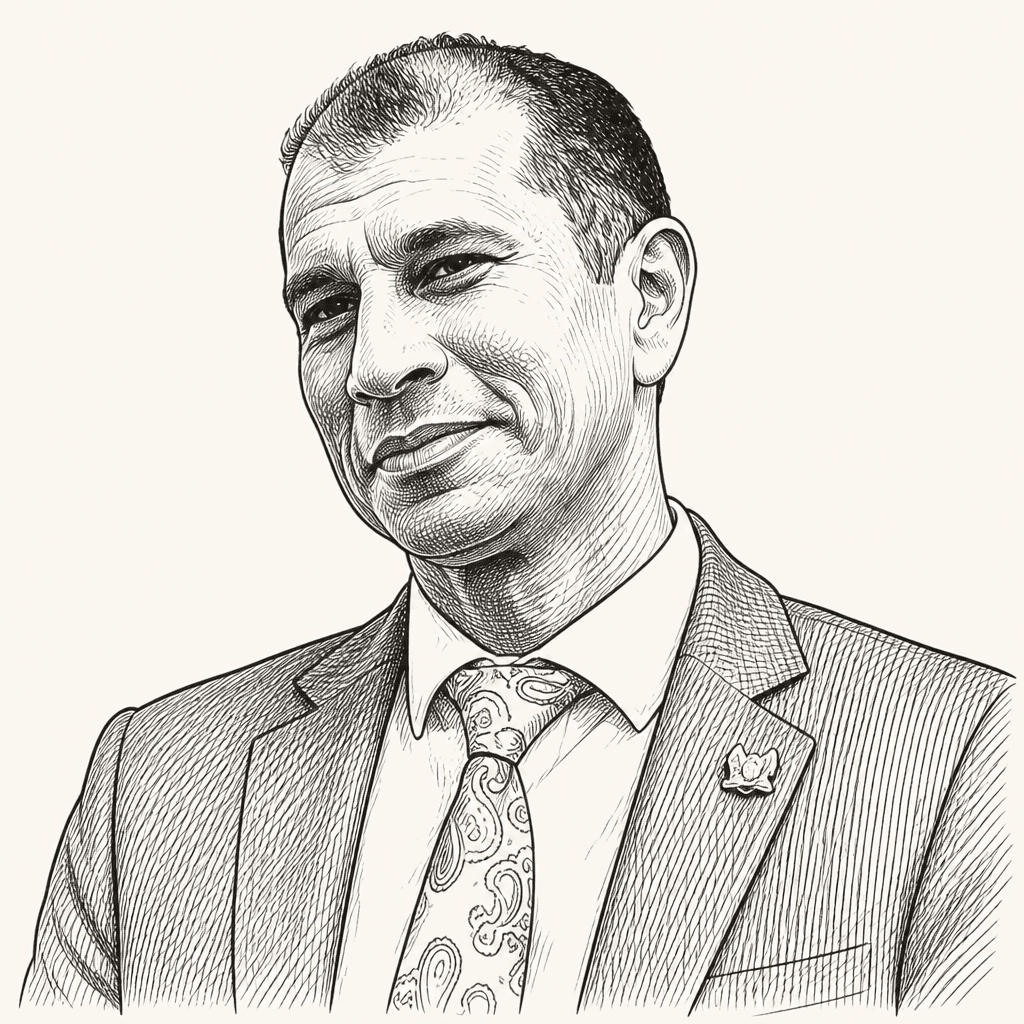
Suriname’s oil minister, Patrick Brunings, described the project as a chance for the country “to change, really change, and change in a very sustainable way.” But his central point was not that oil automatically produces development. It was that Suriname has to make decisions now about what kind of country it wants to become by 2050 — a vision he called “Suriname 3.0”.
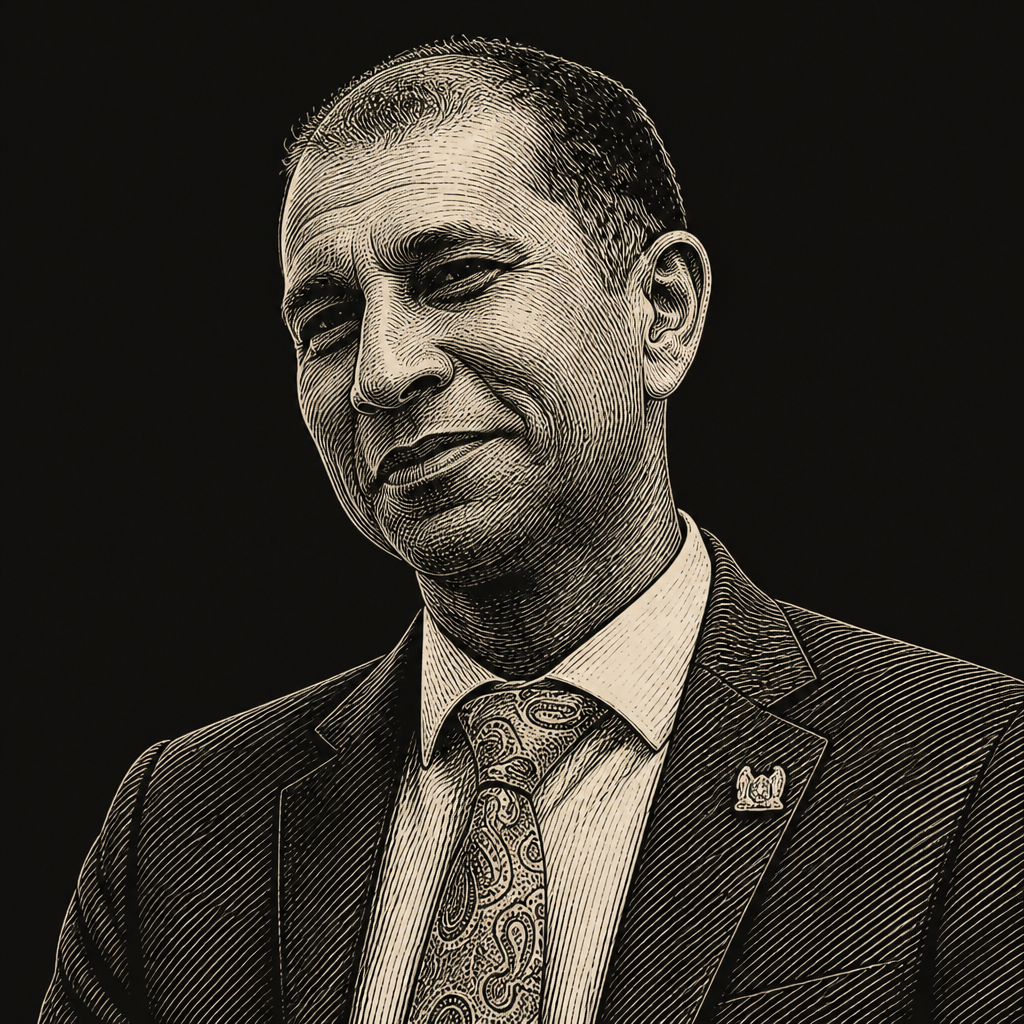
For Brunings, the first uses of revenue are practical: escape the current economic crisis, pay down debt, invest in education and healthcare, digitise public services, prepare for climate change and protect the rainforest. He also warned that the work cannot wait until money arrives. Diversification, he said, has to start early, before oil money creates complacency.
“People might think, yes, the oil is coming, gas, we can lay back,” Brunings said. “It’s gonna be the opposite if we want to do it right.”
That warning runs through the Suriname bet. The country wants oil revenue, but says it does not want an oil-only economy. It wants oil to finance ecotourism, public services and infrastructure. It wants to use fossil-fuel income to protect forests that, in the source’s account, already absorb more carbon each year than the country emits. It wants to be a new oil producer while retaining its identity as one of the world’s greenest countries.
The question is whether those ambitions can survive the economics and politics of an oil boom.
The global oil market has made frontiers like Suriname more attractive
Suriname’s offshore discovery is not happening in an energy market moving cleanly away from oil. Wars involving Russia and Iran have disrupted supplies, sanctions have constrained investment in Russia, and companies are reassessing geopolitical risk in traditional oil regions.
A CNN broadcast sourced to FactSet said US oil prices had soared past $100 a barrel as war escalated. The war in Iran was presented as a shock that disrupted global oil supplies and underlined that the world still “thirsts for fossil fuels.” A Rystad Energy chart showed offshore upstream capital expenditure rising again after years in which investment had fallen.
The earlier downturn in offshore investment followed the US shale boom, growing momentum behind the energy transition and the long shadow of the Deepwater Horizon spill. But the oil industry is now returning to deepwater exploration. Under US President Donald Trump, the urgency around tackling climate change has slowed, and technology has made oil that is deeper and farther from shore easier and more profitable to find and exploit. The war with Iran adds another reason for companies to diversify supply.
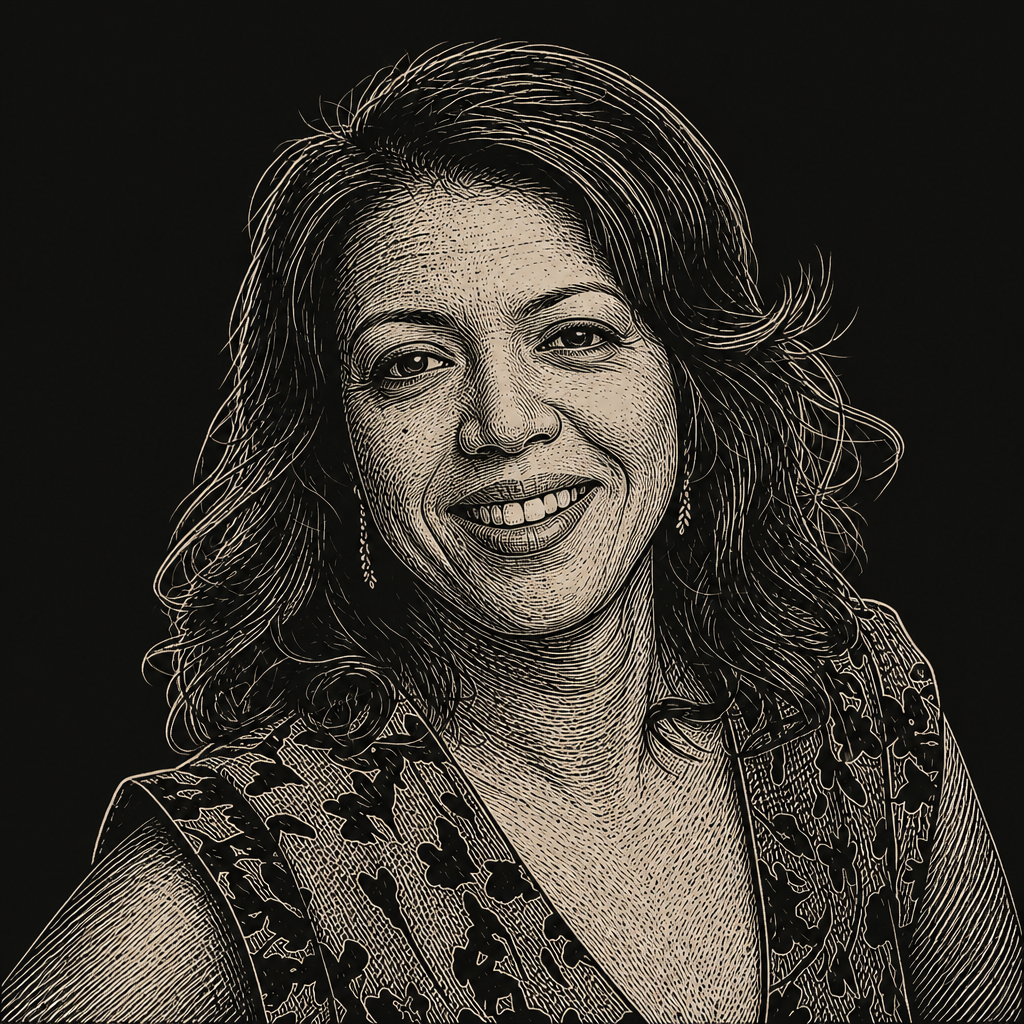
Amrita Sen argued that Latin America rises in strategic importance in this context. After Iran, she said, Middle Eastern operators either have to offer higher returns to compensate for higher risk, or companies have to open new frontiers. Russian sanctions removed another major frontier for oil and gas investment, making the Americas and Africa more important.

Suriname is part of that shift. TotalEnergies maps placed Block 58 off the coast of Suriname alongside other companies exploring nearby waters, including Petronas, Chevron, Shell and PetroChina. The obvious comparison is Guyana, where ExxonMobil’s Stabroek block helped transform Suriname’s neighbour. The source described Guyana as the world’s fastest-growing economy, and an IMF-sourced chart showed its real GDP growth surging after offshore oil development. After the war with Iran started, oil prices jumped, giving Guyana an even larger windfall.
That comparison is both an opportunity and a warning. Guyana reminded the industry of the profits available from low-cost offshore drilling. Venezuela, also nearby, shows the opposite trajectory: oil once made it one of the richest countries in the world, but political instability, corruption and oil dependency contributed to economic collapse.
Sen’s view was blunt: once a country like Suriname has found oil, “there is no other option” but to develop it for national prosperity. But she also said the hard part is translating reserves into benefits for the population. In non-OPEC oil supply, she said, the only clear success story she sees in directly linking oil development to people’s prosperity is Norway.
Oil revenue alone, in this account, does not answer the institutional question. Suriname is entering a market that rewards new barrels, but that same market has often overwhelmed small states with weak governance, volatile prices and dependence on a single sector.
The rainforest argument is that oil can prevent more destructive development
The most unusual part of Suriname’s oil case is environmental: the government and some conservationists argue that oil money can help protect the rainforest.
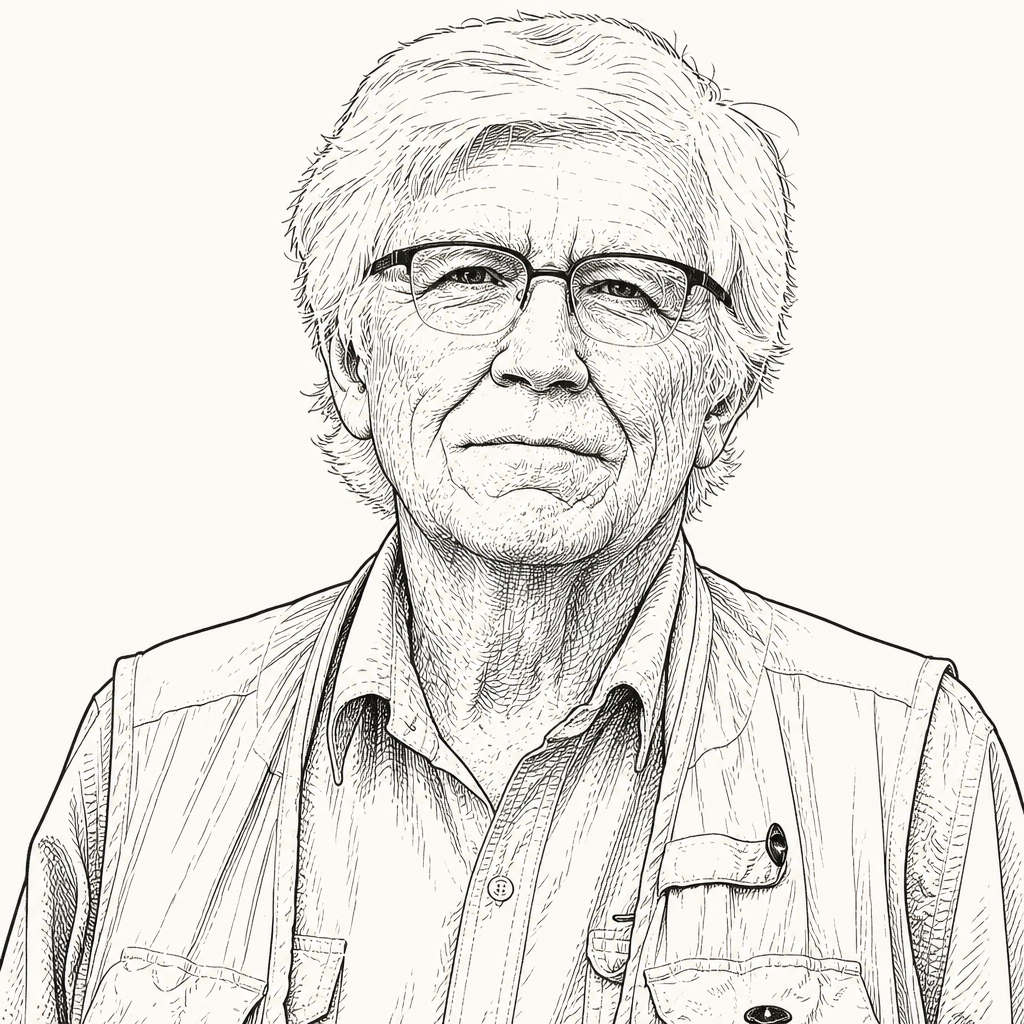
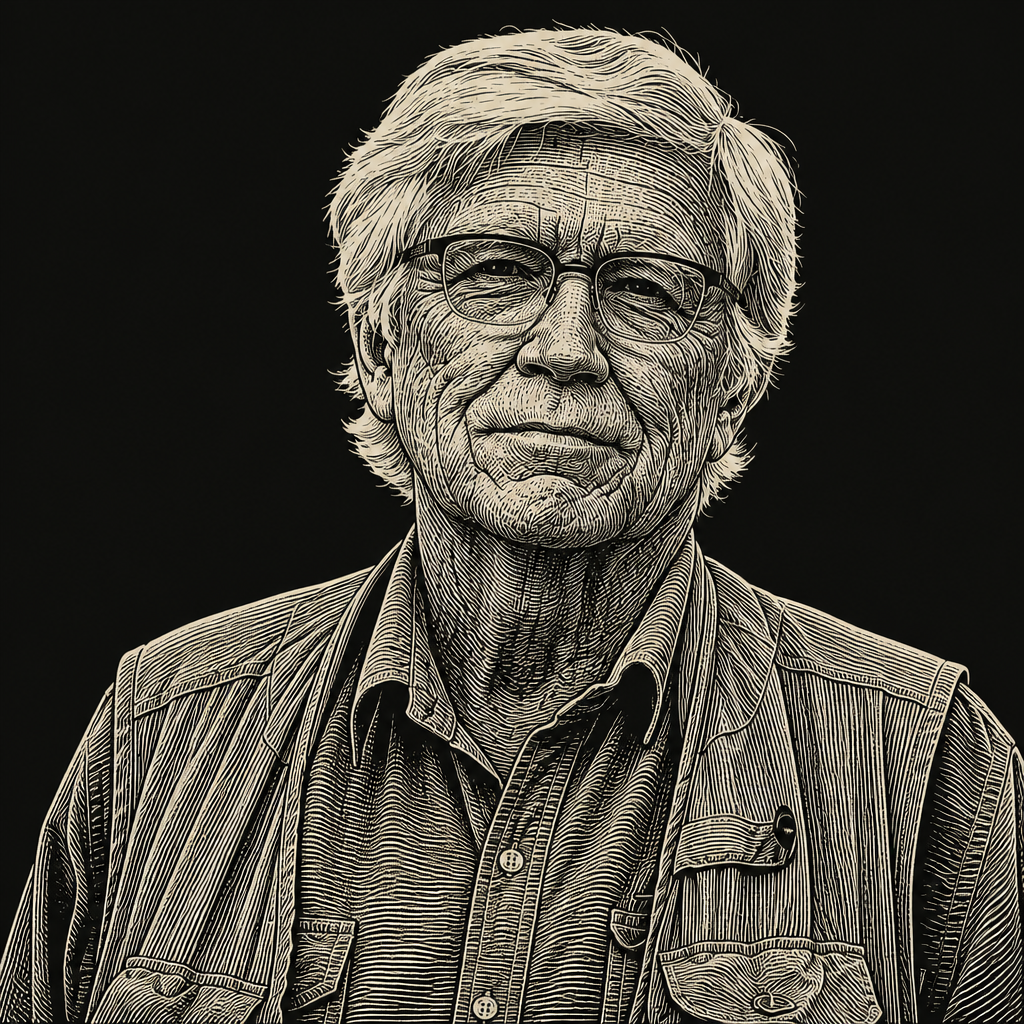
Suriname is presented as “the greenest country on Earth.” Primatologist Russell Mittermeier, who began studying monkeys and wildlife there more than 50 years ago, said the country was more than 90 per cent forest-covered when he first arrived and remains above 90 per cent forest-covered today, despite population growth from about 500,000 to 650,000.
A Global Forest Watch visual put Suriname at 93 per cent tropical forest and 15.2mn hectares. Another said the forests store 900mn tonnes of carbon. That is described as equivalent to several billion tonnes of carbon dioxide, and each year the forests absorb more than the country emits. The forests are also home to jaguars, pumas, tapirs, sloths and eight primate species studied by Mittermeier.
Mittermeier’s support for oil development was framed as realism. He argued that the global community should recognise the value of Suriname’s forests and help maintain them, because the benefit is global, not only national. But he also said Suriname’s coming oil wealth means it “doesn’t have to cut down the forests.”
Asked what he would say to people who argue Suriname should leave the oil in the ground, Mittermeier replied that the world still uses oil. “I’d much rather see best practices oil extraction than some of the other practices,” he said. He contrasted that with logging, gold mining and the kind of agro-industrial expansion that destroyed large areas of the Brazilian Amazon for cattle and soy. His argument was not that oil is environmentally benign. It was that, under current economic incentives, oil revenue could be less destructive than other ways of generating income.
There is also a problem in the international climate finance system as described in the source: a country can earn carbon credits for restoring forests, but not for having preserved them in the first place. Mittermeier believes oil companies should help pay for protection as compensation for the emissions they create.
Farhana Sultana approached the dilemma from climate justice and development. She said rich countries have failed to provide sufficient alternatives for small countries such as Suriname to grow without fossil fuels. In her account, a better global system would combine renewables, climate finance and investment away from fossil fuels on both the production and consumption sides. Instead, she said, the global economy rewards fossil-fuel extraction and dependency, making it harder for countries worried about energy security, economic security and social development to forgo an oil discovery.


That argument does not resolve the contradiction. It sharpens it. Suriname is being asked to preserve a globally valuable carbon sink in a global economy that, according to Sultana, still pays more reliably for extraction than conservation.
Interior communities see oil as development money, but land rights remain unresolved
The development argument becomes more complicated in Suriname’s interior, where communities have long lived with forests not as an abstract national asset but as the basis of life.
In the Maroon village of Botopasi, land-rights environmentalist Hugo Jabini said, “The forest is part of our life. Without forest, we don’t exist.” Jabini is from the Saramaka people, one of six Maroon tribes in Suriname. He won the Goldman Environmental Prize in 2009 after fighting logging on traditional lands. Archival footage credited to the Goldman Environmental Prize accompanied the account of that fight, including the statement that the government told the Saramaka they would be imprisoned if they tried to stop logging.
Suriname does not recognise collective land rights for Maroon people. In theory, that leaves communities with little control over mining or logging in their areas. That absence of formal rights sits uneasily beside the idea that national oil revenue will protect the forest and support people in the interior.
Yet Jabini did not argue against the offshore oil project. He said other regions and countries produce oil, and that if Suriname does not develop its oil, others will. He argued that the country needs money to develop, feed people, provide education and healthcare, and build water systems. He also said oil revenue could help bridge the development gap between the coast, where most people live, and the interior, creating opportunities in sectors such as ecotourism.
“This type of investment,” he said, “can help us to feel like we are human. We are equal. We have equal rights like the people in Paramaribo.”
Jabini’s position captures a tension often lost in abstract climate debates. A land defender whose community has fought extractive pressure on traditional territory can still see offshore oil as a possible route to public services, infrastructure and dignity. But that hope depends on redistribution and rights. Oil money alone does not recognise land claims, govern mining concessions or guarantee development in villages far from the coast.
Suriname already knows resource volatility
Suriname is not entering oil as a blank slate. It already has an onshore oil industry through Staatsolie, the state oil company, and it has recent experience with the volatility of commodity dependence.
- 1975Suriname gained independence from the Netherlands.
- 1980Dési Bouterse led a military coup, beginning a decade of authoritarian rule.
- 1985Civil war broke out in the interior.
- 1987A gradual return to democratic elections began.
- 2010Bouterse returned to power despite his role in the 1982 December murders of 15 political opponents, for which he was later convicted.
- 2019Bouterse was sentenced to 20 years in prison.
Politics has remained fragmented, with persistent concerns about corruption. Jennifer Geerlings-Simons, Suriname’s first female president, was described as bringing fresh hope and as heralded around the world for her efforts to protect the rainforest.
The economic history is equally relevant. In the mid-2010s, Suriname was hit by falling oil prices, falling gold prices and the collapse of its historic bauxite industry. The result was high inflation, recession and rising debt. Suriname was forced into a $572mn IMF bailout to stabilise the currency and public finances. IMF-sourced visuals showed inflation spiking in 2016 and real GDP growth forecast to surge after 2026 on the back of expected oil production.
Farhana Sultana said this is the time to get the “institutional scaffolding” right: taxation capacity, anti-corruption agencies and an operational sovereign wealth fund. She also stressed diversification before the money arrives, because once oil revenue starts flowing, it becomes harder to diversify: people see more profit at scale in oil.
Antoon Karg, a lawyer in Paramaribo, voiced a similar concern from inside the country. On a tour of new developments — the Mall of Suriname, apartment complexes for expatriate workers, traffic and strained roads — he worried that the country is overleveraging investments on future hopes while governance and regulation remain weak.
His deepest concern was not the boom, but the bust.
“The worry about oil and gas being the main and only driver of the economy and the controlling force keeps me up at night,” Karg said. “Oil comes with booms and busts.” He said people have dreamed about the boom but few have thought about contractions: layoffs, falling oil prices, or a global move away from fossil fuels.
Those concerns put pressure on the government’s planning timetable. Brunings argued for early diversification. Sultana called for institutional capacity before the money arrives. Karg saw investment and real estate already moving on expectations of future demand. The visible signs of the coming boom are capital raising, expatriate housing, hotels and services tied to oil, while the national roadmap is still being worked through.
Staatsolie gives Suriname leverage, and also concentrates the risk
Suriname’s state oil company gives the country a stronger starting point than some new producers. Staatsolie has produced oil onshore since the early 1980s, with operations at the Saramacca fields. The source showed modern wells across the site — about 2,000 of them — and plant supervisor Ortwin Thijm described treating oil above a water layer before sending it to the refinery.
Staatsolie is already a major economic actor. Last year, it produced 17,400 barrels per day, contributed about 32 per cent of total government revenue, accounted for about 9 per cent of GDP and employed around 1,150 people. Holding heavy oil in his hand, Thijm called it “one of the lifelines of Suriname” and said he felt proud to be part of the process.
The offshore step is far larger. Annand Jagesar, Staatsolie’s chief executive, said Suriname’s GDP is about $4.7bn, while income from GranMorgu in peak years will be between $2bn and $3bn. “It’s a huge project given the scale of the country,” he said.
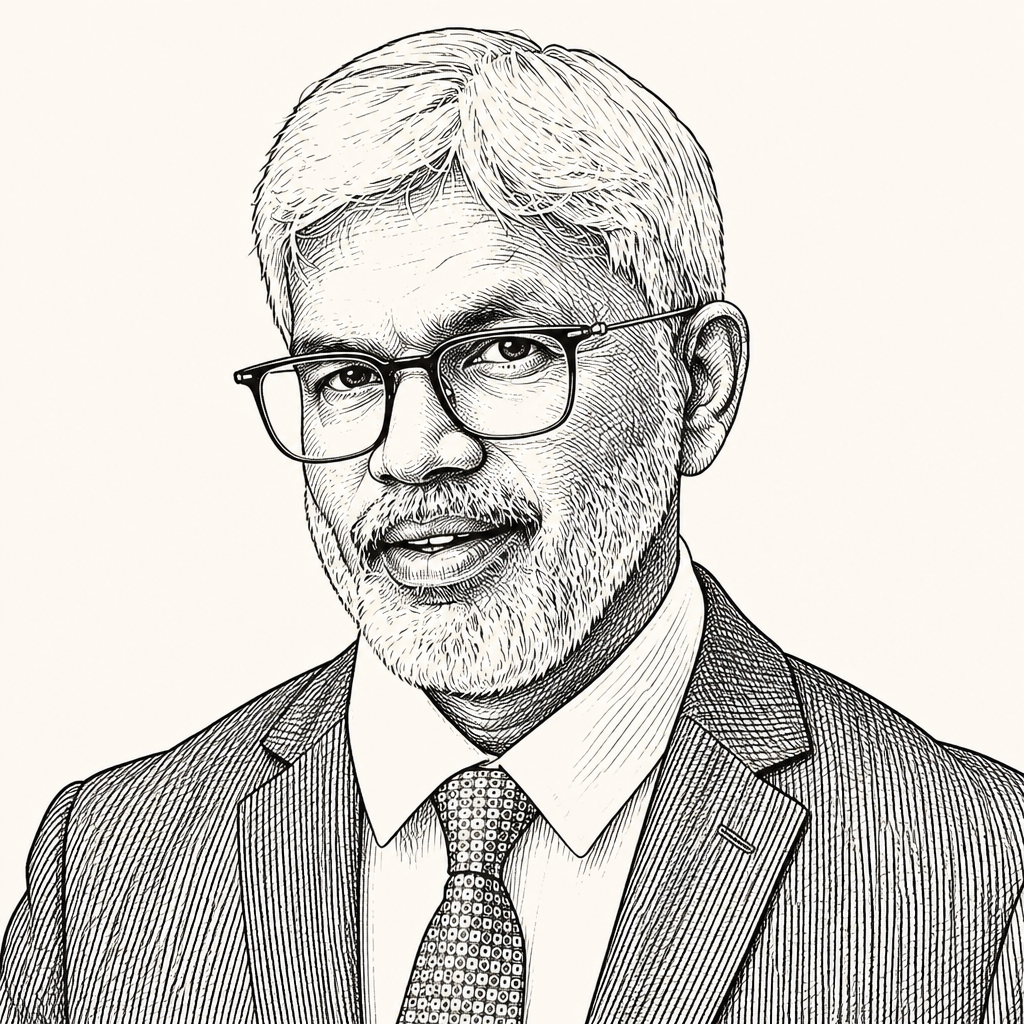
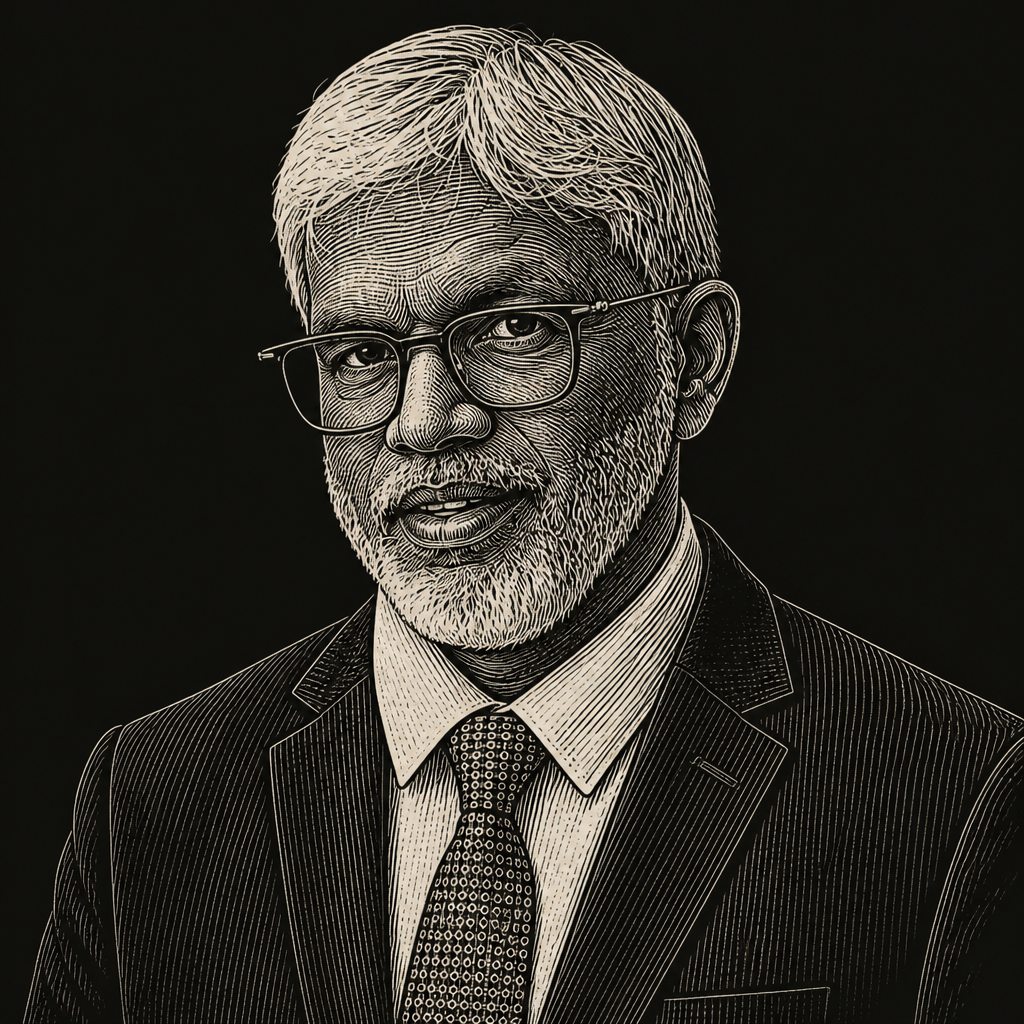
Staatsolie is investing $2.4bn in GranMorgu, including $1.6bn in loans from 18 banks and financial institutions, to secure a 20 per cent stake. Suriname will also receive revenue as tax collector: a 6.25 per cent royalty on gross oil production and 36 per cent corporate income tax from oil companies. As an investor, Staatsolie will take its own profit share. GranMorgu profits are ring-fenced, so TotalEnergies cannot discount them against the costs of future developments.
| Metric | Figure |
|---|---|
| Staatsolie investment in GranMorgu | $2.4bn |
| Loans for Staatsolie investment | $1.6bn |
| Staatsolie stake | 20% |
| Royalty on gross oil production | 6.25% |
| Corporate income tax | 36% |
Jagesar sees GranMorgu as the first of many projects. Including future discoveries, he said a best-case scenario could take Suriname to between 1.5mn and 2mn barrels a day; a visual gave a worst-case scenario of 500,000 barrels a day. He argued that Staatsolie is comfortable with the risk because Guyana has proved oil is present in the reservoir, and because Staatsolie’s investments in gold are, in his view, a natural hedge against oil price volatility.
His strategic idea is that Suriname can become a “last man standing” producer: if the world transitions away from fossil fuels over 50, 100 or 150 years, Suriname should aim to be strong enough to survive and keep selling cheaper, cleaner barrels for as long as demand remains.
Asked about diversification, Jagesar said the margins in oil and gas are large and cannot simply be replaced by the same level of activity in agriculture or tourism. His conclusion was that Suriname has to make oil and gas sustainable for as long as possible, using the time it buys to develop other sectors.
In that view, oil is not a bridge away from oil in the short term. It is the financial engine that makes a broader transition possible later.
Low-emission barrels do not remove the local ecological risk
The case for low-emission production does not answer the local ecological risks of offshore oil infrastructure, nor the climate risk to Suriname’s coast.
Monique Pool runs Green Heritage Fund, a charity protecting Suriname’s wildlife, including the Guiana dolphins in the estuary. She described the dolphin habitat as a sanctuary and said the animals behave in Suriname in ways they do nowhere else because they have been so undisturbed. “That’s probably going to end,” she said.


Pool pointed to dredging needed to deepen the channel for tankers. She said increased boat traffic, pollution, dredging and displacement of prey would physically affect the dolphins. She also objected to the broader climate logic: the oil project increases production, which means increasing emissions and exacerbating the climate crisis.
Professor Sieuwnath Naipal, an expert on Suriname’s coastal mangroves, explained why the coastal risk is not abstract. Mangroves protect low-lying coastal areas and support birds and wildlife, but dredging can interrupt the natural sediment flows they need. “No sediment means nothing for the mangrove to hold,” he said. If mangroves have no room to retreat, they die off; then, he said, “there is nothing else to remain over than to build a dike.”
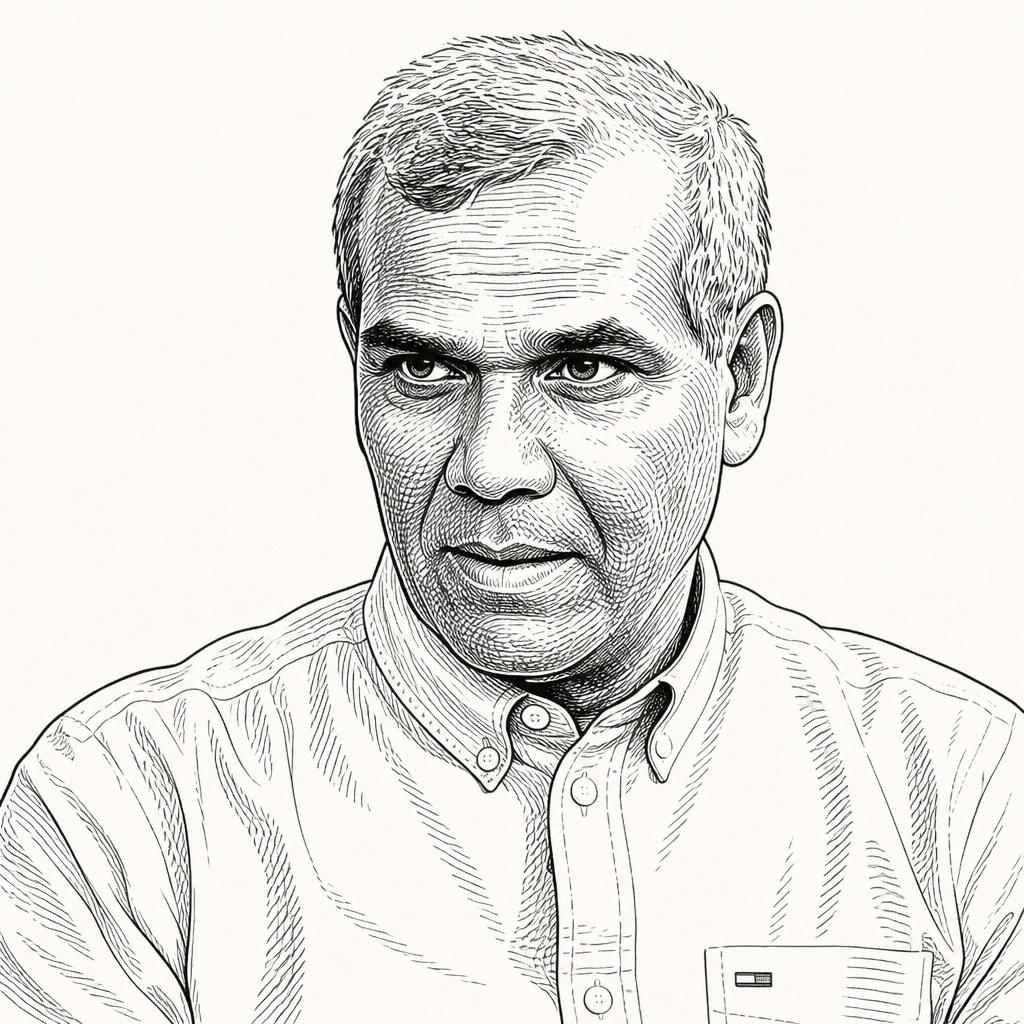
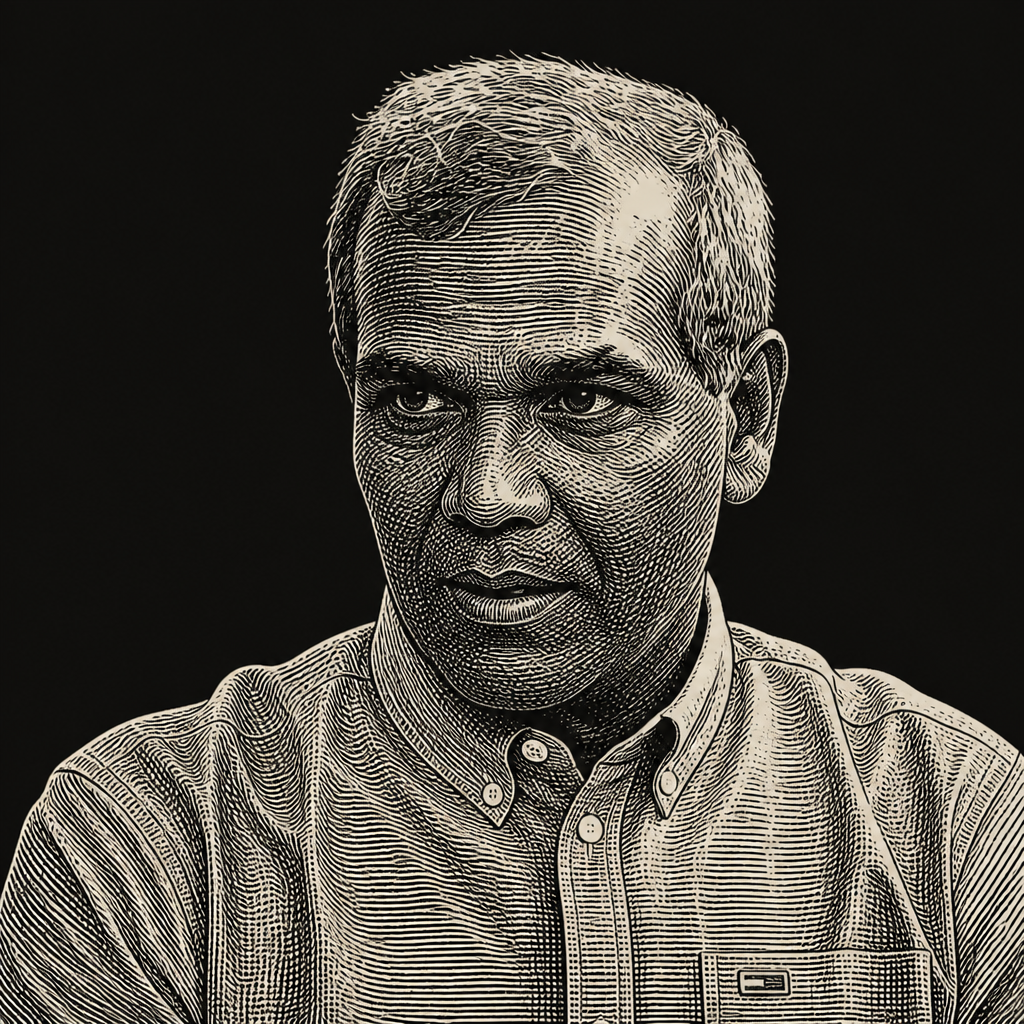
Naipal said sea level is rising by four to five millimetres a year. He showed places where mangroves had collapsed under rising waters, strong winds and lack of sediment. The source said 60 to 80 per cent of Suriname’s people live in coastal zones, so failure of natural defences would be a major threat. Naipal fears that oil money may end up redirected into expensive coastal protection — using revenue from a climate-damaging resource to defend against climate damage.
TotalEnergies says an environmental impact assessment has been carried out for GranMorgu, that potential impacts are being monitored, mitigation measures are in place, and that it supports biodiversity projects such as mangrove rehabilitation.
But the larger emissions issue remains. The project’s production emissions were shown as 16kg CO2e per barrel. A separate visual compared that with roughly 400kg CO2e from combustion of one barrel of oil. Even if Suriname and the oil companies emphasise low-emission production, most emissions come from burning the oil, not producing it.
| Emissions source | Emissions per barrel |
|---|---|
| GranMorgu production | 16kg CO2e |
| Combustion | ~400kg CO2e |
Naipal framed the issue as moral authority. If Suriname, the world’s greenest country, follows the same path as everyone else, he asked, “Who will give the example that other way is possible?” His warning was direct: if the country continues with business as usual, it should “prepare for the worst.”
The private sector is moving before the national plan is ready
Business in Paramaribo is already organising around the oil boom. Kersten Group of Companies has set up a safety training academy for offshore workers, a waste-management service and a shore base. Gordon Voigt said the company’s strategy is not only to service oil directly, but to prepare existing Surinamese companies to serve the new sector. Looking at government revenue potential, he said opportunities could “easily 10 to 20-fold” compared with current revenues in the country.
Assuria, Suriname’s largest insurance company, expanded into Guyana in response to exploration there and now sees opportunity at home. Mario Merhai described eagerness in the private sector, even “a fear of missing out.” He sees it in banking, where companies are trying to raise capital; commercial real estate, where building is under way; and hotels, where projects are being initiated.
That dynamism is part of what oil supporters want: new firms, better services, more jobs, more investment. But it also intensifies the planning problem. The roadmap Brunings wants is not yet fully built, while private capital is already anticipating oil-related demand.
Voigt repeated the missing requirement in one phrase: “Road map, road map, road map.” A couple of years will pass very soon, he said, and in his “honest opinion” Suriname is already too late. Without a faster collective effort by government, business and society, he warned, the task becomes damage control.
His hope is that the majority of the population lives a wealthier life. But he was careful not to overstate certainty: “That’s what I hope, but I don’t know what’s going to happen.”
Suriname is not choosing between a risk-free green path and a reckless fossil-fuel path in the way the question is sometimes posed. The source presents a country making decisions inside a global economy that still demands oil, rewards extraction and has not yet offered small forest-rich states a comparable development bargain for conservation.
The tests are practical as much as moral. Institutions have to collect, save and police the money. Revenue policy has to prevent a boom from becoming dependency, inflation or debt-backed overbuild. Environmental mitigation has to confront not only production practices offshore, but dredging, coastal vulnerability, mangrove loss, dolphin habitat and the much larger emissions from burning the oil.
The people and institutions heard in the source do not share one view of oil’s risks and rewards. Some see development finance, some see ecological threat, some see unavoidable realism, and some see an institutional race against time. The disagreement is not only over whether oil is dangerous. It is over whether refusing it is realistic — and whether accepting it can be governed well enough to make the promise real.