Fragmentation Turns Security Into a Capital Spending Cycle
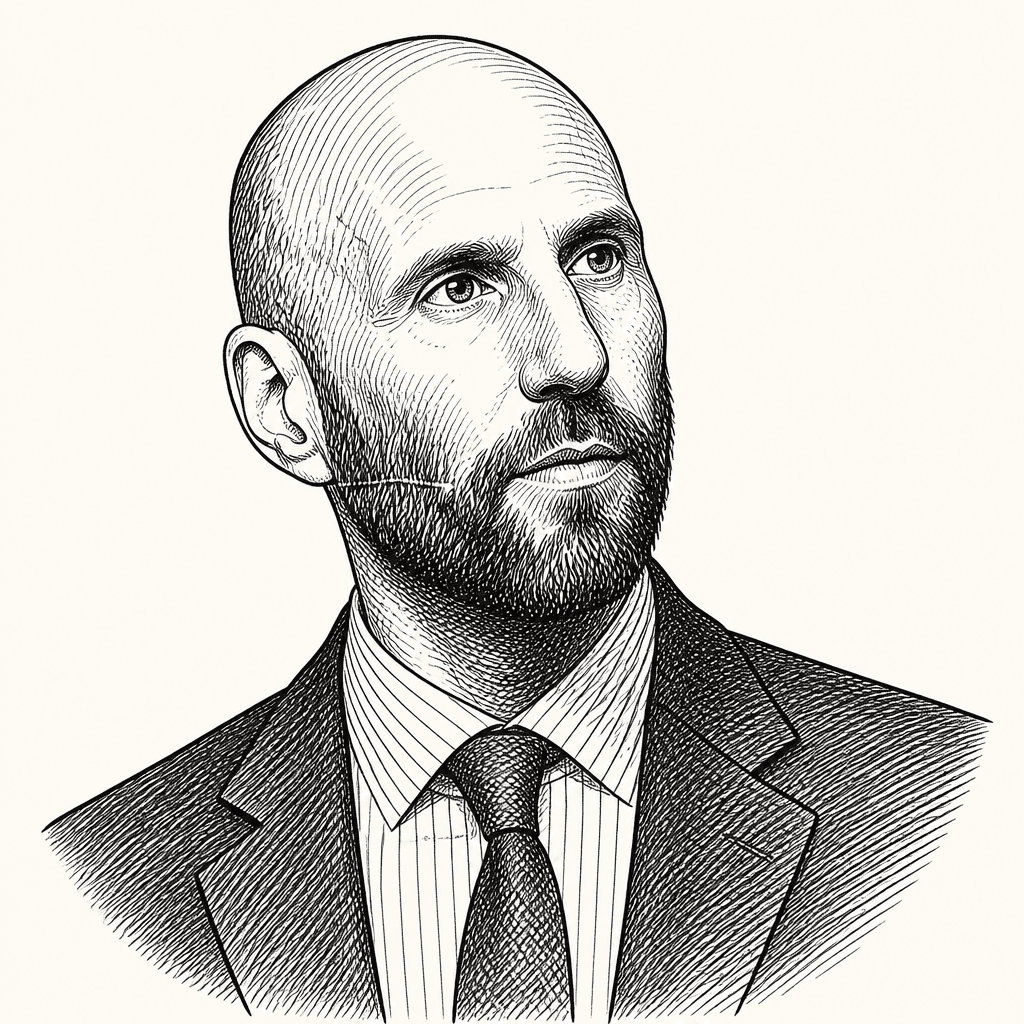
Lombard Odier chief economist Samy Chaar argues in an FT Rethink interview that recent shocks are symptoms of a broader shift from global interdependence to a fragmented economy organised around security. He says governments now have to secure energy, defence, technology and infrastructure for themselves, creating a costly capital-spending cycle that can feel worse for citizens while still supporting corporate demand and profits. For Europe, Chaar’s conclusion is that the old order is not coming back and autonomy has become an economic necessity.
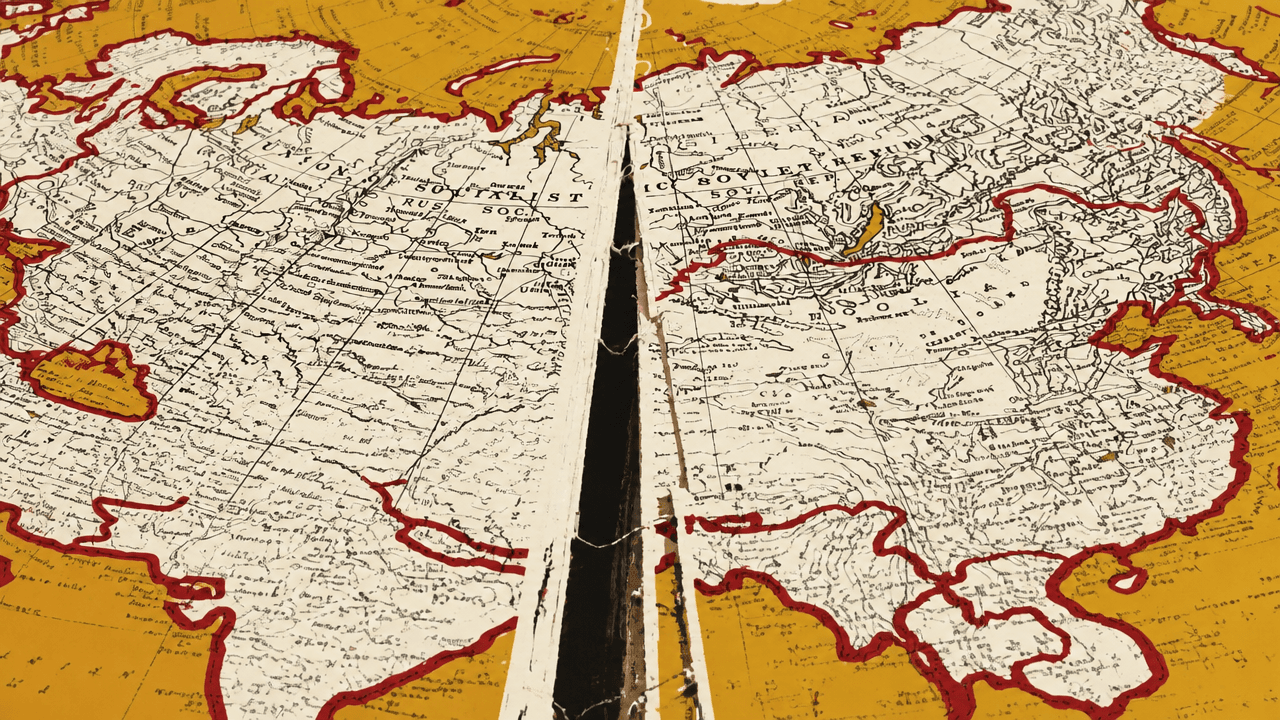
Fragmentation turns security into an investment cycle
Samy Chaar describes the global economy as being repeatedly shocked: Covid, the oil shock linked to Russia and Ukraine, the tariff shock, and then a second oil shock. His larger claim is that these are not just discrete disruptions. They sit inside a transformation from a global economy built on interdependence to a fragmented economy organised around security.
In the earlier global order, Chaar says, many economies could rely on external provision of critical inputs: China supplied cheap goods, the Middle East and Russia supplied cheap energy, and America supplied “more or less free defense.” Fragmentation changes the requirement. States and regions now have to secure energy, defence, technology and infrastructure for themselves.
That shift is costly, but Chaar’s investment implication is not defensive. A security-driven economy, in his account, requires capital expenditure: “a lot of CAPEX, a lot of productive investment in the system.” That spending generates demand, and demand leads to profits. The resulting tension is that the same environment can feel worse for citizens while remaining supportive for companies.
So we're in an environment that as citizens, looks more difficult, but it's not that bad for business.
For investors, his near-term signal is that capital spending has not yet tired. Chaar says CAPEX is still growing “at and above historical pace,” which means “no fatigue there.” His market conclusion is cautious but constructive: even if the signal is only “pale green,” he says there is still a green light “to continue to be fully invested.”
The US-China confrontation is not near its final round
Samy Chaar frames the confrontation between China and the US as a boxing match scheduled for 12 rounds. He does not claim to know whether the world is in round one, two or three, but he is clear that it is “not at the end of the fight.”
The metaphor also captures his view of the rules. Asked about “steroids,” Chaar says they are allowed. During the height of globalisation, there were rules. Today, in his account, the contest is much less constrained. Countries can use industrial policy and tariffs. “You can do whatever you want,” he says.
That does not make state intervention costless. Chaar extends the steroids analogy in both directions. If one competitor is using them, a clean competitor has less chance of winning. But taking too much also carries a cost. His conclusion is blunt: “if you believe in clean sports, you’re gonna lose that fight.” The strategic environment he describes is therefore not a clean policy debate over intervention versus restraint, but a contest in which the old globalisation rules no longer bind competitors in the same way.
Europe’s task is autonomy, not a return to comfort
For Europe, Samy Chaar gives a direct prescription: its “bread and butter” should be becoming more autonomous and more secure. He does not present this as a marginal policy adjustment. He calls it an economic transformation.
The opportunity, in his view, is that Europe has “many low-hanging fruits.” The relevant domains in Chaar’s argument are energy, defence, technology and infrastructure: the areas where a fragmented world forces economies to replace dependency with capacity. Europe, he says, needs to do more.
He rejects the idea of returning to the previous order. “It’s never gonna happen,” he says. “There is no going back.”
The closing image returns to the boxing metaphor. Europe, in his account, has been comfortable “seated in our couch” watching the fight on television. The new reality requires getting up, growing “economic muscle,” and potentially being ready to return to the ring.
That final claim ties the argument together. Shocks are not isolated disruptions to be waited out. They are symptoms of a system in which security has become an organising economic principle. For investors, Chaar’s emphasis falls on the CAPEX and profit cycle that follows from that transformation. For Europe, it falls on autonomy and preparedness. For anyone hoping for a restoration of the old global settlement, his answer is that the path back is closed.