Ken Griffin’s Investments Are Reshaping Miami as Costs Rise and Guardrails Lag
 Annie Lord
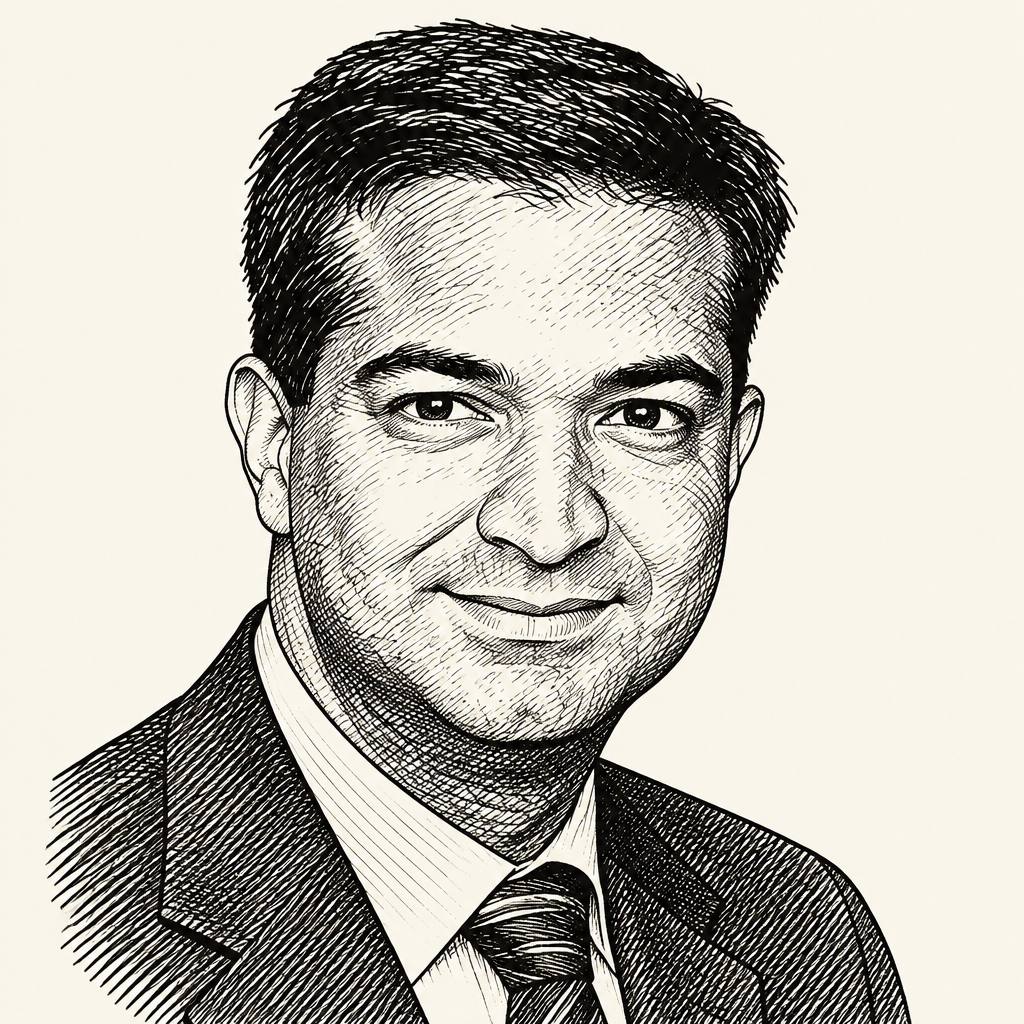
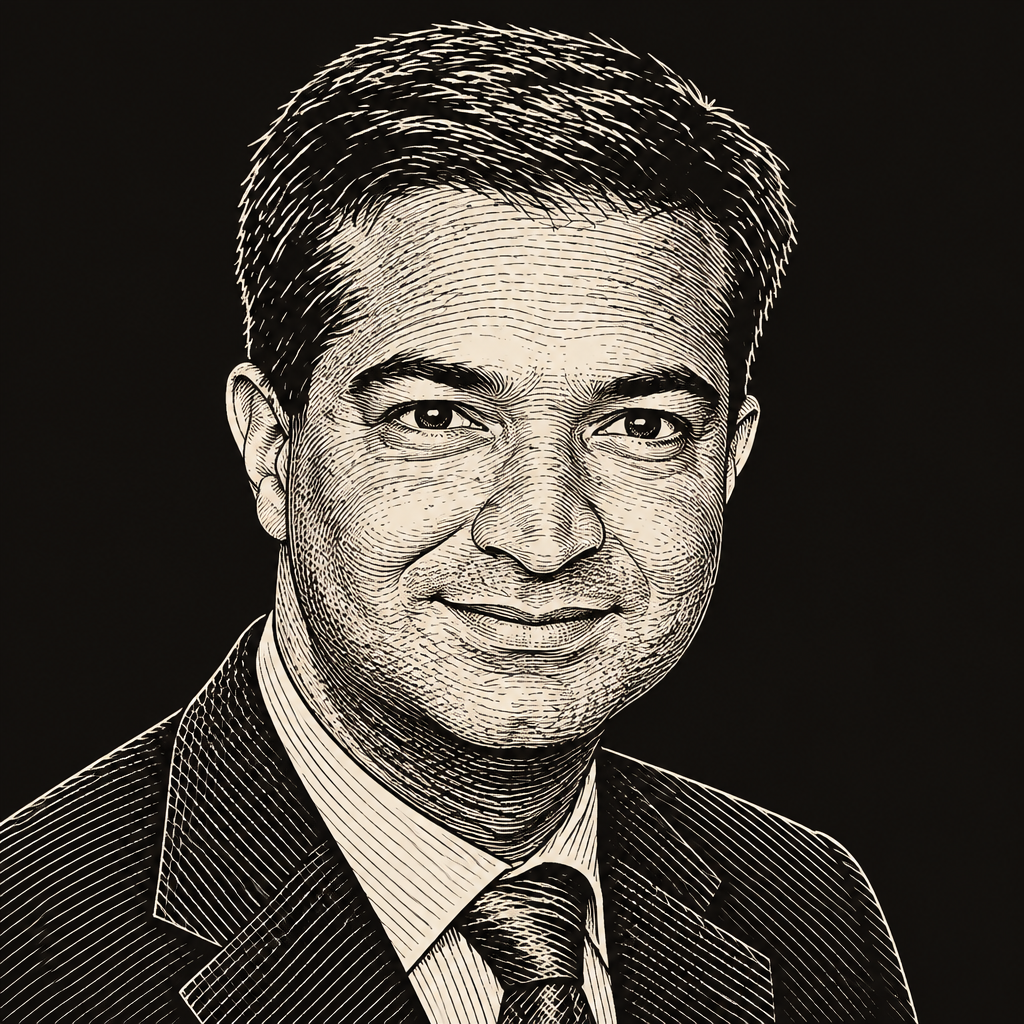
 Ken Griffin
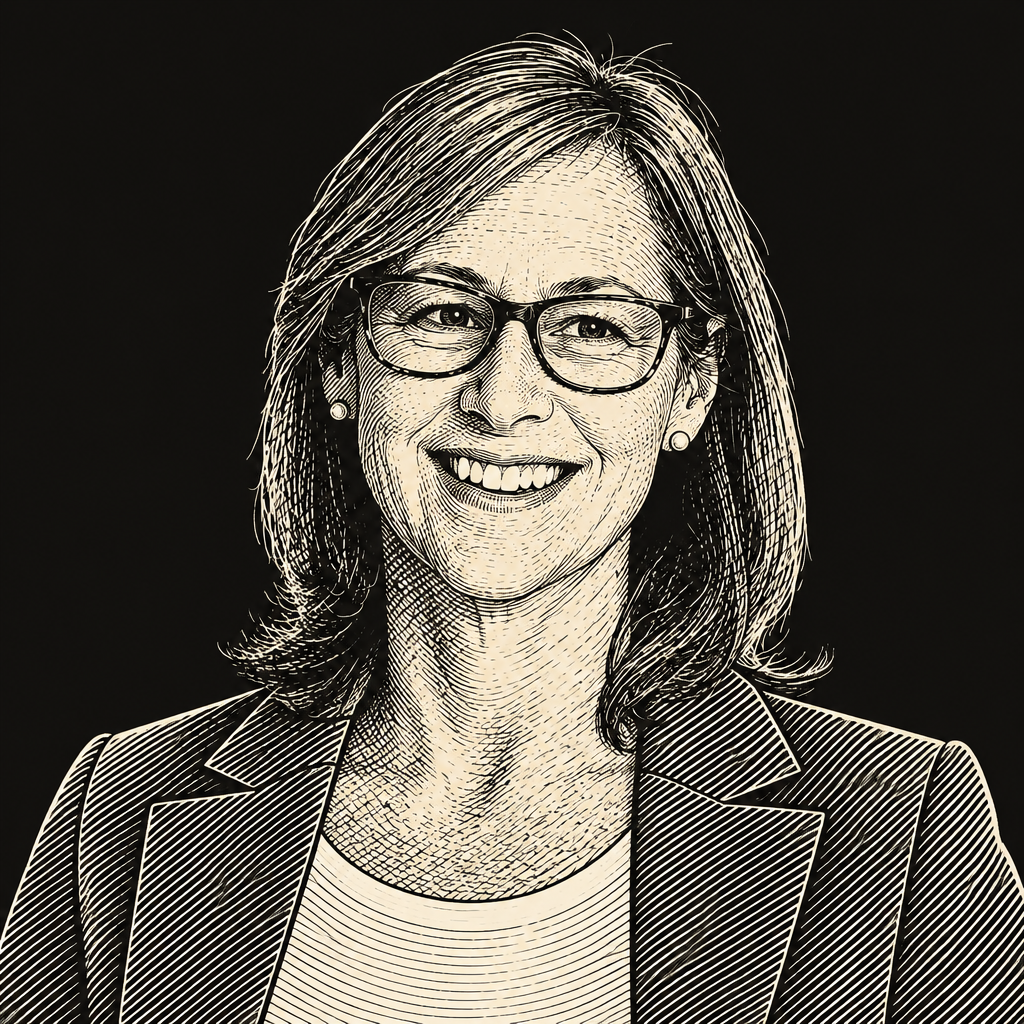
 Helene O'Brien
 Jill Shah
 Carlos CurbeloMichael DiazFinancial TimesWednesday, November 11, 20265 min read
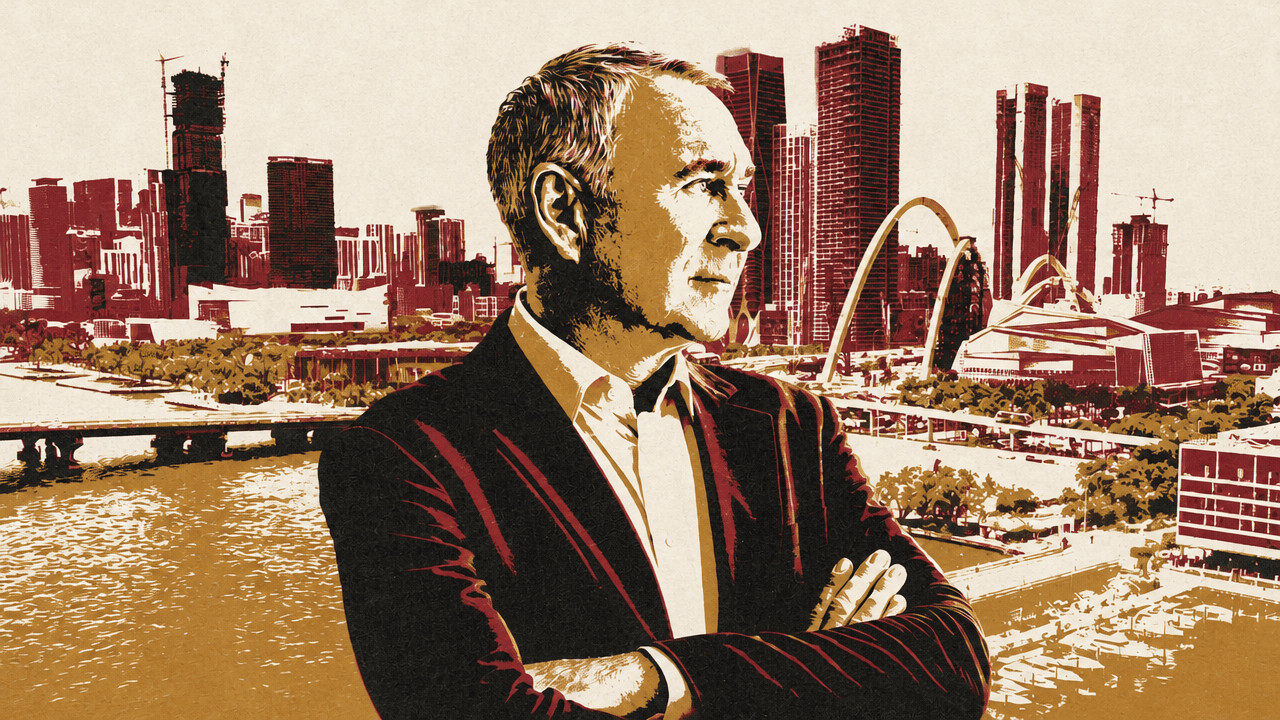
Miami has welcomed Ken Griffin’s investment and civic giving, while his rapid rise to influence has raised questions about who gets a say in the city’s growth. The FT’s Jill Shah reports that the changes have come quickly and with little public debate, as rising costs make South Florida harder for many residents to afford.
Investment is arriving faster than the city’s guardrails
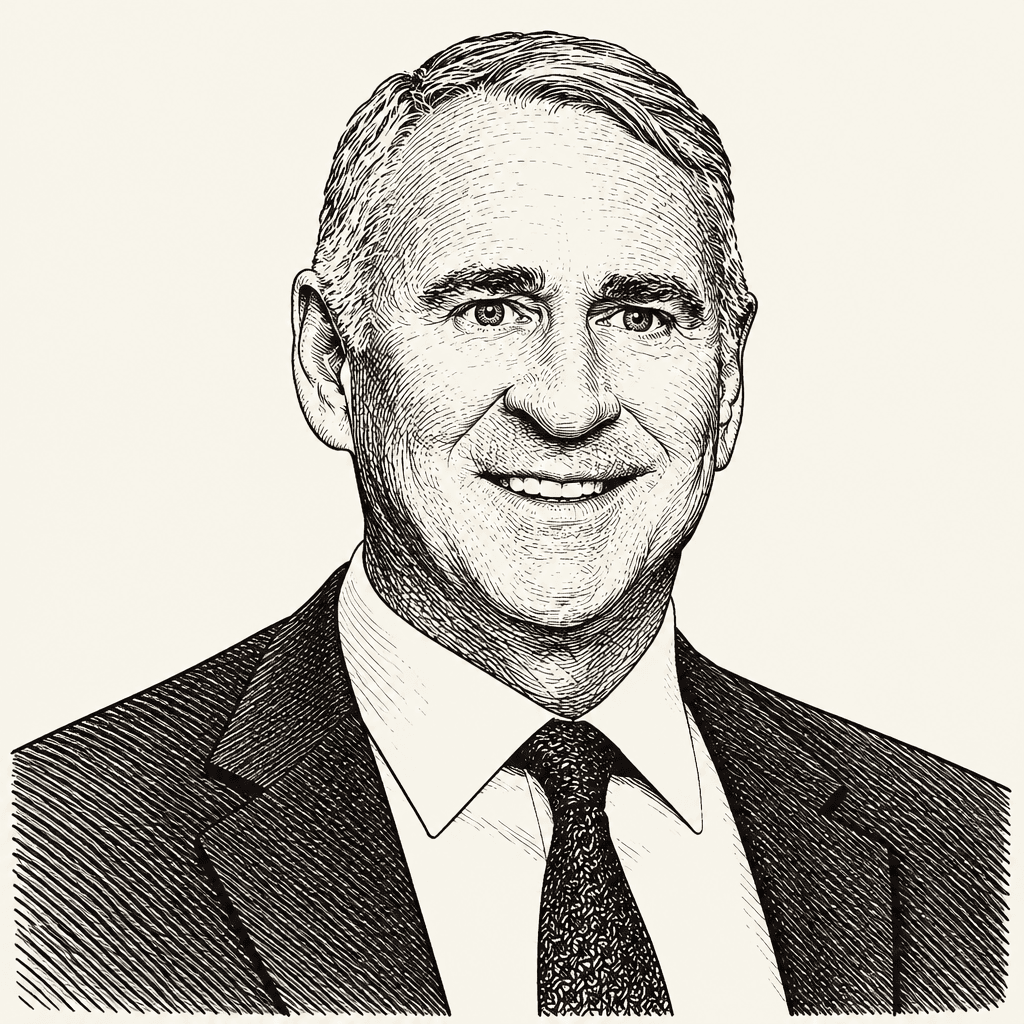
Miami’s rapid growth has brought new firms, wealth and large-scale projects, alongside rising costs and questions about who benefits and who gets a say. Jill Shah reports that rents are climbing, commutes are getting longer and it is becoming harder for middle- and working-class residents to afford South Florida. Ken Griffin’s investments and donations have also made him an unusually influential presence in the city.
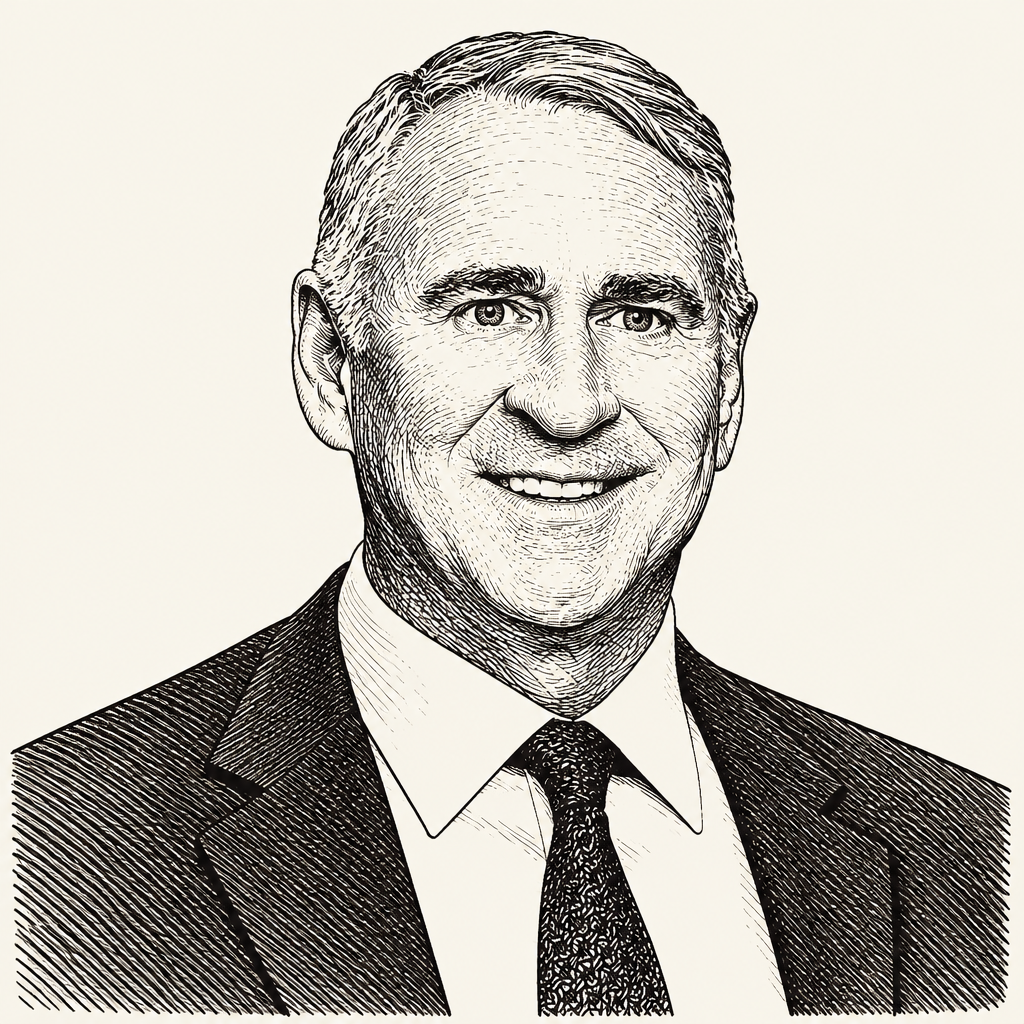
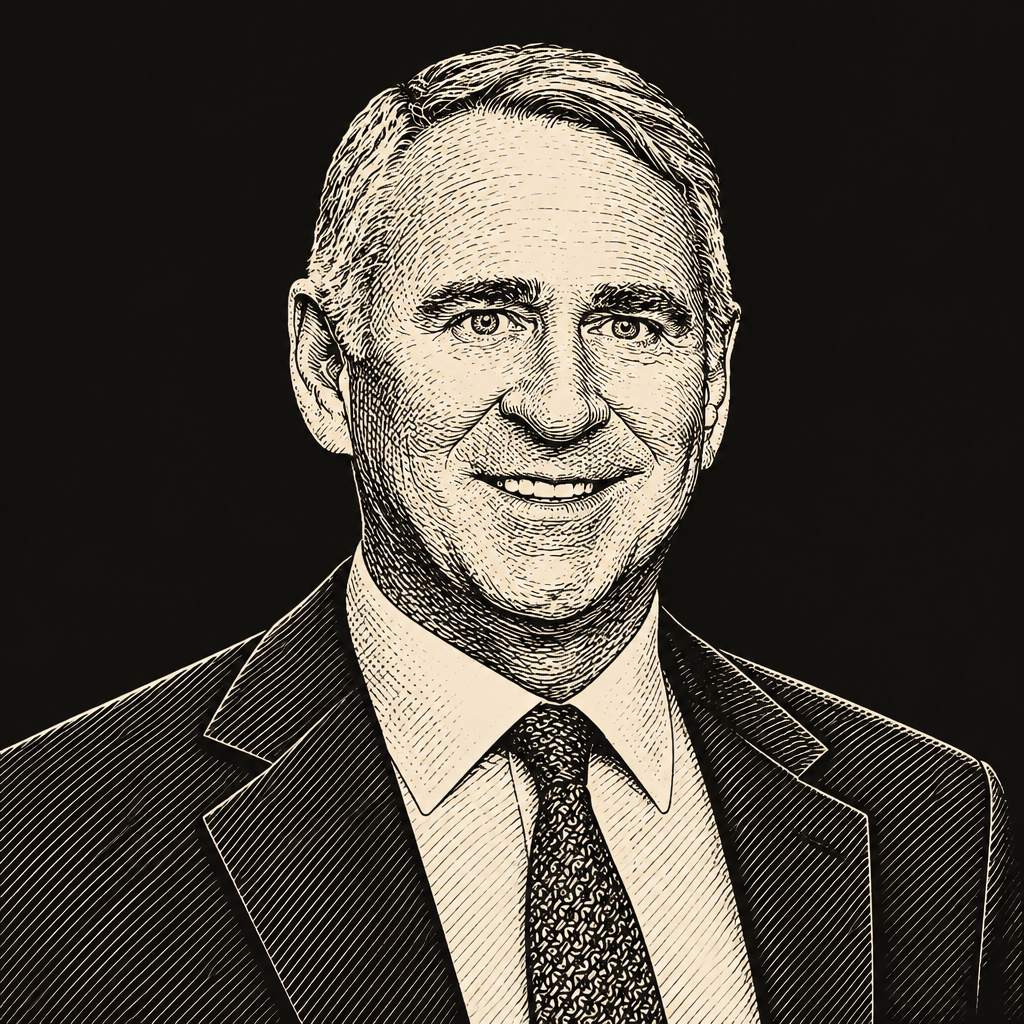
That presence is visible in Brickell, where Citadel is building a new office tower more than 50 stories high. Griffin’s real-estate purchases include a $107 million estate in Coconut Grove, lots on Star Island and a private yacht marina under construction nearby. Separately, FT research maps projects associated with his funding, including the Griffin Cancer Research Building, Nicklaus Children’s Hospital and the Underline. These are distinct parts of his footprint: property acquisitions, civic giving and political contributions.
Shah says Griffin’s giving has supported healthcare, education and public infrastructure. The Underline, a 10-mile biking trail through Miami, is among the projects she identifies. The investments bring resources to the city; separately, Shah describes rising costs that put pressure on residents who may not share equally in its growth.
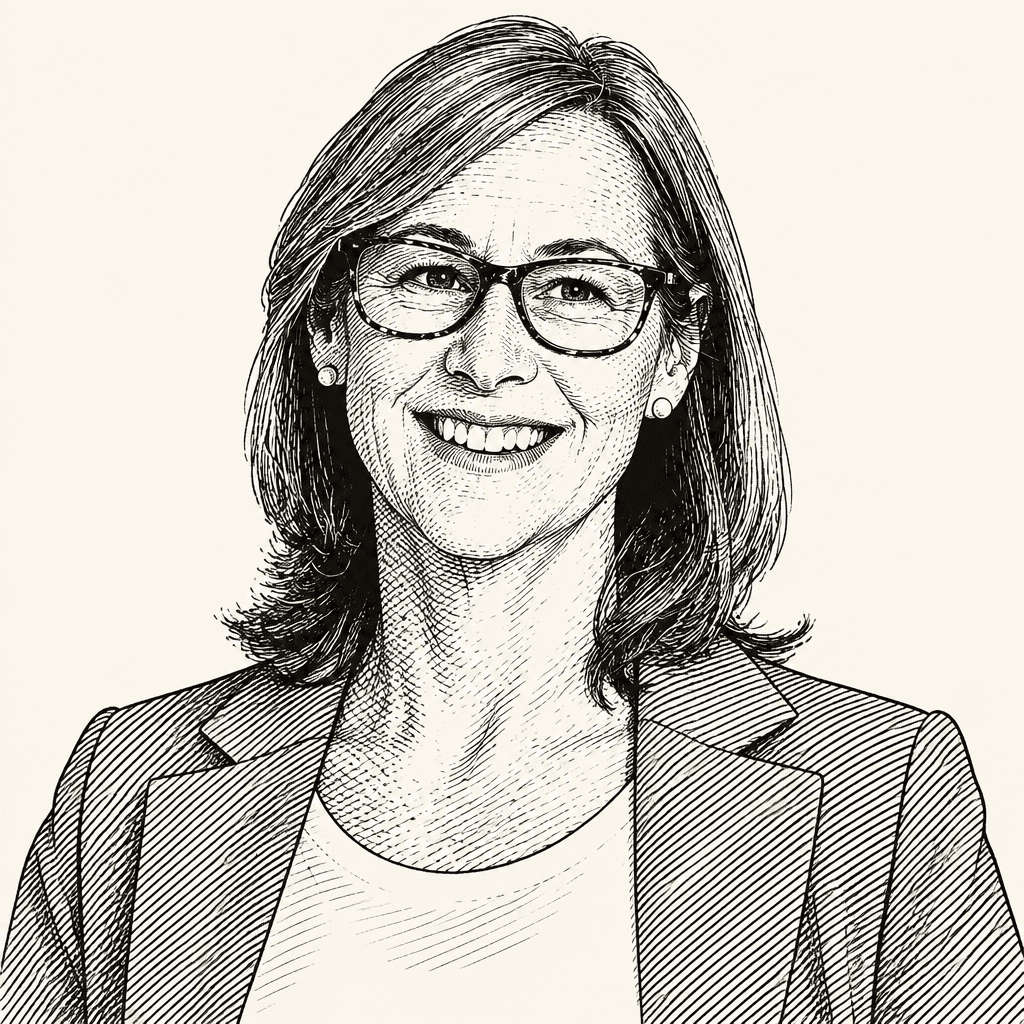
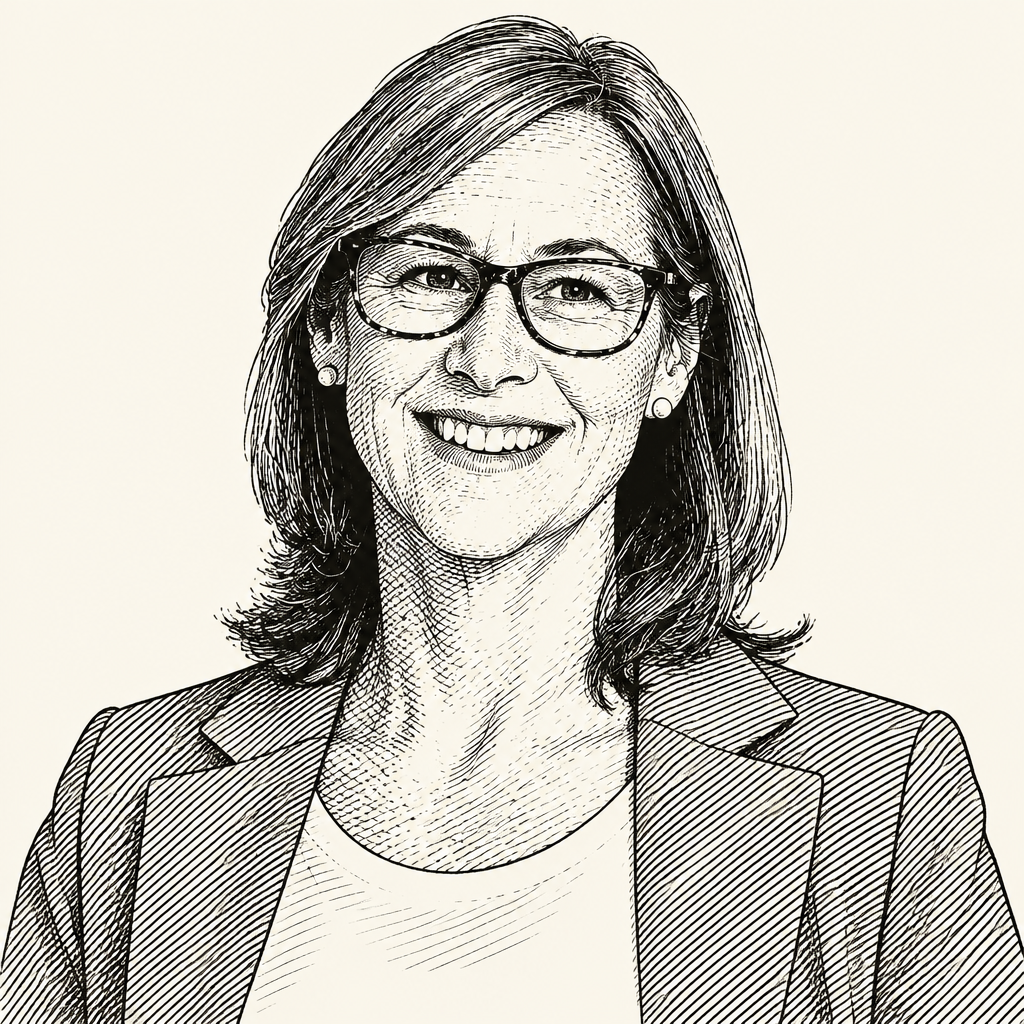
Helene O'Brien represents janitors who clean the area’s office towers and homes. She says the workers who clean properties, guard communities and deliver food should have a share in the prosperity their labor supports. Her point puts the city’s growth in terms of both new capital and the people who keep its buildings and services running.
Griffin’s reach sits within a wider migration of firms
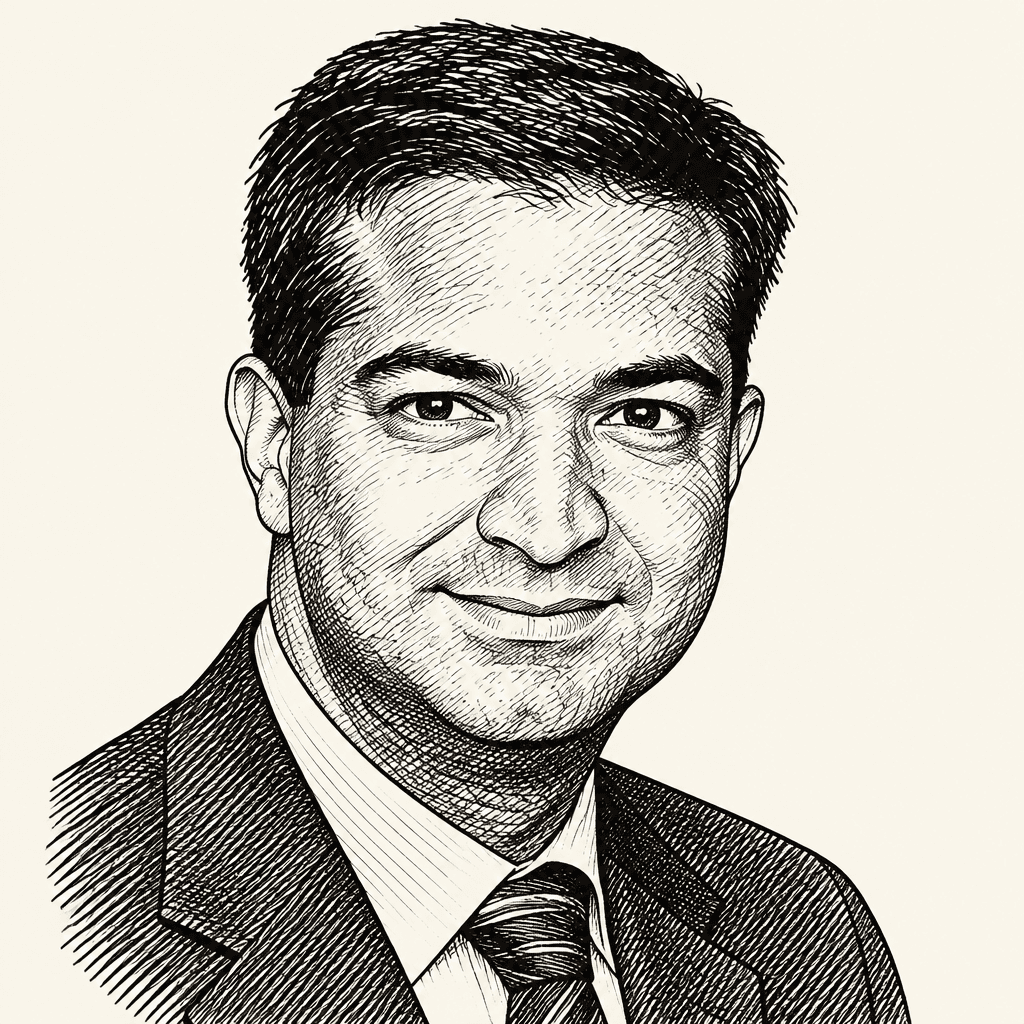
Miami’s appeal to finance and technology companies has grown alongside its reputation for low taxes and business-friendly policies. Former congressman Carlos Curbelo describes the post-pandemic arrival of people and assets from around the country and the world as a new dynamic for the city.
The FT’s chart of financial firms moving to Miami places Citadel within that broader shift. It tracks selected firms by year and sizes them by assets under management, distinguishing full headquarters moves from satellite offices. Citadel’s headquarters move from Chicago appears alongside other announced moves and offices, including some that were later cancelled. The chart places Griffin’s relocation within a wider business migration, not as an isolated change of address.
Griffin’s business helps explain why his move commands attention. Shah reports that Citadel has returned $74 billion in net profits to investors since it began in 1990. Its flagship Wellington fund’s annual returns, shown in an FT chart from 1995 to 2020, are described as consistent, though the chart includes years of losses. Shah says Citadel pursues an aggressive hiring strategy and organizes specialized teams around different investment strategies rather than relying on a single star trader.
Griffin built the firm in Chicago, where he lived for more than 30 years. He said crime was among the reasons he left, describing bullets passing through colleagues’ cars, a colleague being stabbed outside the office and 25 bullet holes in the building where he lived. Shah also reports a political dispute over taxes: Griffin spent millions opposing a proposed progressive income tax in Illinois, and the measure failed. He later backed a Republican candidate seeking to unseat Governor JB Pritzker; that effort failed as well. In 2022, Griffin moved Citadel’s headquarters to Miami.
Welcome for a benefactor does not settle questions of influence
Shah describes Ken Griffin as a major political donor who gives overwhelmingly to Republicans. In Miami, though, his money has crossed party lines: Republicans and Democrats have largely welcomed him. Griffin has praised the city’s mayor and said he would respond to the mayor’s request with, “how high.” He wants Miami to become a global city on a scale comparable to New York or London. Shah says the city has been receptive to his plans, while noting that the changes have come quickly and with little public debate.
Carlos Curbelo says Griffin has become Miami’s most powerful businessman, and that how he uses that power matters. Some people are watching, he says, and he considers that reasonable.
He has kind of instantly become the most powerful businessman here. That has consequences.
Griffin’s property purchases, civic giving and political contributions are separate channels of influence. His donations support projects welcomed by Miami, while his political giving and rapid rise in influence have prompted questions about how power is used and how much public debate accompanies the city’s changes.
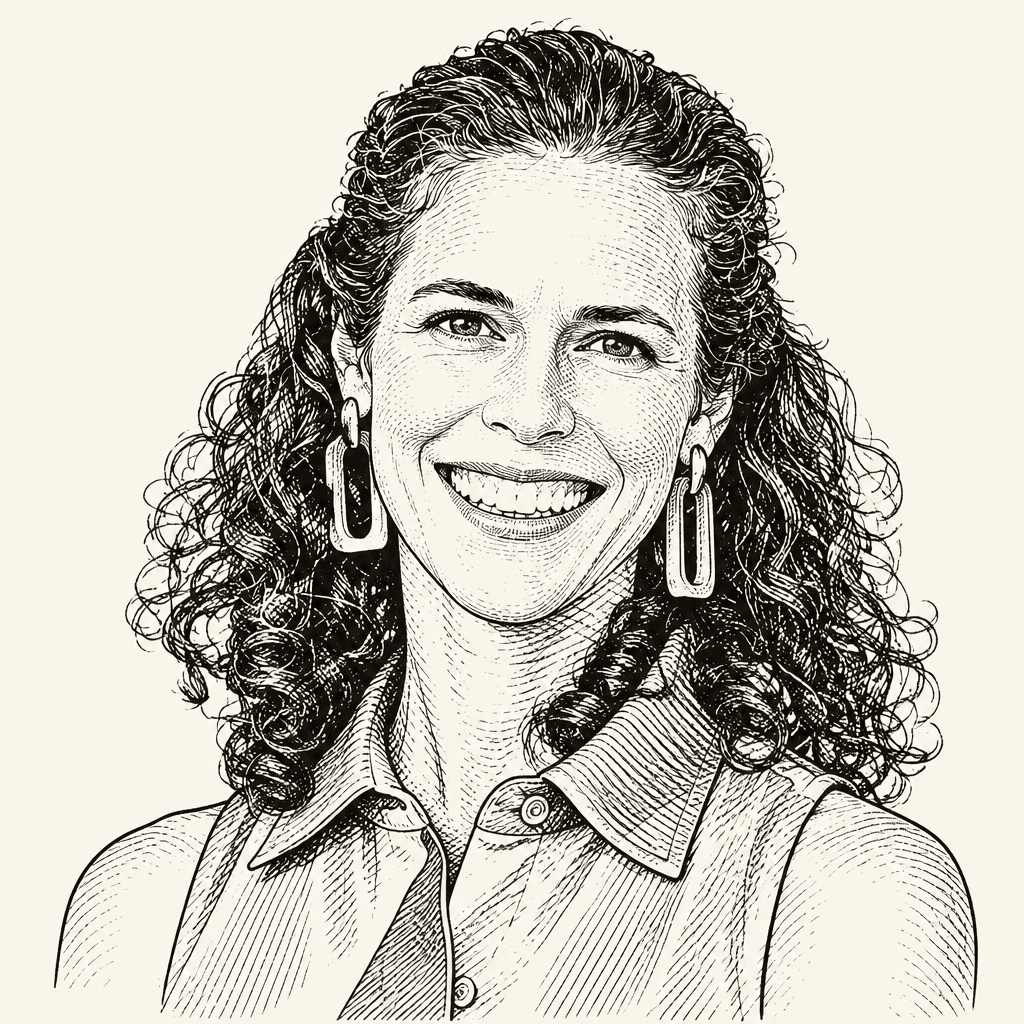
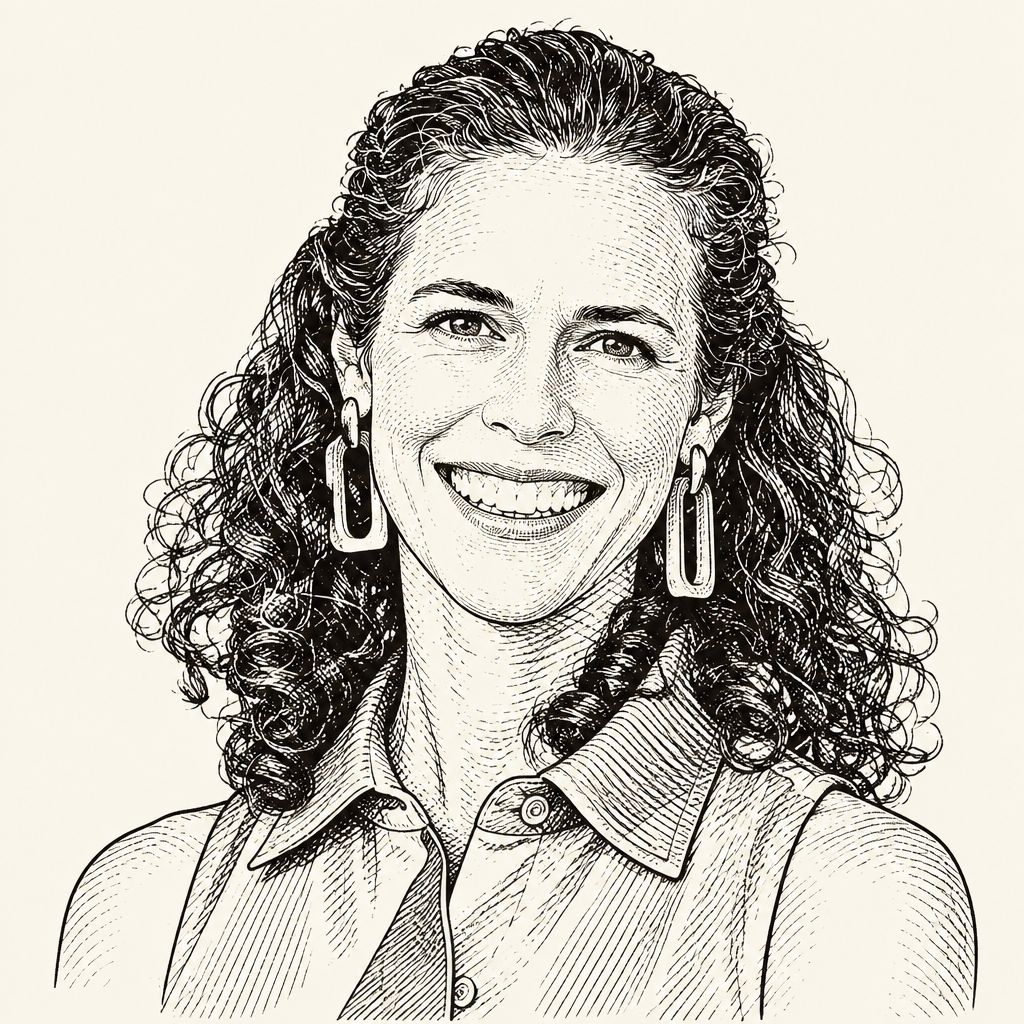
Annie Lord grew up in Miami and runs a housing nonprofit. She describes the city as welcoming to ambition and hustle, but says it lacks strong, longstanding institutions that establish guardrails for the public benefit. When wealth and power arrive quickly, she says, residents may feel hesitation and anxiety about newcomers’ ability to shape the city.
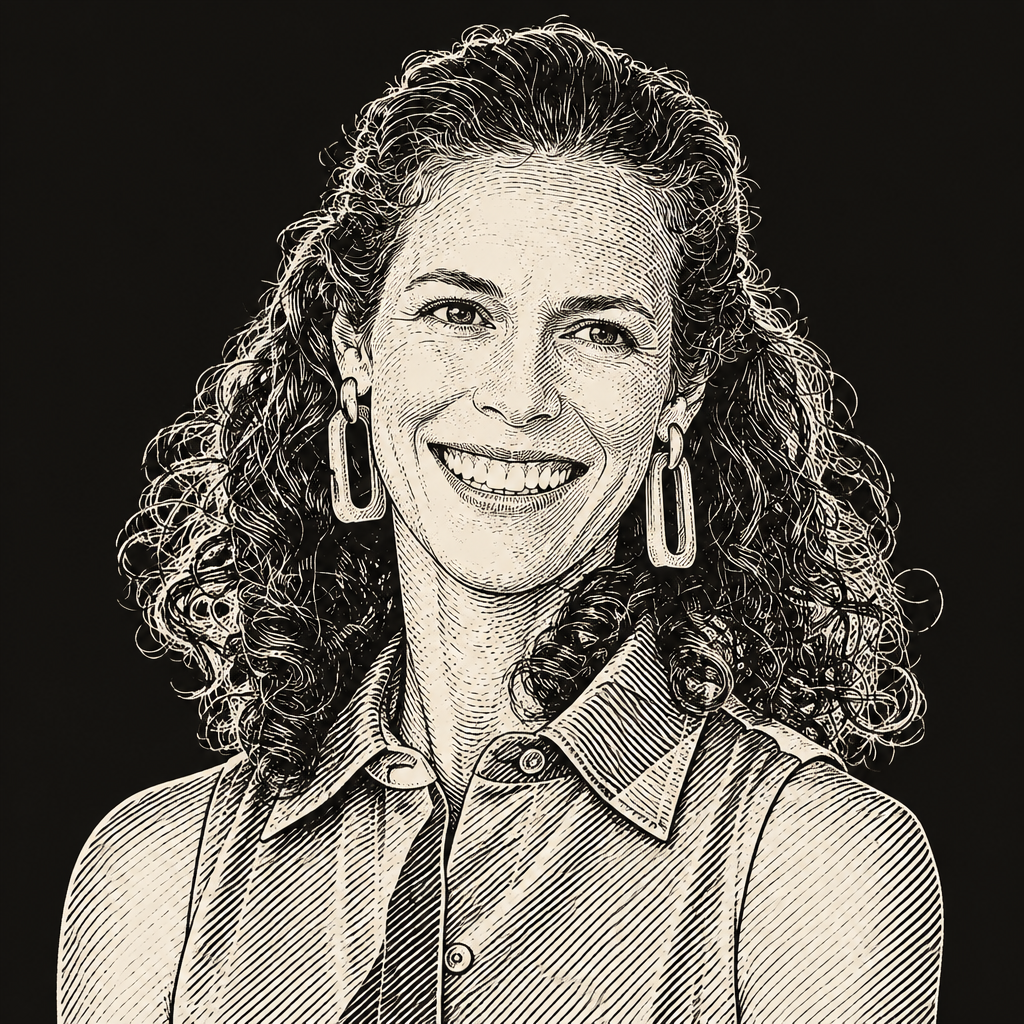
Lawyer Michael Diaz offers a more affirmative view. He says Griffin and other newcomers have brought businesses, employees and ideas about expanding the community, which he sees as positive for Miami. But he also argues that residents shaped by immigrant communities escaping authoritarian regimes remain skeptical of concentrated power. Even very large sums, he says, will not make Miamians accept an agenda simply because a wealthy individual advances it. The city will welcome what it considers positive without being controlled by one person’s philosophy.
Workers face rising rents and growing difficulty affording South Florida, while Griffin’s real estate, donations and political influence are reshaping the city. Miami’s welcome for investment coexists with Lord’s concern about weak public guardrails and Diaz’s confidence that residents will remain skeptical of concentrated power. Shah notes that these changes have come quickly and with little public debate.