Elite Achievement Does Not Resolve the Search for Fulfilment



Scotty Scheffler’s post-win reflection that being the world’s best golfer is “not a fulfilling life” anchors Chris Williamson and Jett Franzen’s argument that achievement can organise effort without answering deeper questions of meaning. Williamson links that gap to hedonic adaptation: even while enjoying a long-awaited success or experience, people often begin anticipating its replacement. Franzen argues that holding plans more loosely can reduce the disappointment created when reality fails to match an imagined script.
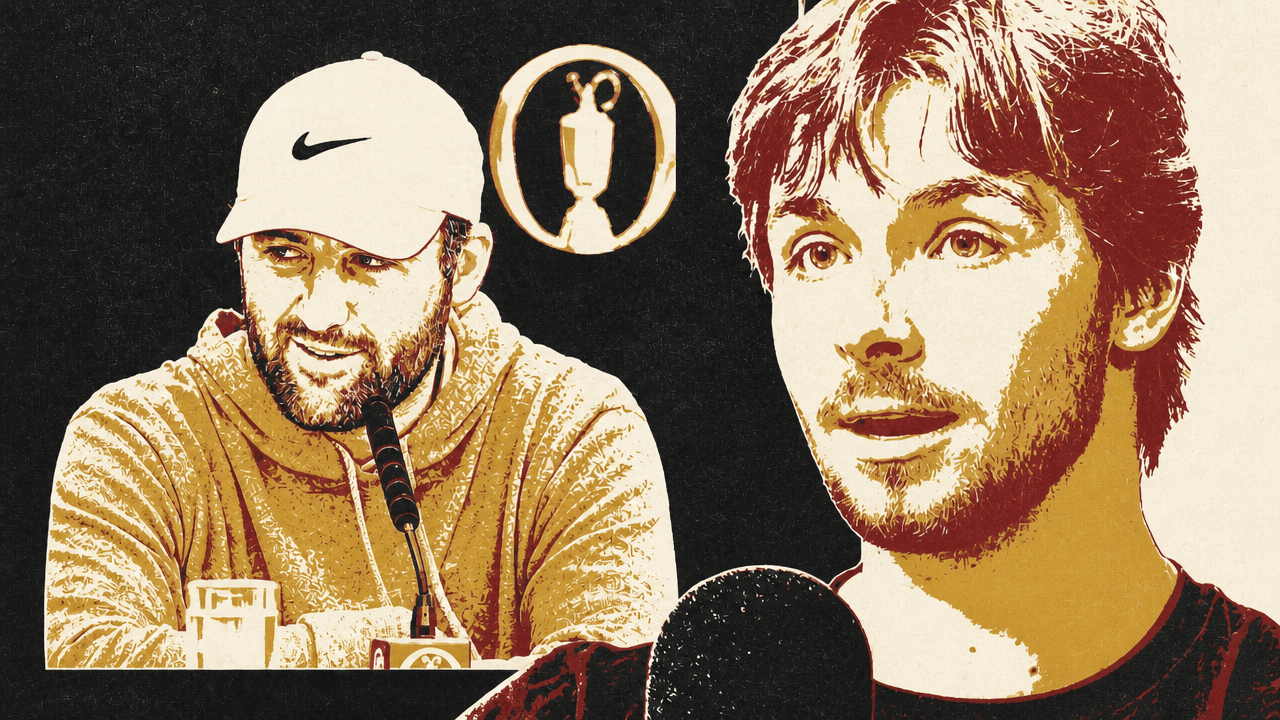
Goals can organise effort without carrying the burden of meaning
When Scottie Scheffler spoke about being the best golfer in the world, he rejected the notion that his role was to inspire others to pursue that same status. “What’s the point?” he asked—not because accomplishment has no value, but because it does not reach what he called the deepest places of the heart.

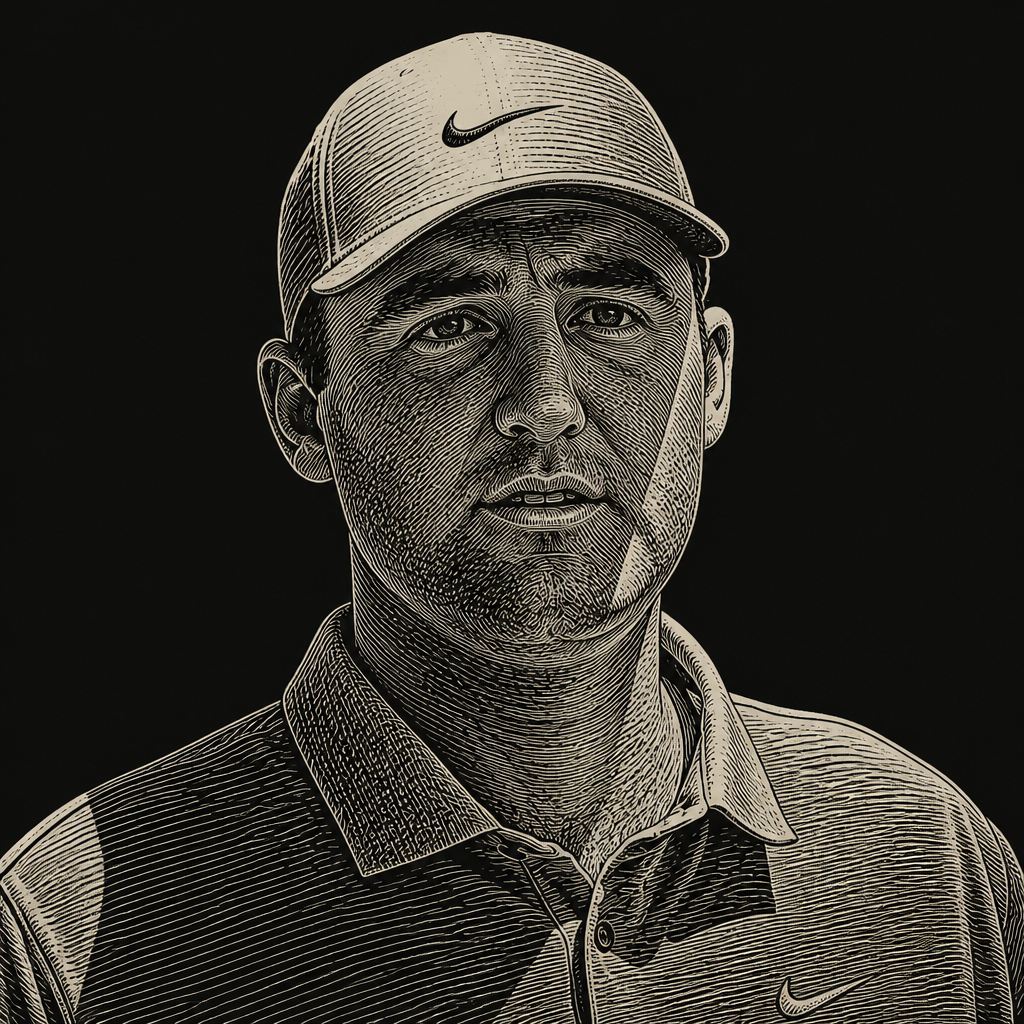
At the end of the day, it's like, I'm not out here to inspire the next generation of golfers. I don't, I'm not here to inspire somebody else to be the best player in the world, because what's the point? You know, this is not a fulfilling life.
Scheffler made a distinction between two kinds of fulfilment. Golf can be fulfilling as an accomplishment, he said, while not fulfilling “from a sense of like the deepest” places of a person’s heart. Someone can reach the destination they expected to complete them—number one in the world, in his example—and still confront the question achievement was supposed to settle.
Identified in the clip as a three-time major champion, Scheffler was speaking from within elite sporting success. The achievement is real; so is the limit he describes. Becoming the best player in the world may organise effort, demand skill, and provide a sense of accomplishment. It does not, by itself, answer what makes a life fulfilling.
Jett Franzen offered a bleak joke about that limit: perhaps if a person could be satisfied simply by hitting the goal, “you would kill yourself.” Chris Williamson took the underlying point seriously. The fact that people continue to seek the next experience, improvement, or piece of progress depends in part on completed experiences not leaving them permanently satisfied.


The mind can turn arrival into another form of anticipation
Chris Williamson connected Scheffler’s observation to the arrival fallacy and hedonic adaptation: the expectation that a goal or experience will bring lasting contentment, followed by adjustment once it arrives. He invoked dukkha, a Buddhist term often translated as “suffering,” but which he said can also be rendered as “unsatisfactoriness.”


The distinction matters to Williamson’s account. He was not describing life as uniformly miserable. A desired experience can be pleasurable and still fail to satisfy in the durable, complete way someone expected. His examples were deliberately basic: if a first sexual experience or a first deer killed left someone permanently satisfied, there would be no reason to pursue either experience again.
Williamson used a story attributed to Morgan Housel to show the mechanism at work during an experience that had been intensely anticipated. Housel and his family had planned a holiday in detail: where to sit at the resort, what to order, and what drinks to have. Once they arrived, the trip became an inventory of small deviations from the imagined version. The drink was nice, but it had too much ice and perhaps should have been blended rather than served on the rocks. The table was beautiful, but sand between his feet was irritating. The veal was lovely, but the salmon might have been better.
Then, on the first day of the trip, Housel walked onto the balcony and thought they should return the following year.
Immediately in the process of enjoying the thing he's already moving the goal posts to the next thing.
For Williamson, the issue is more than a tendency to complain. The enjoyment of a long-awaited experience can become tied to recreating its anticipation. Before the present holiday has been fully absorbed, the mind is already constructing another future version of it.
A looser grip on the plan changes what counts as a disappointment
Jett Franzen supplied the counter-mechanism. At a restaurant, he ordered a steak and received chicken instead. Rather than treating the mistake as a spoiled dinner, he enjoyed the surprise: he had expected steak and got a curveball.
The example is small, but it reverses the pressure in Williamson’s holiday story. There, reality is measured against a detailed script prepared in advance; minor variation becomes a reason for dissatisfaction. In Franzen’s account, the wrong meal is allowed to be its own experience rather than judged only as a failure to deliver the planned one.
Franzen recalled a high-school teacher repeatedly telling students to “roll with the punches.” He treated the ability to go with the flow as one of the best skills—or perhaps personality traits—a person can develop. He said he comes from an anxious family that likes to plan everything in advance, and that excessive planning can make an experience feel “suffocat[ed].” If events are allowed to happen, he said, a person may like them more.
The practical implication is narrower than Scheffler’s question about meaning but connected to it. A person does not need to abandon goals or planning. The risk is asking either an achievement or a perfectly executed experience to deliver more than it can: not merely success, pleasure, or order, but a final feeling of fulfilment.