Enemies Can Fuel Effort, but Relying on Them Becomes a Crutch
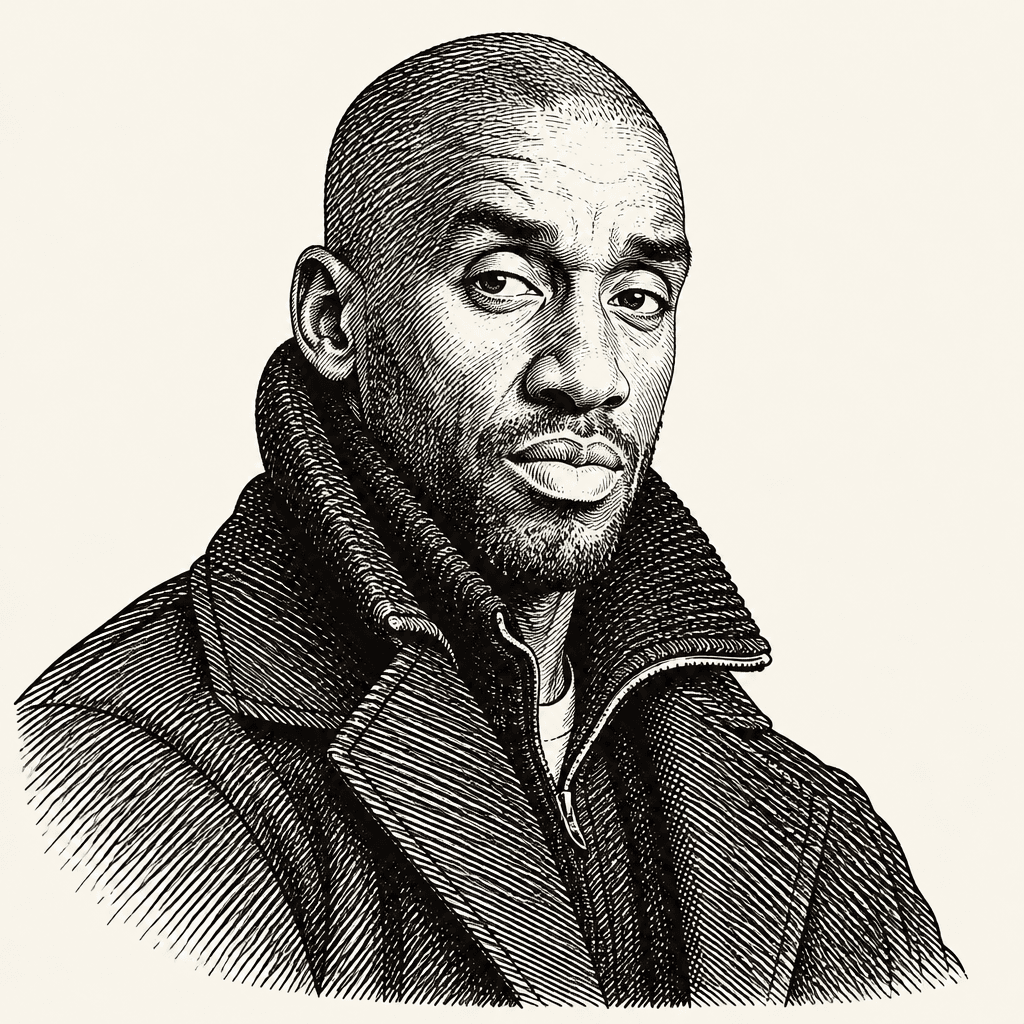

Rapper Bugzy Malone argues that having an enemy can make effort feel urgent: the prospect of danger or defeat can push someone to train harder, work and prepare. But he warns that manufactured or revived conflict turns that motivation into a crutch, leaving a person dependent on hostility for energy. In a discussion with Chris Williamson, Malone describes moving towards purpose and love as a more lasting source of drive.

An enemy can make the stakes feel real
Bugzy Malone describes hostility as a powerful way to summon effort. A threat in the streets, he says, can make you take earning money more seriously because you know you cannot stay exposed to danger forever. A fight in a boxing gym has a similar effect: once a coach tells you who you will face, losing can feel like losing not just the bout but your identity and self-respect. The stakes bring out a different version of you. You run farther, go to bed earlier, read before bed, and prepare.
That mechanism can also be deliberately turned on. Malone says he has sometimes looked at people who might resent him, imagined that one of them could cause trouble, and used the resulting nervousness to make himself fitter, more focused, and more serious about self-defense. The threat need not be immediate to function as fuel. It can be enough to picture the challenge and feel that something is on the line.
But Malone also acknowledges trying to produce more of this “toxic fuel.” As a professional entertainer, he says, the boundaries of being a rapper can feel unclear; he has sometimes leaned into rivalries or antagonisms that no longer mattered much to him. The people were “sort of there,” but the conflict was less compelling than it once had been. He could still reopen that part of his mind—ask what someone had said, or imagine that person might be looking for a problem—and provoke himself into action.
Chris Williamson sees the risk in turning that impulse into a strategy. He has watched people manufacture friction a situation did not require, creating enemies so they have something to push against. Malone recognizes the pattern in himself, while declining to speculate about another person’s motives. The distinction is between responding to a real threat and reviving or inventing antagonism because it supplies urgency.


Borrowed energy can become a crutch
Malone describes enemy-making as a way of drawing energy from outside yourself. Its usefulness is also its weakness: if you need somebody to resent you—or somebody you can resent—to get to the gym, spar, or work harder, then that person has become a crutch.
It's energy. Essentially, you're farming energy. But it's a crutch also. You're relying on something external to create energy.
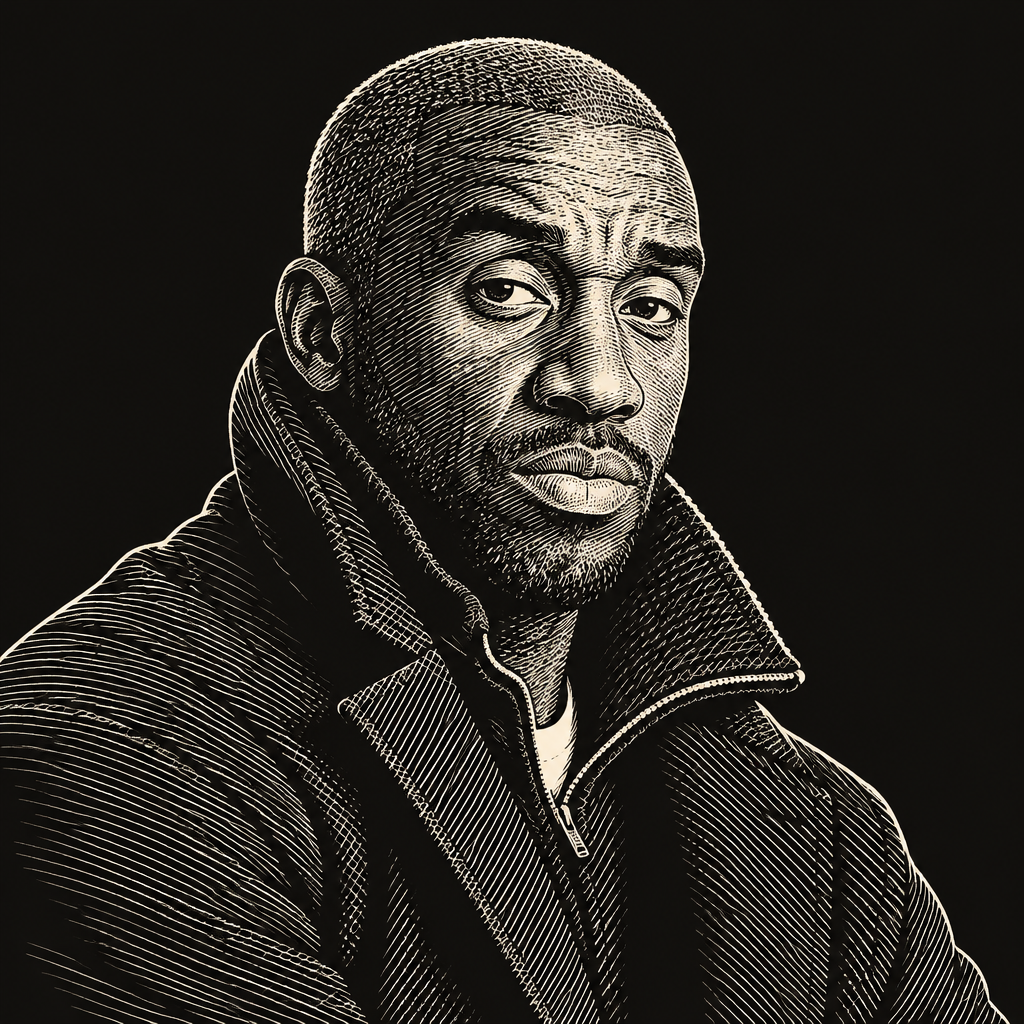
The problem is not simply that anger can motivate. It is that relying on it may require continually finding or reviving conflict. Williamson asks what happens when the original “toxic fuel” runs out and whether a person can keep pursuing mastery without it. Malone’s answer is that producing more fuel is possible, but that does not make a person independent of it.
His alternative is a season of isolation: a period in which you stop depending on other people to encourage you, provoke you, or confirm that you can improve. Malone says this requires confidence that you will come out the other side. In that process, he argues, you can let go of the need for a negative person to make your effort feel urgent.
Purpose gives effort a source beyond threat
For Malone, the replacement is not a softer form of rivalry. It is a motive rooted in love and purpose. He traces that motive to being 12 and watching When We Were Kings, the documentary about Muhammad Ali and George Foreman’s fight in Zaire. Growing up amid what he calls complete dysfunction, he was looking for inspiration; the film gave him something to draw strength from during a dark period, when he says he was suicidal in his mind.
That memory gives his work a different kind of stake. Malone says he knows that another child in a similar situation is out there, drawing strength from what he does next. If he falls off, he feels he lets that child down. He describes that responsibility as enough strength to maintain his effort.
Familiar patterns can trigger an alarm
Malone’s willingness to leave relationships raises a question for him: whether cutting people off means he has become cold. In “Prisoner,” he says, he writes about that fear as if keeping a diary. He is willing to leave people, regardless of their title, if they refuse accountability, lie, or act disrespectfully. Preserving his inner peace can mean walking away.
Yet meeting someone accountable—even someone from a dysfunctional background who is trying—shows him that he still has love in him and is more open than he thought. What triggers him, he says, is seeing traits like those he was exposed to growing up, and the destruction he witnessed in their wake.
Williamson compares this response to what he describes as chronic inflammatory response syndrome. In his analogy, after exposure to toxins, the body may react quickly to a similar environment later. He suggests that a psychological alarm can also respond to familiar patterns associated with harm. He adds that the alarm can misfire: a resemblance may provoke a reaction even when the present situation is not the same danger.