Wanted Children, Not Parenthood Alone, Drive the Happiness Divide


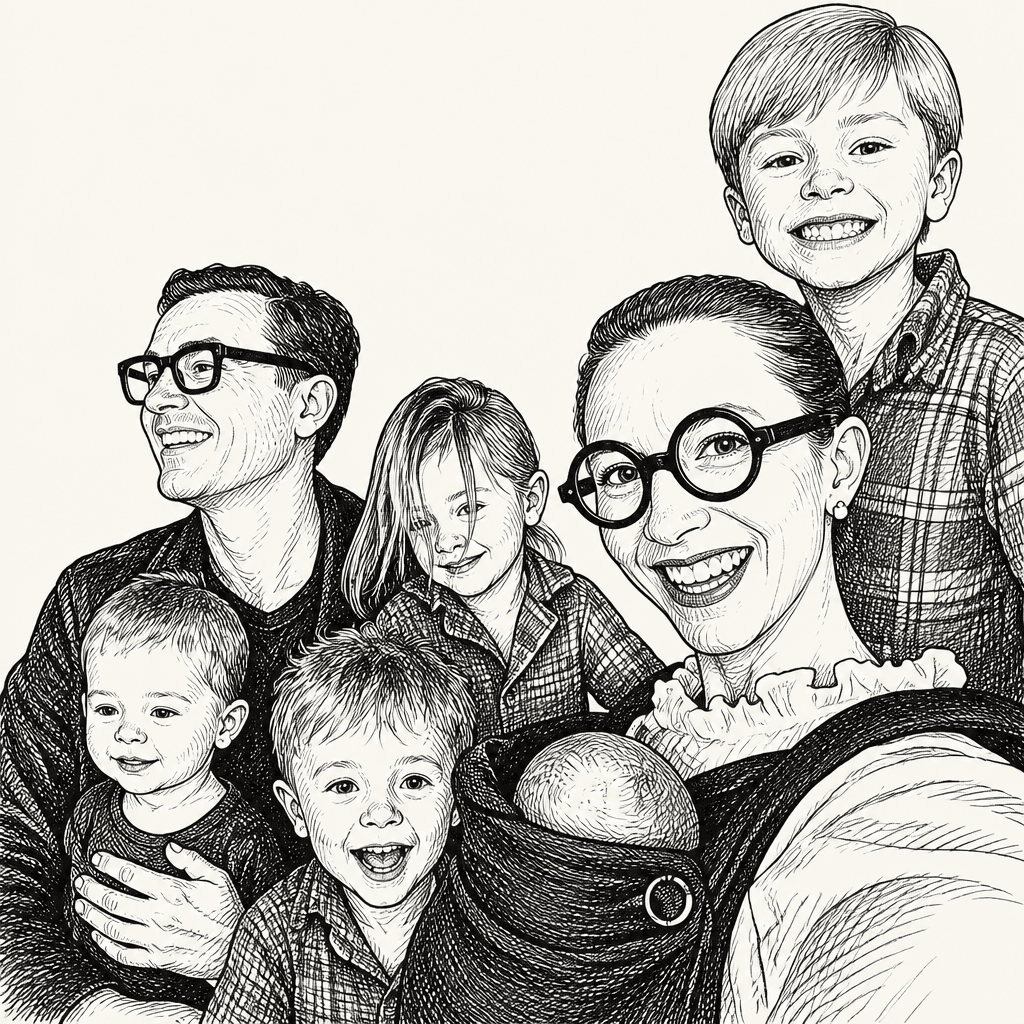

Lyman Stone argues that the claim children make people less happy is misleading because it often fails to separate wanted from unintended children, while Simone Collins says the short-term happiness costs, especially for mothers of young children, are real and under-supported. Stephen Shaw and Chris Williamson push the debate toward unwanted childlessness, arguing that averages obscure people who wanted families but reached the end of their reproductive years without them. The discussion turns on whether happiness is the right measure at all, with Stone insisting that meaning is the more serious standard.

Wanted children are the hinge in the happiness debate
Whether children raise happiness depends on three distinctions: whether the children were wanted, whether the comparison follows the same people over time, and whether the relevant measure is happiness or meaning. Lyman Stone argues that the common claim that children make parents less happy is misleading because surveys often mix intentional and unintentional fertility. In his account, “having kids that you want to have” increases happiness in the most robust models “we know of,” while unintended children operate differently.

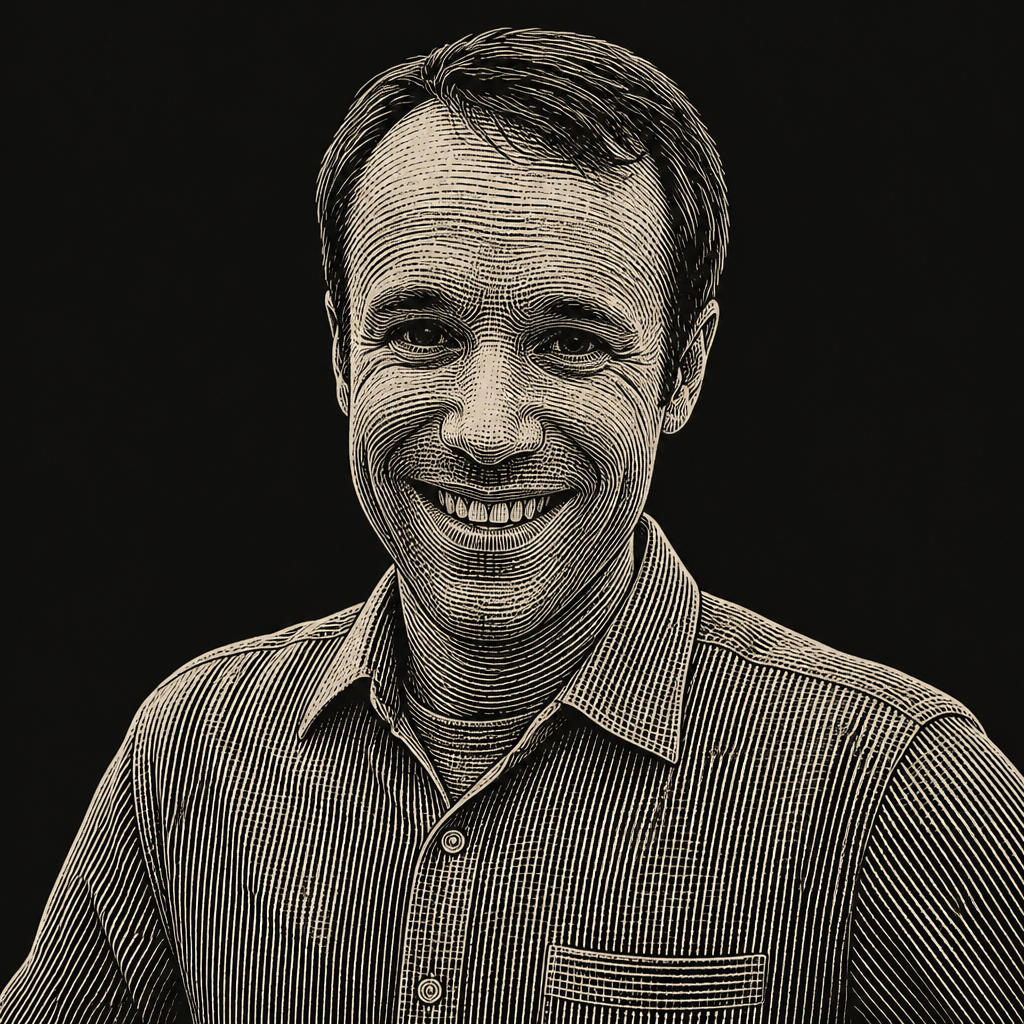
Stone’s version of the evidence is not simply that parents are happier in a static comparison. He says longitudinal data matters because it can track the same people before and after family formation. Happiness rises with engagement, then marriage “locks it in.” Cohabiting unions, by contrast, tend to return quickly to baseline if they do not become marriages. Married people, he says, tend to remain above baseline as long as the marriage remains intact; widowhood and divorce tend to return people to their premarital happiness level. He says he can demonstrate this pattern in three longitudinal surveys.
Having kids that you want to have, which is a big stipulation, unwanted kids, unintended kids is a different dynamic, but having kids you want to have increases happiness, um, in the most robust models we know of.
Simone Collins rejects the unqualified version of that claim, especially for women with very young children. She says women take a short-term happiness hit when they have children in diapers, particularly in countries with less social support. In her description, the United States is a place where women, especially middle-class or higher-income women, are “not really getting a lot of help.” She accepts that happiness may rise over the long run, but says the debate is too focused on hedonistic happiness in the first place. Meaning, rather than momentary affect, should be treated as the more serious measure.
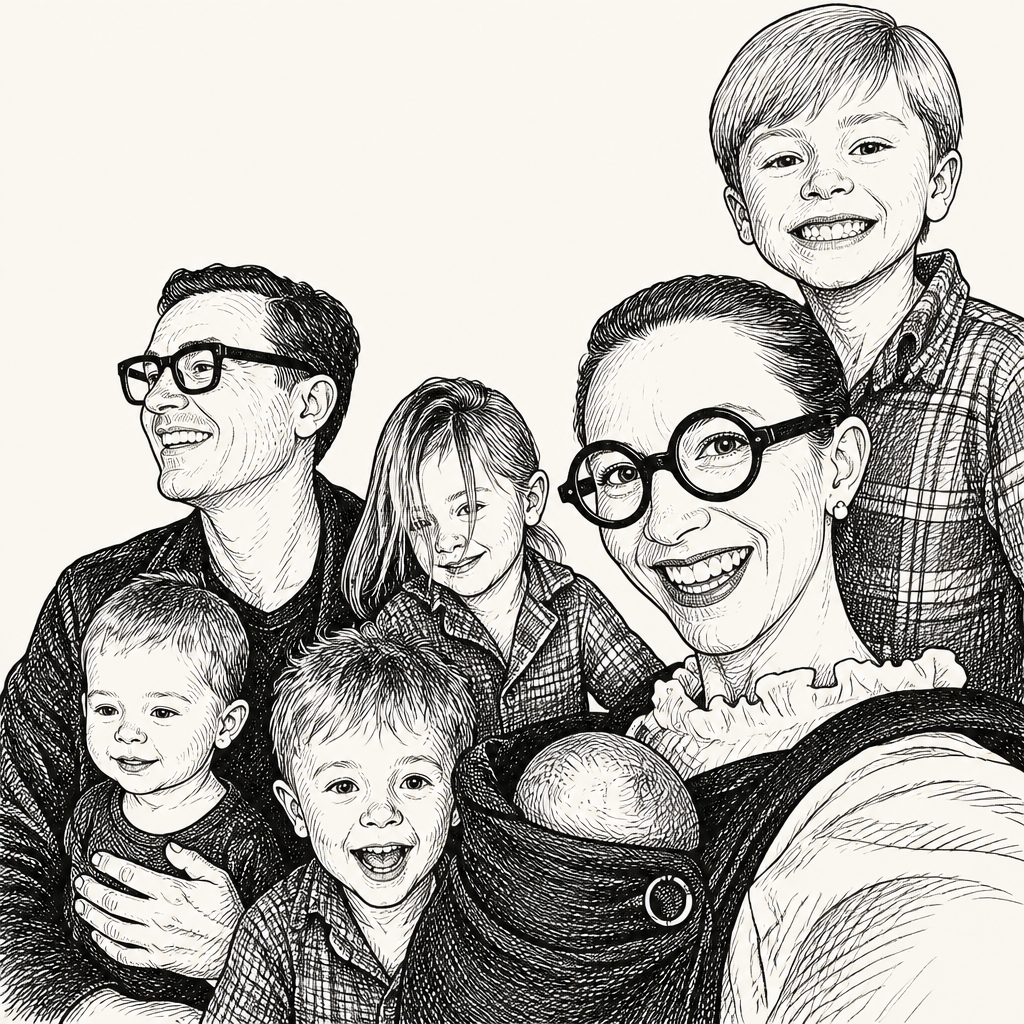
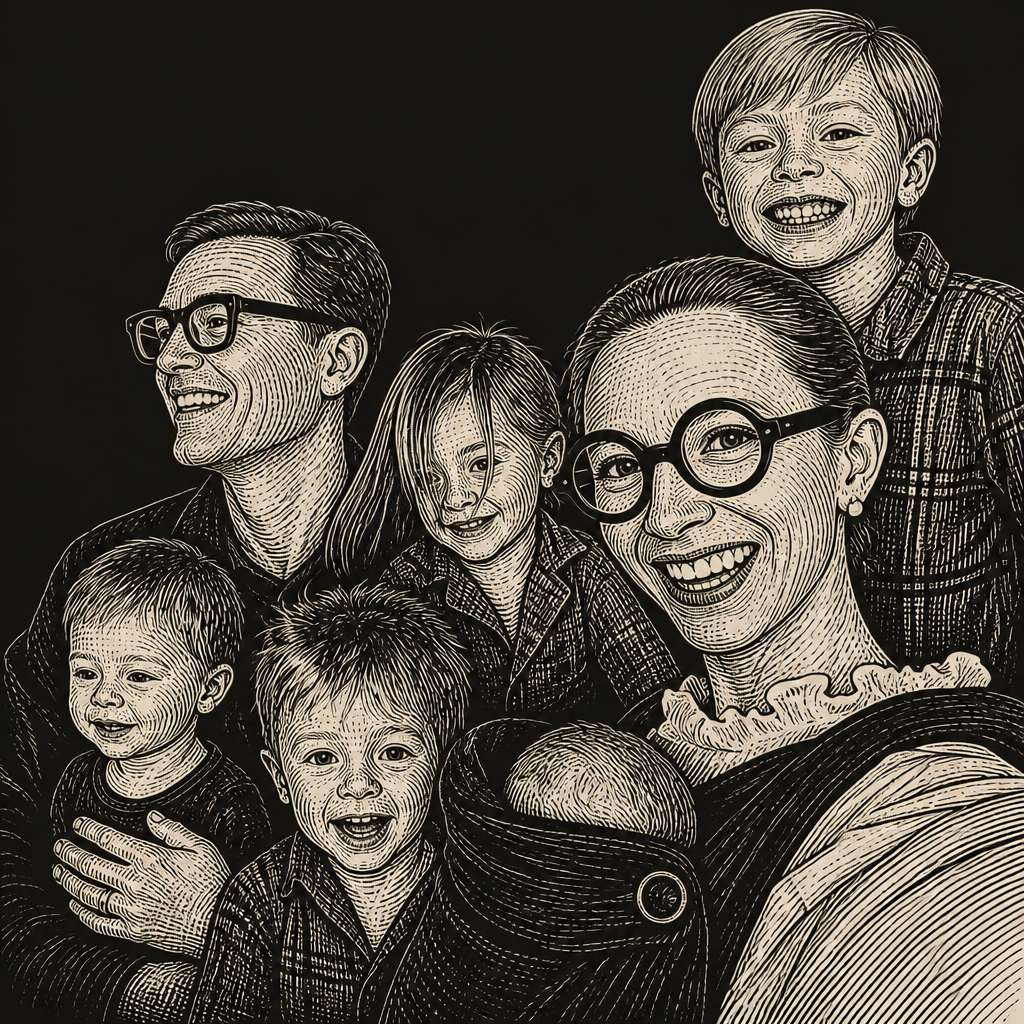
Stone agrees on that point. Meaningfulness, he says, is more important than happiness.
Averages hide the difference between not wanting children and missing a wanted family
Stephen Shaw says broad averages about childless women blur two very different populations: people who never wanted children and people who wanted a family but did not have one. In making the Birthgap documentary, Shaw says he interviewed several women in their 40s and 50s who had never wanted children and were “completely happy.” For him, those women should not be treated as evidence about people who postponed family formation and later found themselves childless.

Stone’s emphasis on “wanted children” fits that distinction. Shaw says the people who never wanted children may be almost binary in their preference: they did not want children, and they are happy without them. But that does not describe those who expected eventually to have a family.
Chris Williamson gives the starkest formulation of the missed-family concern. He says roughly 90% of women want children; among childless women who reach the end of their reproductive years, about four in five say they wanted children. He breaks that into a rough taxonomy: 10% cannot have children, 10% do not want children, and 80% wanted children but did not have them. Stone asks whether the data is still correct; Shaw says yes.


For Williamson, that creates a duty similar to other forms of public guidance. Society tells people smoking is bad for them, that they should moderate alcohol, and that they should sleep seven to eight hours a night. He argues that people in an “information desert” around fertility and family formation deserve analogous help before the window closes.
Shaw says that even if declining fertility were partly solved by larger families among people who do become parents, the persistent group of people who dreamed of having families and ended up childless for life would remain “a major crisis.”
Collins disputes the premise that the constraint is usually external. “They don’t want it bad enough,” she says. She cites her own compressed account: she describes herself as “super infertile,” says she has five children, and says she and her husband “made it work,” including sleeping on a mattress on the floor for a year to do IVF. Stone objects that she had someone to do that with. Collins answers that people can do it alone.
Stone’s disagreement is not that single parenthood is impossible. It is that people do not merely want children in the abstract; they often want a particular kind of family. “Some people’s version of family they want is not something you can just take,” he says. Collins answers that they can “go out and get it.” Stone does not accept that framing.
The proposed fixes range from matchmaking to arranged marriage
Simone Collins treats broken dating markets as a practical problem rather than only a cultural diagnosis. She says the swipe-based model cannot be fixed, so older forms of family involvement in matching need to return. She says she and her husband have an index of other parents whose children are close in age, and describes her new way of “skeezing on people” as telling them she wants their children to intermarry. Her prescription is that parents used to play a major role in matchmaking, and some version of that should come back.
Lyman Stone says matchmaking is “totally coming back.” Collins goes further, saying Zoomers ask where they can sign up for arranged marriage groups. Stephen Shaw interjects that his version is “church.” Collins agrees that church matters and adds that Catholic and other religious colleges are becoming especially attractive places to find a spouse.
Her broader argument is that demographic decline should be treated less like a topic for rumination and more like a problem requiring household-level and institutional planning. She compares it to planning for sea-level change: migration, insurance markets, regulation, and coastal relocation. In the fertility case, she says people need to manage declining birth rates at both micro and macro levels, including through measures that may sound radical.
No more performative pronatalism, actual pronatalism.
Collins describes demographic collapse in severe terms: cities crumbling, pension funds falling apart, and mass death. Stone qualifies that claim geographically. He says industrialized countries probably have social support systems strong enough that most older people will “kind of get through.” The places he worries about most are countries with very low fertility and insufficient fiscal or health-system capacity to support the old, citing Thailand, India, and increasingly African countries. In those settings, he says, the death toll could become “apocalyptic.”
Shaw agrees that Thailand faces extraordinary old-age loneliness and challenges, and says India’s aging population two or three decades from now is a humanitarian crisis and “ticking time bomb” that few are thinking about.
The happiness standard breaks down when suffering becomes the issue
The distinction between happiness and meaning does not stay confined to parenthood. It reappears when Collins applies a technological and utilitarian frame to people who do not create families. She says a hedonistic, single, childless life can be “perfectly fun” and should be designed around. In a post-AGI world, she argues, AI may compensate for loneliness and lack of happiness: fake families, fake realities, and “pleasure pods” could let people die happy. She says she wants them to be happy and is trying to build tools that make that possible.
Chris Williamson challenges the tone, saying he hears “a note of glee.” Collins replies that unhappy people are disruptive and that their cries are annoying. She then says she supports euthanasia, calling Canada’s MAID policy “the smartest thing Canada ever did” and predicting it will be part of the solution to future health care.
Williamson says he thinks that is terrible. Shaw warns that it creates a society in which younger people look at older people and ask why they are still here, citing young people in Japan as an example. Collins replies that Japan needs MAID.
Lyman Stone does not defend euthanasia, but he identifies a contradiction. Collins had argued earlier that happiness should not be prioritized too highly and that meaning matters more. But when discussing euthanasia, he says, she shifts toward the premise that people should not be unhappy. Stone rejects that as the governing standard. Old, suffering, and unhappy people are not a problem merely because they suffer, he argues. The worth of human life is not the balance of suffering against pleasure.
What truly makes human lives worthwhile is not the quotient of their suffering or the number of their utils. It is meaningfulness and it is the things that they build of benefit for others.
Collins answers with the harshest version of her view: “Let the ones who lack meaning get out of the way.” She adds that she would die by her own hand if she lived long enough to no longer be useful.
The relevance to the children-and-happiness dispute is that “happiness” proves unstable as the standard. Stone and Collins both resist simple hedonism when the question is whether children are worth having. Stone carries that resistance into old age and suffering: meaningfulness remains central even when life is painful. Collins treats usefulness and chosen exit as part of the moral architecture. Shaw and Williamson worry about the social consequences when societies normalize that stance, especially amid aging populations and widespread unwanted childlessness.