Sam Sulek Says Training Effort Matters More Than Endless Exercise Research
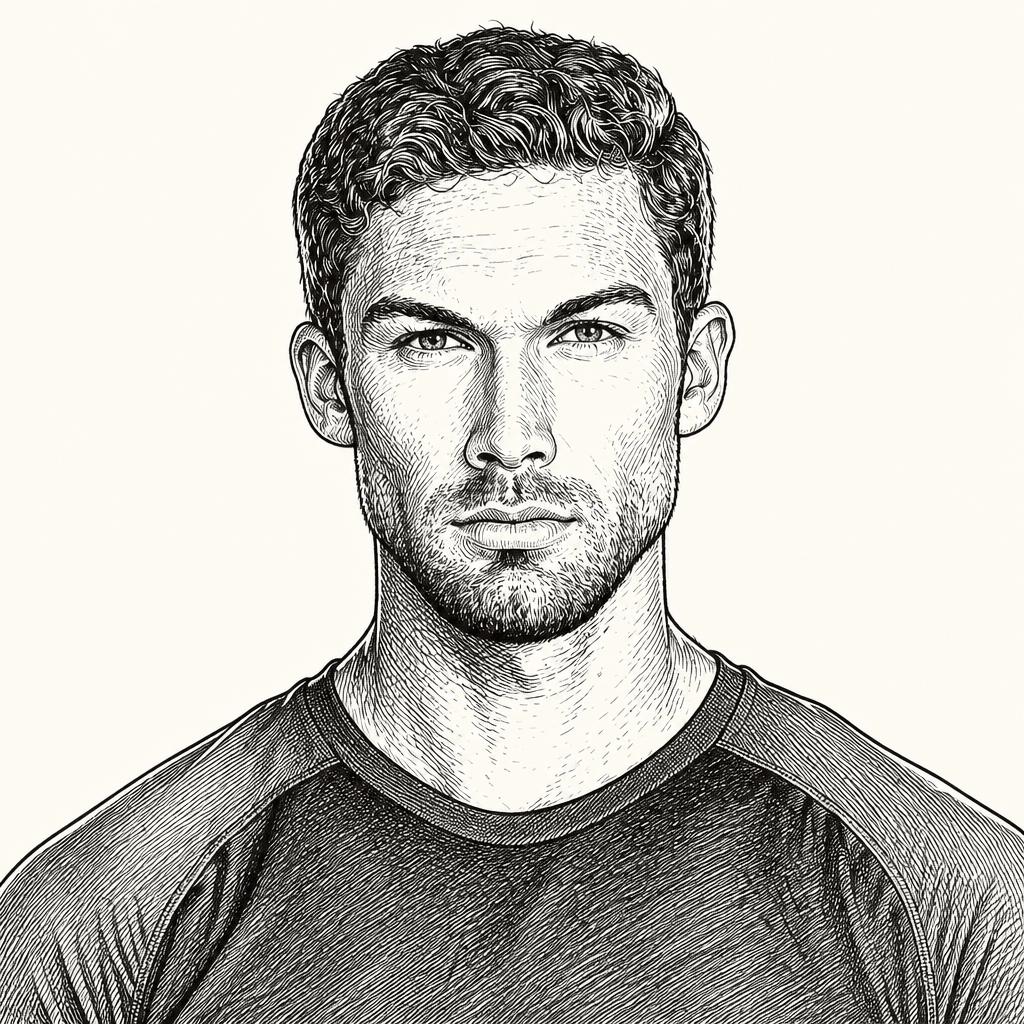
Sam Sulek argues that exercise science can inform training without dictating it: research findings may be interesting, he says, but may not apply directly to committed lifters or matter as much in practice as showing up and working hard. In his discussion with Chris Williamson, Sulek extends that preference for fundamentals to food, favoring simple meals that suit his own goals over elaborate routines or presentation.

Research can inform training without replacing it
Sam Sulek is wary of treating exercise-science findings as direct instructions for everyone who wants to train hard. The people in studies, he argues, may not resemble the people most invested in applying them. He sketches the “regular guy” as relatively inactive, with a daily intake of around 2,000 calories and 50 grams of protein, and says findings from that population may not transfer neatly to committed lifters.
That is not a dismissal of research. Sulek distinguishes its intellectual value from its practical value: a finding can be interesting without being the thing that most improves someone’s training. In his view, going to the gym and working harder can be more useful than staying home to read another book about training.
His protein-bar example is deliberately uncertain. Sulek refers to an ingredient he associates with David bars, but says he does not know the specifics. He suggests it may have something to do with feeling fuller or with calories, then makes clear that the idea is not a complete strategy: even if the detail is interesting, eating 30 bars a day is not the answer to getting lean.
Chris Williamson compares this to a broader backlash against over-optimization: the urge to perfect every routine, from nutrition to sleep, until ordinary life feels like homework. Williamson says the volume of information people consume through social media and AI, alongside uncertainty about work and the future, can make people feel burdened. In that context, he suggests that durable principles may be more useful than a collection of highly specific tactics.
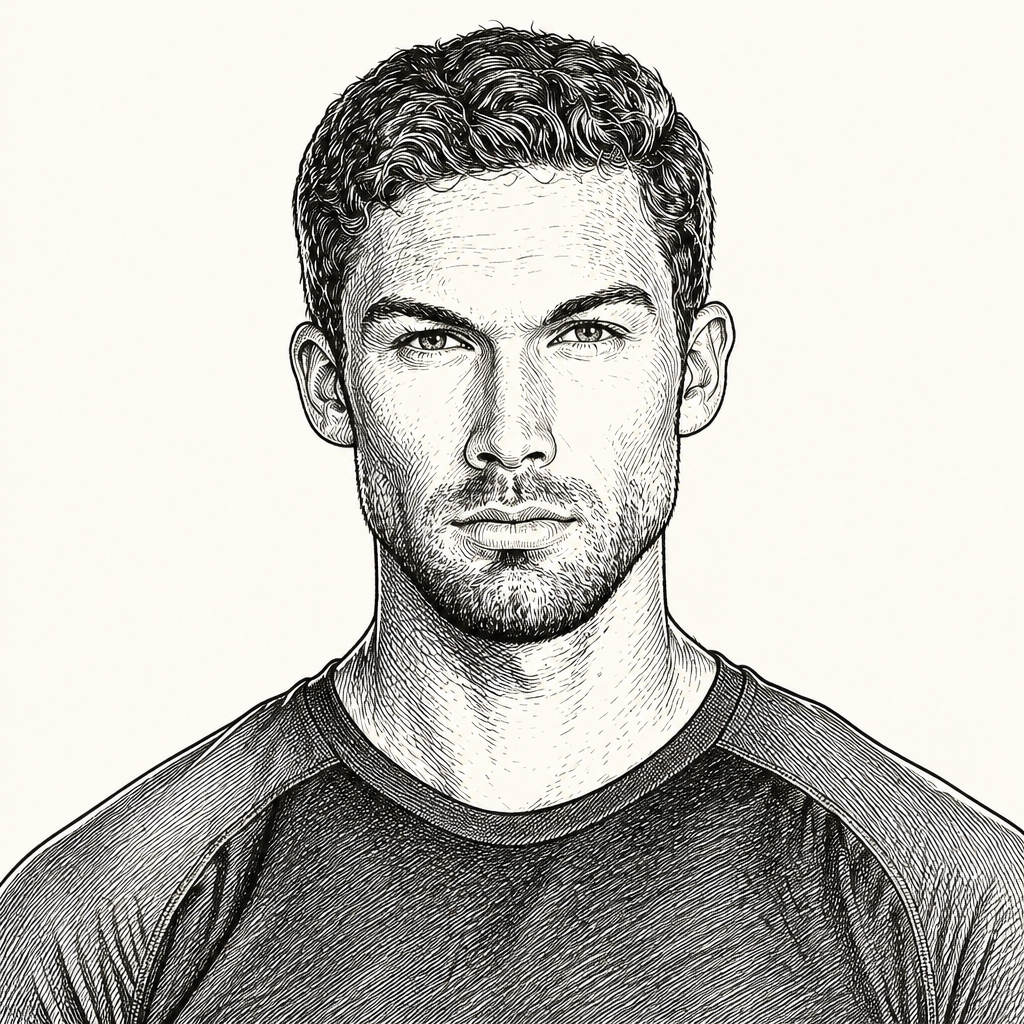

His sleep example makes the distinction concrete. Trying to get enough sleep and going to bed when tired are broad principles; keeping a room cool, dark and quiet can support them. A rigid routine, by contrast, can be fragile if it only works under ideal conditions. Sulek agrees with the comparison and pushes that fragility to an absurd extreme: someone whose house is burning down but refuses to call for help because the phone emits blue light and it is time to sleep.
Food that works need not be made for the camera
Sulek’s standard for food is practical and personal, not a claim that one menu is best for everyone. He describes a day of eating built around egg whites and rice, chicken pot pie casserole, steak and rice cakes—foods he considers effective for his own goals. He calls beef, chicken, dairy, eggs and fish high-quality protein sources, and says he does not count the protein in rice. He is explicit that his choices make sense for him, not necessarily for someone else.
That contrasts with food content designed to look polished: avocado toast arranged just so, finished with imported salt, and presented as a daily ritual. Sulek says that kind of content can be fun to look at, but does not necessarily reflect how people actually eat. A commenter on one of his videos, after seeing years of avocado-toast videos, thanked him for emphasizing basics: get enough protein, get however many carbohydrates you need, and do not eat too much fat.
For Sulek, a straightforward meal can have more than one source of satisfaction. It can taste good and leave someone full; for a person eating toward a goal, it can also be satisfying because it fits the plan. He contrasts that with treating food only as a chance to “treat yourself” with something like Cane’s.
Convenience helps make the basics repeatable
“Boy kibble,” as Sulek describes it, is a bowl of meat with rice or potatoes and sauce, sometimes with vegetables on the side. The exchange situates it as a social-media food trend, alongside the phrase “girl dinner.” Sulek’s example is less about a special diet than about a meal that can be assembled from a carbohydrate, a protein and a vegetable or sauce. Williamson recalls eating from one favorite bowl for years; Sulek jokes that someone making such a bowl probably knows its protein, carbohydrate and fat content.
The exchange briefly turns to the bowl itself: it should be large enough to mix the food without spilling it. Williamson says his ideal bowl has high sides and is microwave-safe; Sulek describes needing one large enough to mix a meal without spilling. It is a small practical detail in their discussion of uncomplicated food.
Williamson also invokes a line he attributes to Rob Henderson: “Working class food tastes better than it looks, and upper class food looks better than it tastes.” A bowl of rice and steak may look like slop in a social-media post, while a carefully arranged meal photographs well. Sulek’s account puts appearance in perspective: the plain bowl can still taste good, leave someone full and provide the added satisfaction of serving their goals.