A Hypnotized Witness Identified a Stolen Police Car in an Assassination Probe
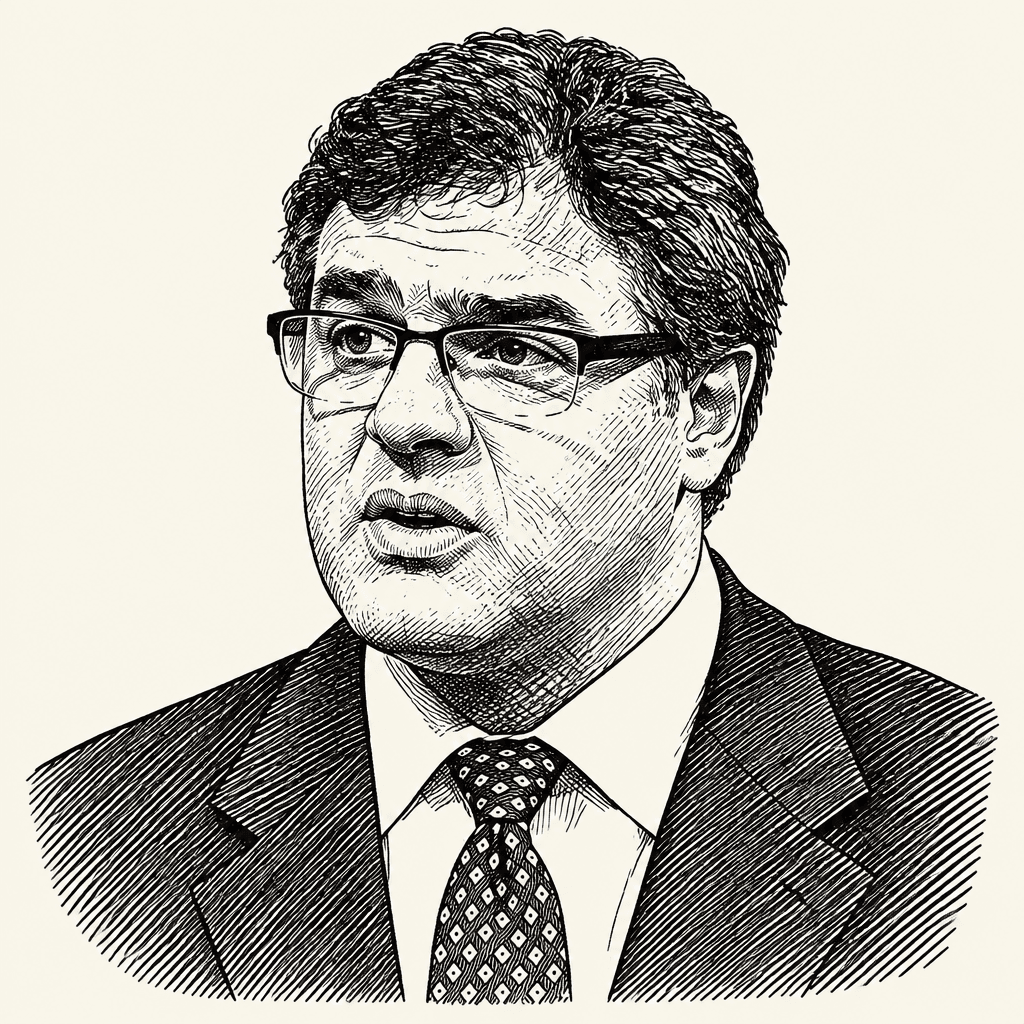

Former CIA officer John Kiriakou says the agency’s decades-long MKUltra program failed to produce a way to control or “brainwash” people, despite experiments that included dosing subjects with LSD. He distinguishes that failure from a hypnosis session he recounts in which a witness supplied a verified lead in the investigation of a 2000 assassination in Athens—though the man later proved unreliable. Kiriakou argues the session yielded useful information, not a dependable method for extracting intelligence.
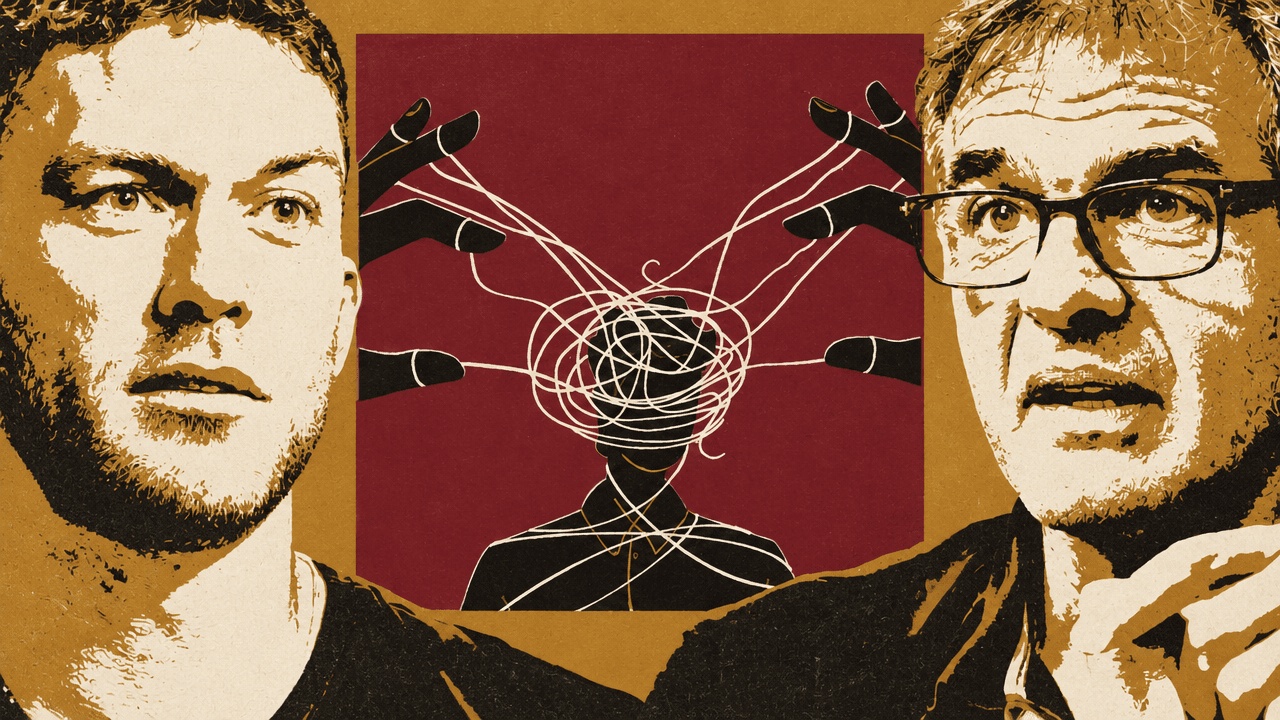
MKUltra pursued brainwashing, but Kiriakou says it failed
John Kiriakou says the CIA, KGB, China and North Korea worked on “brainwashing operations” from the early 1950s. But the fear that prompted the CIA’s best-known program rested, in his account, on a mistaken report.
A CIA source inside the Soviet Union told the agency that the KGB was developing a way to control someone remotely. The CIA panicked and decided it had to catch up. Kiriakou says there was no such KGB operation, though China had one. The CIA’s response was MKUltra, which ran from 1952 to 1975.
He calls the program a complete failure. Its experiments included dosing CIA employees and people in San Francisco with LSD, and releasing germs into the air to see who developed upper respiratory infections. Kiriakou also recounts a CIA officer breaking into a bakery in a French village and putting LSD in the flour. After villagers ate the bread, he says, everybody in the village went on an LSD trip; people jumped from roofs and balconies. The agency, Kiriakou says, had no useful answer to the question of what to do with the results.
When Chris Williamson asks whether MKUltra achieved anything despite the harm, Kiriakou answers:


Literally nothing.
Kiriakou says that at the 1975 Church Committee, Senator Church told the CIA director not to destroy the documents. The director went back to headquarters and told people to shred them. Fifteen percent survived, Kiriakou says: “That’s all we know.” He believes the agency tried to achieve brainwashing and failed, while noting that most of the program’s records did not survive.
Hypnosis produced a lead, not a reliable witness
Kiriakou is less categorical about what hypnosis might yield. He recounts an investigation following the April 2000 assassination of his next-door neighbor in Athens, British Defense Attaché Brigadier General Stephen Saunders. Months later, a man who had approached the U.S. embassy with information was brought back for an interview. An FBI agent had initially assessed him as a “nut” and sent him away, but her memo prompted Kiriakou and a colleague, both Greek speakers, to call him back. They thought he might have witnessed something relevant to the killing.
The man said he had stopped by a roadside chapel about 40 minutes after the assassination. A van and then a car pulled up. The van’s back doors opened, revealing a motorcycle. The man in the car asked the two men in the van, “Is he still alive?” One replied, “He should be dead by now.” One of the men in the van then handed a brown paper bag to the man in the car. Kiriakou wondered whether it might contain the murder weapon.
The witness was an uneducated farmer from central Greece whose poor grammar and limited answers made him difficult to question. At headquarters’ suggestion, the officers took him to a third country for a session with a psychologist and a psychiatrist, whom Kiriakou described as a certified hypnotist. The plan was to darken the room, relax the man, and count backward from ten.
As Kiriakou counted in Greek, the hypnotist asked the man to raise an arm. He did, and kept it raised for four and a half hours, Kiriakou says, without apparent muscle strain. Asked what he could see, the man described the van, two men, and the motorcycle. When asked for the van’s license plate, he appeared to read it. Kiriakou wrote down the number and passed it to his colleague, who called Athens to check it. The plate belonged to a stolen police car.
The witness later began inventing things in subsequent meetings because, Kiriakou says, he wanted to impress the officers. They eventually cut him off as unreliable. But Kiriakou says the initial session was different:
Everything that he said in that initial hypnosis session turned out to be true.
Possible utility does not remove the risk of manipulation
When Williamson asks whether new technology, substances or a more advanced understanding of human behavior might unlock new capacities, Kiriakou says “probably.” He does not claim that hypnosis or brainwashing can reliably produce intelligence. His narrower possibility is that brainwashing could yield something limited; if it could be harnessed and focused, he says, perhaps something useful could come of it.
That possibility is paired with a counterintelligence risk. Williamson raises the prospect that such methods could be used to sow discord, and Kiriakou agrees. His answer is not that the technique is dependable, but that agencies should expect adversaries to try to exploit it and should maintain strong counterintelligence. The distinction in his account is between a potentially limited use and the need to guard against an opponent using similar methods.