Fear Became the Force That Made Change Possible
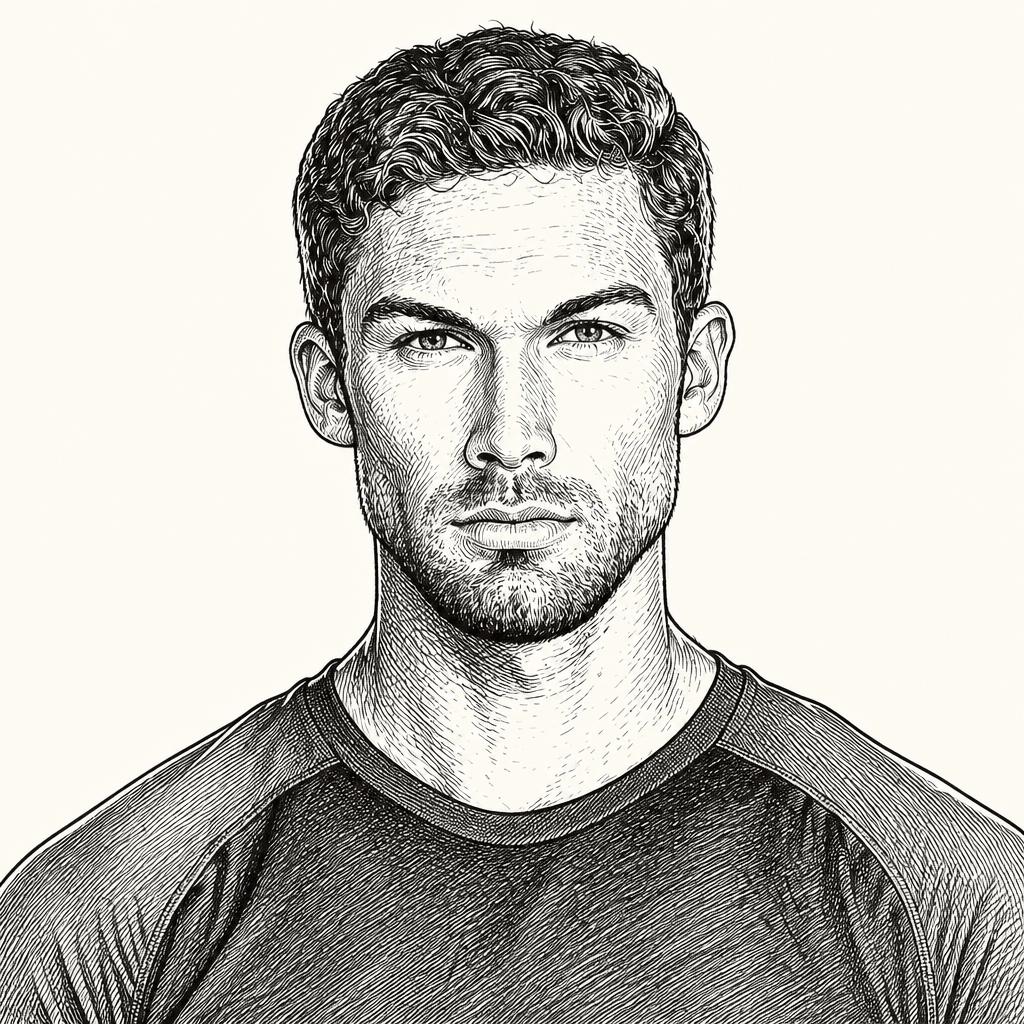
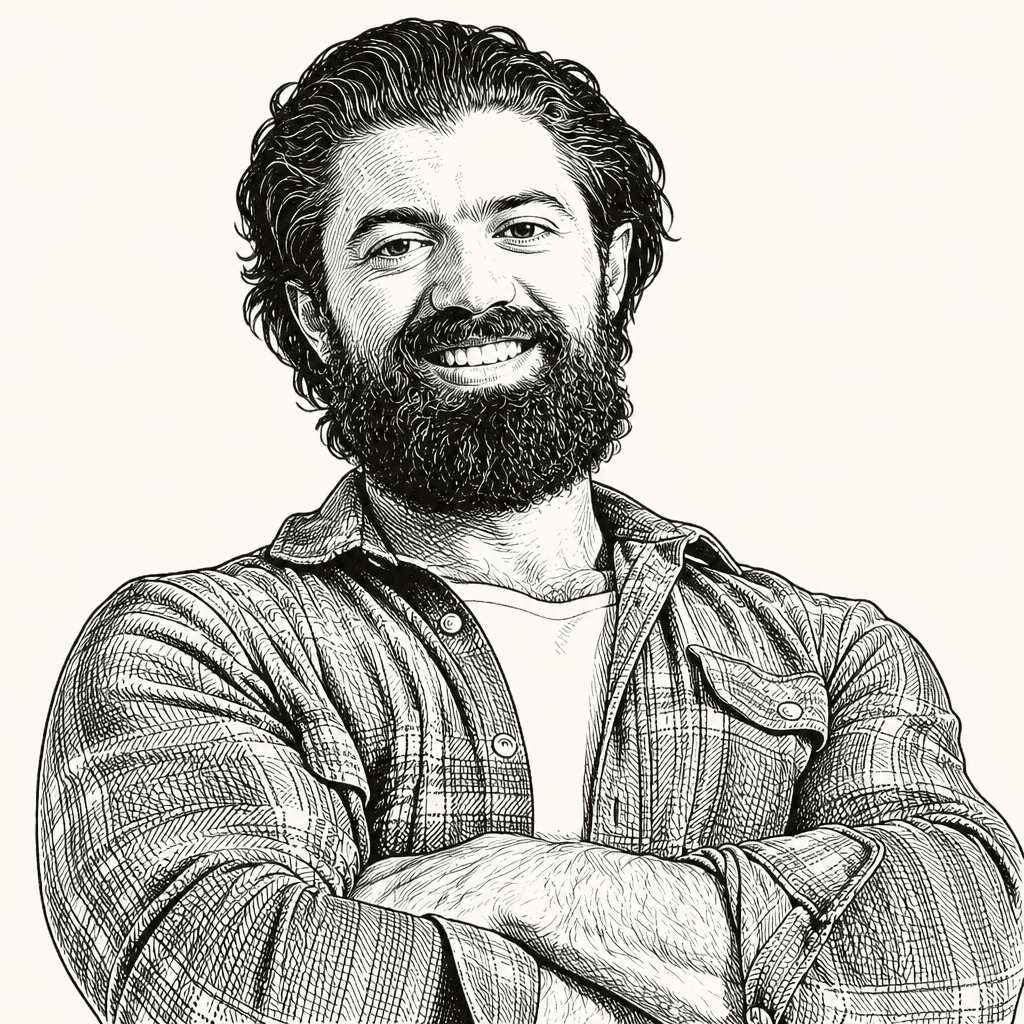
Alex Hormozi tells Chris Williamson that his life changed not because he stopped being afraid, but because he became more afraid of never trying than of failure, judgment or lost status. He frames change as a disruption of identity as much as circumstance: the person who lived for his father’s version of success had to “die” for another version to emerge. Hormozi extends the same tension to parenthood, saying he wants to pass on courage and high standards without turning his own model of success into another cage.
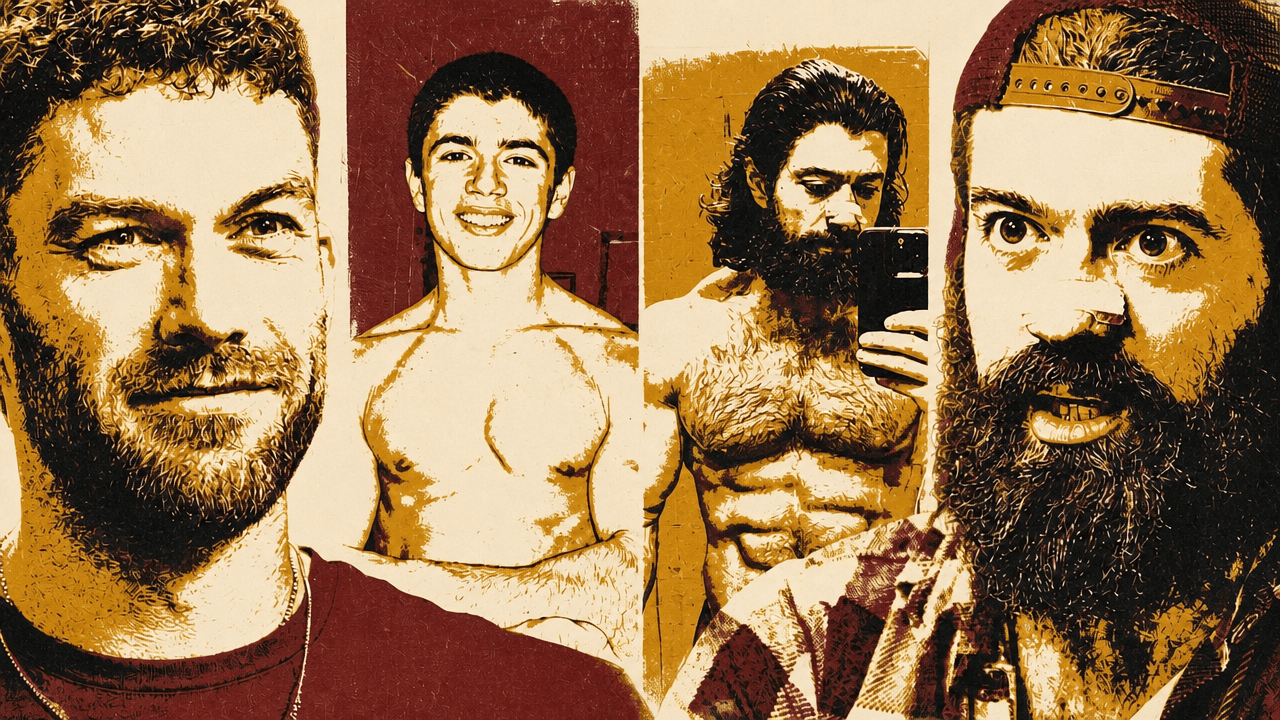
Fear did not disappear; it changed direction
Alex Hormozi describes change not as fearlessness, but as fear pointed at a different future. He was once more afraid of failure, judgment, and lost status than he was of remaining the same. The turn came when another fear became larger: looking back on his life and knowing he had never tried.
That sits inside a blunt theory of change. Chris Williamson says people expect to alter their “thinking environment” while keeping the same external environment, cues, and stimuli. Hormozi reduces it further: “You have to change to change.” If nothing changes, nothing will change.
The catalyst does not have to be chosen or positive. A breakup, a car accident, or another destabilizing event can create a short window before equilibrium returns. Hormozi calls this a “chaos variable”: familiar loops are disrupted, old assumptions collapse, and for a period the person can ask what else might be false, or possible.
Williamson quotes a line he attributes to Beauty of SaaS: after prolonged hardship and uncertainty, there can be a period of “quantum leaps” across multiple areas, provided the person does not give up on themselves. Hormozi compresses the point into a single image.
Failure and success are on the same road. It’s just that failure is an earlier exit.
Endurance, in his account, becomes a question of self-narrative. People are constantly deciding what kind of person they are when they face hard choices. Hormozi says the identity he wants to be able to claim is that of “a fighter”: someone willing to fight for what he wants and believes in. If he could transfer one trait, he says, it would be courage.
Achievement can be fear in respectable clothing
Alex Hormozi does not present his early adulthood as hidden confidence waiting to emerge. At Vanderbilt, he was a strong student, vice president of the powerlifting team, president of his fraternity, had a 3.8 GPA, and graduated in three years. But he says he was so afraid of not getting a job that he accepted the first offer he received, through an introduction from his father.
He notes that some people might call that nepotism, then adds that “it wasn’t a great job.” The point is not that the offer proved anything about him. It is that the decision came from fear. He “was not the type of person” then who would do the kinds of things he does now.
Hormozi says he has blocked much of that period out because it was painful. He returns to it because he imagines someone else in a similar chapter wondering whether they are alone or insane. His answer is that they are not. People cannot compare themselves to others in different chapters of life; they can only believe in incremental change, “one behavior at a time,” long enough for those behaviors to stack.
The memory carries what he calls a mixture of pity and pride toward his younger self. He is proud he made it through, but pities how much pain it took to make the jump.
I was so driven by fear. I was so afraid of everything.
The fears were specific: other people’s opinions, failure, being laughed at, his father’s judgment. The word he most did not want attached to him was “cowardly,” because, in his view, he had behaved like a coward. The flip came from using fear against something larger. The future in which he never tried felt more empty and more terrifying than the practical consequences of failing.
From the outside, those consequences can sound manageable: sleeping on a friend’s couch, embarrassment, starting over. At the time, they felt total. They meant risking the status he had accumulated through grades, roles, approval, and a respectable job “on paper.”
Hormozi does not tell people to eliminate fear. He says anger, shame, and fear can become fuel if they are placed “behind you” rather than left in front of you. The task is to run harder away from the future your current path is producing than away from the short-term discomfort of changing direction.
Hormozi reaches for an image: a person with an enemy in front and a whip behind. The direction they face reveals which one they fear less. If the current path leads somewhere intolerable, the felt pain of that future has to become strong enough to push them forward.
The sacrifice was not just a job; it was an identity
Chris Williamson compares Hormozi’s point to a line from Succession, where Tom asks whether the pain of being without his wife would be less than the pain of staying with her. Hormozi says that is exactly the trade-off. Williamson then challenges his word choice. What Hormozi calls pity, Williamson says, sounds closer to grief — as if someone nearly died, or did die, or suffered more than they deserved.
Alex Hormozi accepts the framing. “That person totally died,” he says. More precisely, “the boy” he had been died: the version of himself living up to his father’s expectations. He does not describe his father as malicious; he says they are now “cool” and “great.” But for a season, the identity he had to sacrifice was the son whose life satisfied his father’s model of success.
I had achieved the dreams that I had as a younger man, and in so doing, it had become my nightmare.
That is the personal meaning he gives to three principles Williamson references: no one is coming to save you, everything is your fault, and you have to sacrifice who you are for who you want to become. The third one is especially real for him. Someone’s dreams will die, he says — yours or theirs. The practical question is whether the person dreaming for you has bigger dreams for your life than you do.
This is where Hormozi separates good intentions from good direction. People who love you may be practical, realistic, and protective. But if their dreams for your life are smaller than your own, he says, you should listen to yourself rather than them.
The risk is building a new cage for someone else
Hormozi rejected his father’s story of success “slowly but loudly,” in Williamson’s phrase. Now that he is about to have a child, Chris Williamson asks how certain he can be that his own story of success will not become another cage.
Alex Hormozi says he thinks about this often. By the time his child has memory, he says, “he will be the son of a billionaire.” Hormozi calls that “a lot” and, in some ways, something he would not wish on anyone. He does not resolve the tension, saying it brings its own “thought circles” that he does not get into.
What he can name is the direction of influence he intends to exert. He wants to focus his son on courage and on “leaving nothing on the field.” He will care endlessly about effort and very little about outcomes, assuming his son controlled what he could control. He will also hold an “incredibly high standard,” because he respects the child, believes in him, and believes he has the potential to meet it.
The unresolved part is definitional. Hormozi has not fully defined what a successful parent or a successful child looks like. If a successful parent is measured by the child’s output, then many people with “pretty tough parents” have turned out well; that still does not prove the parenting was good. If a successful child is one who is happy, he tends to reject that definition. He would probably prefer purpose, because happiness can be fleeting while purpose tends to last longer.
At the root, he returns to character, which he defines as “huge sets of behaviors.” He wants his son to be brave and to try hard. If he does that, he will be good enough for him regardless of outcome. His commitment is not a finished parenting doctrine: given the resources he has, he says he will do the best he can to give his child “the maximum possibility of achieving what he wants.”