A Childhood Stabbing Kept Fear Alive for Three Years

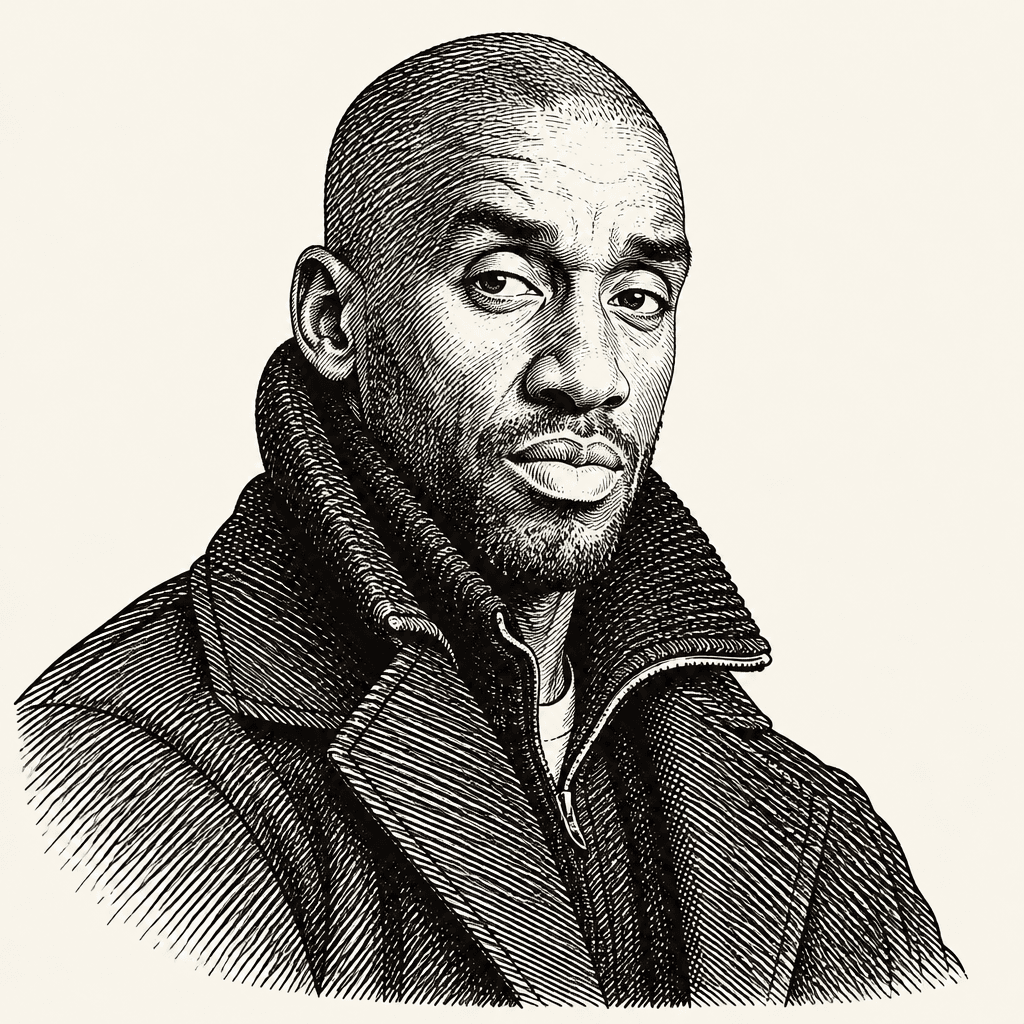
Rapper Bugzy Malone says being stabbed with a screwdriver at 11 left him afraid to leave the house, a fear he carried for years before deciding to confront the boy who attacked him. Speaking with Chris Williamson, Malone describes how that experience shaped his view that fear sometimes has to be faced, though not every fight must happen immediately. He also reflects on progress that can be hard to see and on pursuing acting alongside music.

Fear can keep an injury alive
At 11, Bugzy Malone was stabbed in the leg with a screwdriver. He went home and hid the injury from his mother. There was a lot of blood, he said, and holes in his trousers.
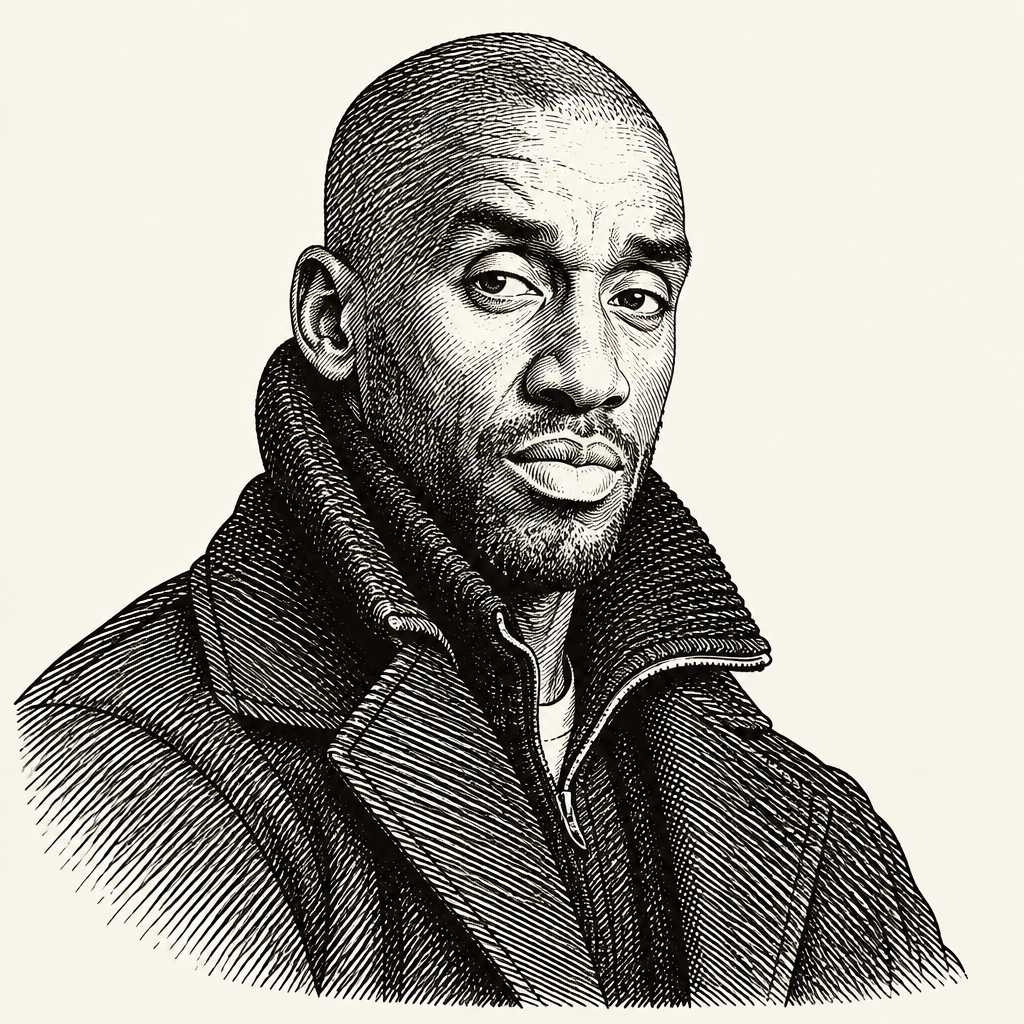
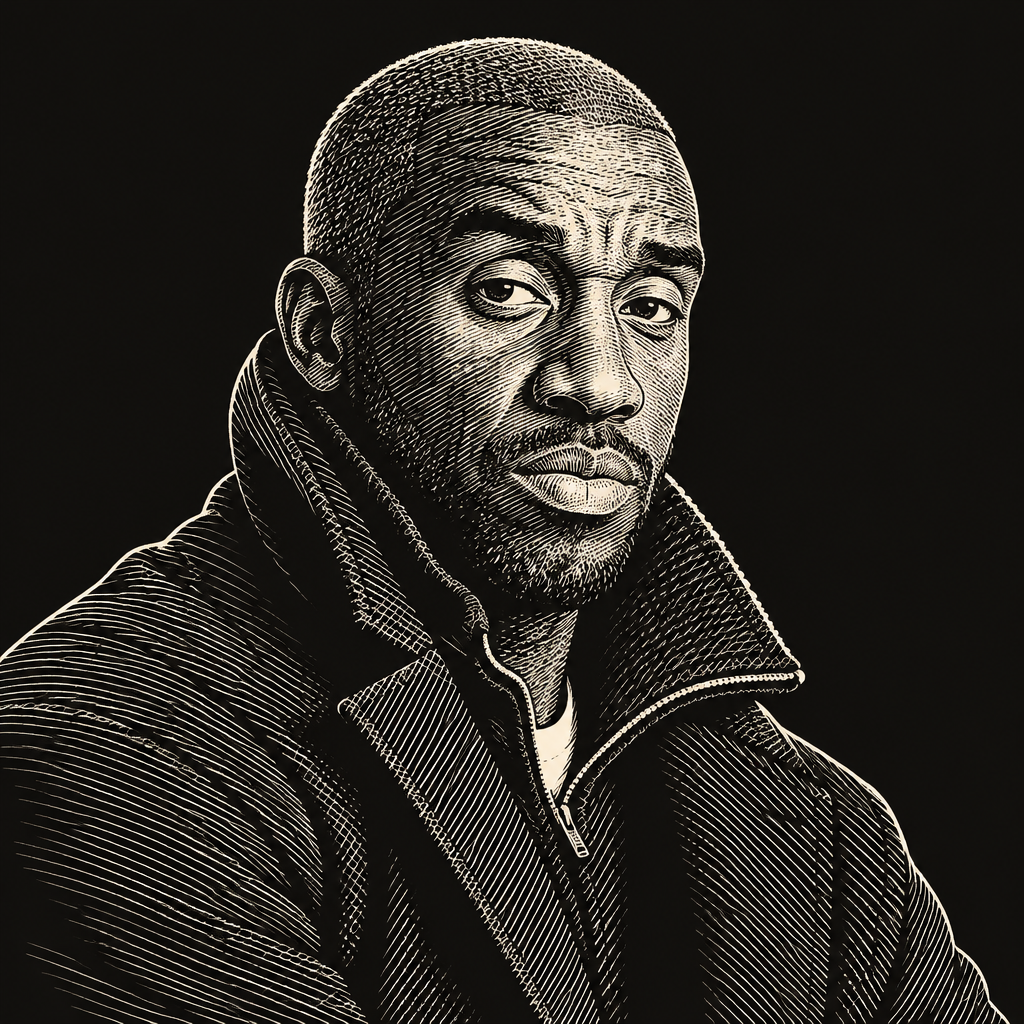
Afterward, he was afraid to go out. When the school holidays came, he wanted to stay inside while his friends went out to play. For about three years, he carried the fear of that situation, along with the pain and embarrassment of what had happened in front of the people who had invited him out. They had picked up his bike and smashed it; some of them were girls.
Malone says he ran from those feelings until he reached a dark place, where he had suicidal thoughts and made a couple of attempts. He was young, he said, and did not manage to go through with them. Eventually, he decided he had to face the fear. He went to the other boy’s estate and fought him. Malone says he won.
That experience shaped his understanding of fear, but he does not describe it as something he has simply conquered. Sometimes fear still wins; sometimes he is not ready for a particular fight. Some fights, he says, can wait; others are imminent and have to be faced.
You can hide for as long as you want but at some point you've got to come out of the house.
Malone’s account connects facing fear with ending a period of hiding. He says that, often, he now goes and gets it done—but not every fight has to happen immediately.
Progress may be invisible while it is happening
Chris Williamson asks Malone what he means when he says progress is irreversible and that the universe will pay people back for hard work. Malone answers with the image of a seed growing beneath the soil. From above ground, there may be no sign of change, but the seed has started to sprout. The difficult stretch, he says, is believing progress is being made when nothing seems to be happening.


He connects that idea to his own career. His album Make It Maintain It is, he says, “part one” because he expects to make a second part. By then, he may no longer be interested in being a rapper or selling albums.
On the day before the album’s release, Williamson notes that Malone has barely promoted it and is in London for another project. Malone confirms he is interested in diversifying. He says he has transferable skills and is interested in acting as a field to move into. The album is one part of his work, not the only direction he is pursuing.
Acting is a direction, not a finished departure
Malone says the project he is working on is The Gentlemen series 3, with Guy Ritchie. He calls it an exciting prospect, in part because Ritchie’s films caught his attention before Malone entered the media. Williamson notes that Malone will be the only actor from the Gentlemen film to appear in the series; Malone calls that a privilege.
Malone describes rap as a young man’s sport, associated with “the come up” and the transcendence of dysfunction. He says that after that, a person can hang around too long. His interest in acting reflects his sense that skills from music may apply in other worlds; he does not present it as a completed break from rap.
He also offers a tentative view of Ritchie’s career, while stressing that he has not discussed it with him. Drawing on his own experience in music, Malone says early releases can come with a freedom that later work may lose as responsibility and fame arrive. Artists may start catering to their audience or think they are smarter than they are. He says this can lead to work that is still solid but does not fully represent the artist.
From what he has seen of Ritchie’s work, Malone thinks he is getting better and has not peaked. That judgment is his own reading, offered by comparison with the changes he has observed in his experience of music.