How Competition and Warfare Shaped Human Evolution
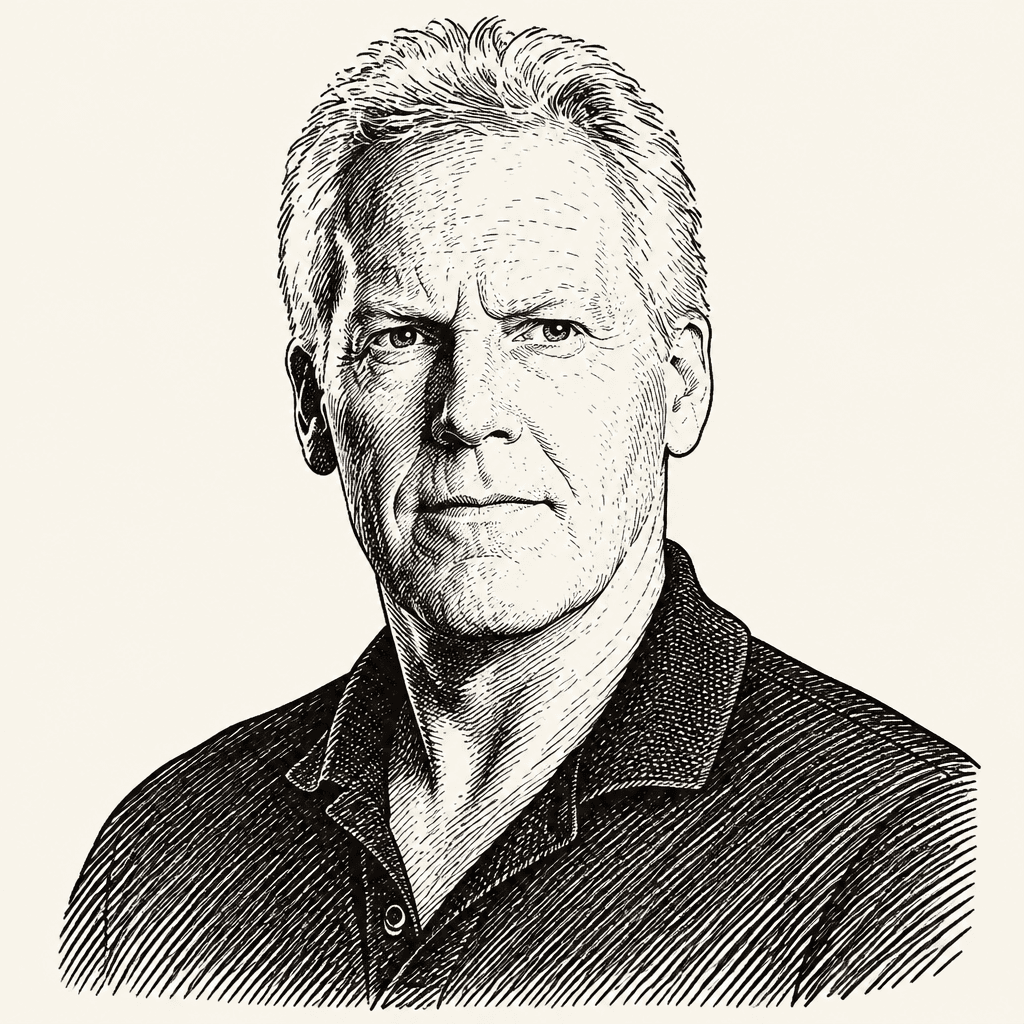

Evolutionary psychologist David Geary argues that human intelligence and large-scale cooperation developed alongside competition between groups, with technology helping communities gain resources and organize—and intensifying conflict over territory and survival. He reads the sharp loss of male lineages around 5,000 to 7,000 years ago as evidence of organized violence against men, and links that history to enduring differences in how men and women compete for status and influence.

Competition linked technological change to the growth of human groups
David Geary begins with a broad puzzle: humans are unusually capable of learning things that do not appear to be immediately given by instinct, from reading and writing to mathematics. He also points to humans’ developed self-awareness and social abilities. His explanation ties those capacities to a long history in which technology, population growth and competition between groups reinforced one another.
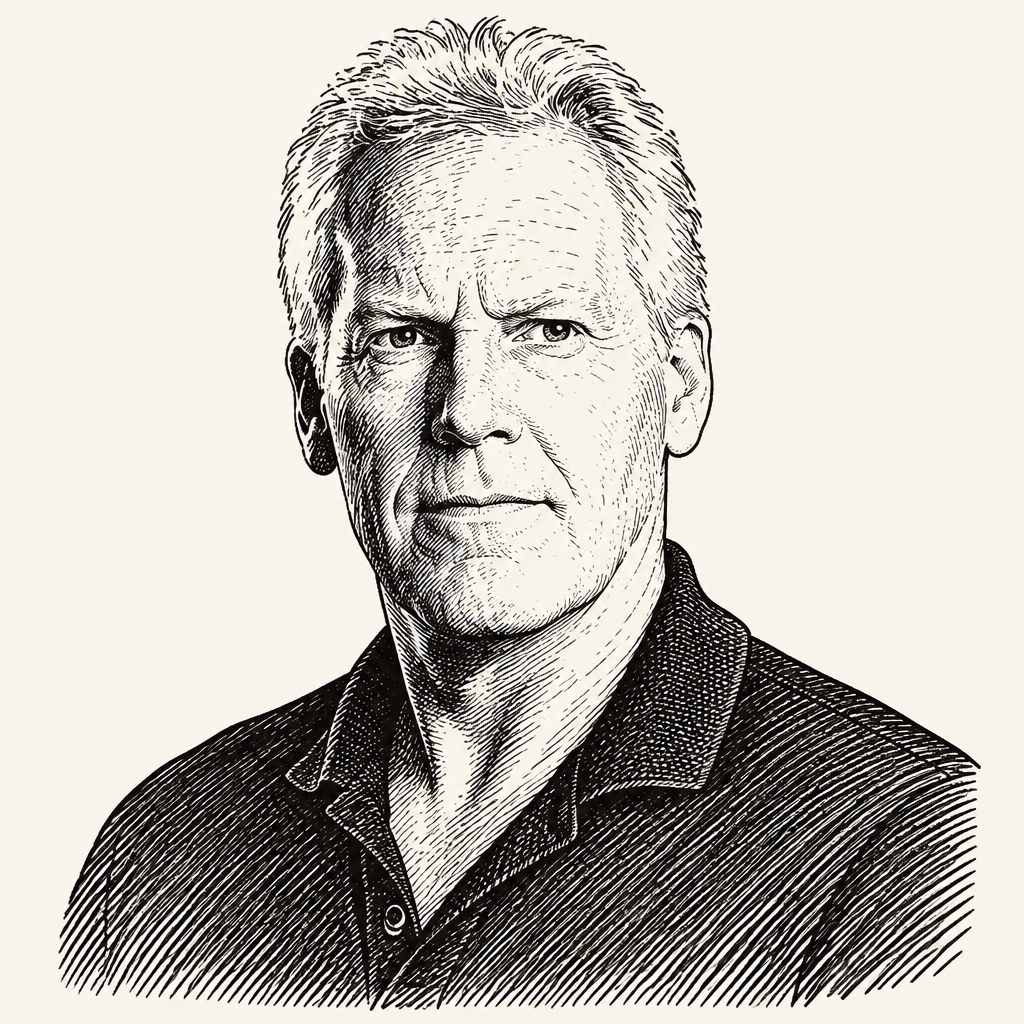

Geary traces the history back four or five million years, to the Australopithecines. Their brains were somewhat larger than chimpanzees’, and brain volume increased gradually over the several million years those species existed. Several Australopithecine species appeared, alongside the related genus Paranthropus. Geary suggests that the variety mattered: species living in different ecologies created more opportunities for one lineage to diverge from the others.
A more pronounced change came with Homo habilis, a little over two million years ago. Geary points to a jump in brain volume and possible reorganization in the parietal cortex, which is involved in working memory and tool construction. He sees a further important shift with Homo erectus, around 1.8 to 1.9 million years ago: larger bodies, additional brain expansion and greater development in areas involved in making tools.
In Geary’s account, the significance of these changes is not just that individuals could make more sophisticated tools. Tools helped groups extract more resources from their surroundings, hunt more effectively and expand into new territories. Cooking, which emerged later, added to the calories available. If a group could obtain more calories, Geary argues, mortality could fall and its population could grow.
That growth brought a new pressure. More people meant fewer resources per person, and groups could face competition both within their own community and with others. One response was to move into another group’s territory. Geary connects Homo erectus’s expansion with archaeological indications of increased violence between groups. He also notes a broader pattern in the fossil record: where more Homo species occupied an area, the probability that one or more would go extinct was higher. He sees technology as a source of advantage that could also intensify competition, including competition between human species.
Geary’s account makes social organization part of the same process. He argues that males who remained in their birth groups had more opportunities to form coalitions with male relatives. In humans, chimpanzees and bonobos, he says, males tend to stay in their birth group while females migrate out, reducing the risk of inbreeding. A group of related males could coordinate collective action more readily, in his view. Some tools helped with hunting and other work, but Geary says many were also weapons. Better organization and technology could help a group expand; expansion increased competition and the incentive to coordinate.
He proposes that male kin-based coalitions were an early form of this organization. As groups grew, he argues, coalitions could extend beyond close relatives through shared language, and later through religion or other ideologies. That is a proposed progression in his account: forms of shared identity made it possible for people to organize at larger scales than kinship alone allowed.
The pattern, Geary says, continued as humans spread beyond Africa. He describes early attempts by humans to expand out of Africa that did not succeed, possibly because Neanderthals held them in check. Later, humans moved into Eurasia around 60,000 years ago. Geary reads the archaeological record as showing both interbreeding with Neanderthals and violence. More generally, he emphasizes that population change could involve a mixture of interbreeding and replacement, rather than one uniform process in which a group either absorbed or entirely erased another.
He uses the Yamnaya as an example. Geary describes them as a nomadic pastoralist group from the Caucasus, equipped with wagons, horses and weapons, that moved into Central and then Northern Europe. He says they displaced hunter-gatherer groups while also reproducing with some women. The case illustrates the combination he has in mind: incorporation of some people alongside the removal of other populations, with technological and organizational advantages shaping the outcome.
Geary interprets the loss of male lineages as organized violence
The genetic pattern Geary discusses is not a count of the number of men and women alive at a particular moment. It concerns the representation of male and female lines among later descendants. Y chromosomes pass from father to son, while mitochondrial DNA tracks maternal lines. Geary says that around five to seven thousand years ago, male lineage diversity fell sharply in many parts of the world. At one point, he describes the pattern as 17 female relatives for every one male relative.
Geary interprets that loss of male lineages as evidence that violence was directed disproportionately at men. In his explanation, related men expanding together—fathers, sons, uncles and other male kin—would carry the same or very similar Y chromosomes. If they killed or displaced the men of another group, that group’s Y-chromosome signature would no longer be passed down. Women from the defeated group might be incorporated into the victors’ group, preserving female lines while male lines disappeared. Geary says the archaeological evidence varies: sometimes women were retained, and sometimes they were killed too.
He argues that disease or famine would not explain a pattern concentrated in male lineages, since women would also have been affected. “If you’re gonna get rid of anybody, it’s the men,” he says, while acknowledging that the archaeological record is not uniform. In his view, the scale and sex-specific nature of the lineage loss point to intense, organized violence by men against other men.
Geary places the pattern within a longer history of unequal reproductive competition. Among primates, he says, intense competition between males tends to coincide with greater size differences between males and females, greater male aggression and more unequal reproductive success among males. He cites Australopithecine males being 50 to 100 percent larger than females as evidence, in his interpretation, of intense male-male competition. The collapse of male lineages would have amplified an existing pattern, he argues, rather than creating male competition from nothing.
He says that reproductive differences are also found in hunter-gatherer societies. His estimate is that variation in reproductive success among men is about three times greater than among women: some men have many children and others none, while most women have children and the differences among them are more limited. In early empires, he says, the disparity increased to about a hundredfold. Powerful men in coalitions could accumulate wives and eliminate competitors. Geary places the lineage collapse around the early spread of agriculture, while noting that historical evidence becomes clearer later, in the Bronze and Iron Ages. As an extreme example of concentrated reproductive success, he cites Genghis Khan, whom he says had about 800 children.
In Geary’s account, competition for reproduction helps explain the connection between men’s status and ambition. He points to a consistent relationship, across traditional hunter-gatherer and pastoralist societies and modern societies, between men’s success in culturally valued activities and their marriage prospects or number of children. Men who succeed at the activities that bring status, he argues, tend to reproduce more than other men. He sees status-seeking not simply as an individual preference, but as a motivation shaped by a long history in which status could affect reproductive opportunity.
Women, in this account, are not passive participants in competition. Geary distinguishes between male coalitions organized to compete between groups and the strategies he associates with women’s competition within groups. He describes women as building and managing social networks, tracking who is allied with whom, seeking support from husbands and other connections, and working to improve their own position and their children’s prospects.
His example is the competition inside an emperor’s household, where several wives or concubines may try to move their sons into positions of power. Geary calls this relational aggression: competition that can be subtle, but still consequential for status and children’s future prospects. The contrast he draws is not between men competing and women abstaining. It is between different arenas and methods of competition.
Geary also notes that female coalitions exist in other primates. In many Old World primate species, he says, females remain in their birth group while males leave, making it easier for related females to form coalitions. They may cooperate to protect important food sources. He argues that the intensity and risks differ from male competition: pregnancy and breastfeeding raise the costs of severe physical conflict, while a low- or middle-status man may face the loss of reproductive opportunity if he does not compete. Geary presents these differences in costs as one reason male competition can escalate further, particularly in polygynous systems.
Conflict can build institutions that later suppress it
For Geary, war was a primary driver in the formation of civilizations. Nomadic raiders and agricultural communities, he says, had incentives to organize at a larger scale to compete with one another. Farming communities might unite and build defenses; nomadic groups might need to coordinate more effectively to raid them. This could create an arms race, with both sides developing new technologies and more extensive organization.
As societies expanded, not everyone could fight. They needed people to make weapons, harvest food, develop markets and perform other specialized work. Geary’s argument is that between-group competition was an early pressure toward larger-scale cooperation, not that all cooperation is violent or that competition must always involve fighting. Competition could later take less violent forms, including trade. But in his account, the initial advantage of cooperating in large groups was that it helped people compete with other groups.
That argument is also his answer to why social life does not remain continuous disorder. Geary describes early states and empires as forming amid conflict. Once a coalition and its supporters established control, however, they had a reason to suppress competition within the group and prevent rivals from displacing them. A hierarchy could therefore reduce internal violence after a violent struggle helped establish it. Geary notes that this stability might eventually be undone by revolt or outside conquest.
The hierarchy does not eliminate competition in this account. It organizes it, limits some of its forms and gives those in power a means to defend their position. Internal coordination can strengthen a group’s capacity for external competition, while the hierarchy that sustains coordination can suppress challenges from within. The arrangement changes where conflict is directed and who has authority over it.
When physical violence becomes less common, Geary argues, some competition persists in less violent forms. He points to social media, where people continue to seek status, influence and the satisfaction of being right. The medium changes, but the drive to move up a hierarchy can remain. For Geary, this is one way to understand how a species shaped by competition can live in comparatively peaceful settings without ceasing to compete.
He extends the institutional argument to the historical dominance of men. Geary argues that male kin-based coalitions built institutions and organized collective action, leaving men both motivated and equipped to dominate those institutions. He describes that capacity as involving social skills and the ability to organize large numbers of people—mostly men—toward a shared objective. In his account, the same kind of coordination appears in military organizations, corporations and sports teams.
Geary contrasts that model with women’s networks, which he describes as more focused on support, consensus and children’s well-being than on hierarchical coordination against an outside group. He argues that this difference can create tension when women enter institutions historically organized around male competition. These are broad claims about sex differences as Geary sees them, not a claim that every man or woman fits the pattern.
He says that some women—about 15 percent, by his estimate—are strongly work- and status-focused and compete directly in these hierarchies. Geary attributes differences in outcomes partly to what he describes as men’s greater focus on status, greater willingness to trade friendship or health for it, and greater ease in joining together around shared goals. He says women’s groups are less efficient at such coordination. His explanation for present-day disputes about hierarchy and workplace outcomes rests on this account of different strategies and incentives; he does not present women as lacking ambition or competition, but argues that the forms they take can differ.
Imagining the future can turn status into a persistent target
Geary links human intelligence not only to tool use and social organization, but to the ability to imagine possible futures. He discusses two large-scale brain networks: the default mode network and the frontoparietal network. He says both are present in monkeys, apes and humans, but are more integrated with other systems in humans. He also points to more elaborated white-matter connections between the front and back of the brain in humans than in chimpanzees, and describes some of these brain areas as evolutionary “hot spots” where substantial genetic change has occurred.
In Geary’s account, the default mode network supports mental models and daydreaming. When someone is relaxing and not concentrating on an immediate task, it may generate self-referential images and thoughts about what matters to them. Humans can use this system not only to revisit past experiences, he argues, but to construct possible future states. People may imagine where they want to be in five years, or what kind of job, house and social environment they would like.
Geary observes that people generally do not fantasize about being homeless because it would mean no rent or gas bill. They imagine higher status, a better job, a larger house, luxury food or a more desirable environment. In his interpretation, the futures people picture tend to include things that would improve their social standing. Historically, achieving those things could reduce mortality risks for them and their children.
The frontoparietal system can then help address the distance between an imagined future and the present. Geary’s example is going to school, earning an engineering degree and obtaining a better job. The imagined outcome supplies a goal; deliberate problem-solving can help determine how to move toward it. The same capacity can guide social interactions. Someone might anticipate that one approach to a request will be rejected, consider another and rehearse the exchange before trying it. Geary describes this as mentally testing alternatives and adjusting a plan before acting in the world.
This ability to plan can also make it harder to enjoy the present. Chris Williamson asks whether animals such as dogs might be more content because they do not compare themselves with others or think about their place in a complex social hierarchy. Geary says a dog is not evaluating its status against other dogs in the same way a self-aware human might. People, by contrast, have to track their position, anticipate conflict and respond to changes in social standing. In a dynamic social system, he says, that work can occupy a substantial part of the mind.


Geary connects persistent status-seeking to the historical relationship between status and mortality risk. Higher status, he argues, could improve a person’s chances of survival and their children’s chances, especially during famine, plague or conflict. Because those threats were unpredictable, moving up the hierarchy offered a buffer against an uncertain future. People could not know when conditions would deteriorate, so there was a reason to keep improving their position rather than assume that current security would last.
That pressure, in Geary’s account, also helps explain social comparison and self-awareness. People can assess what others have, reflect on their own abilities and consider how to improve their standing. He sees the same pattern in social media displays of success and the comparisons they prompt. The capacity to imagine a future supports planning, but it can also make the present feel inadequate by providing a continual standard for what a person has yet to achieve.
Control means arranging relationships and conditions in one’s favor
Geary describes the desire for control as a basic motive, but not necessarily a wish to dominate others on the scale of a dictator. His rule of thumb is that people try to organize their world in ways that reproduce outcomes associated with status, reproductive opportunity and support. Someone might seek to move up a status hierarchy; someone else might try to build a network that provides help with children or economic support. The scope varies, from a person’s everyday relationships and work to a leader’s attempt to control a much larger society.
Williamson puts it as changing the environment and future so they benefit oneself more than other people. Geary agrees, describing control as the effort to organize the world in one’s own interest. It may mean paying attention to who is friends with whom, curating relationships and trying to ensure that others will pay attention when one needs help. When a network does not work as hoped, frustration can prompt someone to rethink how to act within it and try to realign the relationships.
That motivation, Geary argues, is hard to satisfy because the stakes that shaped it were uncertain. Status could affect survival and the survival of one’s children when food ran short or a group faced disease or conflict. A person could not know when the next crisis would arrive. Even when conditions are comfortable, the underlying incentive to improve one’s position can persist.
Geary’s account links this impulse to costs that are easy to recognize in modern life. People may spend money or take on debt because someone else appears to have more. They may give up time, health or friendships in pursuit of a higher position. The competitive impulse made sense in circumstances where status could offer protection, but Geary argues that people in the contemporary Western world often face lower risks than those that shaped the motive. Some can relax; many still find it difficult to stop monitoring where they stand.
He does not suggest that all effort is status-seeking, or that people can simply switch off competition. He points instead to variation in how much people pursue it. Physical and mental effort depletes resources, he says, so people need periods of recuperation. Some may take longer breaks or not compete because they cannot, because they do not want to invest the effort, or because they prefer what is available in the present.
His example is male elephant seals. Geary says that 5 to 10 percent of males sire most of the offspring, while other males do not compete and live longer. Some are slackers; others may be unable or unwilling to invest in competition. He uses the example to show that variation in how hard individuals compete can persist even in a species with intense male-male competition. Competition is not a universal demand that every individual pursue the same outcome at the same cost.
Long childhoods give people time to learn complex skills
Human development brings another set of costs and adaptations. Geary says he and Mark Flinn argued that Australopithecine ancestors were more like gorillas: a single male with several females and offspring, with males forming long-term relationships, staying near the young and, most importantly, protecting them. Geary sees this as an early form of the human family and paternal investment, dating back five million years or more. Once males began coordinating with one another, he argues, groups could include multiple male-centered families.
As brain size increased and humans became better at tool construction, hunting and extracting resources, childbirth faced a physical constraint: the birth canal needed to accommodate larger-headed infants. Human babies are also born relatively immature, Geary says. If human gestation continued until an infant’s brain was as mature as a chimpanzee infant’s at birth, he estimates it would last almost two years. “Nobody wants to birth a two-year-old,” he says.
The consequence is a long period of dependence and development after birth. Children need care while their brains continue to grow, and they need time to learn the skills required in their particular society. Geary connects that prolonged learning to the increasing complexity of ways to make a living. Children had to learn how to construct tools, hunt and forage; studies of hunter-gatherer groups, he says, suggest that becoming a skilled hunter or forager takes a long time. For some activities, people may not become experts until around age 30.
A long childhood, in Geary’s account, is therefore not only a consequence of immature babies. It is also time in which people acquire the knowledge needed to become competent within a cultural niche. The more a group depends on specialized skills, the more there is to learn before a young person can contribute at an expert level. Care and learning are part of the same developmental arrangement.
Williamson raises a speculative extension: if humans lived on Mars, he suggests, lower bone density could affect women’s ability to give birth, and widespread Caesarean sections might remove some of the constraints on infant head size. Geary’s answer is conditional. If the same competitive dynamics that initially pushed brain expansion continued, he says, brain size could expand again. The point remains tied to the wider argument: development is shaped by the interaction of bodies, care and the demands of competition.
Modern success can draw on capacities that once served different contests
Geary’s account of status-seeking leads to a distinction between the capacities rewarded in different societies. He identifies military, political, entrepreneurial and ideological groups as important sources of influence in complex societies. Military and political classes, he says, had early advantages in empires. As societies grew, entrepreneurs and other groups gained wealth and influence, leading them to compete with political authorities. He contrasts the United States, where he sees entrepreneurs as highly influential, with China, where he says the political class keeps entrepreneurs and the military more firmly in check.
Williamson suggests that contemporary success may place more weight on communication, social awareness and less violent competition than life in a small group organized around hunting or defense. Someone difficult to live with might still have been valued for skill with a spear. He imagines a large, strong modern worker who might once have been a warrior but now works in retail. The example points to a mismatch between capacities that could have mattered in one setting and the roles available in another.
Geary’s response is that modern innovators draw on capacities that could also have mattered in the past. A person such as Elon Musk, he suggests, might have been involved in inventing new tools or weapons thousands of years ago, even if not on the front line. Technical invention can contribute to a group’s competitive advantage in different kinds of society. The setting changes, but the ability to think through and improve technologies remains useful.
That answer returns to the connection between technology and coalition. Geary argues that human development depended on coalitional organization, competition between groups and technological change together. New tools could improve a group’s position; organized groups could put those tools to use; competition could reward further innovation. In his account, removing any one of those elements would change the path that produced human societies.
The practical implication Geary draws is not that status motives can simply be eliminated, but that people can notice when an inherited drive is operating in circumstances where its old stakes no longer apply. The same status comparisons that could once help protect a family may now prompt someone to spend or take on debt because someone else appears to have more. Parents may pour effort into a child’s activities or achievements because a child’s place in a community once mattered directly to survival and opportunity.
Geary uses school competition as an example. In traditional societies, he says, a parent’s ability to improve a child’s position within the community could make a real difference. Today, he suggests, organizing school activities so one’s child receives more recognition may demand substantial time and effort without making much difference to the child’s life in the long run. The question is not whether parents should care about their children, but whether every status contest they are drawn into is important to their well-being.
His advice is to distinguish the status comparison underneath some apparently practical choices from what is actually needed. A parent might ask whether a particular contest matters for the child’s future, rather than assuming that more recognition is always better. More generally, Geary suggests recognizing that the risks that once made constant advancement valuable are lower for many people today. Seeing that difference may make it possible to step back from competitions that consume time, money and attention without doing much for one’s own well-being or that of one’s children.