James Blunt Lost His Songwriting Conviction While Writing for His Critics


James Blunt says media coverage that turned his self-deprecating jokes into apparent attacks helped make him an easy target for ridicule, in a pattern Chris Williamson compares to the “Nickelback treatment.” Blunt says the backlash damaged his confidence and made rejection in the UK especially hard to bear, even as his career brought hit records and international success. Over time, he says, communicating directly with audiences helped them see that he took his music seriously without taking himself seriously.
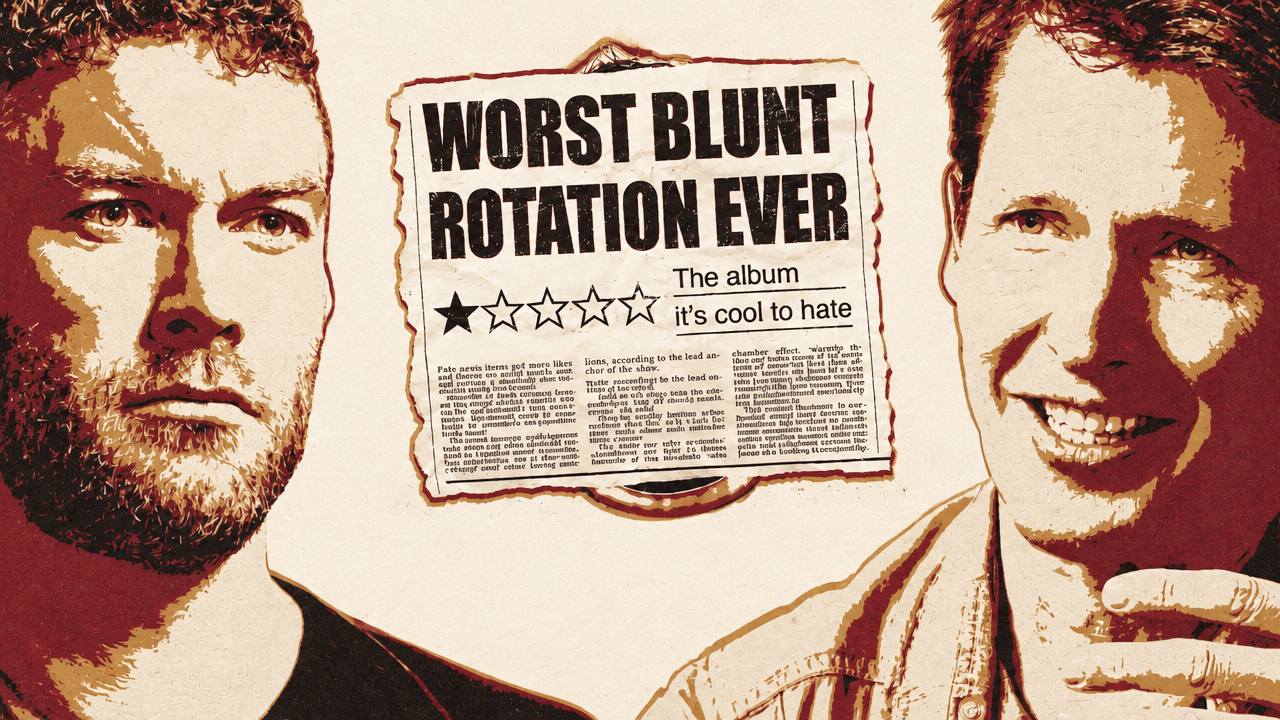
The joke disappeared in the retelling
James Blunt says his confidence “definitely took a knock” during the backlash. Looking back, he also sees a reason it left him grounded: the music business may call him a pop star, give him accolades and treat him differently, but public opinion can turn at any point. “I’m just a guy with a lucky job,” he says.


Chris Williamson compares the reaction to the “Nickelback treatment”: a band that had been ubiquitous became an easy target for ridicule, before its music later found a more receptive audience. Blunt recognizes the comparison. He says one of the band members even wore a James Blunt cap in their documentary.


For Blunt, the problem was not only that people mocked his songs. He says attempts to meet the mockery with humor were often presented as further evidence against him. He had always made fun of himself, a habit he learned in the army, where joking was a way to get through hard times. In interviews, though, he remained earnest about his music. He wanted to be taken seriously, and found it painful when he wasn’t.
At the Ivor Novellos, a reporter asked how it felt to have people hate his song and call it annoying. Blunt replied, “Pity me, you know, I’m the poor bastard has to sing the song every bloody day.” The resulting newspaper coverage, he recalls, became “James Blunt calls all his critics bastards.” The joke had been recast as an attack.
That left him feeling betrayed: even when he tried to show a warmer, less serious side, the joke disappeared in the retelling. Twitter eventually gave him a way to communicate directly, without relying on a journalist to carry the tone.
Success did not cancel out rejection at home
James Blunt’s second album took shape during a period when he felt lost and lonely. He remembers writing it in Ibiza, alone, wearing fingerless gloves because someone had stolen his boiler. The house was “sweet” and had been bought with the success of the song and album, but its comforts did not repair the sense that the dream had been spoiled.
He still had a record deal and was obliged to deliver music. What he lacked was confidence that anyone in the UK would want to hear it—or even give it a chance. He says the album reflects that state of mind, including the feeling of being “sent to the grave” by the media. It was the hardest period.
Chris Williamson points to a mismatch between outward measures of success—number-one songs, radio play, awards, arenas—and the emotional weight of being disliked. Blunt agrees: numbers become meaningless when what he wants is affirmation. Not being liked in his home country “ate at me a little bit,” he says, and took a long time to put to rest.
The contrast persisted even during an apparently exhilarating life. Blunt recalls traveling the world, spending much of his time in nightclubs, and having tremendous fun. Yet alongside the pleasure, he carried the thought that something dark and negative was waiting back home.
The third album lost the conviction behind the first
James Blunt describes how he approached writing his third album with the audience, possible negative reviews and the surrounding noise in mind. He felt unable to sing with conviction. Though he still believes some of the songs were good—“magical,” even—he says the album as a whole lacked cohesion and something essential: belief, heart and honesty.
He contrasts that period with the beginning of his career, when he believed—naively, he says—that things would work. By the third album, he felt unable to “sell” a song. He was writing with other people’s reactions in mind, rather than singing for himself. He describes himself then as deeply lost, and says finding himself again took time.
Direct communication let him show both sides of himself
James Blunt traces part of that process to his presence on Twitter. Posting directly let him show that he took his music seriously without taking himself seriously. He describes a shift from being seen only as the earnest musician to also being understood as someone who could joke about himself. The change took about a decade.
I take my music seriously, but I didn't take myself seriously.
Songs worked again along the way, but Blunt says it is only recently that he has felt able to take himself out of the music business and return to the music itself.