Nvidia’s Structure Leaves Leadership and Government Ties Centered on Huang


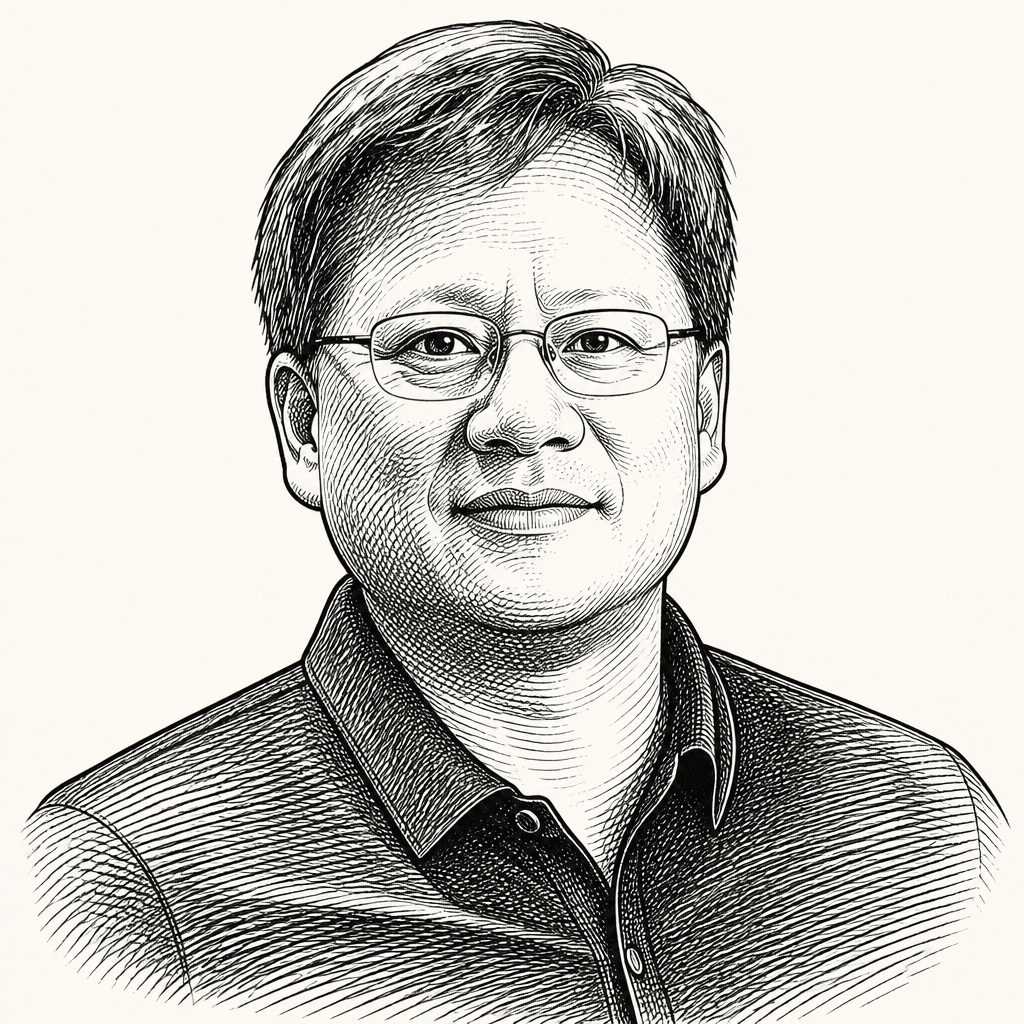
Bloomberg’s Emily Chang argues that Nvidia’s succession challenge is larger than finding a replacement for Jensen Huang: the company’s structure and key relationships have been built around a leader who ran it for 33 years. In a discussion with Bloomberg Tech’s Ed Ludlow, Chang says Nvidia’s decentralized reporting structure leaves no obvious successor, while Huang’s ties to world leaders and policymakers have been central to the company’s influence. She also distinguishes the leadership question from Nvidia’s China policy, which she describes as a broader company position.
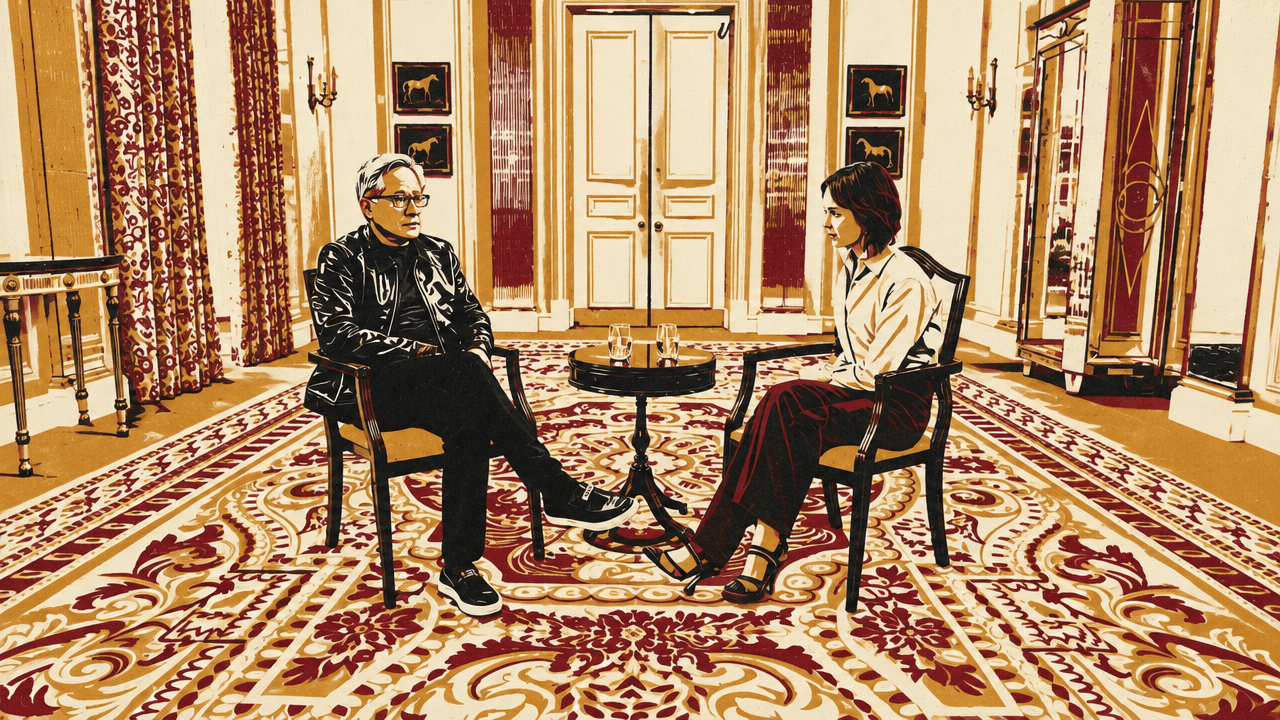
Nvidia’s succession problem is built into its structure
Nvidia’s future without Jensen Huang is not simply a question of who could take over his job. As Emily Chang described it, the company has no obvious successor for a leader who ran it for 33 years and was the only person ever to lead it.


Reports had identified Huang’s daughter, Madison Huang, as a possible successor. She works at Nvidia as a director of product marketing and accompanied her father throughout a four-country trip, Chang said. His son and son-in-law also work at the company. Chang described Madison as present throughout the trip, including while the press waited for Huang, but her broader point was that Nvidia’s unconventional organization leaves a difficult question about how the company will be led.
Ed Ludlow framed that question through Huang’s account of Nvidia’s structure: about 60 people reporting directly to him, with tens of thousands of employees beneath them. Huang had said that this arrangement was part of why the company had succeeded. Chang argued that Nvidia would need to consider governance more broadly because it had been architected around Huang from the ground up. She said she was sure Colette Kress was capable, but did not identify her as an obvious replacement.


The tension is that a model Huang credited with the company’s success also leaves a substantial leadership and organizational challenge when he is no longer at its center. The question is not only who might succeed him, but how a company built around his role would distribute leadership and responsibility.
Huang’s role extended through Nvidia’s relationships
On the Europe trip, Emily Chang saw “Jensanity” in the crowds and in the range of people seeking Huang’s attention. Developers queued to see him, and he held court with world leaders, technology CEOs, founders and journalists. The crowds, she said, were there for Nvidia as well as for Huang.
That distinction matters to Chang because Huang was deeply involved in the company’s relationships with policymakers and with the countries on the itinerary: France, the UK, Sweden and Germany. Nvidia still made, in her words, the best AI chips on the market, but Huang was a major part of the company’s position. Chang said those relationships could now be compromised.
In the interview, Huang described his role with the US government as informing the president rather than agreeing or disagreeing with him. He said his concern was to explain how decisions affect American citizens, future prosperity and the wider world, so the president could make a better-informed decision. Huang said the outcome did not have to serve his interests:
It’s not my job to agree or disagree. It’s my job to inform him of the decisions that we make impact not just the American citizens, the prosperity of our future, it impacts the world. And so, if ever I have an opportunity to help inform him so that he could make a better decision. Whatever the decision is, whether it serves me, whether it’s counter my interests, it’s not my concern. It’s only my concern that I have an opportunity to inform him. And that’s it. 100%, that’s how I feel.
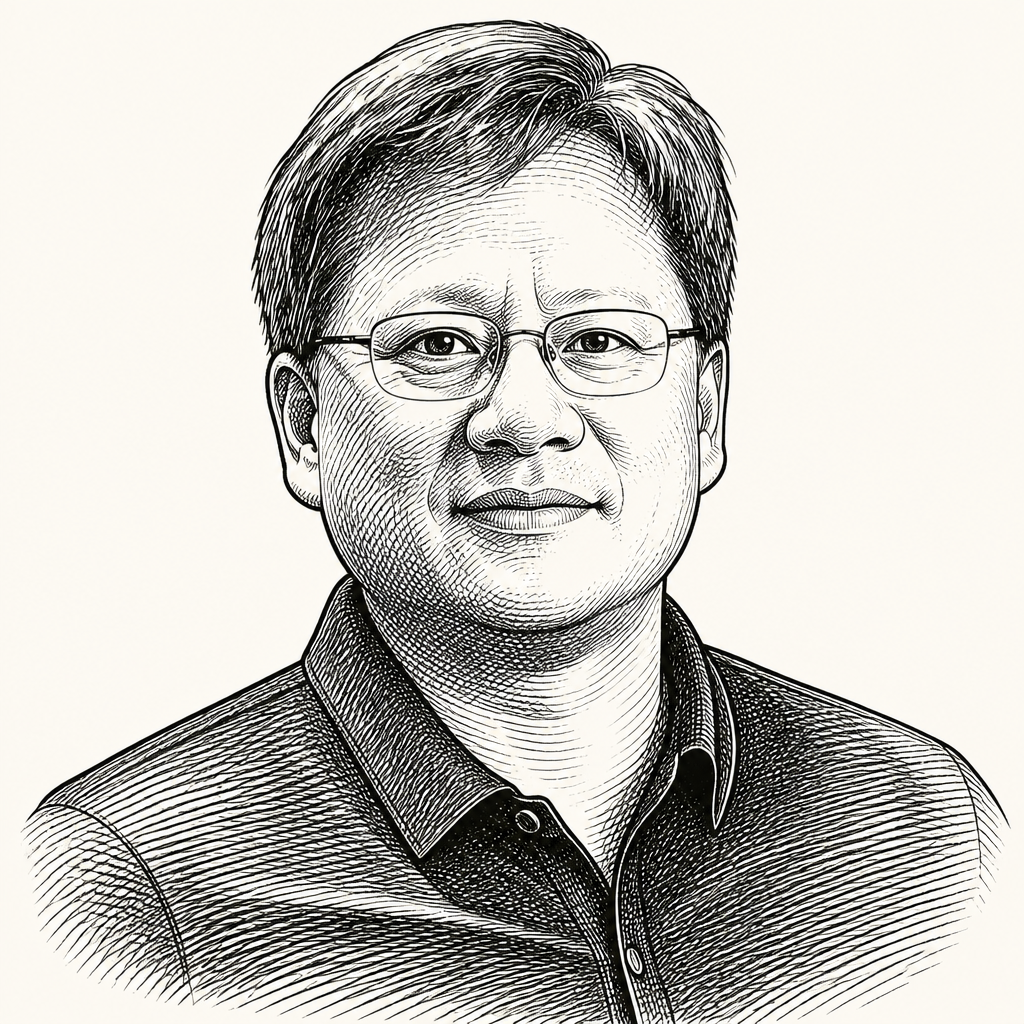
The contrast Chang drew is between a company whose chips and policy positions have institutional weight and a leader who personally cultivated relationships across governments. Huang described those conversations as a chance to explain the consequences of decisions, including consequences beyond Nvidia’s own interests. Chang’s concern was that the relationships he built could be vulnerable without him.
The China argument now carries a sharper political risk
Jensen Huang had long argued, as Ed Ludlow summarized it, that Nvidia is an American company subject to American law while China remains critically important. Ludlow cited Huang’s statement that 50% of the world’s AI researchers are in or from China. Chang described Huang’s case for continuing to sell the most advanced US chips to China: doing so could keep Chinese development embedded in US technology, while stopping sales could lead China to develop its own capabilities, which Huang argued would be bad for the United States.
Chang distinguished Huang’s advocacy from a position unique to him. She understood continued chip sales to China as a general Nvidia policy and believed Colette Kress also supported it. In that account, Huang was making the company’s case: keeping its chips in use could embed Nvidia technology in China’s ecosystem, while restricting access could encourage the development of competing domestic capabilities. The policy argument therefore reaches beyond the fate of one executive, even as Chang said his relationship with President Trump made the position look different in retrospect.
If chip sales carried national-security implications, Chang said, it would become “a much, much bigger deal.” Her point was that the same argument for continued sales—maintaining a role for US chips in China’s development—would have to be considered against those security stakes.