Uber Delivery Growth Offsets Softer Rides Results

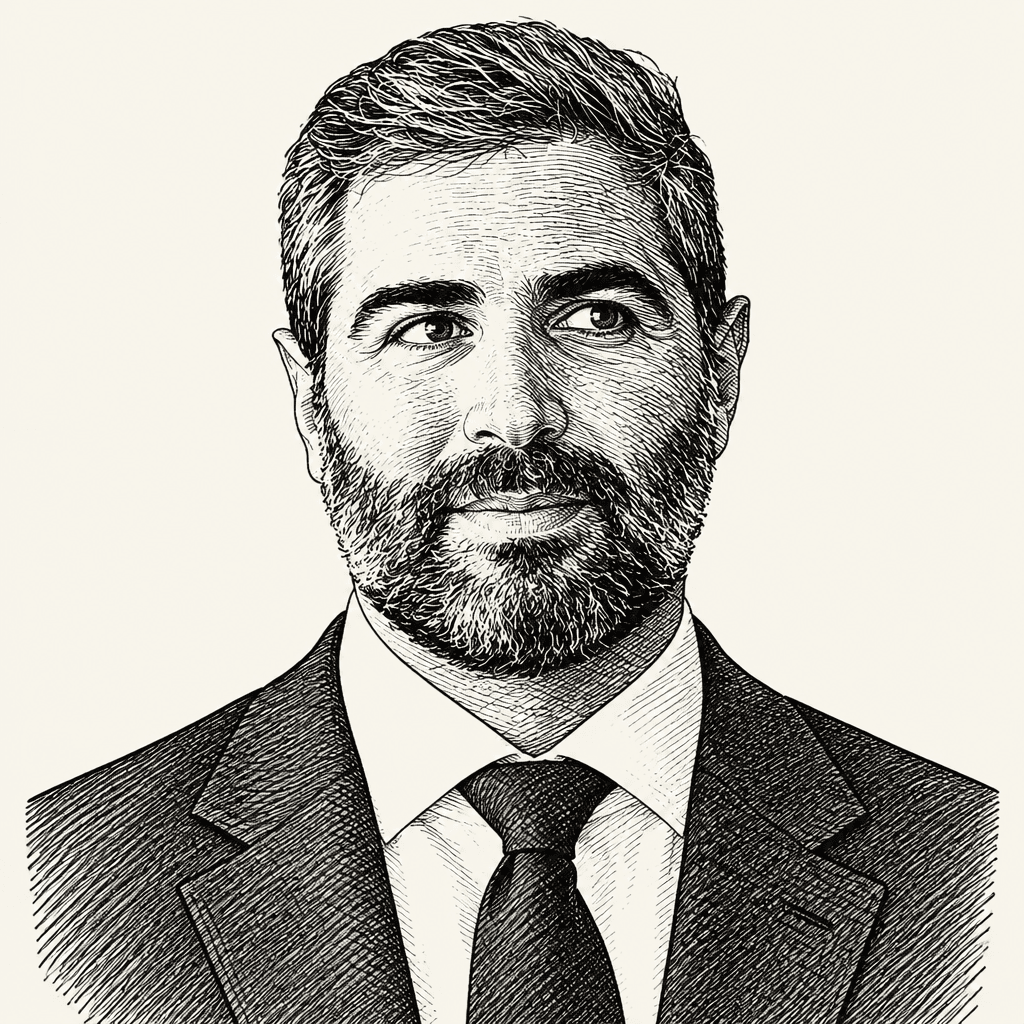
Uber’s third-quarter results showed delivery growth helping offset a softer rides business: delivery gross bookings rose 23% year over year, while mobility came in slightly below expectations. Ygal Arounian, a managing director at Wedbush, called the report solid, saying driver-supply constraints—not weakening demand—accounted for the rides shortfall. He also argued that Uber can compete in grocery delivery despite DoorDash’s planned acquisition of Instacart, because grocers will want access to multiple platforms.
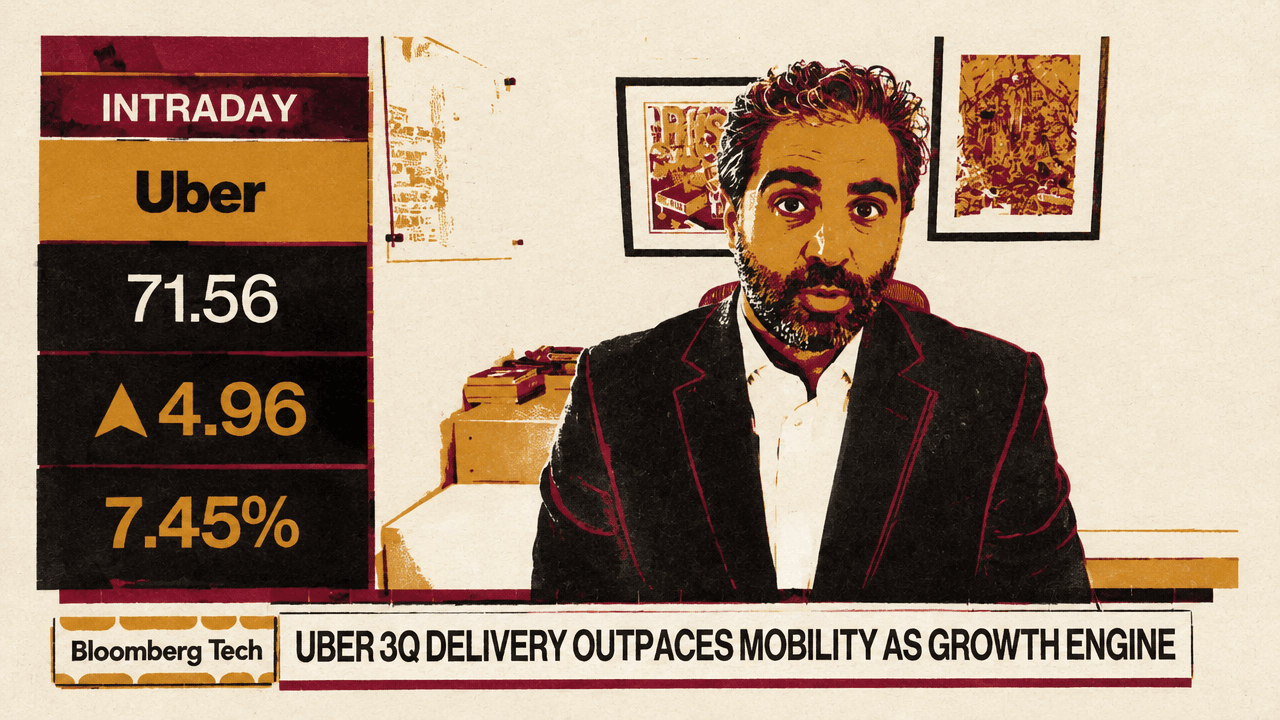
Delivery growth helped offset a softer rides result
Uber’s third-quarter report was mixed in one important respect: mobility came in slightly below expectations, while delivery stood out. Ygal Arounian called the report solid overall. He said the mobility miss reflected factors Uber could work through, and that the fourth-quarter outlook was strong. With the stock having lagged during the year, he considered its roughly 8% rise after the results understandable.
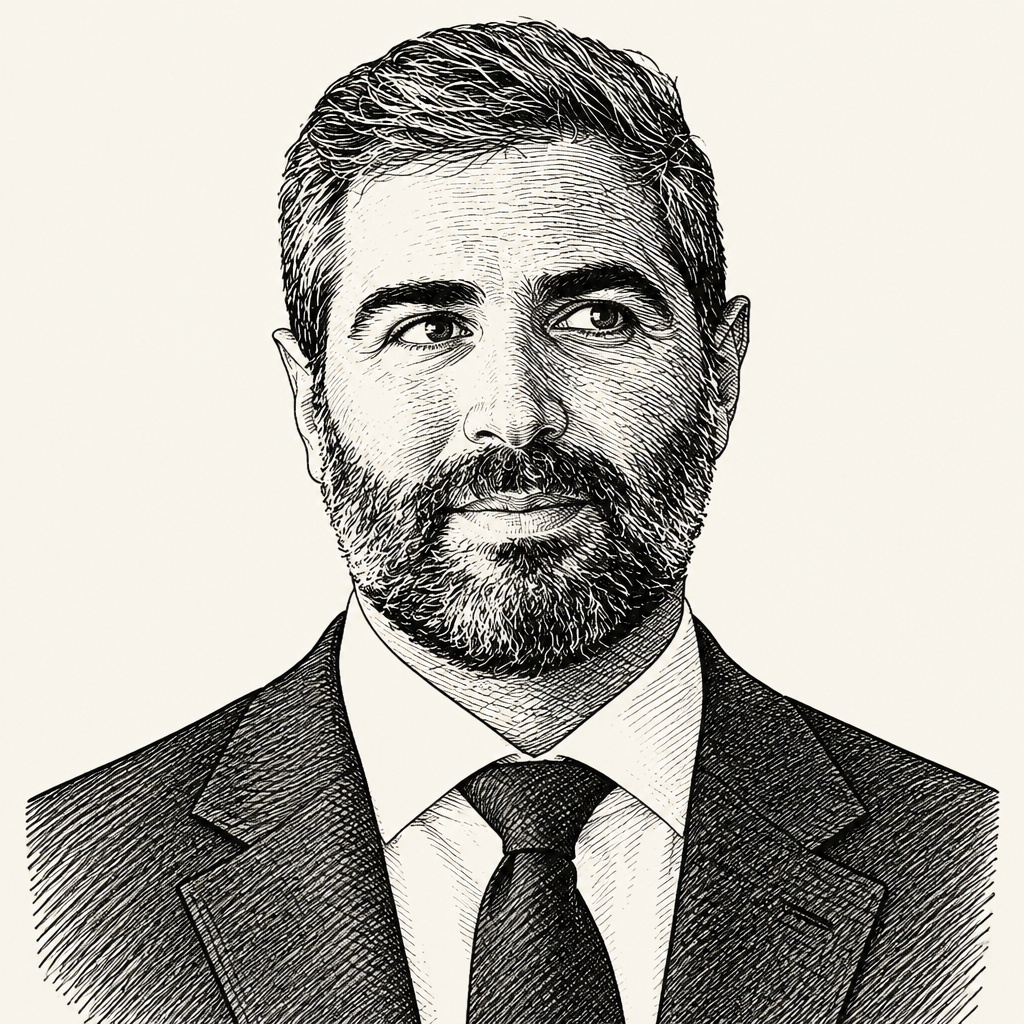

The figures shown on screen put the growth mix in context. Revenue of $14.77 billion beat the $14.65 billion consensus estimate, and adjusted EBITDA of $2.96 billion exceeded the $2.93 billion estimate. Delivery gross bookings rose 23% year over year. Arounian separately said Uber’s retail and grocery business grew 40% year over year.
Arounian linked the rides shortfall to driver-supply constraints in some overseas markets. Uber operates internationally across markets through one or both of its businesses, he said, and it faces these pressures from time to time. Rising gas prices, tighter labor markets and immigration policies in certain countries can all affect driver supply. Uber has encountered such conditions before and responded by increasing driver incentives and bringing more people onto the network.
He drew a distinction between that supply pressure and demand. Demand remains strong, he said, and he considers that more important; he expects supply to catch up.
Arounian also said investors would continue to have questions about autonomous vehicles over the next year or two. Still, he saw nothing critically negative in the quarterly results, and the strong fourth-quarter outlook contributed to his positive reading of the report.
Grocery growth leaves room for competition across several platforms
Uber’s retail and grocery growth came as DoorDash agreed to acquire Instacart, a deal that still needs regulatory approval. Arounian said consolidation would help DoorDash and Instacart, but argued that the broader market remains early in its development. He pointed to both e-commerce overall and third-party delivery networks as areas where market penetration is still limited.
He also placed the deal in a wider competitive landscape that includes Walmart and Amazon. In his view, consolidation could help local grocers compete with those larger players. Some grocers, he said, had already approached Uber to ask about its views and what the deal could mean for competition. Arounian expects grocers to want a presence on multiple platforms, rather than relying only on DoorDash and Instacart. He said Uber is able to compete in what he described as a fast-growing market.
Grocers are going to want to be on multiple platforms.
Robotaxis remain a complex, long-horizon competition
Carol Massar asked whether Uber’s reliance on other companies to implement its robotaxi strategy could mean a slower rollout than Waymo’s, and whether that made the strategy a failure. Ygal Arounian rejected that conclusion. He argued that the complexity of the market works in Uber’s favor and said no one is moving through all the practical and regulatory hurdles especially quickly.


Those hurdles include regulatory requirements, expansion across countries and different weather conditions in different geographies. Arounian said the rollout so far does not look like a winner-take-all race. In his view, that helps Uber’s position.
Arounian said Uber expected to have 700 autonomous vehicles on its network by year-end, growing to thousands over the following couple of years. He described Uber’s positioning as strong, while acknowledging that questions about the autonomous-vehicle story will remain over the next year or two.