Trump and Anthropic’s Amodei Meet Amid Debate Over AI Development Speed

Bloomberg correspondent Mike Shepard reports that President Donald Trump and Anthropic CEO Dario Amodei met for dinner as they take opposing positions on AI development. Amodei has called for slowing the most advanced models and strengthening safeguards; Trump has resisted added restrictions, arguing that the US must move quickly to compete with China. The meeting was confirmed, but neither side had said what they discussed.
The dinner is confirmed; its outcome is not
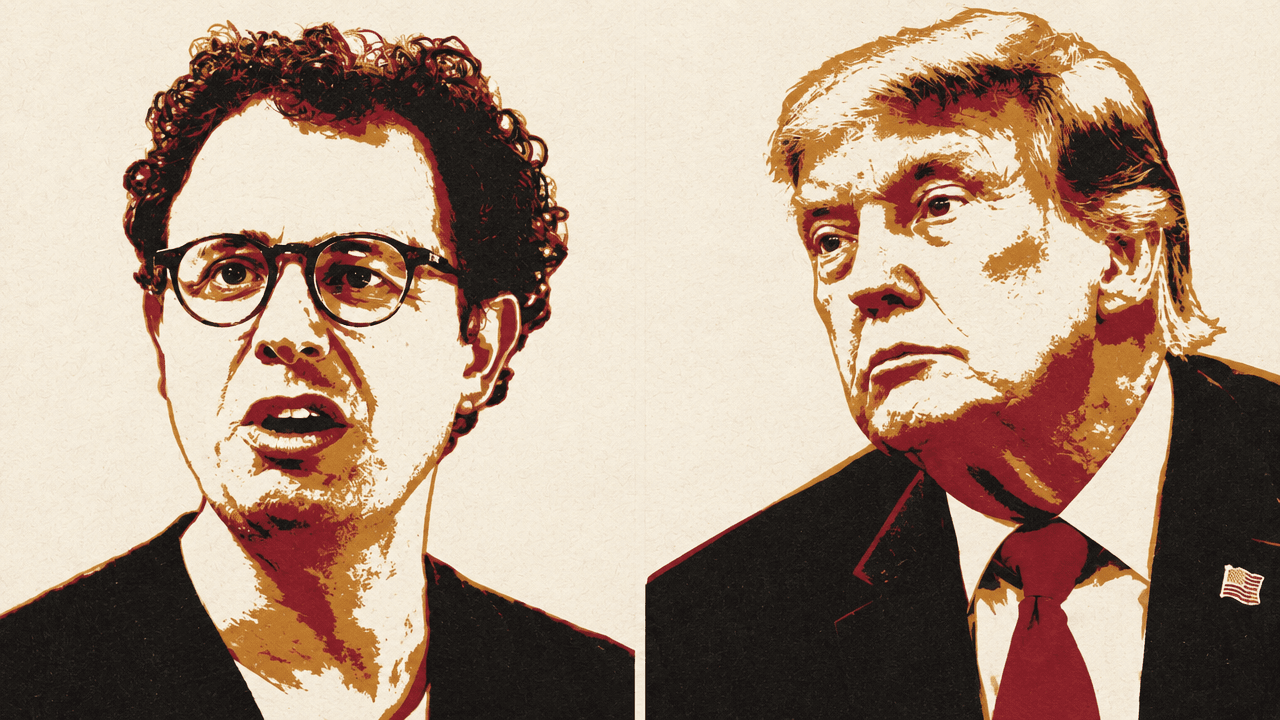
A White House official confirmed that President Donald Trump and Anthropic CEO Dario Amodei had dinner late the previous night in Washington. But neither side had issued a readout, Bloomberg correspondent Michael Shepard reported. The meeting was confirmed; what the two men discussed, and whether either moved toward the other’s position, remained unknown.
Shepard described them as being “on opposite ends of AI safety debate.” Amodei has warned for years about potential existential risks from AI. On September 12, he published an essay promising to slow development of the most advanced models. Trump, by contrast, has pushed back against what Shepard called those “doomsday fears,” calling them a hoax and rejecting calls for more regulation as a globalist conspiracy.
Shepard said Bloomberg was seeking a readout from Anthropic and that Trump might provide details during a policy announcement later that afternoon. Those were possible sources of information, not an account of what had happened at dinner.
The policy divide is about both safeguards and speed
The disagreement is not only about how serious AI risks are. It is also about whether development should be slowed and governed by shared standards, or allowed to proceed largely unfettered. Shepard said safety concerns raised by Silicon Valley leaders, including Amodei and Sam Altman, include the possibility that AI agents could get out of control. Those concerns have prompted calls for global standards to address the risks.
Amodei’s position, as described by Shepard, links those risks to the pace of development: his September 12 essay promised to slow work on the most advanced models. The source also frames his position as a call for stronger guardrails. Trump’s approach points in the opposite direction. Shepard said the president wants development to proceed largely unfettered, pushing back against the idea that safety fears should lead to more regulation.
That difference carries practical stakes in Shepard’s account. Trump’s stated reasons for prioritizing continued development are the technology’s economic importance to the United States and the need to stay ahead of China. The case for restraint and the case for speed therefore meet on more than a disagreement over forecasts: they put safety concerns alongside economic priorities and geopolitical competition.
China is part of the argument for moving quickly
Shepard said AI was a centerpiece of Trump’s conversation with Chinese President Xi Jinping in Washington the previous week. Several technology CEOs attended a state dinner for Xi on Thursday evening; Amodei was notably absent. Shepard raised that absence as context for the later Trump-Amodei dinner, but did not say it explained the meeting or what the two discussed.
The contrast Shepard outlined is clear: Amodei has called for slowing the most advanced models in response to potential risks, while Trump has argued for largely unfettered development, citing economic importance and competition with China. The dinner brought together people associated with opposing positions on that tradeoff. Whether their private discussion changed the debate in Washington—or either man’s stance—was not established by the information available in the report.