Brazil’s Food-Delivery War Diverts Two-Wheeler Drivers From Uber


Uber’s trip growth slowed in Brazil because food-delivery companies, though not direct Uber competitors there, paid enough to draw two-wheeler drivers away from its mobility network, Chief Executive Dara Khosrowshahi said. He argued that the disruption was localized: Uber’s broader business continues to grow, with more than 300 million weekly trips, 22% gross-bookings growth in the quarter and no signs that consumers are trading down.
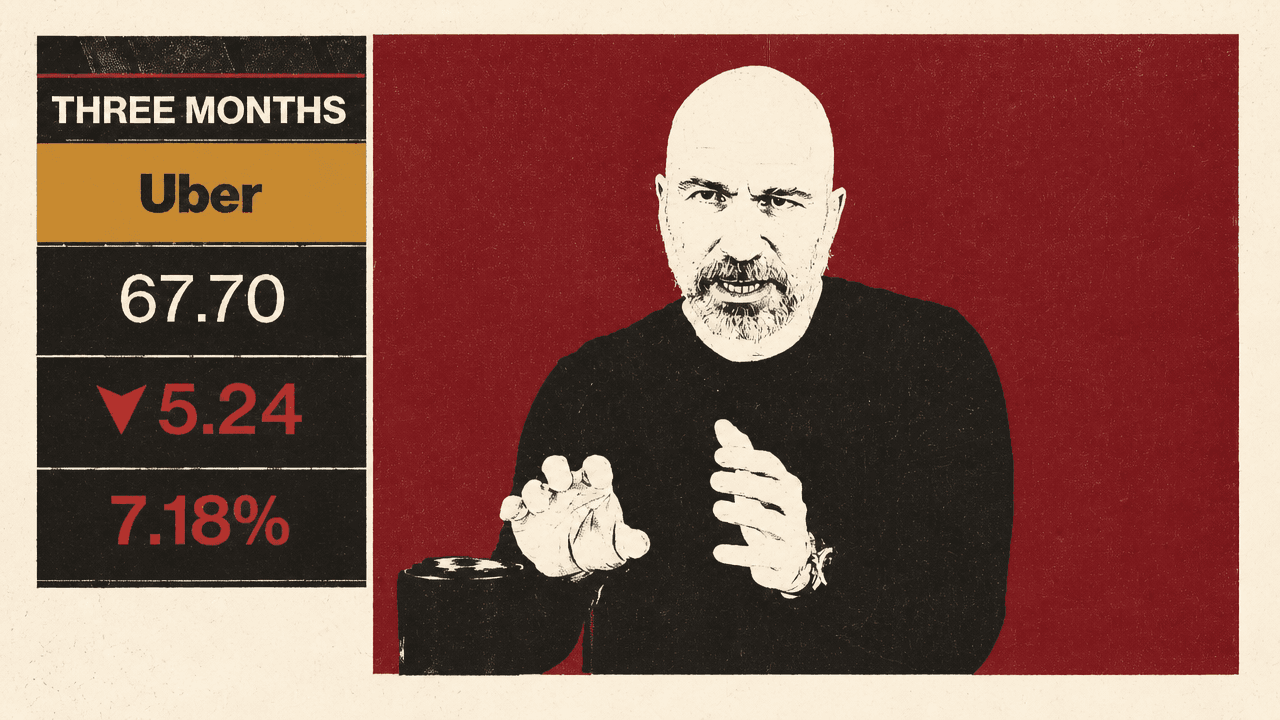
Brazil’s delivery war pulled two-wheeler drivers away from Uber
Dara Khosrowshahi attributed Uber’s trip slowdown in Brazil during the quarter to drivers being diverted from its mobility network into a separate food-delivery fight.


Uber does not participate in Brazil’s food-delivery market, Khosrowshahi said. But it has substantial mobility ridership served by two-wheelers. Food-delivery companies competing for drivers have been paying heavily enough to pull some of those drivers away from carrying Uber riders and into delivery work.
The operational consequence was reduced availability of two-wheeler drivers for Uber mobility trips in Brazil, producing a localized slowdown in trips rather than a direct competitive effect on Uber’s delivery business.
In Brazil actually we have a lot of mobility ridership that are two-wheelers. We actually don't engage in the food delivery space, but there's a big war going on in food delivery. And that took away some of our two-wheeler drivers from mobility to delivery because they're getting paid a lot to engage in that war.
Khosrowshahi characterized the delivery conflict as having “no effect on us whatsoever” in the direct competitive sense: Uber is not competing in that market. Its indirect effect was on the driver supply available to its mobility network.
The broader growth picture remains stronger than the Brazil disruption
Khosrowshahi described Uber’s overall results as healthy despite the Brazil constraint. He cited gross bookings growth of 22% in the quarter, which he described as an acceleration from the prior quarter. Mobility grew 20%, while delivery accelerated quarter over quarter, and the company generated strong profitability, he said.
Uber is processing more than 300 million weekly trips while continuing to grow at what Khosrowshahi called “pretty extraordinary rates” at that scale. He said the company’s forward gross-bookings guidance was consistent with the outlook it gave last quarter, and that Uber hoped to meet and potentially beat those expectations.
Khosrowshahi cited 22% gross-bookings growth, while Bloomberg Tech’s results graphic showed gross bookings of $58.02 billion, up 24% year over year. Alongside stable mobility growth and accelerating delivery growth, Khosrowshahi’s position was that the Brazil two-wheeler supply shift had not changed Uber’s broader growth outlook.
| Measure | Reported result or outlook |
|---|---|
| Revenue | $14.19B, up 12% year over year |
| Gross bookings: broadcast graphic | $58.02B, up 24% year over year |
| Gross bookings: Khosrowshahi’s statement | Up 22% in the quarter |
| Third-quarter gross-bookings forecast | $58.25B–$60.25B |
| Mobility growth | 20%, according to Khosrowshahi |
| Weekly trips | More than 300 million, according to Khosrowshahi |
Uber sees no sign that consumers are trading down
Khosrowshahi said Uber’s internal signals point to a healthy consumer entering the second half of the year. The company tracks growth in mobility and delivery, but also watches behavior that could indicate financial strain.
Those indicators include whether consumers are moving to less expensive restaurants and whether delivery customers or riders are leaving smaller tips. He said Uber sees no evidence of a consumer slowdown in either measure.
Are consumers trading down and eating at more affordable restaurants, or are eaters leaving less tips, eaters or riders leaving less tips? We don't see any signs whatsoever of a consumer slowdown.
He extended that assessment to the labor side of Uber’s marketplace. Uber now has more than 10 million earners globally, he said, and driver earnings remain healthy. In the U.S., driver earnings were up 8% year over year.
Khosrowshahi acknowledged the common description of a K-shaped economy, in which conditions differ sharply across groups. But he said Uber sees strength on both sides: mobility and delivery demand continue to grow, while driver earnings are rising. Current indicators, he said, point in the same direction going forward.