Saronic Plans $3.2 Billion Texas Shipyard for Autonomous Vessels

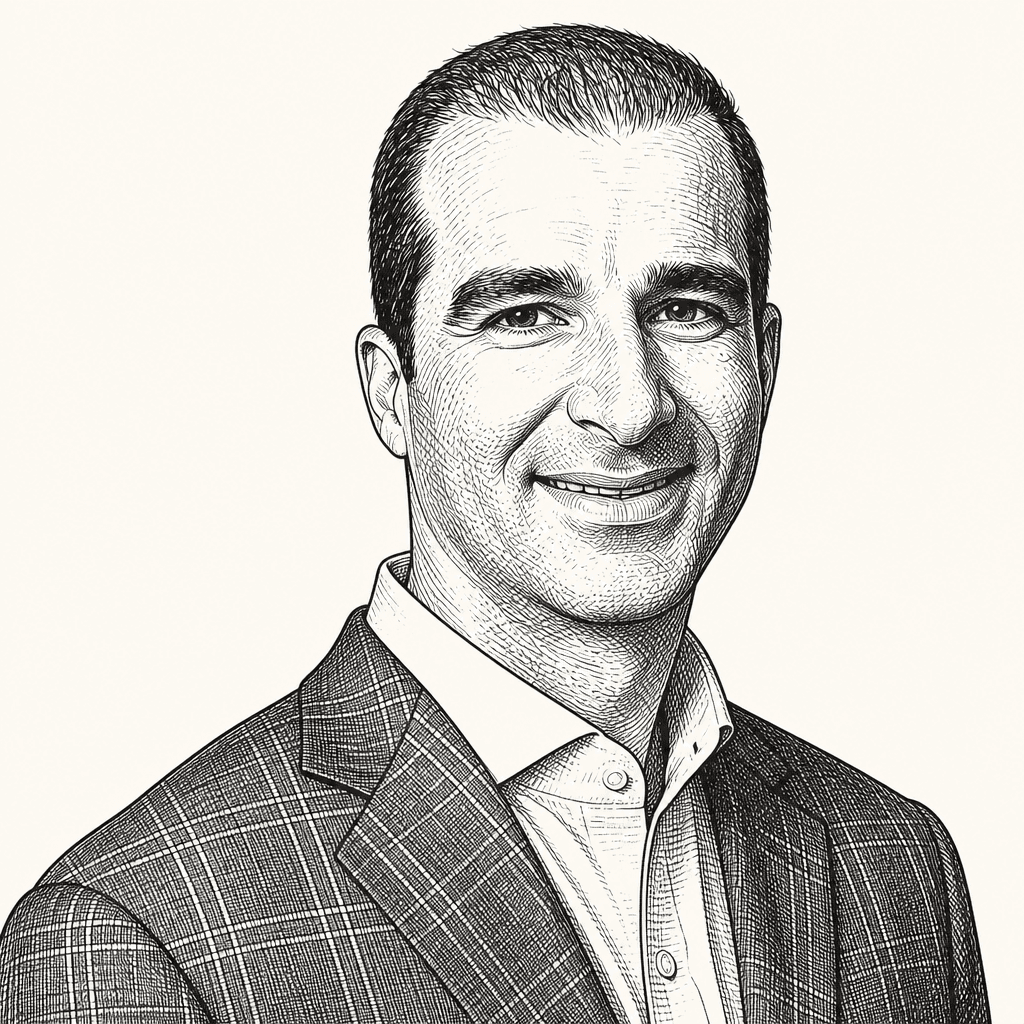
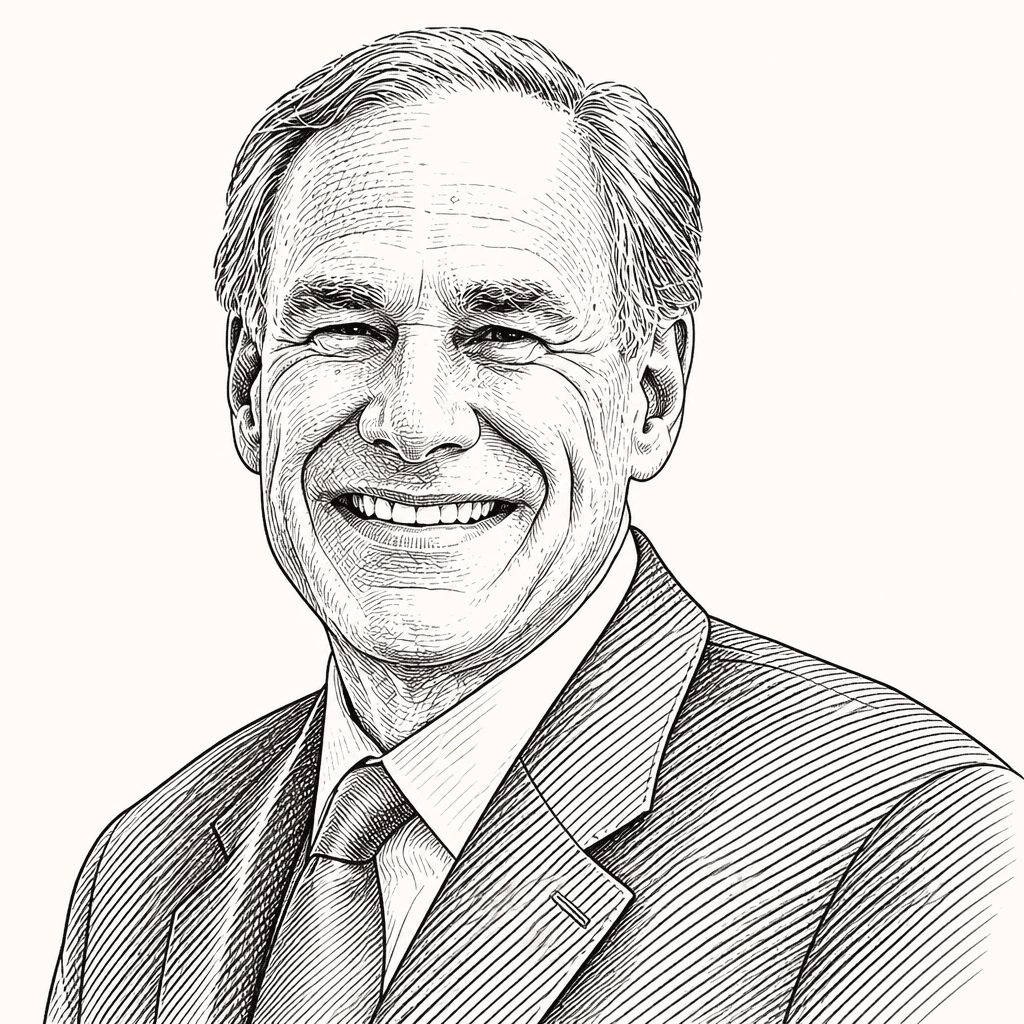
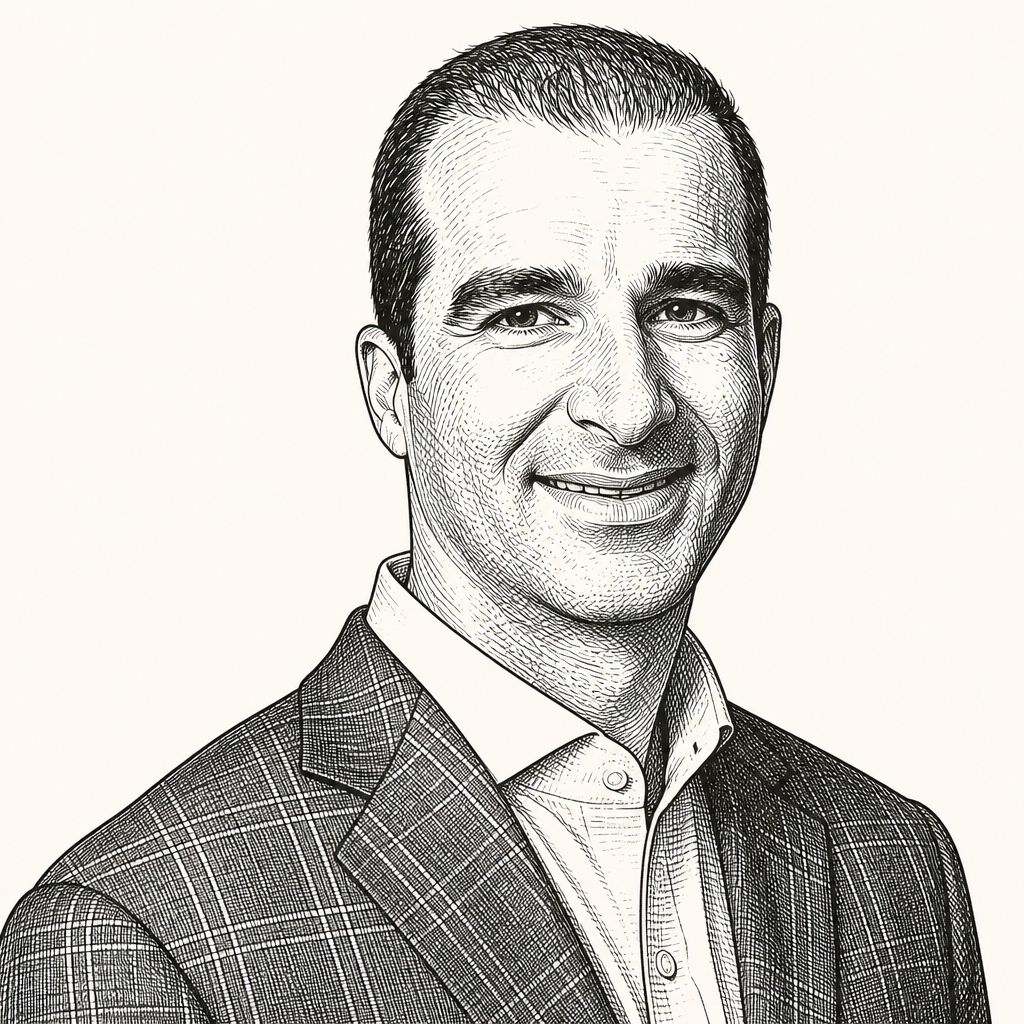
Saronic Technologies plans to spend $3.2 billion building Port Alpha, a Brownsville shipyard for medium- and large-class autonomous surface vessels that CEO Dino Mavrookas says would address a severe shortfall in U.S. shipbuilding capacity. He says the greenfield project could create 10,000 jobs and eventually reach 2 million gross tons of annual capacity, while Governor Greg Abbott argues Texas can supply the workforce through its technical colleges and expanding Rio Grande Valley infrastructure. Mavrookas also casts the yard as a national-security asset following the reported combat use of Saronic technology in the Iran conflict.

Port Alpha is pitched as a greenfield answer to a claimed U.S. shipbuilding shortfall
Dino Mavrookas says Saronic’s planned $3.2 billion investment at the Port of Brownsville is intended to add new U.S. shipbuilding capacity for medium- and large-class autonomous surface vessels. The company calls the project Port Alpha and frames it as a response to what Mavrookas described as a national shipbuilding crisis: China outbuilds the United States 230 to one, he said; the U.S. naval fleet is shrinking; and the country has 0.1% of global shipbuilding capacity.
Saronic’s production targets are large. Mavrookas said Port Alpha’s initial phase would make it the country’s largest shipyard on day one, with 150,000 gross tons of shipbuilding capacity. He said that would increase U.S. commercial shipbuilding capacity by 1.5 times. The longer-term plan is to reach 2 million gross tons, which he said would be 20 times current U.S. capacity.
| Buildout stage | Saronic projected capacity | Saronic’s comparison |
|---|---|---|
| Initial phase | 150,000 gross tons | Saronic says it would be the largest U.S. shipyard on day one and add 1.5× current U.S. commercial capacity |
| Longer-term target | 2 million gross tons | Saronic says this would equal 20× current U.S. capacity |
The site’s physical advantages were straightforward, Mavrookas said: land availability and deep-water access. Those requirements are effectively binary. The deciding consideration, he said, was the workforce in Brownsville, together with support from Texas, Cameron County, the city, and the Port of Brownsville.
Port Alpha’s first phase would sit on 835 acres, with room to expand beyond 4,000 acres. Mavrookas characterized the project as a new yard built from the ground up, designed for efficiency and throughput while adding capacity rather than shifting existing production.
This is built from the ground up to be the most advanced, to be the most efficient, but most importantly add net new capacity, brand new shipbuilding capabilities to this country in a way that we haven't seen since World War Two.
The workforce case is central to the shipyard’s scale
Mavrookas said Saronic expects Port Alpha to create 10,000 jobs and generate $160 billion of economic impact in the region over the next decade. He presented companies already operating around Brownsville, including SpaceX, less as competitors for a fixed pool of workers than as contributors to an industrial ecosystem: investment in infrastructure and the community creates the conditions for more industry.
Texas Governor Greg Abbott said the state had discussed Saronic’s staffing needs with the company and could develop the needed workforce pipeline. He pointed to Texas State Technical College, two-year colleges, and universities, describing an education system focused on job skills that allow students to move directly into work after completing their studies.
Abbott described the Rio Grande Valley as historically agricultural but now being reshaped by projects near Brownsville and Cameron County, including Starbase. Universities are establishing or expanding campuses in the area, he said, while the state builds transportation and other facilities for what he expects to be a fast-growing region.
He said Saronic’s jobs would pay at least $75,000 each. At 10,000 positions, Abbott calculated that the project would inject $750 million in paychecks into Texas. For Saronic, the promise of production capacity is therefore tied to the availability of people able to build and operate the yard at its proposed scale.
Combat use gave the capacity argument an immediate military frame
Ed Ludlow described footage released by U.S. Central Command as the first combat use of U.S. autonomous surface vessels using Saronic technology. The black-and-white surveillance video shown on screen, dated July 13 and labeled “Saronic’s role in the Iran conflict,” showed a small boat, highlighted by a red circle, moving toward a dock facility and exploding on impact.


Mavrookas said the operation reinforced Saronic’s founding objective: delivering missing naval capability to warfighters “at speed and scale.” In that framing, Port Alpha is not only an industrial-development project. It is the manufacturing base for producing maritime systems quickly enough to provide what he called real combat power.
He said Brownsville could become a critical corridor for national security as well as business and commerce, particularly alongside SpaceX’s presence in the region.
Flooding remained an immediate emergency in Central and South Texas
Greg Abbott reported active flooding across Central and South Texas, including the area affected by severe Fourth of July flooding the prior year. He said the state had received more rain in the preceding 24 hours, and expected more in the next day, than during that earlier event.
Abbott reported one death overnight and nearly 80 rescues. More than 1,300 Texas personnel, including the National Guard and Texas Department of Public Safety, had been mobilized, with boats and helicopters available. He said the response extended from Kerrville through Uvalde, Del Rio, and Laredo.
Julie Fine asked what residents facing rapidly rising water should do. Abbott urged people to avoid unnecessary travel, not drive into waterways, and move away from rivers where possible. “Turn around, don’t drown,” he said, stressing that driving into flooded waterways is a leading reason people die during such events.
Mavrookas opened his remarks by offering Saronic’s support to people affected by the flooding and telling Abbott that the company was available to help.