Tesla’s Flying Roadster Prototype Won’t Reach Production Until 2028

Tesla’s Roadster prototype jumped and flipped using cold-gas thrusters developed with SpaceX engineers, but production remains years away, with a launch not expected until 2028. On Bloomberg Tech, Ed Ludlow described the demonstration and said Elon Musk brought audience members forward to show it was real, not AI-generated; Bloomberg columnist Max Chafkin argued the spectacle was also a pitch for Tesla stock and, potentially, a merger with SpaceX.
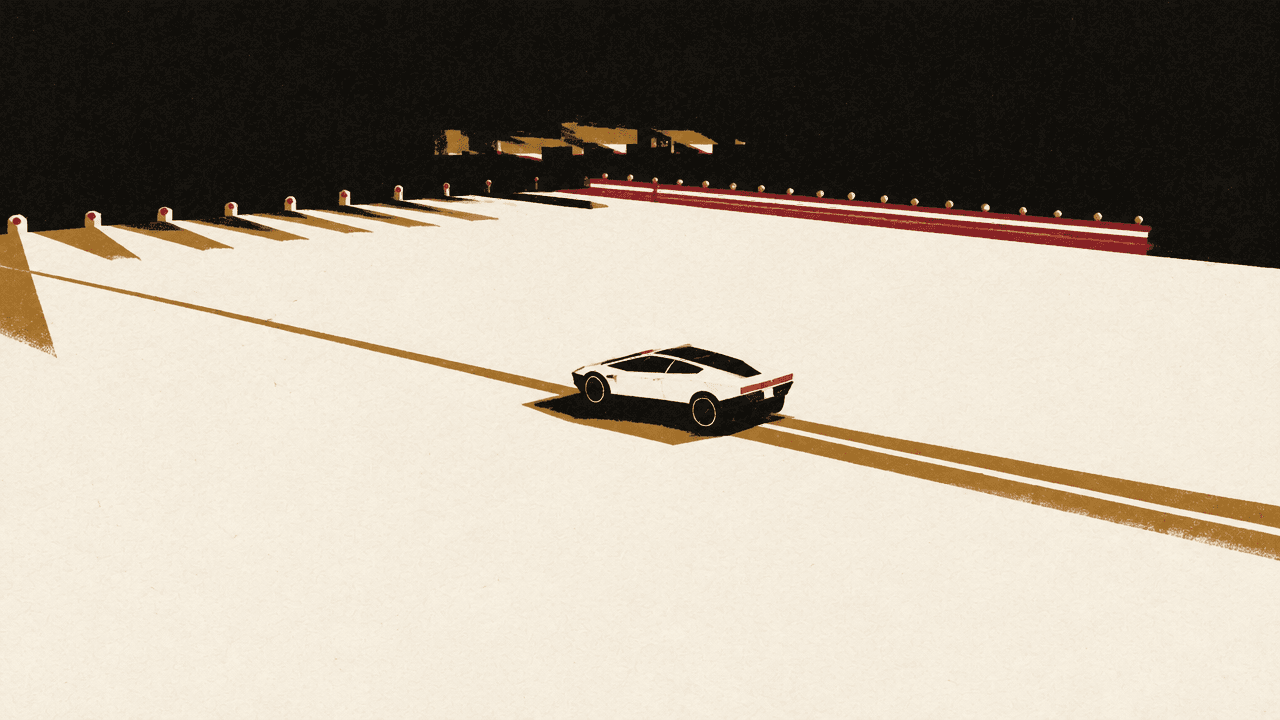
A flying prototype, with production still years away
Tesla’s long-delayed Roadster appeared in a night-time demonstration at McGregor, Texas: the white prototype accelerated up a steep ramp, launched into the air, and fired cold-gas thrusters through a plume of vapor. It jumped over cars, including a Tesla Semi, and performed flips. Ed Ludlow said the thrusters were developed with SpaceX engineers.
Tesla says the Roadster can go from zero to 60 miles per hour in under a second. Ludlow said the top-end rocket version can fly, but would not be approved for public roads in most jurisdictions. The footage showed the prototype in motion; Tesla’s production timeline remains the more immediate constraint. After years of delays, production is not expected until 2028.
Ludlow said Elon Musk brought audience members out to emphasize that the images were real, not AI-generated. The event made the Roadster’s unusual capabilities the focus, while leaving the wait for a production vehicle in view.
Chafkin saw a stock and merger pitch in the spectacle
Max Chafkin called the presentation a great show and described Musk as an effective showman despite the controversy around him and Tesla’s recent challenges. He did not see it primarily as a car launch. In his reading, the event promoted Tesla’s stock and, to a lesser extent, the possibility of a merger with SpaceX.
I think this is a promotional event for Tesla's stock, and to a lesser extent for the possible merger.
For Chafkin, the significance lay in how Tesla presented its connections to SpaceX. He said the promotion felt like the start of a sales pitch for a merger. That interpretation put the flying Roadster in a broader corporate frame: the spectacle drew attention to the relationship between the two Musk companies, not only to a vehicle that may reach production in 2028.
Ed Ludlow brought up a Barclays analyst’s note from that week. The analyst had deduced that a merger announcement could come before Tesla’s annual general meeting, which needed to take place by early December. Ludlow connected that timing speculation to the Roadster event and asked Chafkin whether the engineering feat was impressive in its own right.


Chafkin said he did not know enough about attaching thrusters to automobiles to judge whether the feat could have been done 10, 20, or 30 years earlier. He credited Tesla and SpaceX with the audacity of staging the demonstration, but said he was unsure what it added up to. The company’s history of missed deadlines made the proposed 2028 launch a long wait even by Musk’s timelines, he said.
The shares fell during the broadcast, despite the show
Ludlow reported that Tesla shares were down about six-tenths of one percent during the broadcast, after being markedly higher earlier in the session. The on-screen chart showed the stock at 360.23, down 2.28, or 0.63%, as its intraday line dipped through the morning.
Chafkin took the reaction as a sign that the demonstration had not persuaded investors at that moment. “He released a flying car,” he said, yet the stock was down. He added that some of Tesla’s fans might also have been unimpressed. His point was not that the stunt lacked spectacle: he had called it audacious. It was that spectacle, a distant production date, and a company’s record of missed deadlines left him unsure what investors should make of the announcement.