Crew-12 Returns to Earth After Seven and a Half Months on the ISS
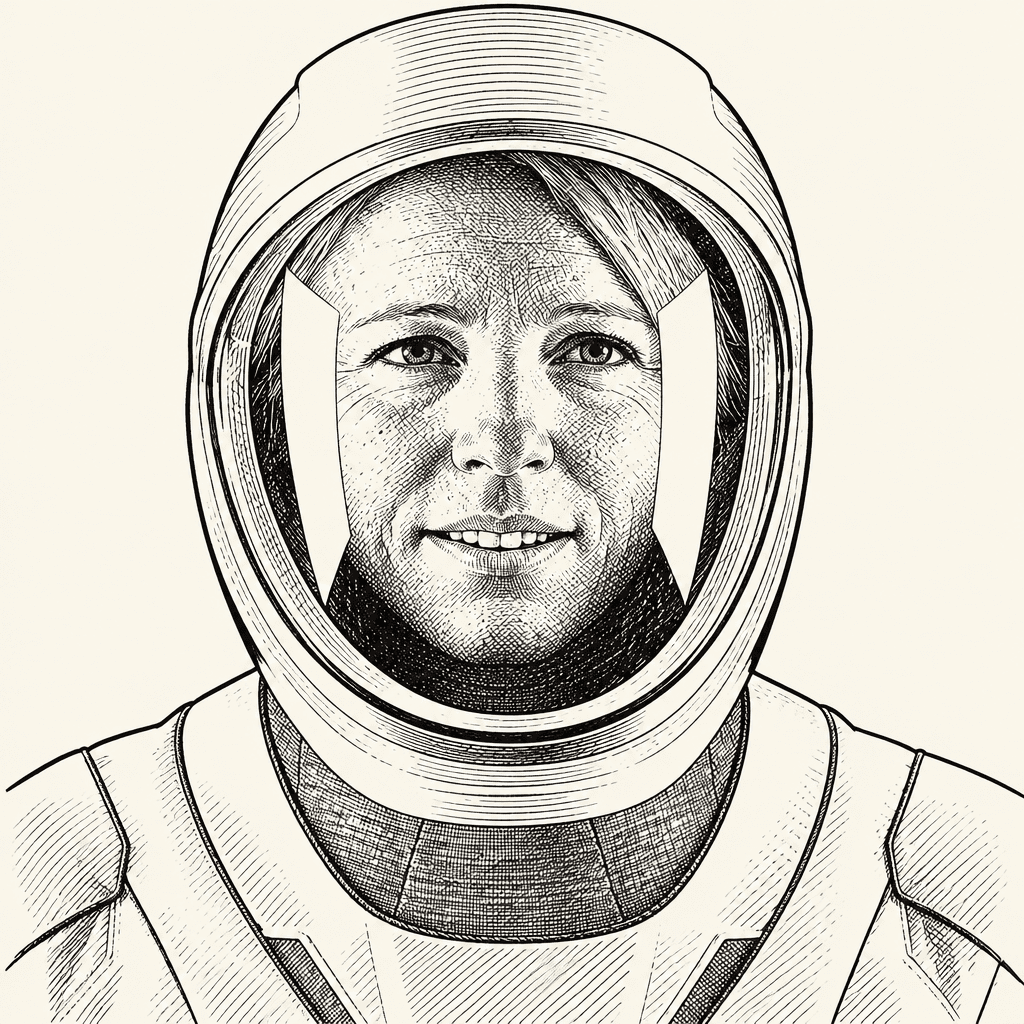 Sophie Adenot
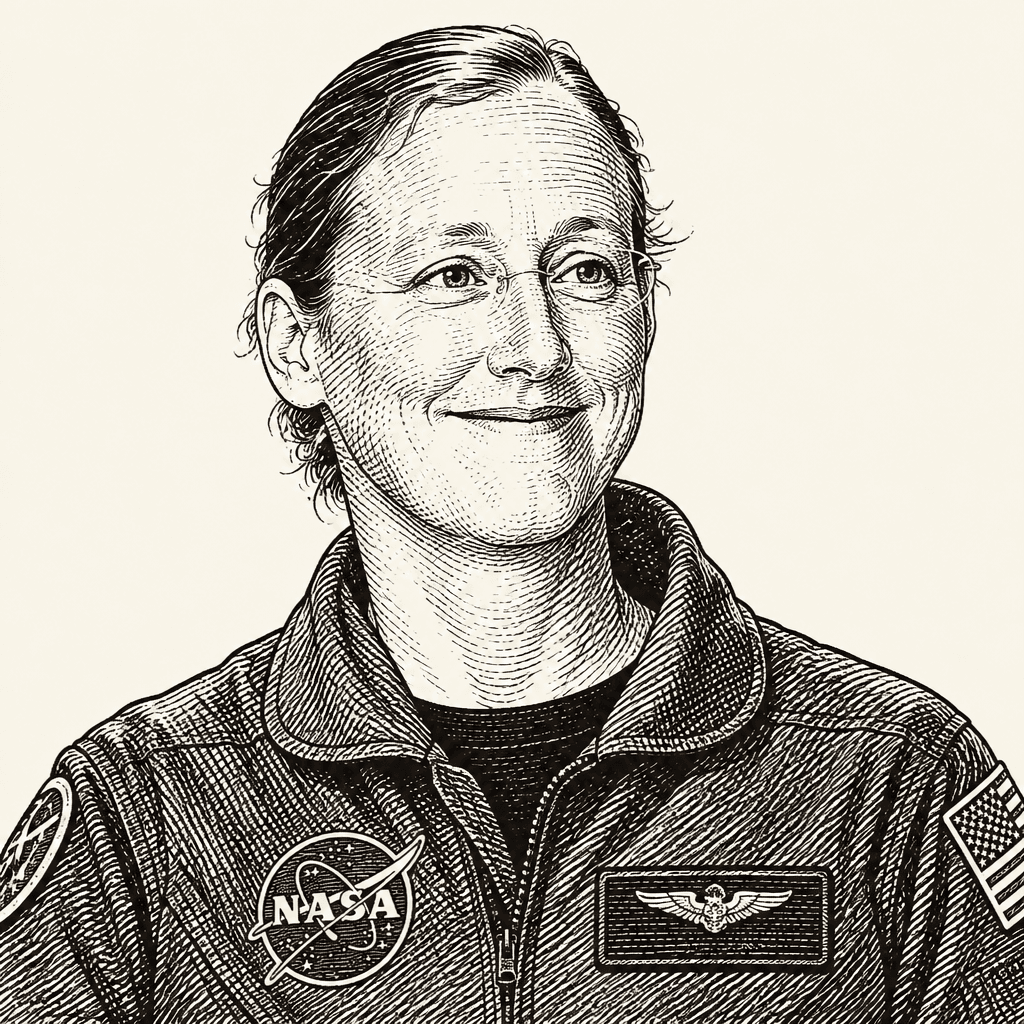 Jessica WittnerJack Hathaway
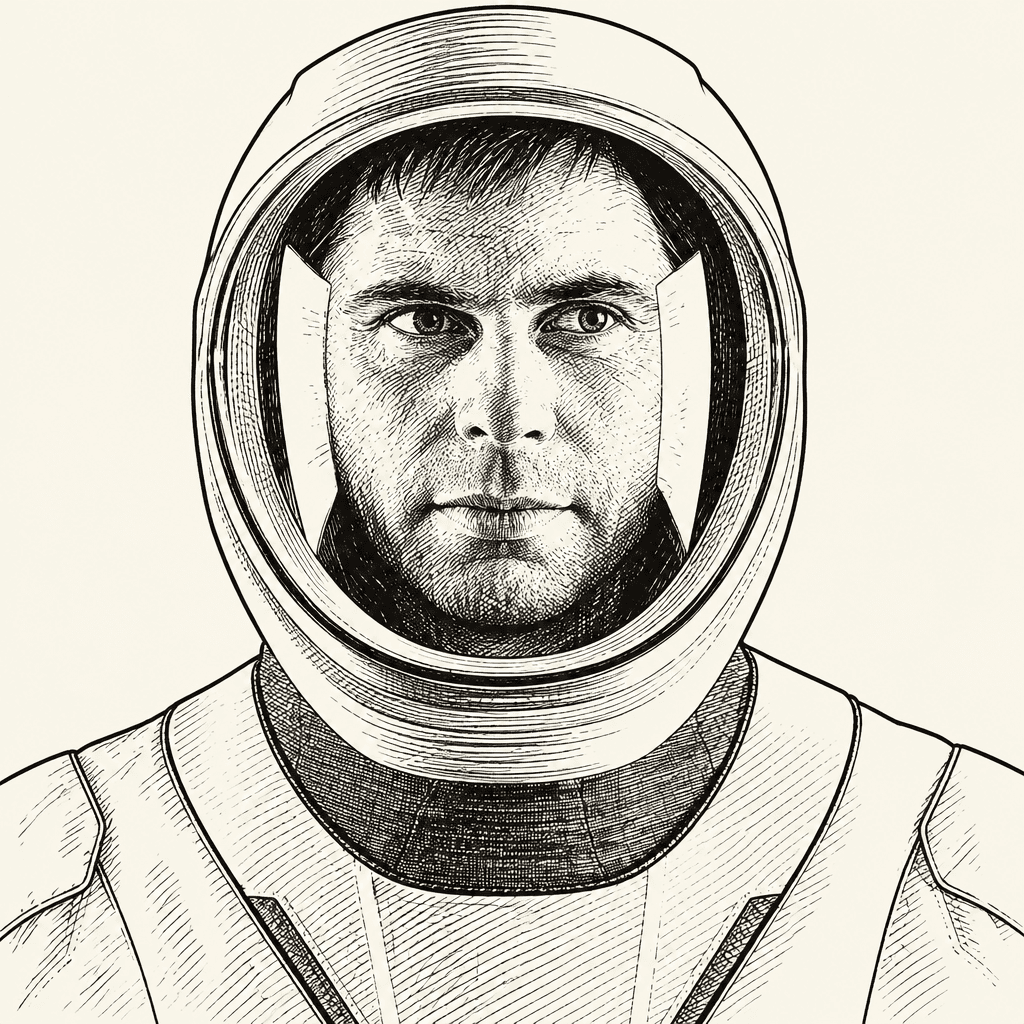 Andrey FedyaevBloomberg TechnologyThursday, October 8, 20263 min read
SpaceX’s Dragon Freedom splashed down off California, returning four astronauts to Earth after a seven-and-a-half-month stay aboard the International Space Station. Drogue and main parachutes slowed the capsule in stages, while mission control coordinated a landing it described as involving many teams.
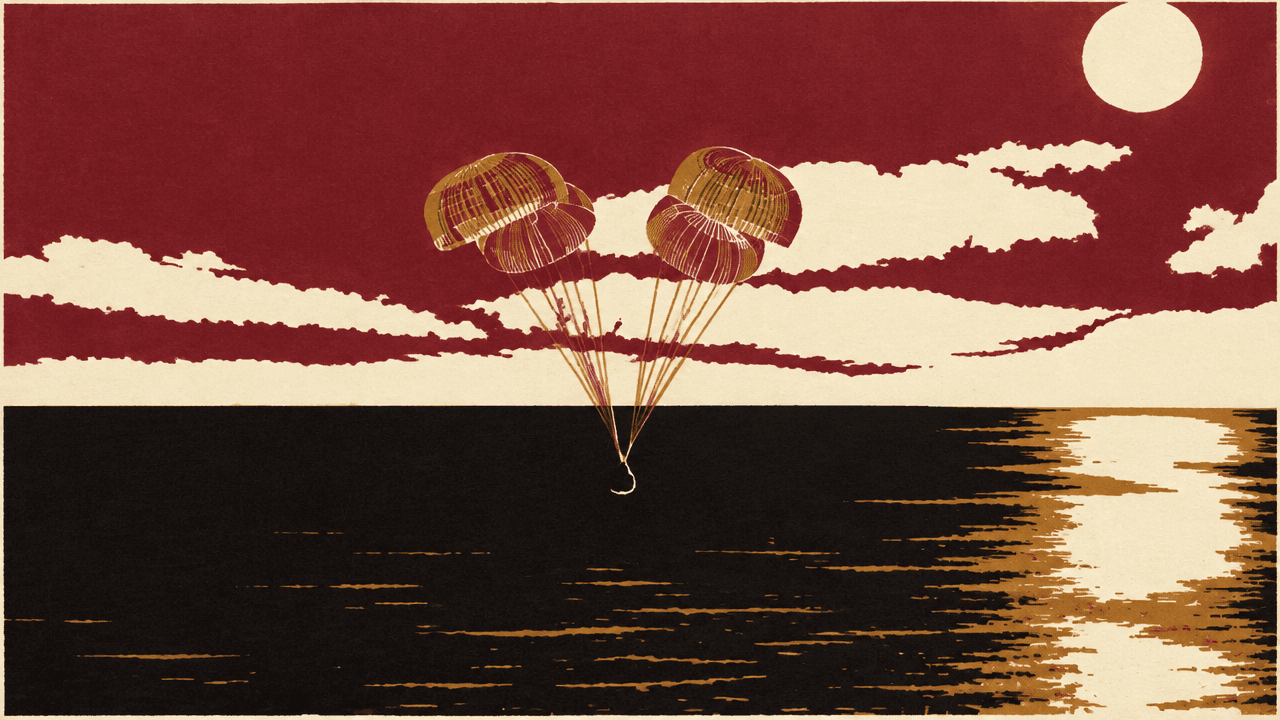
Crew-12 returned to Earth after seven and a half months on the ISS
Dragon Freedom splashed down in the Pacific Ocean off the coast of California, ending Crew-12’s seven-and-a-half-month mission aboard the International Space Station. Mission control confirmed the landing and welcomed the crew home. The return brought Jessica Wittner, Jack Hathaway, Sophie Adenot and Andrey Fedyaev back to Earth.
The final descent was a sequence of deceleration and crew updates, not a single moment at the water. Mission control called out the parachute deployments and reported the descent rate as nominal once the four main chutes were open. Hathaway, Crew-12’s pilot, acknowledged the chute report and said the crew was excited to be back on Earth.
And we are excited to be back on Earth.
As Dragon approached the ocean, the crew and mission control exchanged altitude calls and bracing instructions. Mission control described the landing as a complicated process involving many teams; after splashdown, recovery was the next step. Once Dragon reached the water, its parachutes deflated around it. Hathaway thanked Mary, SpaceX, NASA, ESA and Roscosmos.
Drogue chutes reduced speed before the main chutes opened
Dragon’s parachutes slowed the capsule in stages. The drogue chutes deployed first, stabilizing and decelerating the spacecraft before the four main chutes opened for the final descent. Mission control said the drogues deployed at roughly 350 miles per hour and reported two healthy drogue parachutes. Without them, the main chutes would need to be three times stronger and heavier, according to the commentator.
Just before drogue deployment, the seats automatically rotated to about 26 degrees to keep the crew within acceptable G-force limits during entry and landing. The crew received a warning to brace, and pilot Jack Hathaway acknowledged it. A few seconds after the drogues were deployed, the main chutes began to open. Mission control reported their descent rate as nominal once all four had inflated.
SpaceX’s on-screen telemetry captured how quickly the capsule’s speed fell as the parachutes deployed. The readings move from 1,544 kilometers per hour before drogue deployment to 511 kilometers per hour with two drogues visible. Later, as the main chutes began opening and then fully inflated, the displayed speed fell to 166 and 86 kilometers per hour, respectively.
| Displayed speed | Displayed altitude | Parachutes visible |
|---|---|---|
| 1,544 km/h | 19.8 km | Before drogue deployment |
| 511 km/h | 5.4 km | Two drogue chutes deployed |
| 211 km/h | 3.1 km | Drogue chutes deployed |
| 166 km/h | 1.6 km | Main chutes beginning to open |
| 86 km/h | 1.4 km | Four main chutes fully inflated |
Mission control said Dragon was expected to reach about 16 miles per hour by splashdown, down from an orbital velocity of about 17,500 miles per hour. The 16-mile-per-hour figure was an expected speed at water contact, not one of the telemetry readings shown above. The staged slowdown—from the initial high-speed descent, through the drogue phase, to the main-chute descent—was central to the landing sequence.
A water landing requires Dragon to be waterproof
Mission control described a water landing as simpler and as providing more margin against unlikely parachute problems. That approach required SpaceX to make Dragon waterproof, a capability the commentator said the company had to learn to build into the spacecraft. The explanation connects the landing method to the capsule’s design: water is the landing surface, so the vehicle must be able to return to it safely.
The crew could not readily see what was happening outside the capsule, so mission control continuously kept them updated during the descent. It relayed altitude calls, including 1,000 meters and 600 meters, as Dragon approached the water. The commentator described the views as unusually clear in the daytime, while the callouts and communications between the crew and mission control continued through the final approach.
The expected splashdown time was 8:34 a.m. Pacific, or 11:34 a.m. Eastern. Mission control confirmed the landing and welcomed Crew-12 home. Recovery remained the next step after the capsule and crew had returned to the ocean.