SoftBank’s $65 Billion OpenAI Bet Raises Concentration Risk
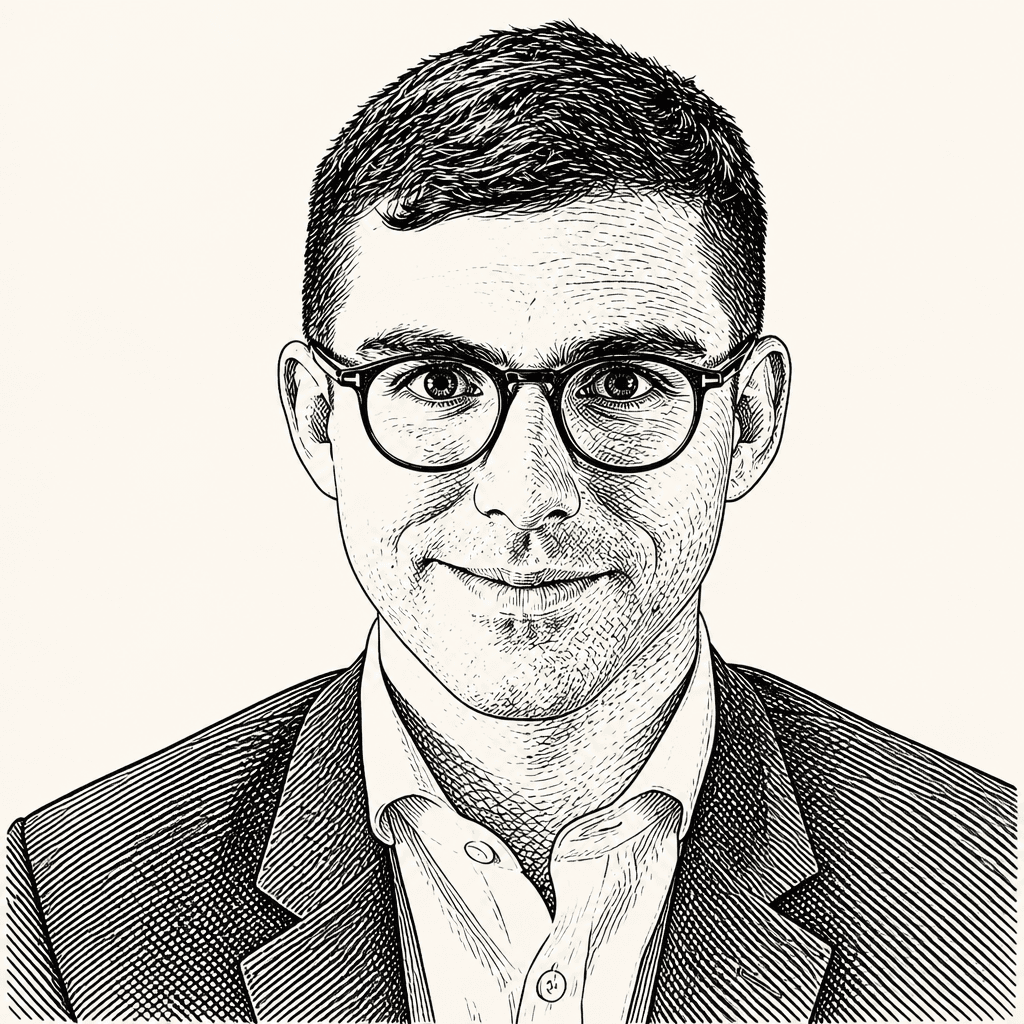
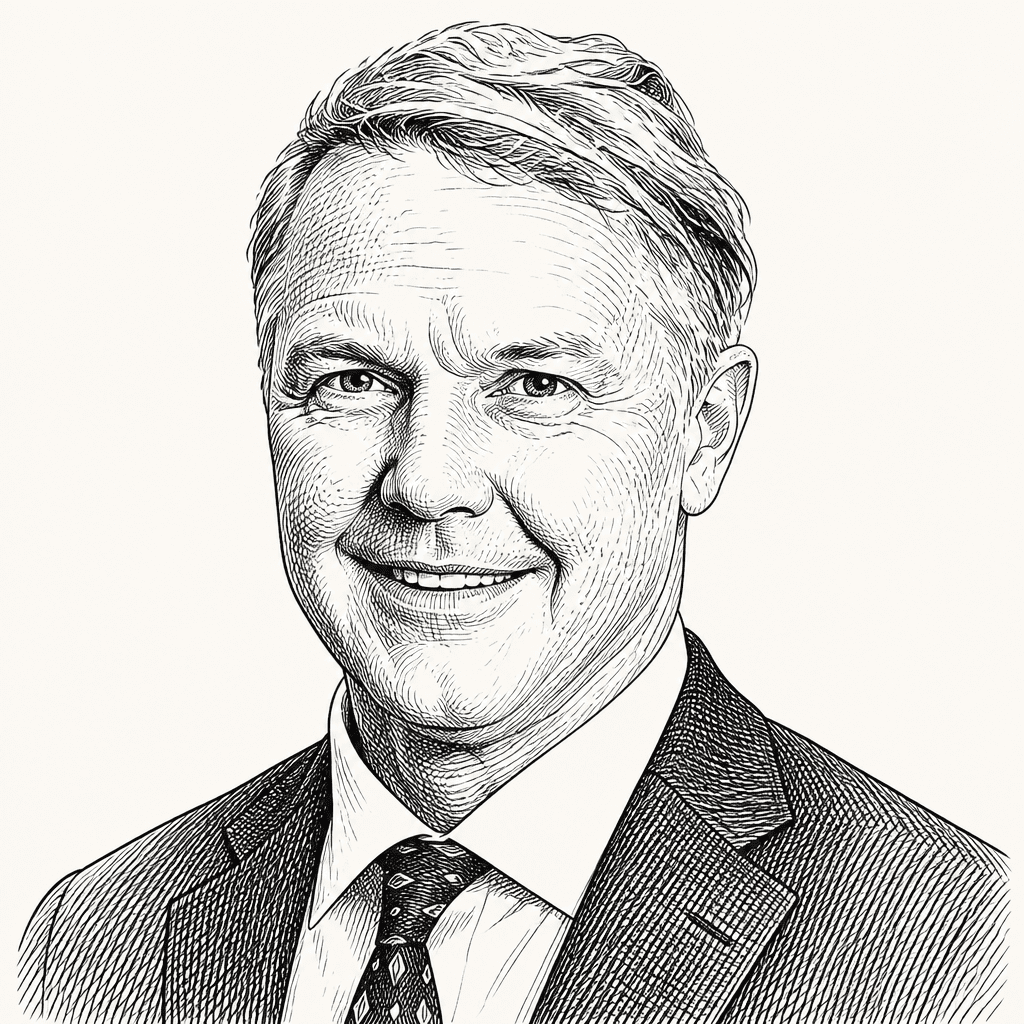
Bloomberg’s Peter Elstrom reports that Masayoshi Son has made OpenAI SoftBank’s largest single-company wager, committing more than $60 billion while selling assets and borrowing to fund it. Elstrom says the scale has raised concern inside and outside SoftBank that Son may be too dependent on Sam Altman’s company, especially as OpenAI faces strategic pressure and SoftBank lacks board-level influence or clear control over major projects such as Stargate.
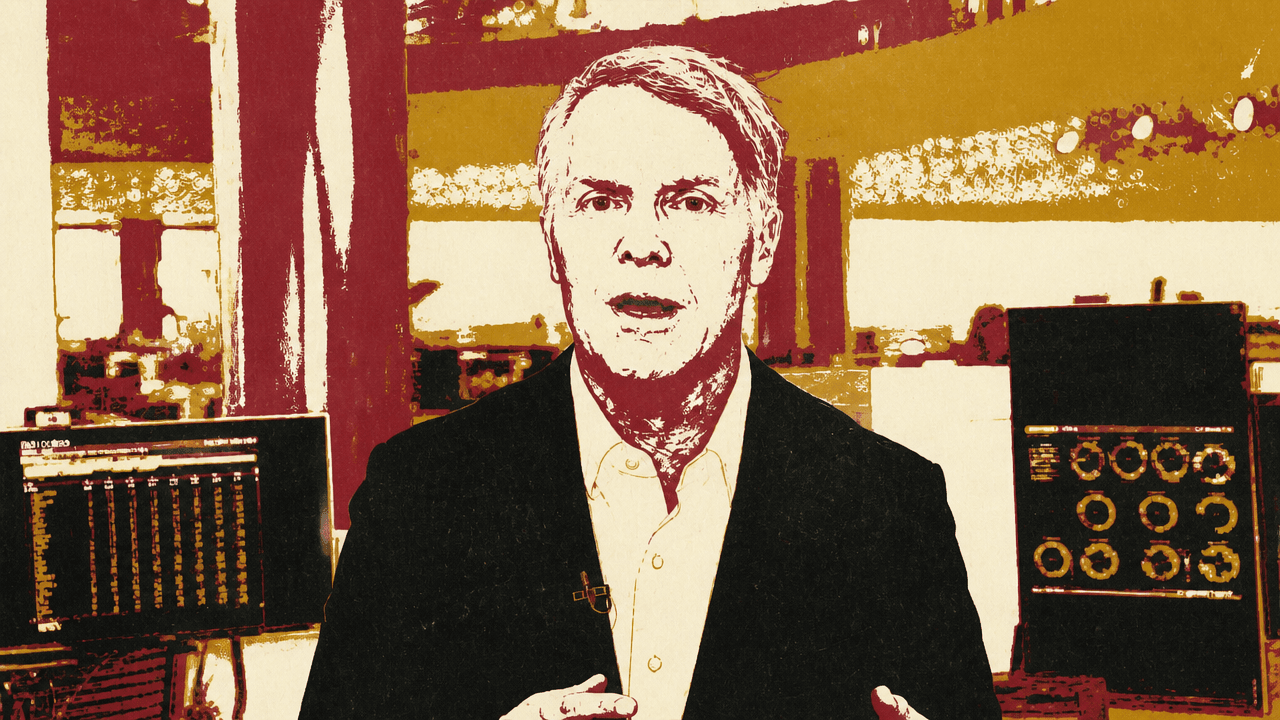
SoftBank’s OpenAI wager is now a concentration risk
Peter Elstrom described SoftBank’s OpenAI commitment as Masayoshi Son’s largest single-company bet: more than $60 billion in capital, and a Bloomberg graphic put the cumulative figure at $65 billion through 2026. The scale matters because, in Elstrom’s account, Son is not merely allocating from spare capacity. SoftBank is selling assets, including some Nvidia stock, and borrowing money to finance the commitment.
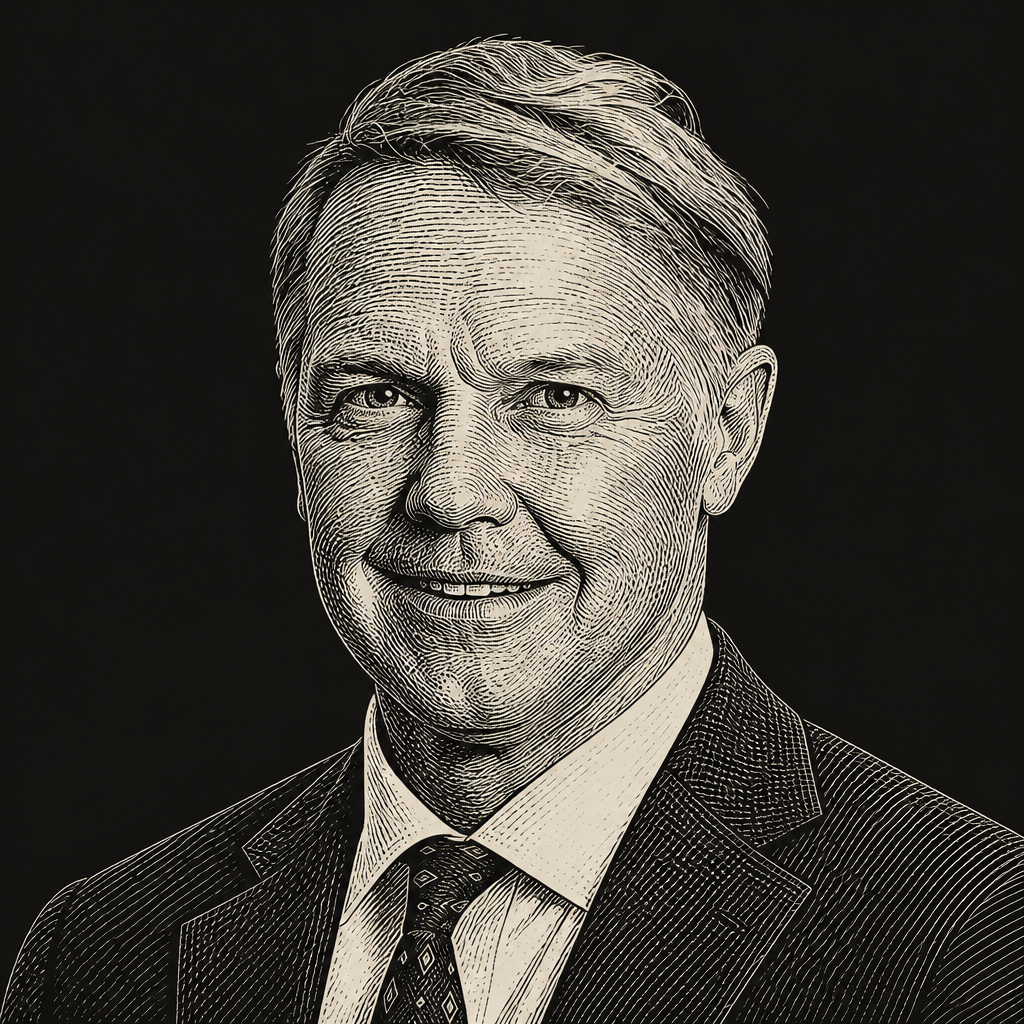
Elstrom placed the investment against Son’s long history as a startup investor. Son’s record includes “enormous hits,” with Alibaba cited as one of his biggest successes, followed by the Vision Fund era, when SoftBank made hundreds of bets on technology companies, with mixed results. The OpenAI commitment is different in concentration: more money than SoftBank has ever put into a single company before, and a large share of the capital Son is now deploying tied to one AI partner.
That concentration is what has raised concern, including inside SoftBank, according to Elstrom. The worry he reported is not simply that OpenAI is expensive or that AI infrastructure requires capital. It is that Son may be “a little bit starstruck” by Sam Altman — persuaded by a charismatic founder to commit more capital than SoftBank should at this point.
OpenAI’s broader position compounds that concern. Elstrom said the investment is being made while OpenAI faces strategic, business, and reputational challenges around Altman. In that context, SoftBank’s exposure is not just large; it is tied to a partner whose path, governance, and public standing are themselves under pressure.
SoftBank and OpenAI publicly describe the relationship as close
Ed Ludlow pressed for SoftBank’s response to Bloomberg’s reporting. SoftBank’s public response was that the partnership remained strong: “SoftBank and OpenAI have built a strong strategic partnership... SoftBank and OpenAI are among each other’s closest collaborators.”
Elstrom said both SoftBank and OpenAI pointed to the quality of the relationship. Their public position is clear: the partnership is strong, close, and strategically important. The concern Bloomberg reported is also clear: a close relationship does not by itself answer whether SoftBank’s financial exposure is justified or whether Son has secured influence equal to the size of the commitment.
The tension is between the language of collaboration and the practical question of leverage. SoftBank is supplying capital on an extraordinary scale. Son, according to Elstrom, is trying to give Altman “the kind of capital that he wants.” But supplying that capital has not necessarily translated into the role Son expected inside OpenAI’s orbit.
Stargate has become a test of Son’s expected influence
Peter Elstrom identified Stargate as one focus of concern: the large US infrastructure venture SoftBank and OpenAI discussed with President Trump. Elstrom said the companies had talked about investing $100 billion, and perhaps as much as $500 billion, in the United States.
Those investments have begun, but Elstrom said they have moved “very, very slowly.” In the meantime, OpenAI has made other deals under the Stargate name with other data-center operators. That matters because Son had viewed himself as an equal partner who would play a key role in the company’s infrastructure buildout, according to Elstrom.
The reported mismatch is stark: SoftBank is committing unprecedented capital, yet Son is not receiving the stature he expected. Elstrom said Son does not have a seat on OpenAI’s board, nor even an adviser seat like many other companies have. The concern, then, is not only whether SoftBank’s capital is at risk, but whether the relationship gives SoftBank enough influence over the strategy its money is helping to fund.
Stargate is where those concerns become visible. If SoftBank’s partnership with OpenAI is meant to be strategically central, slow progress on the original venture and OpenAI’s parallel agreements with other data-center operators create ambiguity about SoftBank’s actual position. Elstrom said that ambiguity is now prompting concern both inside and outside SoftBank about how the relationship is developing.