Jury Rejects Musk’s OpenAI Claims as Filed Too Late
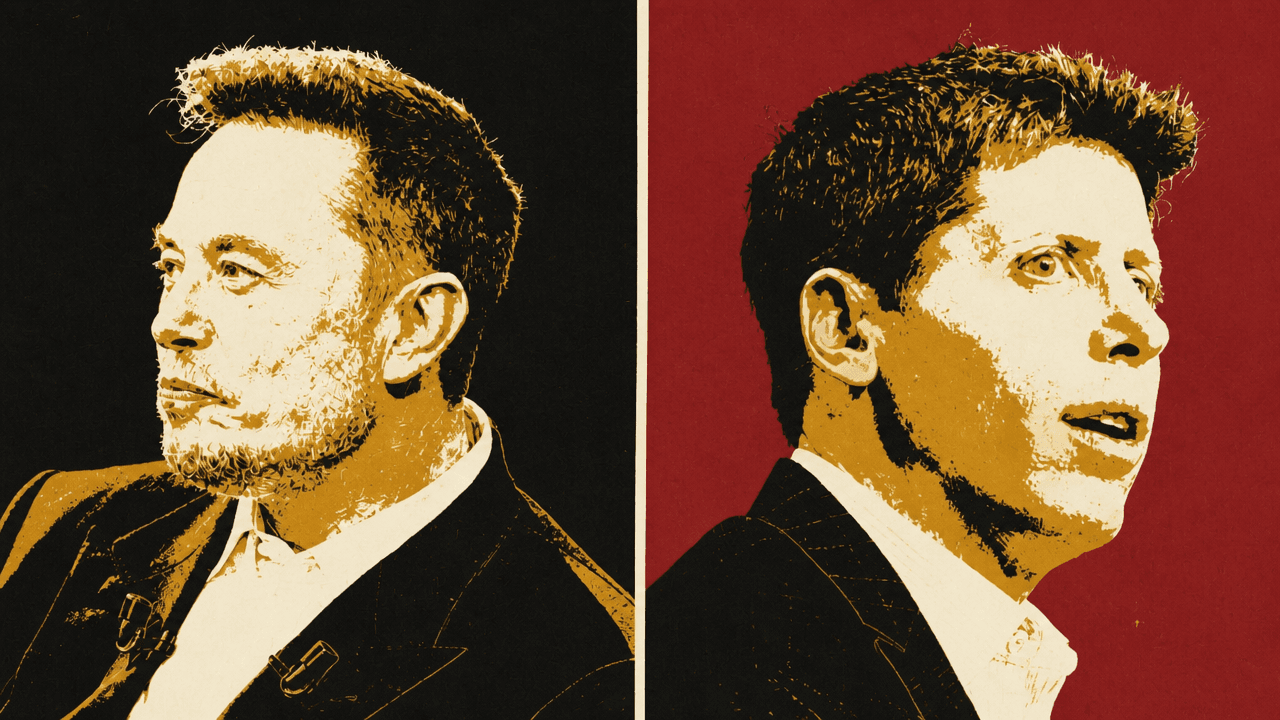
A federal jury rejected Elon Musk’s claims that OpenAI under Sam Altman had strayed from its original charitable mission, finding that Musk waited too long to sue. Bloomberg Intelligence analyst Matthew Schettenhelm said the verdict is a complete win for OpenAI because it removes the immediate threat of court-imposed limits on its for-profit direction without requiring the jury to decide whether Musk’s theory about the company’s mission was right.
The verdict removes a legal constraint without deciding OpenAI's mission on the merits
A federal jury rejected Elon Musk's claims against OpenAI after finding that he sued too late. The breaking-news banner stated the result as: "JURY REJECTS MUSK'S OPENAI CLAIMS, SAYING HE SUED TOO LATE."
Matthew Schettenhelm, a Bloomberg Intelligence media litigation analyst, described the outcome as "really great news" for OpenAI because the suit had threatened to remain over the company as it pursued its current structure. Musk had sought court-issued limits on OpenAI's ability to pursue a for-profit mission, Schettenhelm said, arguing that the company should be constrained by what he characterized as its original charitable roots.
The jury's decision removes that immediate risk. Schettenhelm framed it as a "complete win" for OpenAI: the case was dismissed without the jury needing to decide whether Musk's underlying claims about OpenAI's mission were right. In his words, the jury "didn't even need to reach the merits."
That is strategically important for OpenAI as Schettenhelm described the case: the company prevailed without having to obtain a jury ruling that its nonprofit-to-for-profit path was substantively proper. The decisive issue was timing, not whether Musk's theory of OpenAI's original charitable mission was correct.
Schettenhelm said the jury received the case after closing arguments on Thursday, was off Friday, deliberated the morning of the verdict, and quickly returned its decision against Musk. He said Musk could appeal, but viewed that path as difficult because the judge immediately adopted the jury's decision as her own view, and appeals courts are generally reluctant to second-guess jury determinations of this kind.
The timing problem was that Musk waited years after the relevant negotiations
The "sued too late" finding reflected what Schettenhelm called a difficult factual case for Musk. Much of the relevant negotiation around OpenAI's creation and structure, he said, took place in 2016, 2017, and 2018, while Musk did not bring the lawsuit until much later.
The statute-of-limitations issue, as Schettenhelm explained it, was not a technical aside but the decisive point. Courts impose time limits because parties are expected to bring claims reasonably promptly when they know they have them. A party cannot, in his phrasing, "sit on these things" and revive them years later once it wants to go after someone.
Schettenhelm summarized the jury's position this way: even if Musk had a real claim that OpenAI was supposed to operate as a charity rather than pursue a for-profit mission, he should have brought that claim years earlier because he knew about the relevant facts then. By waiting, he lost the ability to use this lawsuit to challenge the company's direction now.
The updated breaking-news banner described the practical result as: "ELON MUSK LOSES BID TO FORCE OPENAI OVERHAUL."
For this litigation, the nonprofit question is effectively over
For purposes of this case, Schettenhelm said, the decision should settle the nonprofit question for OpenAI.
That answer carried two qualifications. Musk could still appeal to the Ninth Circuit, though Schettenhelm considered it unlikely that an appeals court would disturb the jury's finding. And questions about whether a charity has been misused are typically handled by state attorneys general, not necessarily by private litigants advancing a charitable-trust theory.
Schettenhelm identified the California Attorney General and the Delaware Attorney General as the officials who could have something to say about OpenAI's structure. In this case, he said, both had signed off on how OpenAI proceeded and had not raised concerns. That was one of the unusual features of the litigation in his view: suits of this type would typically be brought by those state attorneys general, but they did not actively litigate against OpenAI's actions.
Musk, by contrast, continued with what Schettenhelm described as a breach-of-charitable-trust claim after his contract claim "sort of fell away." The jury's statute-of-limitations finding now blocks that route in this case.