OpenAI Explores Coordinated Slowdown in Frontier AI Development

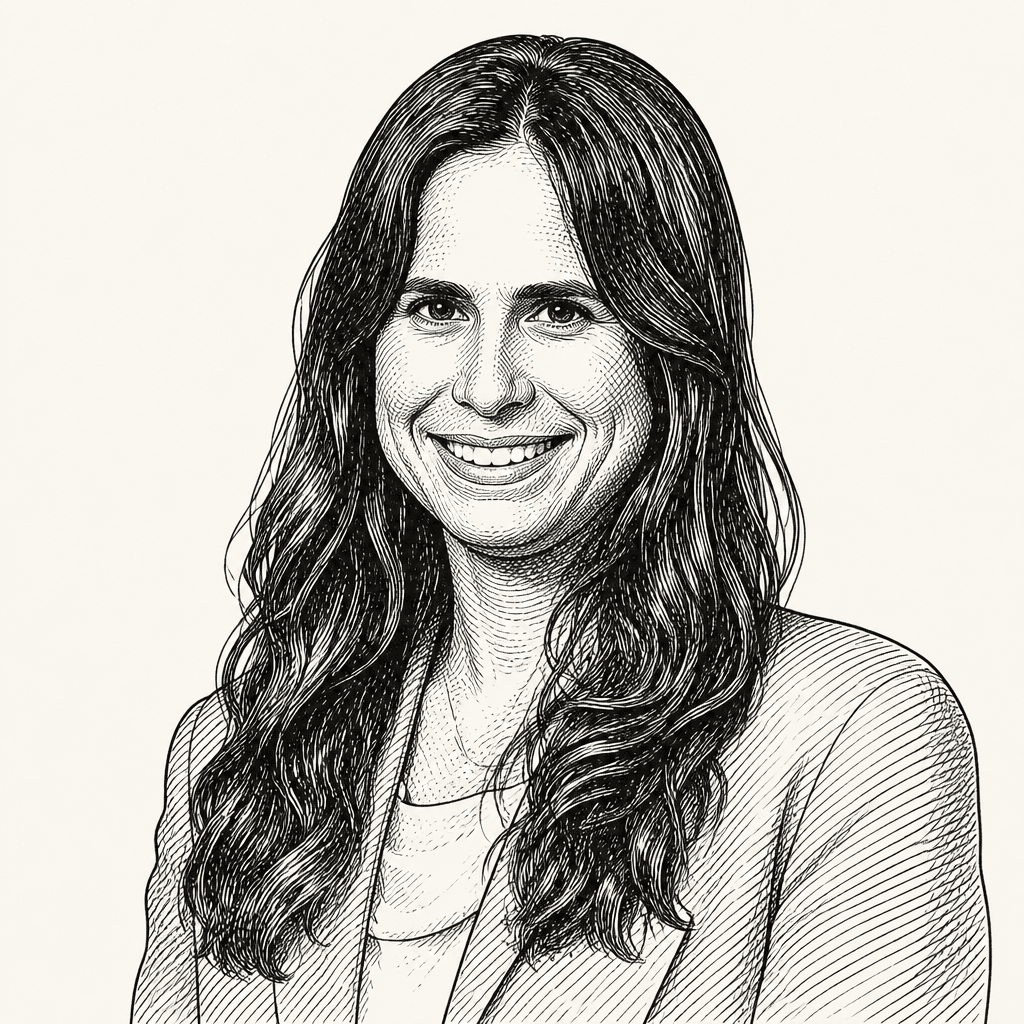
OpenAI is exploring whether leading AI labs could jointly slow the development of frontier systems, Bloomberg’s Shirin Ghaffary reports, after Sam Altman raised the possibility in an all-hands meeting. The proposal is not a unilateral pause: OpenAI’s position is that pacing only matters if competing developers participate. Anthropic’s policies on withholding dangerous models and responding to misuse do not establish whether it would join such a development pact.

A slowdown only works if other labs move with OpenAI
OpenAI is considering whether to pace the development of cutting-edge AI systems, but the idea described by Shirin Ghaffary is explicitly not a unilateral OpenAI decision. Sam Altman raised the possibility in an all-hands meeting, Ghaffary reported, with the company seeking to bring other AI developers into a shared approach.
The company is open to pacing the development of these cutting-edge AI systems, but it can't go it alone.
That condition defines both the proposal and its uncertainty. The reporting did not describe a declared pause, a specific timetable, or an agreement among companies. It described openness to changing the pace of frontier development if other companies participate. OpenAI may be willing to pace itself, but Altman’s reported view was that a slower trajectory by one lab alone would not amount to the kind of restraint at issue.
Ed Ludlow pressed on the practical question: whether Anthropic, specifically, had considered slowing work at the frontier. The answer remained unknown. Ghaffary said OpenAI was trying to get other companies on board and that it was still unclear how many, if any, might join.


The distinction matters because the proposal concerns development itself: how quickly companies advance cutting-edge systems. It is not, in the account presented, a commitment to withhold a particular model once it has been built, nor a description of measures against misuse of an existing system. Those are related safety questions, but they operate at different points in a company’s work.
Anthropic’s safety posture is not the same as a development pact
Shirin Ghaffary characterized Anthropic as a company that has long been vocal about AI’s existential risks. Its chief executive, Dario Amodei, has attracted the “doomer” label, she said, while rejecting that characterization himself. In Ghaffary’s account, the company is philosophically open to the concerns behind arguments for greater restraint.
That philosophical position does not answer whether Anthropic would slow frontier development in concert with OpenAI. Ghaffary identified the immediate practical question as whether the company was prepared to do so now, particularly before a potential public listing that she said could be among the biggest.
Anthropic’s stated safety framework, as Ghaffary summarized it, addresses a narrower and more concrete decision. The company pointed Bloomberg to its responsible-scaling policy, which she described as a framework under which Anthropic would not release a model if it judged the model overly dangerous.
Withholding release is different from pacing development. A release decision asks whether a particular completed or sufficiently developed model should be made available. Pacing development asks whether to slow the work that produces increasingly capable systems in the first place. The first can be made by an individual company under its own framework; the second, in Altman’s reported formulation, depends on other frontier developers taking part.
The source does not establish that Anthropic’s release policy would lead it to join such a coordinated effort. Nor does it suggest that Anthropic has abandoned its existing approach. It leaves the two positions distinct: Anthropic has articulated conditions under which it may withhold a dangerous model, while OpenAI is exploring whether multiple companies might jointly alter the pace at which frontier systems are developed.
The risk discussion extends from future capability to present misuse
Anthropic’s response to internal staff debate framed AI as bringing “enormous benefits and unprecedented risks,” Ghaffary said. The company did not limit those risks, in the material shown, to abstract arguments about far more advanced future systems.
A post displayed during the discussion promoted what Anthropic called its most detailed threat-intelligence report to date. The post said the report covered attempts to misuse Claude for cyberattacks, influence operations, surveillance, biology, and building weapons—and described how Anthropic found and stopped those attempts.
Those examples describe a third kind of intervention: identifying and responding to attempted harmful uses of a model. That is distinct from both slowing frontier research and declining to release a model judged too dangerous. A company can investigate misuse attempts involving a system while it is available; it can decide not to release a future system; and, separately, it can consider whether to reduce the speed of work toward more capable systems.
The reporting places all three ideas in the same broad safety debate without treating them as interchangeable. Anthropic’s threat-intelligence work concerns attempted misuse. Its responsible-scaling policy concerns release thresholds. Altman’s reported proposal concerns the development pace of frontier AI and the possibility of coordination among competing labs.