OpenAI Employee Arrested in Hidden-Recording Device Investigation


An OpenAI employee was arrested on an allegation of planting a hidden recording device in an executive conference room at the company’s San Francisco offices, Bloomberg reporter Rachel Metz reports. A criminal complaint outlined occasions when the employee was allegedly near the room and included an image Metz identified as showing the employee behind a television, where the device was found. OpenAI said there was no sign sensitive data had been compromised; the report did not establish whether the device recorded anything.
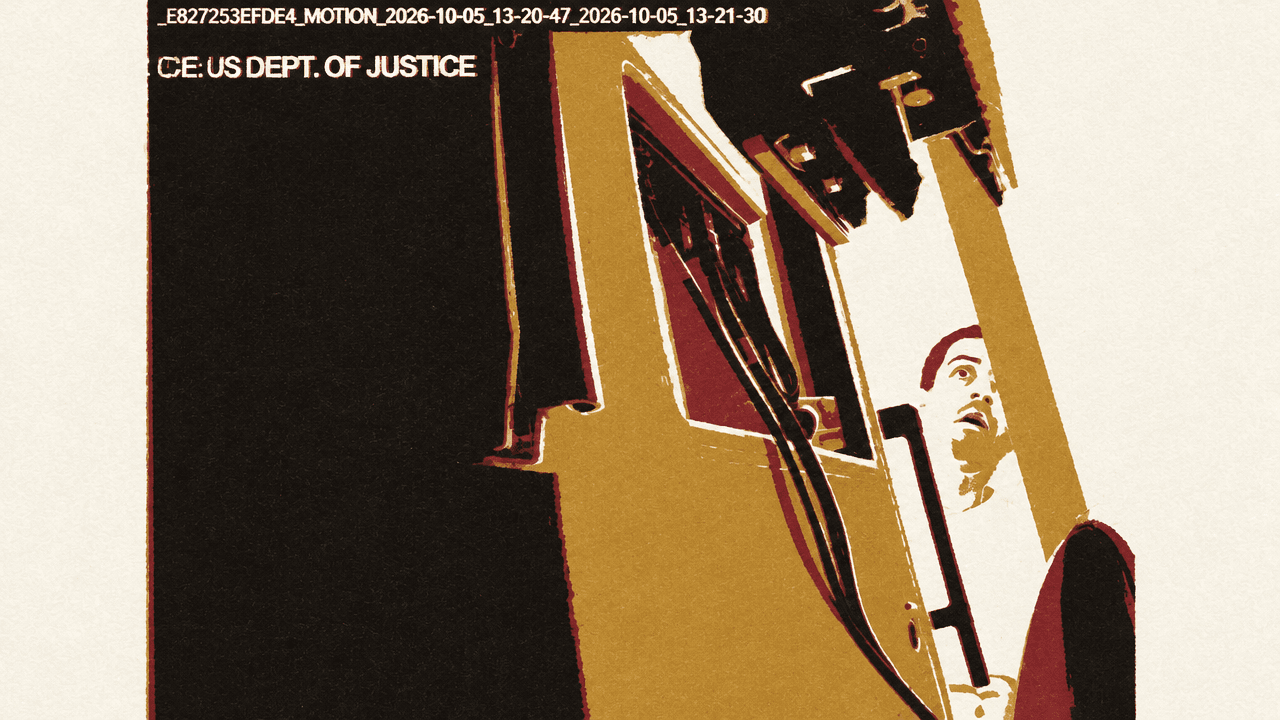
The complaint places the employee near the room and the device behind a television
An OpenAI employee was arrested after allegedly planting a hidden recording device in an executive conference room at the company’s San Francisco offices. OpenAI reported the device to the FBI, which took over the investigation. The company said there was no sign that sensitive data had been compromised.
Rachel Metz described a criminal complaint unsealed the day before the report. It included a timeline of occasions when the employee had allegedly been near the conference room, which Metz said helped explain the arrest. The complaint also included an image that Metz described as showing the employee peering behind the television. The displayed image, attributed on screen to the U.S. Department of Justice, showed a face reflected behind a monitor and circled in red.


The device was found at the back of a television in the executive conference room. Images shown alongside Metz’s account included a view of the television’s rear, with a small object circled, and a close-up of a circuit board with a flexible black antenna. Metz said the device had been disguised in toilet paper. She did not know why it had been wrapped that way.
The report did not describe what, if anything, the device recorded or who might have had access to recordings. OpenAI’s statement was limited to saying there was no sign sensitive data had been compromised. Metz said a federal court hearing in San Francisco was scheduled for the following Monday, where she expected more information to emerge.
The markings gave Metz a way to identify the device
The close-up image showed the words “Seeed Studio” and “2.4G A-D2.” Metz said the device number in the court filing made it relatively easy to look up. From that number, she said, the device appeared to be available for sale. She described Seeed Studio as a company that sells a variety of devices, including this one.
Metz characterized the item as a small computing device with a built-in microphone and a camera, among other components, and said it could be used for surveillance. The image showed the circuit board, antenna and visible product markings; Metz’s identification came from looking up the number in the filing. Her description connected the hardware in the photograph to a product that appeared to be commercially available, rather than establishing how it was acquired or who placed it.
The price she gave was $14. She also said it had been disguised in toilet paper, but offered no explanation for that choice. The account did not establish how long the device had been in the room or whether it had been used to record a meeting.
How OpenAI assessed the device was not explained
Ed Ludlow asked Metz about OpenAI’s reported use of its own AI models to assess the device. Metz said she did not know much more about the process. She assumed the company might have taken a picture of the device and asked a model for information about it.


That was Metz’s tentative explanation, not a confirmed account of OpenAI’s procedure. The exchange did not identify which model was used, what information the company sought, or what the assessment concluded. It left the method and results of that assessment unspecified.
The reported facts remained narrower: the device was found behind a television in an executive conference room; the complaint described alleged visits near the room and included an image Metz identified as showing the employee behind the television; and OpenAI said it had found no sign that sensitive data was compromised. The criminal investigation and the scheduled court hearing were still underway.