AI Demand Broadens Beyond Hyperscalers Into Software, Devices and Space


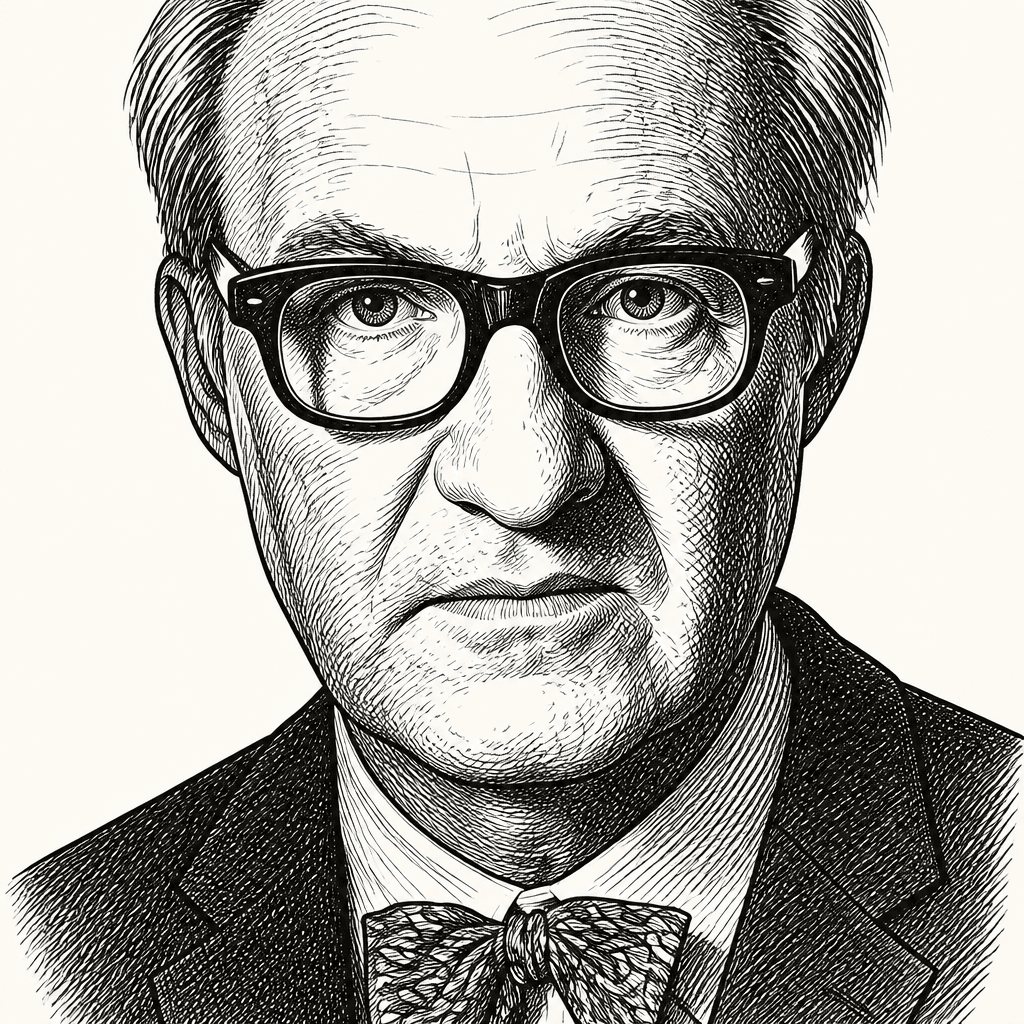
Ivan Feinseth, chief investment officer at Tigress Financial, argued on Bloomberg Technology that the AI investment case is already broader than the hyperscale capex cycle and the next wave of AI IPOs. He pointed to Microsoft’s Azure and Copilot revenue, Adobe’s underrecognized AI content tools, Garmin’s health-and-wellness devices and SpaceX’s long-duration space story, while cautioning that AI-native IPOs may draw strong initial demand but will still have to prove themselves as public companies.
Feinseth’s AI exposure list runs through Microsoft, Garmin, Adobe and space
Ivan Feinseth treated the expected AI IPO pipeline as only one part of the investable AI landscape. His broader point was that AI-related opportunity is already showing up across large-cap software, enterprise cloud, device-based health and wellness, and even the renewed investor appetite for space.

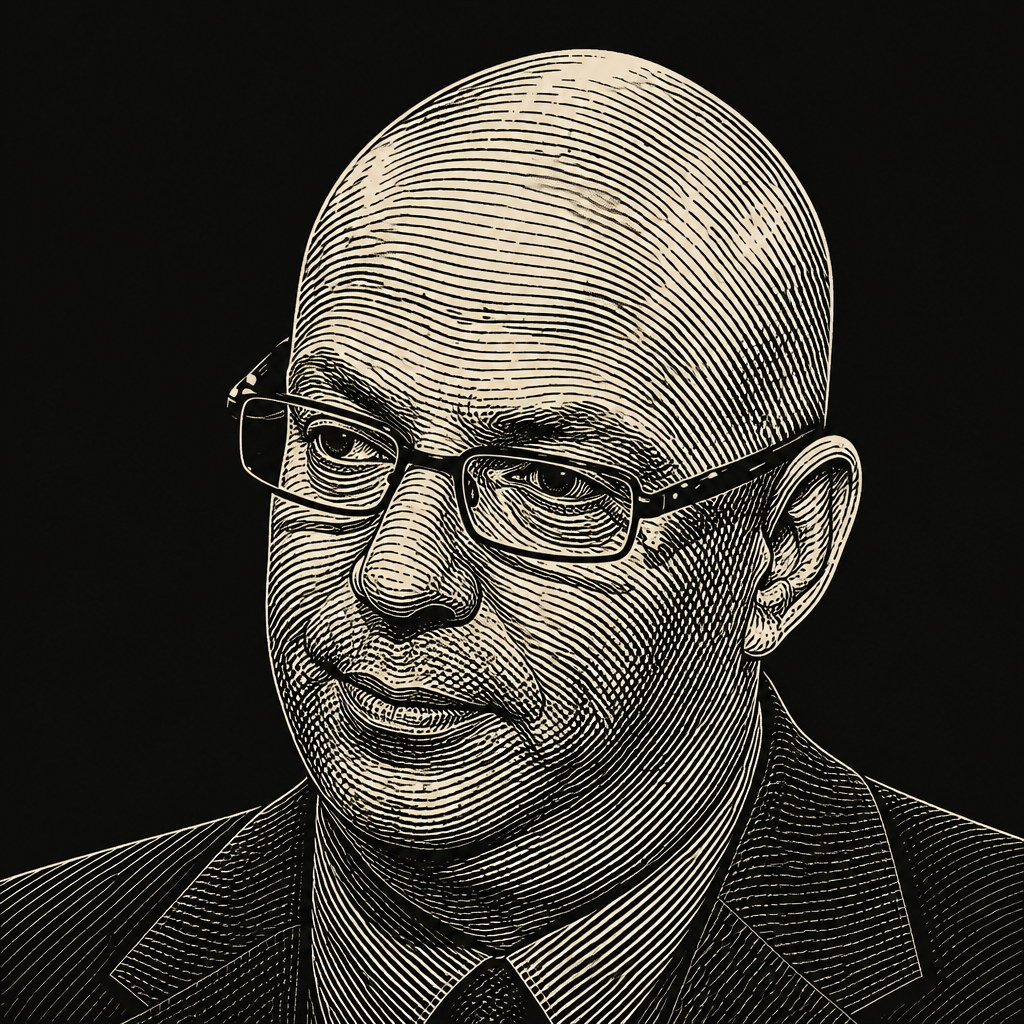
Microsoft was his preferred large-cap AI exposure. Feinseth argued that one of the best AI plays “not getting the respect” it deserves is Microsoft, though he said the stock appeared to be turning again. His reasoning was specific: Microsoft has a powerful AI platform in Azure, and while Copilot may not yet be gaining the traction investors expected, it is still driving revenue. He said Microsoft is getting more subscriptions after shifting Copilot toward commercial and business users.
Adobe was his clearest disappointment. Feinseth said he has been “disappointed” in the company’s market recognition even though he views it as “a very powerful AI creation” platform. In his view, Adobe has not yet been properly credited for its contribution to content development. Tom Keene sharpened that point by saying investors are looking at Adobe management and asking, “What is going on?” A market graphic shown during the exchange listed Adobe premarket at 249.90.
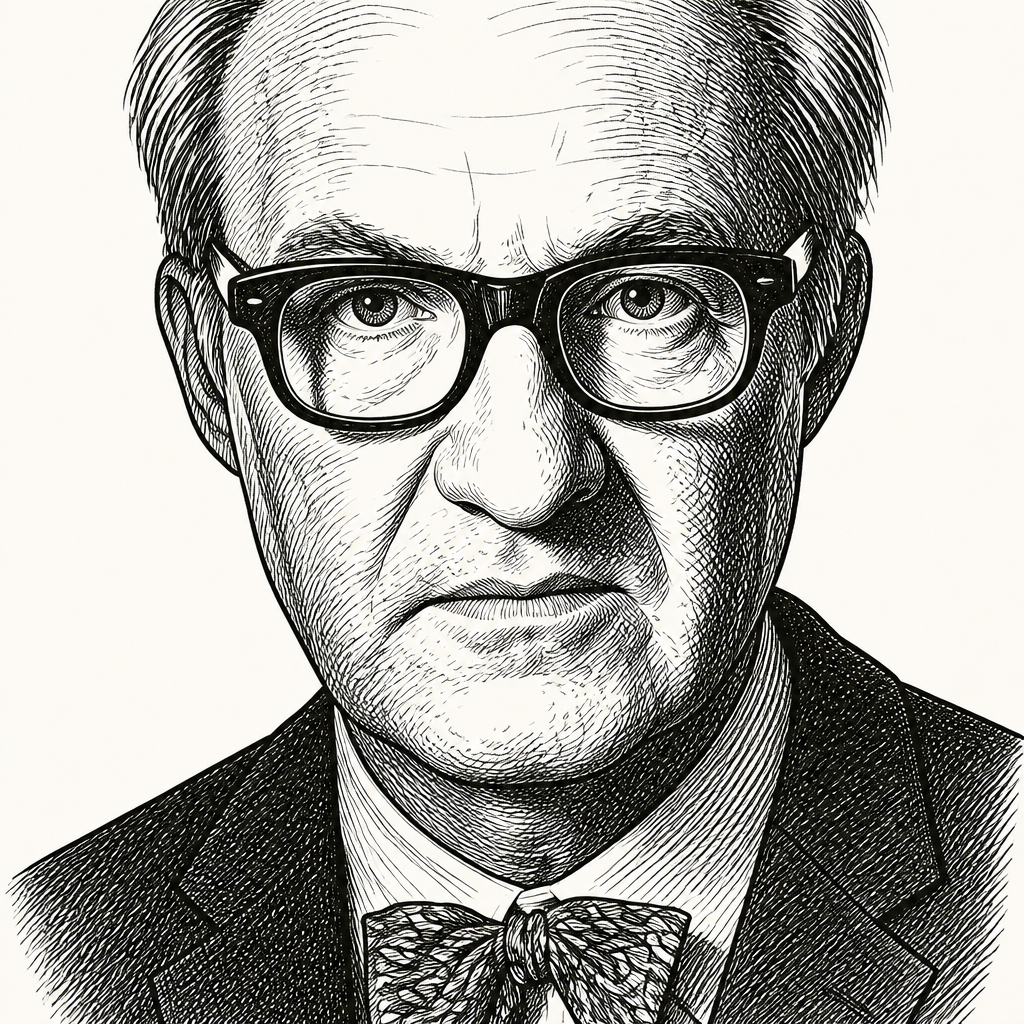

Feinseth briefly placed Adobe alongside earlier stock calls. He said he had been bullish on Qualcomm for a long time and that it “finally caught fire.” He also said he had been early on Intel and had argued Intel would “regain its former glory,” before returning to Adobe as a company whose AI contribution he believes remains underrecognized.
AI IPO demand may be strong at first, but public companies still have to perform
Ivan Feinseth separated product enthusiasm from public-market durability when discussing expected AI IPOs, including Anthropic and OpenAI. He said his favorite among the AI products is still Perplexity, while also saying he likes ChatGPT because it gives him “good information and good data.”
He added a practical caveat about using these tools: when looking for specific data, it helps to specify the time period because the systems may otherwise default to older periods. Feinseth’s interest in AI products was tied not only to market attention, but to how he said he uses them.
On IPOs, his view was direct: there would be “a lot of interest” at the beginning, but that would not settle the investment case. Once public, the companies would have to perform.
There is going to be a lot of interest in these IPOs, at least in the beginning, then they’re going to have to perform.
That caution sat alongside a live reminder of how quickly AI headlines are moving through public markets. Keene flagged a headline that Anthropic was in talks to use Microsoft’s AI chips, adding that Microsoft moved up about 1% “instantly.” A separate on-screen headline read: “AI INFRASTRUCTURE BUILD-OUT REMAINS IN EARLY INNINGS.” Feinseth’s Microsoft case, as he described it, rested on Azure, Copilot revenue and business-user subscriptions rather than on any single AI-native IPO.
SpaceX asks investors to underwrite a long future
The SpaceX discussion was framed by a visible Bloomberg Radio headline reading: “SPACEX FILES FOR NASDAQ IPO UNDER SYMBOL SPCX.” Paul Sweeney called the potential size “staggering” and asked how investors would approach a company of that scale.


Feinseth’s answer was unambiguous: with huge interest and enthusiasm. He described a renewed focus on space after a “40-year hiatus” and argued that computing power and AI could help drive “huge leaps” in the sector. He also put the appeal in cultural terms, saying “everybody loves space” and recalling the excitement around the Apollo launches. In his view, that enthusiasm is returning in a more receptive environment with broader investor interest.
The valuation problem was explicit. Sweeney said some investors may argue that no matter how far out they model the business, the valuation “just makes no sense.” He compared that objection to arguments made for much of Tesla’s life, noting that Tesla had worked out for investors despite similar skepticism. Another on-screen headline captured the same tension: “SPACEX IPO REQUIRES LEAP OF FAITH IN AI, MARS AND MUSK’S VISION.”
Feinseth did not answer with a valuation model. He summarized the investment premise as “having faith in the future.” He then broadened the space-investing point: “if you like space, you got to like Boeing.”
Garmin was his favored device play
Ivan Feinseth named Microsoft first within big-cap technology when asked for his “single best buy,” consistent with his earlier comments on Azure, Copilot revenue and business-user subscriptions. A premarket overlay shown during the exchange listed Microsoft at 428.61, up 7.55, or 1.79%.
He then highlighted Garmin as an “interesting play in a lot of different areas.” Feinseth said Tigress had issued a new report the day before and raised its price target on Garmin to 325, while the stock was around 237. His investment rationale centered on health and wellness, especially “AI-driven health and wellness functionality.” By the end of the exchange, he called Garmin “one of my favorite stocks.”
Feinseth said he had not spoken directly with Bill Ackman about Microsoft, but added that Tigress had been one of the underwriters of the IPO for Ackman’s Pershing Square management company and a Pershing Square closed-end fund. He said the timing was “perfect” for Microsoft because the fund launched after a pullback in many tech stocks.