Lyft Says Its Average Share of Rider Fees Is 15%, Capped at 30%

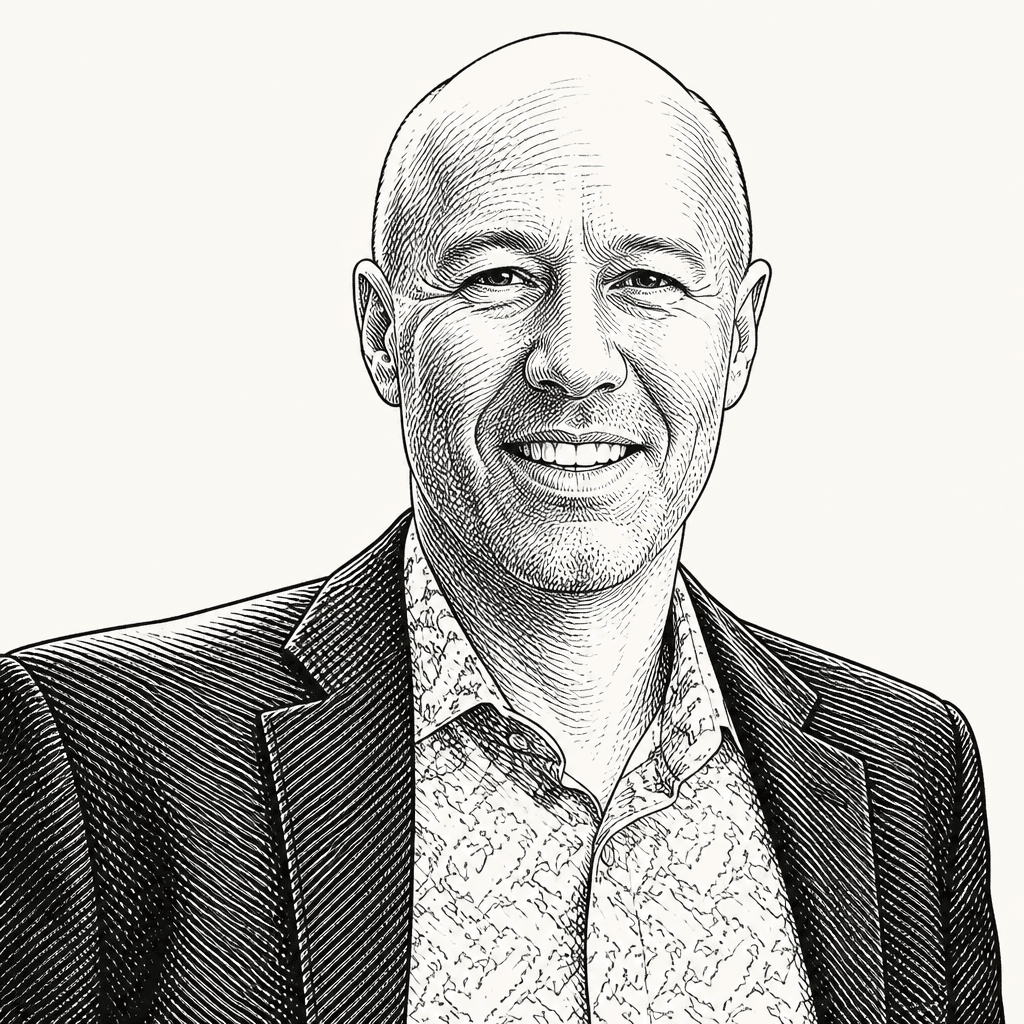
Lyft Chief Executive David Risher says the company takes no more than 30% of a rider’s fee after insurance costs, with its average share at 15%. In an interview with Bloomberg Tech’s Tim Stenovec, Risher said Lyft introduced the cap after driver feedback and returns money to drivers weekly; he also said driver supply and hours on the platform are at all-time highs.

Lyft says its fee cap is 30%, with an average share of 15%
David Risher said Lyft will take no more than 30% of a rider’s fee after insurance is deducted. The average share, he said, is 15%. Lyft introduced the fee cap about a year ago in response to driver feedback, and Risher said the company rebates money to drivers every week under the arrangement.
We will never take more than 30% of the fee that a rider pays um after insurance is taken out. And the average is 15%.
Bloomberg’s Tim Stenovec raised the issue after saying drivers he speaks with often complain that ride-hailing companies take too much of the fare. Risher said he hears the same feedback and drives on Lyft’s platform himself, giving him experience on the driver side as well.


Risher said driver supply and driver hours were at all-time highs, including around Halloween, which he described as a particularly busy night. He argued that drivers will stay with Lyft if the company serves them well. He also said Lyft has “about a 50-point preference gap” compared with drivers who work for competitors.
Lyft’s acquisition work is turning a US business into a more global one
Risher said Lyft’s core business is strong enough to create room for growth. Bookings were up 17% year over year, he said, and active riders had reached repeated all-time highs. He also cited about $1.1 billion in cash generated over the trailing 12 months, a run that he said had lasted five consecutive quarters.
Lyft has used acquisitions to expand beyond its historically US-focused business. Risher cited European taxi app Free Now, TBR Global Chauffeuring, Gett UK and bike businesses. He said a Lyft rider can now use the app in 120 cities, including London, Paris, Barcelona and Amsterdam.
That availability is an integration milestone, not the end of the work. Free Now still operates under its existing brand, Risher said, and must be brought under the Lyft name across Europe. He also said more work remains to integrate employees and teams. Bringing the companies’ technology platforms together is complex, he said, but the first milestones were achieved ahead of schedule, largely with help from AI. Risher described the productivity gains as encouraging.
He did not signal that further acquisitions were imminent. Lyft has substantial work ahead integrating the businesses it has already bought, and Risher said the current focus was delivering service in North America while using that business to expand overseas.
Citi Bike’s growth comes with city-regulated pricing
Citi Bike is not for sale, Risher said, calling it an important Lyft product. He said he uses the bikes regularly in New York, sometimes more than Lyfts or the subway, because they are fast. In summer, he said, the service records about 200,000 rides a day in New York. Lyft’s San Francisco bike system had also recorded five consecutive months of all-time-high rides, he said.
Those usage figures sit alongside higher prices for New York e-bike trips. Stenovec cited member pricing of 27 cents a minute and non-member pricing of 41 cents a minute, and asked how much more Lyft could charge before riders decide the trip is not worth it.
Risher said pricing is carefully regulated under Lyft’s contract with New York City, which permits only small increases. He said Lyft tries to keep the service affordable and argued that it remains a good value compared with other options. He also described the bike as an affordable transportation option, pointing to riders who want to save money as well as those who can spend more on transportation.
For Risher, the bike business serves riders with different budgets and remains valuable to Lyft as well as its customers. He said Citi Bike is an important part of many people’s lives, and described its speed and appeal as reasons he values the service.