Khosla Ventures Seeks Record $5.5 Billion Across New Funds
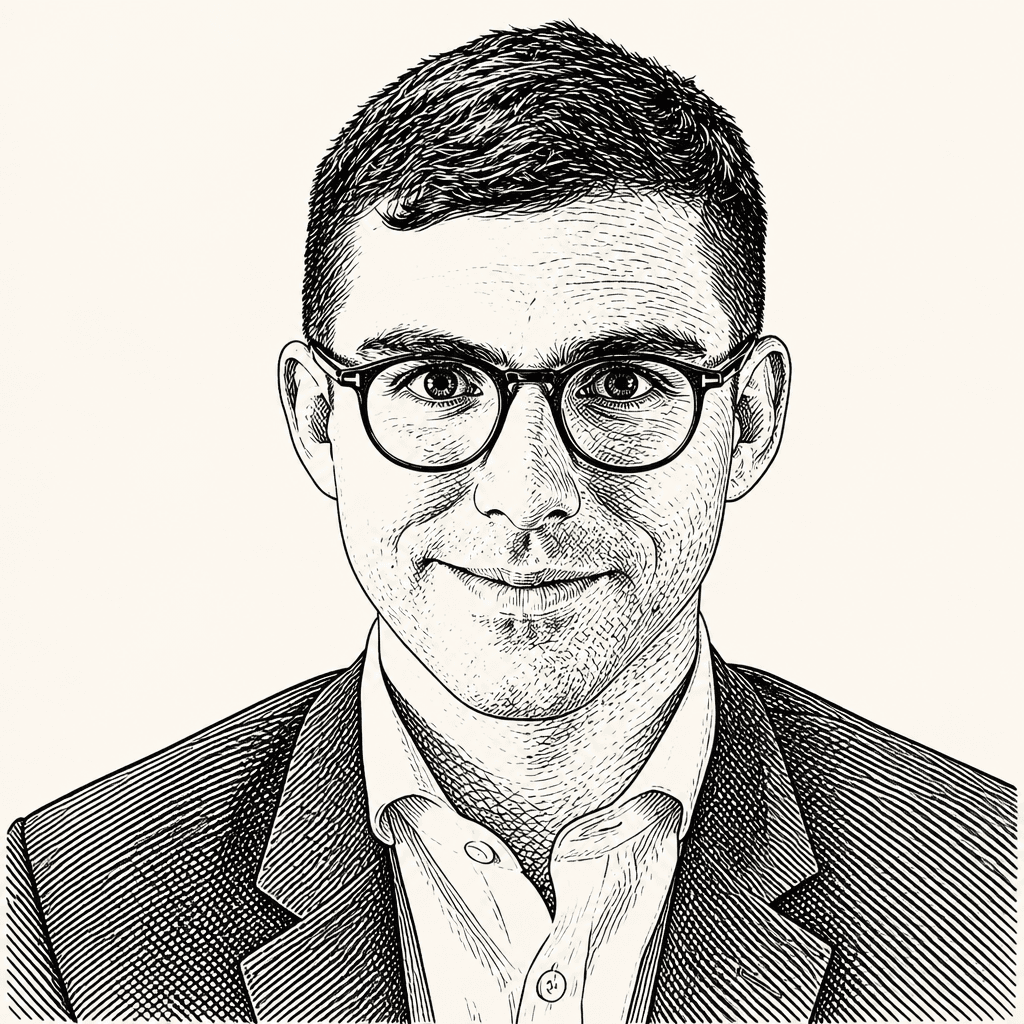

Khosla Ventures is in talks to raise $5.5 billion across new venture funds, a deal that would be its largest ever, Bloomberg’s Natasha Mascarenhas reports. The firm is returning to limited partners while still deploying the $4 billion it raised last year, reflecting faster capital deployment and rising competition for promising companies. Most of the proposed capital would target early-stage investments, with $2.5 billion reserved for later-stage follow-ons.
Khosla is returning to market while last year’s $4 billion is still being deployed
Natasha Mascarenhas says Khosla Ventures has begun fundraising conversations for $5.5 billion across multiple new venture funds, even as the $4 billion it raised last year remains actively deployed, according to her understanding.


If completed, the raise would be the firm’s largest fundraising event to date. Mascarenhas characterizes the timing as proactive: venture firms are returning to investors before they need to draw fully on existing capital because they are deploying money more quickly into a market where competition for companies and the cost of investing have both risen. Ed Ludlow says a Khosla spokesperson declined to comment on the reporting.
Khosla is already a sizable venture platform. An on-screen summary lists $15 billion in total assets, 20 active funds, and 581 active investments. Founded by Vinod Khosla in 2004, the prospective raise would expand an established operation rather than establish a new investing strategy.
It does show you how competitive and how expensive being a venture capitalist is today.
Mascarenhas places Khosla in a broader fundraising environment that favors firms with early stakes in prominent AI companies. She says early OpenAI or Anthropic backers have especially strong stories to tell prospective limited partners, and points to Menlo Ventures’ largest-ever fundraise the prior month as another recent example.
The new funds would keep Khosla early while reserving capacity for bigger rounds
Most of the proposed $5.5 billion would go to early-stage investments, Mascarenhas says. That focus reflects Khosla’s effort to repeat the kind of early success it had with OpenAI, where Mascarenhas says the firm was the first outside investor.
The proposed structure, however, does not confine Khosla to initial checks. Of the total, $2.5 billion would be reserved for an opportunity fund intended for later-stage investments. The practical effect would be to preserve capital for selected portfolio companies as they raise larger rounds, while leaving the majority of the new money available for early bets.
Mascarenhas ties that allocation to two linked shifts in venture capital: later-stage round sizes are increasing, and investors are more willing to concentrate capital in a smaller number of companies. An opportunity fund gives Khosla a vehicle to maintain or expand exposure to companies it has already identified as winners without redirecting the entire fundraising effort away from its early-stage orientation.
The arrangement also explains why the OpenAI investment matters beyond its headline value. Mascarenhas says Khosla is trying to replicate that early-investor model: identify companies before they become expensive, then retain the ability to participate as their financing needs grow.
OpenAI may be the headline, but Khosla’s remit is broader than AI applications
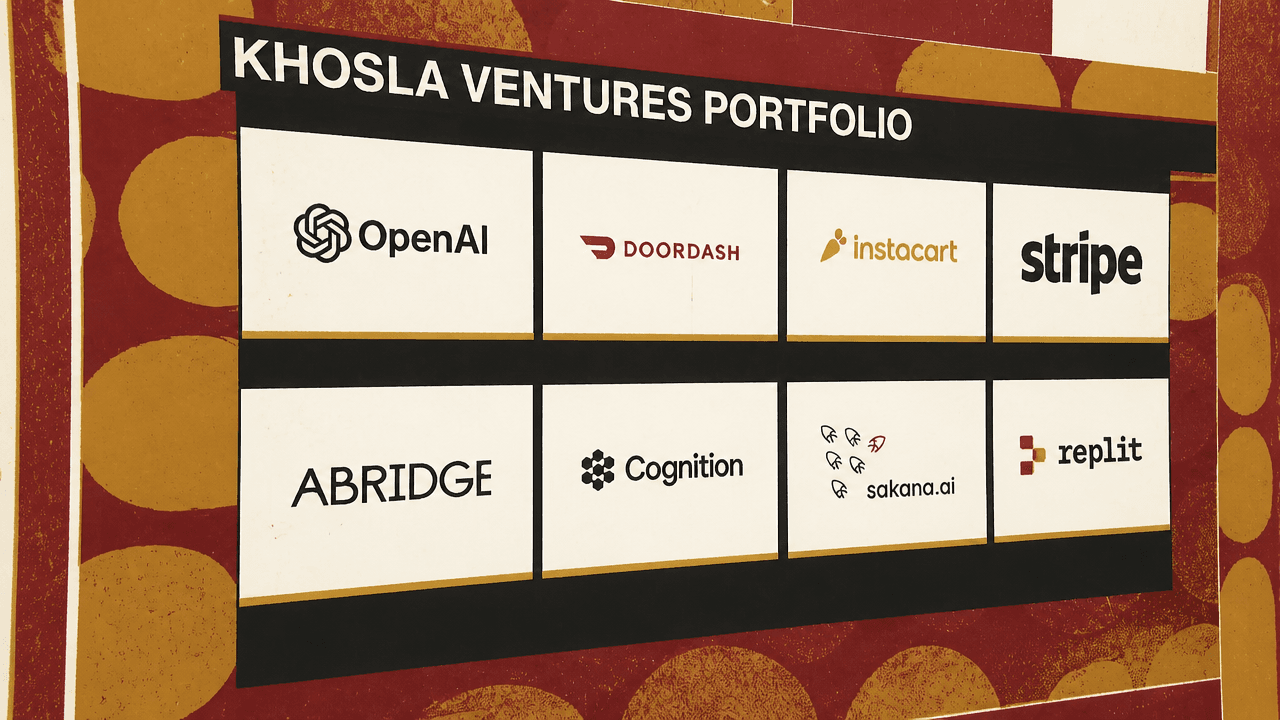
Khosla’s displayed portfolio includes OpenAI, DoorDash, Instacart, Stripe, Abridge, Cognition, Sakana AI, and Replit. The mix places high-profile software and AI companies alongside investments that point to a wider technology remit.
Natasha Mascarenhas describes Khosla as more than an AI-application investor. She points to Sakana AI, which she says is building a Japanese large language model, as well as companies working in robotics and climate. But when she thinks of Khosla Ventures, she says biotech, hard tech, and deep tech are central to the firm’s identity.
That broader mandate sits alongside what Mascarenhas describes as a continued commitment to early-stage investing. While other venture firms have expanded into what she calls a “uniquely broad set of side quests,” Khosla has maintained that early focus across technical categories rather than presenting the proposed funds as a narrowly defined AI vehicle.
Ed Ludlow adds that biotech, hard tech, and related areas also reflect Vinod Khosla’s own interests. The proposed raise would therefore add scale to a strategy that combines early exposure to emerging technical fields with later-stage follow-on capacity for the companies Khosla chooses to back more heavily.