Prediction Markets Are Becoming Campaign Tools—and a Target for New Rules
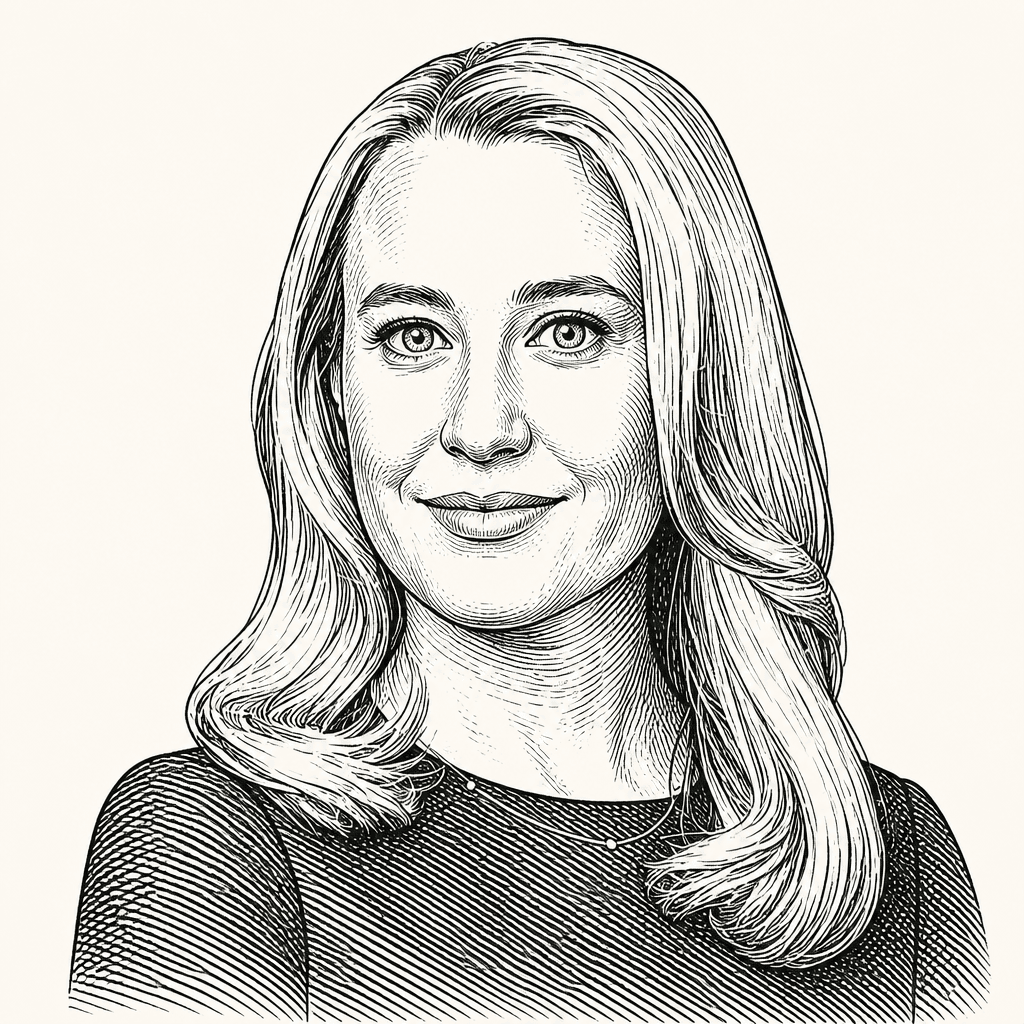

Kalshi CEO Tarek Mansour says prediction markets have become tools for political campaigns, with most or all campaigns using their real-time forecasts to inform decisions. He argues that the industry needs clearer federal rules as its use grows, including limits on insider trading and stronger customer protections. Mansour also makes the case that Kalshi’s open-market model differs from betting against a house, as the company expands into futures and other products.

Prediction markets are becoming campaign tools—and a regulatory target
Tarek Mansour called this the first election in which prediction markets have become institutionalized. He said that most, if not all, campaigns are now using market data to inform decisions about their races. He argued that the markets’ appeal lies in their accuracy and their real-time response to breaking news.


That growing use is also the backdrop to pressure from Capitol Hill. Asked about Senator Ted Cruz’s plan to introduce legislation to rein in the industry, Mansour said Kalshi has engaged with Republicans and Democrats and considers itself “a pro-regulation company.” He said the company spent its first four years getting regulated and now wants rules that match a market with 30 million customers.
Mansour identified three priorities: banning markets that should not exist but are available offshore; policing insider trading and barring members of Congress and the administration from participating; and establishing a comprehensive customer-protection regime. The aim, he said, is to let people innovate, compete and trade while providing guardrails.
The fight turns on market structure, not whether speculation is betting
Tyler Kendall asked what a Supreme Court ruling classifying sports contracts as gambling would mean for Kalshi’s business model, amid litigation across states. Tarek Mansour framed the dispute as a turf battle between regulators, comparing it to past conflicts between state and federal authority over the Chicago Board of Trade and to the longstanding division between the CFTC and SEC. He argued that the central question is how the market is structured.
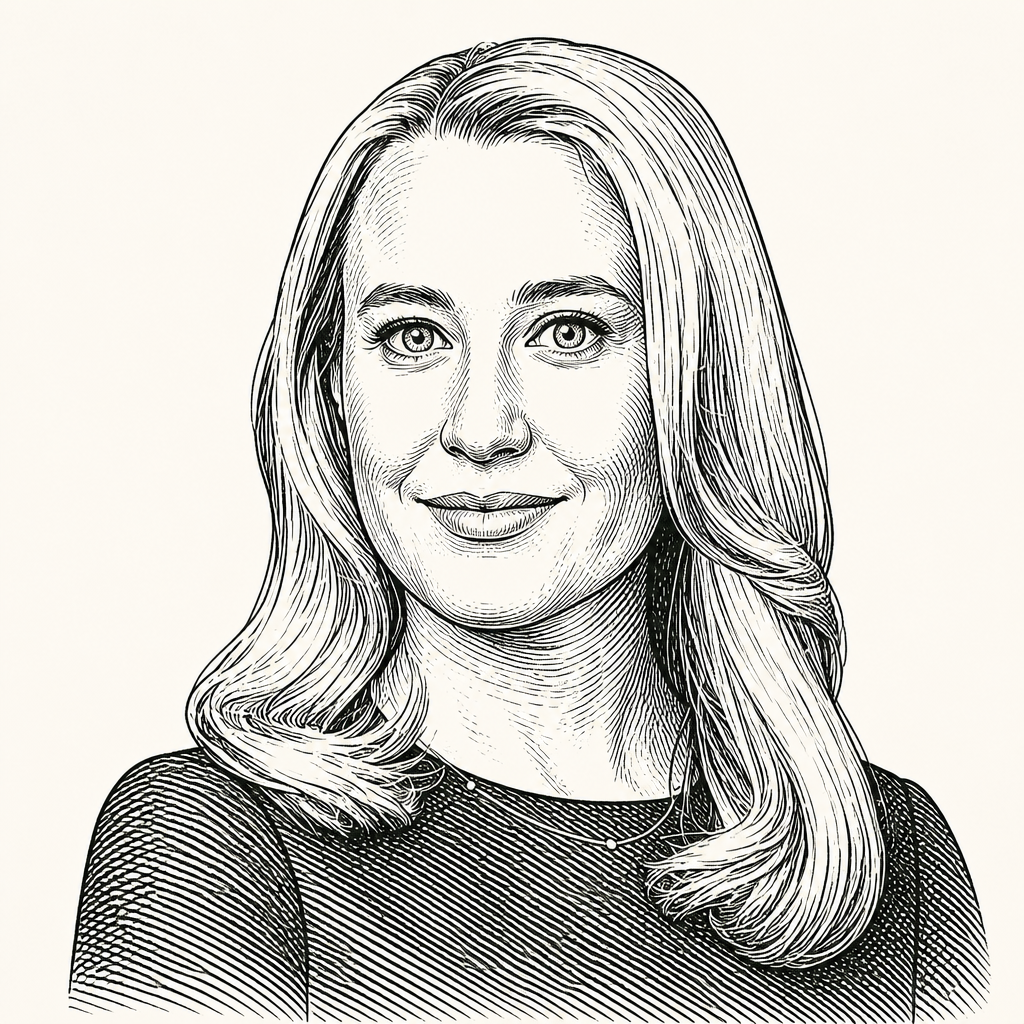

Speculation, Mansour acknowledged, resembles betting: people speculate on stocks and oil prices as well as on Kalshi. But he argued that there is a regulatory difference between betting against a house and trading in an open market.
The question is not about whether there is betting. The question is about are you doing it against a house, where the sole purpose of the house is take your money, or are you doing it on an open market?
In Mansour’s account, that distinction matters because an open market can produce forecasts from many traders and give people a way to hedge. He pointed to the midterm forecasts Kendall had cited as an example of the information the markets produce, and said customers hedge across sports, elections and economic conditions. His argument for a different regulatory regime rests on the exchange’s role in producing prices and forecasts, not on claiming that users are never speculating.
Kalshi is broadening beyond elections as product lines grow
Mansour declined to discuss IPO timing or filing strategy after Kendall cited reporting that Kalshi was raising money at a $40 billion valuation and considering an IPO the following year. He instead described a business expanding across categories. Crypto products, he said, were growing faster than prediction-market and sports products, while commodities were Kalshi’s fastest-growing product line at the time of the interview.
The company had announced inflation futures and was focused on compute futures. Mansour also said Kalshi was moving into securities and stock exchanges. Bloomberg’s on-screen text identified a Kalshi filing for perpetual-style oil futures with the CFTC. He described the broader effort as applying markets to price discovery across physical commodities such as grain and oil, as well as less tangible measures.
Inflation is one target. Mansour said Americans lacked good tools for forecasting inflation over the next 12 months, and argued that a large pool of customers could help fill that gap. He made a similar case for compute and AI, where he said people face questions that markets could help price.
To illustrate his view, Mansour described Kalshi’s strongest inflation forecaster as “a random dude in Kansas” with no typical Wall Street background. He said the trader had helped make the inflation markets more accurate over time. The example supported his claim that the company’s customer base—what he called “Main Street”—can outperform Wall Street at predicting some outcomes, including inflation.
Perpetual products already account for a large share of volume
Asked whether perpetual products could eventually outgrow prediction markets, Mansour said the two were already comparable by volume. He estimated that Kalshi was doing around $1 trillion in annual volume, with a little more than half from predictions and the rest from non-prediction products, including futures and perps. He cautioned that he had not checked the most recent numbers.
Perpetual products take time to mature, he said, but their growth trajectory has been exciting. Kalshi started with crypto, moved into commodities and was preparing to add single stocks, AI and compute. The expansion he described extends the exchange model across a wider range of products, beyond elections alone.