U.S. Trade Deals With Allies Are Tied to Economic Security

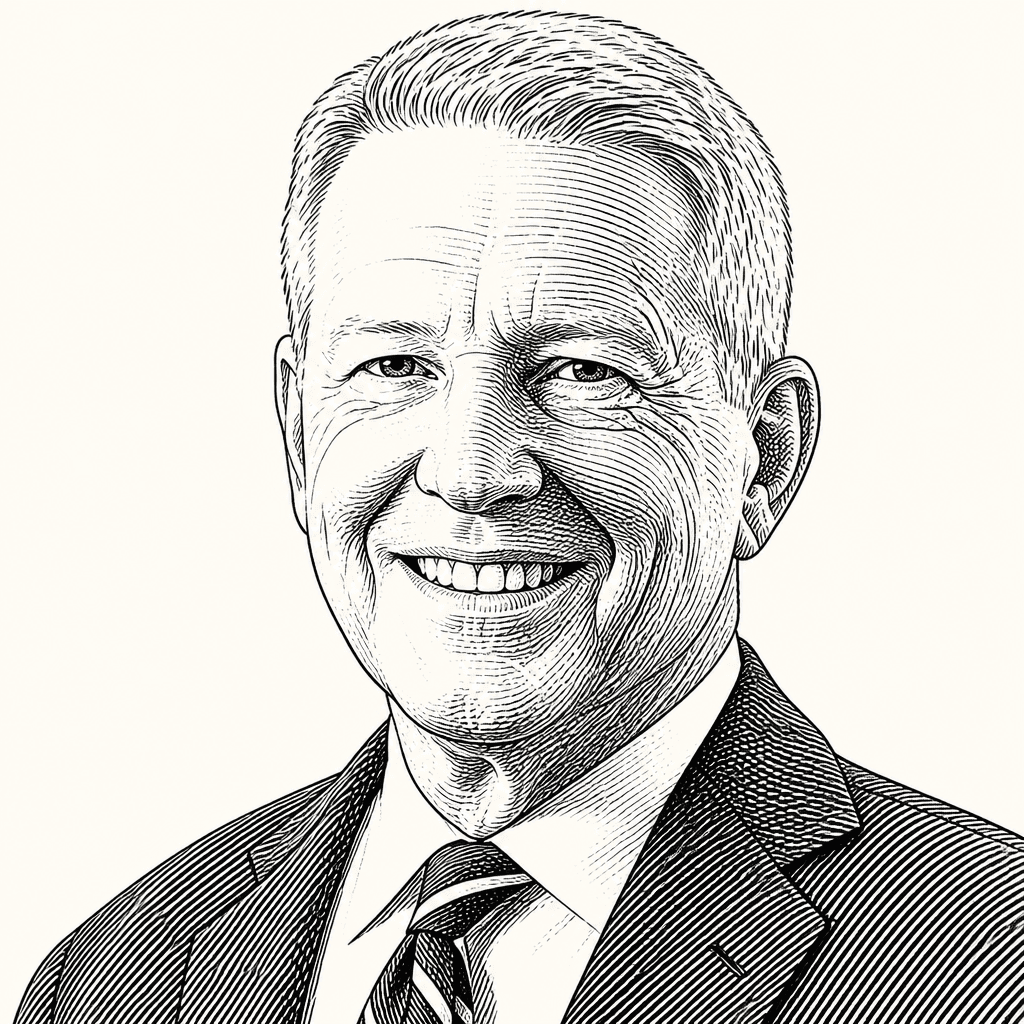
JPMorgan Chase CEO Jamie Dimon argues that completing trade deals with US allies is both an economic priority and a matter of national security. Speaking with Bloomberg’s David Westin, he said the United States should correct unfair treatment but still finish agreements, given the deep investment ties between the US and its partners and the importance of economic strength to the country’s security.

Dimon makes economic strength part of national security
Jamie Dimon Jamie Dimon argues that the United States’ economic position is inseparable from its security. “If you want to be safe, have the best military in the world,” he said, “it’s predicated upon having the best economy in the world.” He linked those strengths to the dollar’s reserve-currency status, presenting economic capacity not simply as a domestic goal but as part of what supports the country’s standing and security.

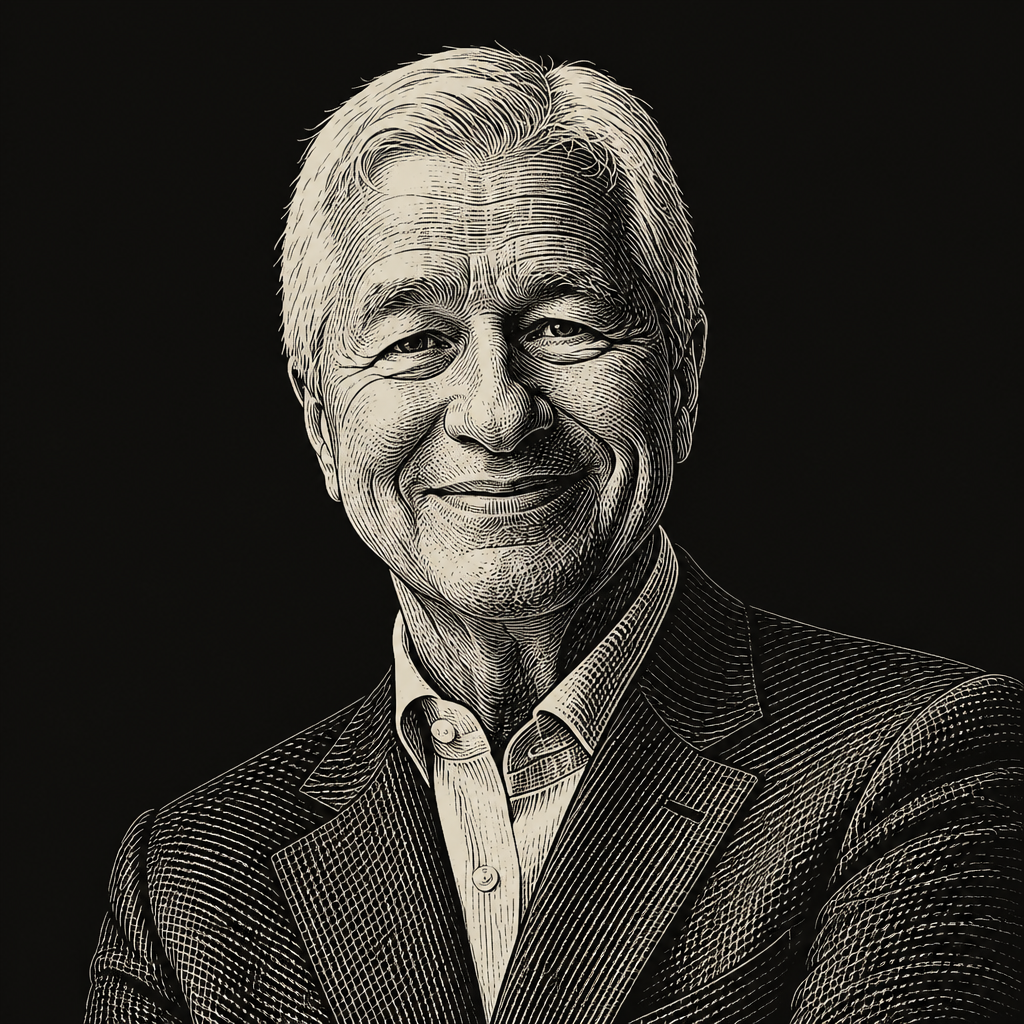
Dimon also pointed to US geography and resources: the Atlantic and Pacific, and the food, water, and energy the country needs. Those advantages, in his account, sit alongside the need for sound economic policy; they are not a substitute for it. He divides that policy into domestic and foreign dimensions, while arguing that foreign policy has direct economic consequences.
In particular, Dimon treats foreign policy as industrial, regulatory, and investment policy. That framing connects decisions about international relationships to the conditions in which companies invest and operate. He cited the scale of those ties: companies overseas have between $20 trillion and $30 trillion invested in the United States, he said, while American companies have “almost equal numbers” invested overseas. The figures describe substantial investment in both directions, making the economic relationship difficult to separate from the question of how the United States deals with other countries.
That is the context for his call to keep the Western world together through trade. For Dimon, the case for strong relationships is not only that the countries involved are friends and allies; it is also that their economies and investments are closely connected.
Fix unfair treatment, but finish the trade deals
Dimon named Europe, the United Kingdom, Japan, Australia, Mexico, Canada, and South Korea as friends and allies, and said they represent 60% of global GDP. He also cited the institutional ties between the United States and other countries: 40 military alliances and 20 free-trade agreements. Together, those figures frame his argument for treating trade with allies as part of a broader effort to preserve the Western world’s economic and security relationships.
His position allows for disputes. “If we’re being treated unfairly, we should fix it,” he said. But he paired that qualification with a clear preference for completing trade deals. In his view, finishing those agreements is better for the United States and for the countries on the other side.
The scale of the relationships he described helps explain why he sees completion as worthwhile. Dimon cited large investments flowing in both directions and an allied group that accounts for a substantial share of global GDP. Those are the economic connections his call to maintain trade relationships rests on. He did not suggest that existing arrangements should be left untouched: unfair treatment, in his formulation, should be corrected. His point was that addressing it and completing agreements are compatible goals.
We should try to get these trade deals done. It’s better for the US, it’s better for those countries.