Ford Pledges $1 Billion in Orders to Rebuild Michigan Manufacturing
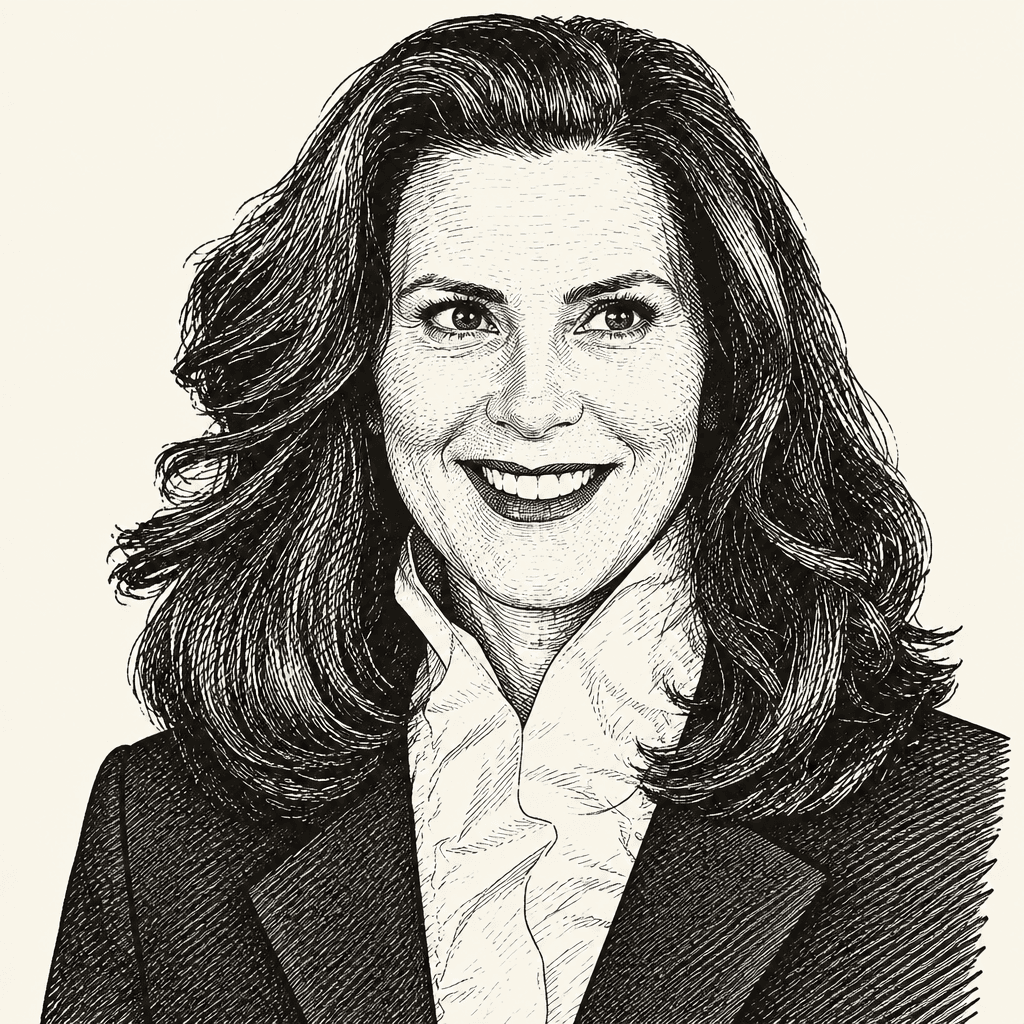 Gretchen Whitmer
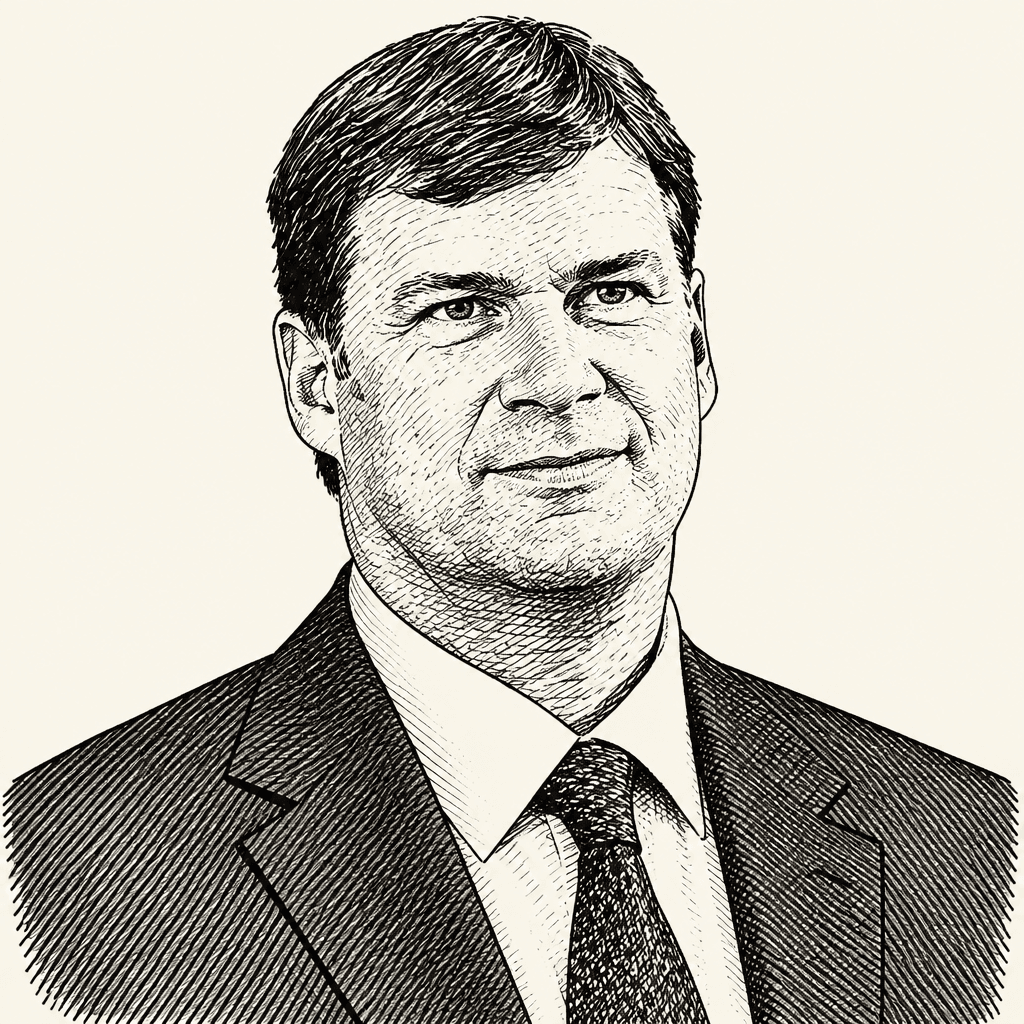 Jim Farley
 David Westin
 Jamie DimonBloomberg TechnologyTuesday, September 29, 20267 min read
Ford will commit $1 billion in purchasing to companies developing advanced manufacturing capabilities under Michigan Lift, a program launched with JPMorgan Chase and the state of Michigan. In a Bloomberg interview, Ford CEO Jim Farley argued that suppliers need customers as well as capital to rebuild production capabilities that moved overseas; JPMorgan CEO Jamie Dimon said the bank would serve as an anchor capital provider. The initiative is intended to connect Michigan innovators with financing and orders, with a focus on supply chains such as magnets and rare earth materials.

Michigan Lift is meant to turn industrial ideas into orders
The program announced in Detroit is called Michigan Lift, short for Launchpad for Industrial Innovation and Transformation. Its central problem, as Jim Farley described it, is how to bring back production that moved overseas when companies judged it cheaper to buy abroad. Some of those capabilities, he said, matter not just for industry but for national independence and defense.
Farley said Ford will commit $1 billion in purchasing to new companies developing advanced manufacturing capabilities. He named magnets and rare earth materials as examples of things Ford has bought overseas and now wants to buy domestically. JPMorgan and the state of Michigan are partners in the effort.
The mechanism matters: an innovative supplier may have a product, but still need an order from a customer before it can move beyond experimentation and build a real plant. Jamie Dimon said markets can address many needs, but that turning an invention into a working industrial supplier can require a group effort. Ford’s purchasing commitment supplies a potential customer and order; Dimon described JPMorgan as an anchor capital provider; and Michigan’s role, as Governor Gretchen Whitmer later put it, is to connect innovators with capital and customers. The source does not specify how applications will be evaluated or how funding will be allocated.


Westin characterized the intended businesses as including small and medium-sized companies as well as start-ups. Farley confirmed that the initiative is intended to be Michigan-focused, while saying a Canadian company with relevant industrial innovation could apply. He also stressed that the program is meant to be a Michigan initiative. Dimon said the model should be replicated elsewhere and in other industries if it works.
Resilience means rebuilding capacity without abandoning cross-border ties
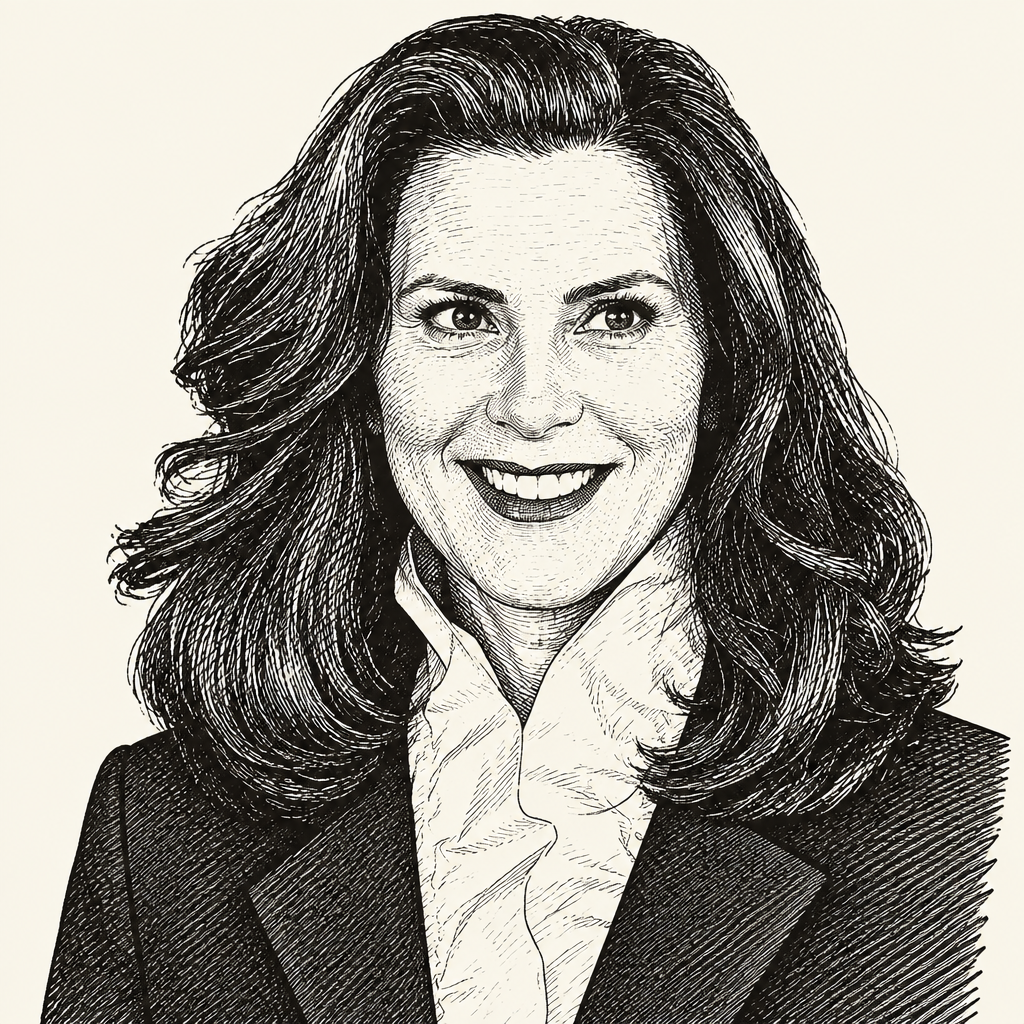
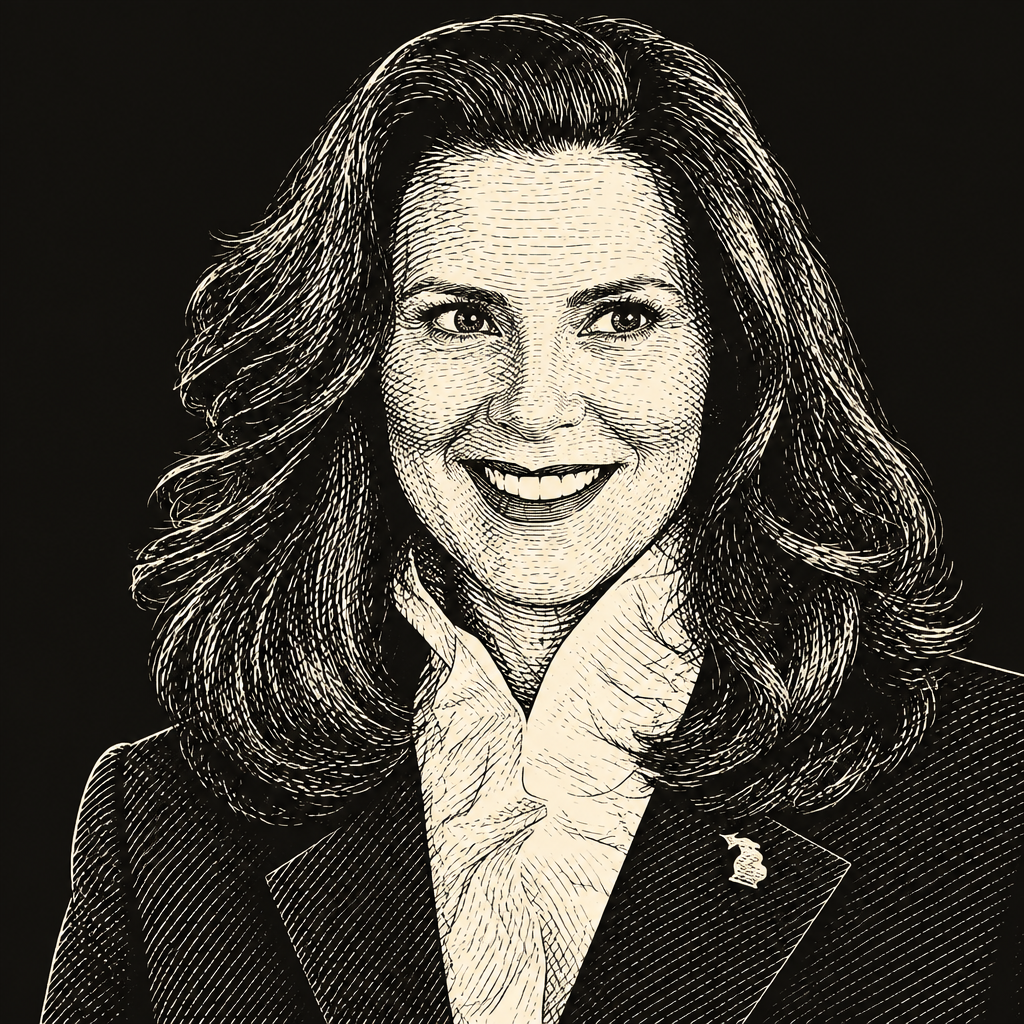
Michigan’s case for hosting the program rests on its manufacturing history and current workforce. Governor Gretchen Whitmer called manufacturing part of the state’s “DNA,” connecting the initiative to Michigan’s history as an “arsenal of democracy” and to what she described as a present need for homeland security and advanced manufacturing. She said she approached JPMorgan after seeing its broader resilience initiative, arguing that Michigan had the industrial strengths to put the idea into practice.
That push to bring production back to the United States sits alongside the region’s existing cross-border supply chains. Whitmer called Canada a longstanding ally and partner, and noted that the Detroit-area crossing is North America’s busiest. She also said autos have moved back and forth across the border for a long time. Her priority, however, is to onshore as much as possible from around the world.
Farley’s example of aluminum illustrates why those positions do not fit into a simple choice between domestic production and international supply. Ford’s trucks are made from aluminum, he said; the ingots come from Canada, while Ford does the finishing here before the material goes into trucks and Ford plants. He said the initiative is interested in innovative companies in the aluminum supply chain, too.
Dimon placed that practical regional question within a broader argument about economic and national security. He said military strength depends on having the world’s strongest economy, and that economic strength also underpins the dollar’s reserve-currency role. For him, domestic industrial policy is only one part of the picture: foreign policy, investment, regulation, and trade relationships matter as well.
Dimon said companies from overseas have $20 trillion to $30 trillion invested in the United States, while American companies have invested almost as much abroad. He argued that the United States should preserve economic ties across what he called the Western world, including with Europe, the United Kingdom, Japan, Australia, Mexico, Canada, and South Korea. He cited those economies as representing 60% of global GDP and pointed to the United States’ military alliances and free-trade agreements. If trading partners treat the United States unfairly, he said, that should be addressed; his preference is still to complete trade deals because he sees them as beneficial to both the United States and its partners.
The program depends on more than capital
Farley said industrial expansion will run into a workforce constraint. He cited 1.7 million open skilled-trades jobs in the United States and called the shortage a crisis. Ford is preparing its first report on the skilled-trades deficit, he said, because he wants the problem discussed in terms of evidence rather than treated as an isolated issue for one company.
One indicator Farley offered was the guidance students receive: he said most college and high-school advisers recommend a four-year degree, while only 2% recommend trade school. He contrasted that with what he described as the near-100% graduation rate at high-quality trade schools. Ford could focus narrowly on filling its own jobs, he said, but the company is trying to address the wider shortage.
Whitmer said Michigan is working to make training more accessible. She pointed to free community college and apprenticeships that she described as easy to enter. Apprenticeship graduates, she said, can move into good-paying work without carrying education debt. She also argued that trades offer a path to work that will not be replaced by AI. Whitmer cited Michigan’s fourth-place ranking for workforce efforts in Site Selector Magazine and said the state has the country’s highest concentration of engineers per capita.
Speed and scale are part of the competitive test
Farley’s account of the competitive test was that U.S. automakers must innovate quickly while rebuilding capabilities that moved overseas. He called competition from China humbling but said he was optimistic. He pointed to a small Ford group in California that, in his view, had out-innovated strong electric-vehicle companies in China. Ford is developing a $30,000 vehicle to be built in Louisville, Kentucky, and engineered in California and Michigan; Farley said he believed it would be fully competitive with BYD if BYD were operating in Mexico.
For Farley, the vehicle and the supplier program are complementary rather than competing approaches. Ford needs to innovate quickly, he said, while also bringing back capabilities that were moved overseas. He argued that it has to do both to remain a winning global company.
Dimon added that Michigan’s willingness to support small companies, venture capital, innovation, and manufacturing is itself an advantage. He declined to name states he believed were driving those activities away, but said Michigan “wants it,” which he called half the game.
He also argued that U.S. capital markets can finance companies at different stages, from venture-backed firms to middle-market and large companies, through equity, debt, and preferred markets. In his comparison, Europe has strong companies but has not kept pace with the United States in research and development, venture capital, risk-taking, and the depth of its equity and debt markets. Dimon said he would like Europe to strengthen those markets, arguing that stronger allies would also be better positioned to support their own security and resilience.
On whether the scale of AI investment could crowd out funding for manufacturing, Dimon said he saw government borrowing, rather than productive private investment, as the more important source of crowding out. He cautioned that not every investment will pay off and that capital may cost more, but described private capital raised for future growth as generally productive.
Michigan Lift sits inside a broader resilience effort
JPMorgan’s Michigan effort is part of a wider security and resilience initiative that Dimon said had been announced at $1.5 trillion. He said the bank had examined needs in areas including drones, nuclear power, rare earths, and semiconductors, and had invested $5 billion directly in companies working on security and resilience. He described those investments as going to companies beyond the venture stage but not yet public.
The initiative was nearing its one-year anniversary, Dimon said, and JPMorgan would announce figures that he expected to exceed the original $1.5 trillion. He said the bank was willing to serve as an anchor capital provider elsewhere if the Michigan model worked. His view was that the effort should be expanded if it proves effective, and that recognizing the problem and working across institutions are prerequisites to addressing it.
Dimon used the country’s wartime manufacturing history to argue that industrial capacity can be redirected at scale. He said Ford, GM, and their suppliers stopped building cars in 1942 and did not resume for three years, while producing 144 aircraft carriers, 100,000 fighter jets and bombers, and 100,000 tanks. He described current manufacturing activity around the country as evidence that rebuilding capacity is possible, while arguing that it requires more work.
Whitmer’s case for Michigan’s role was that the state has the workforce and engineering talent, but needs to make connections among innovators, capital, and customers. She said government is not generally known for nimbleness, but argued that collaboration can help the state respond to fast-changing problems, including AI.