Pixel 11 Raises Prices as Starting Memory Falls


Google’s Pixel 11 lineup raises entry prices while reducing starting memory, a shift the company attributes to a severe memory shortage, Bloomberg Senior Tech Editor Dana Wollman says. The phones add performance and durability upgrades and a HiLight notification feature that uses the rear flash, but retain a design Google has used for roughly three years. Google also introduced a wearable tool that estimates patterns associated with insulin resistance and directs users to consult a doctor rather than offering a diagnosis.
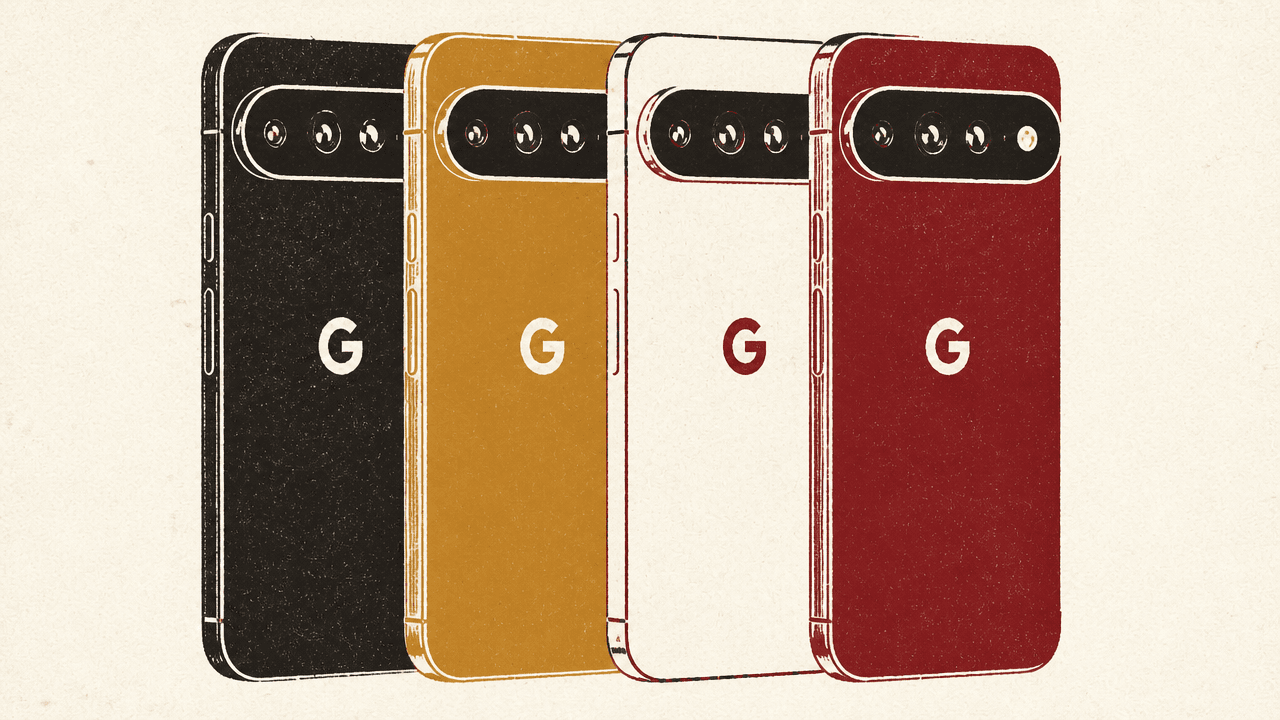
Higher prices and lower starting memory redefine the entry-level Pixel proposition
Google’s Pixel 11 range is arriving with a tradeoff more consequential than any individual hardware feature: higher prices alongside lower memory allocations in the starting models. Dana Wollman said Google cited a supply constraint in its statement that has affected many consumer-technology companies.


Google was honest about it really, cited in its statement a quote severe memory shortage.
Google has pledged to “out engineer” the shortage, Wollman said. But the customer-facing result remains higher prices and less memory in the starting models.
| Model | Base price |
|---|---|
| Pixel 11 | $899 |
| Pixel 11 Pro XL | $1,299 |
| Pixel 11 Pro Fold | $1,899 |
The standard Pixel 11 begins at $899, while the Pro XL is priced at $1,299 and the Pro Fold at $1,899. That makes the practical value of the lineup’s improvements more important for buyers evaluating the base models: performance and durability gains arrive while the price and starting-memory configuration move in less favorable directions.
The supply shortage is Google’s explanation for that shift. It does not change the terms buyers encounter in the entry-level configuration.
HiLight stands out in a year of familiar Pixel design
Google’s most distinctive phone feature is HiLight, available on one of the higher-end models. As Dana Wollman described it, HiLight repurposes the rear camera flash as a notification indicator. Google’s on-screen product material calls it “Meet HiLight” and depicts a green illuminated ring around a rear camera lens.
The feature could be “neat and useful” for users, Wollman said: a phone can signal a notification without requiring someone to turn on or look directly at the screen. Google’s accompanying on-screen language makes a related promise: “Screen calls without looking at your screen.”
For Wollman, though, HiLight sits within a package defined chiefly by refinement. She cited performance and durability improvements but described many of the changes as quality-of-life features rather than a major redesign.
This is not a flashy new design. The company is now in its third year of what is essentially this same design.
That continuity places Google’s pricing and feature mix in a competitive context. Wollman said Bloomberg reporting indicated Apple’s new iPhone 18 series would be in its second year of design, while Samsung has tried bolder designs in foldables and other flagship phones this year.
Google, by contrast, is retaining the established Pixel look. Its new features, durability and performance improvements are therefore the visible basis for judging progress across the range. The Pixel 11 Pro Fold is the most expensive expression of that range: Google’s imagery identifies it as a foldable with “Gemini Intelligence,” and the displayed base price is $1,899.
The watch estimates a risk pattern and directs users toward follow-up
Google’s insulin-resistance feature for wearables is not presented as continuous glucose monitoring or as a diagnostic tool. Dana Wollman described insulin resistance as a precursor to conditions including prediabetes and type 2 diabetes, while drawing a distinction between identifying possible signals and making a medical determination.
The feature combines AI with biometric sensing, including skin-temperature and heart-related sensors. Rather than measuring one definitive marker, Wollman said, it tracks physiological markers that Google believes may indicate insulin resistance. The output is an estimate assembled from a pattern of signals.
If the system senses shifts in that pattern, it sends the user a notification. The stated next step is follow-up with a doctor, not treatment advice from the watch.
Google, Wollman said, has been clear that it is not trying to offer medical diagnoses or medical advice. The feature is framed as an indication that a user may want professional follow-up, rather than a conclusion about their health.