Ericsson Says Beating China Requires Technology Leadership, Not Exclusion

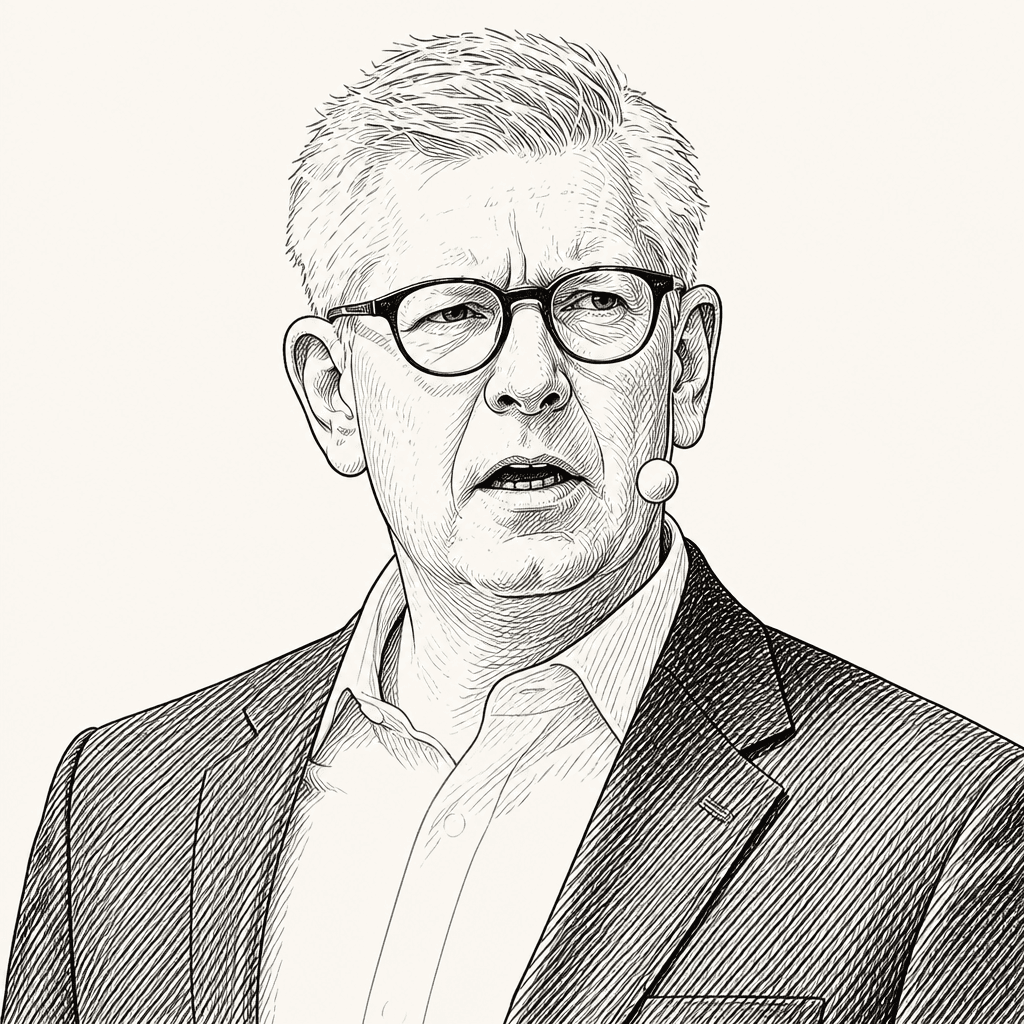
Ericsson chief executive Börje Ekholm told Bloomberg Technology that competing with China in telecoms requires more than excluding Chinese vendors: Western companies have to match China’s scale, technology curve and cost discipline. He described China as both a market Ericsson needs to be in and the benchmark for competition, while arguing that the company’s hedge is to build strength in the U.S., India and Japan and maintain flexible manufacturing and R&D. Ekholm also cast AI as a future network-demand story, saying physical-world AI will require low-latency connectivity at the edge.
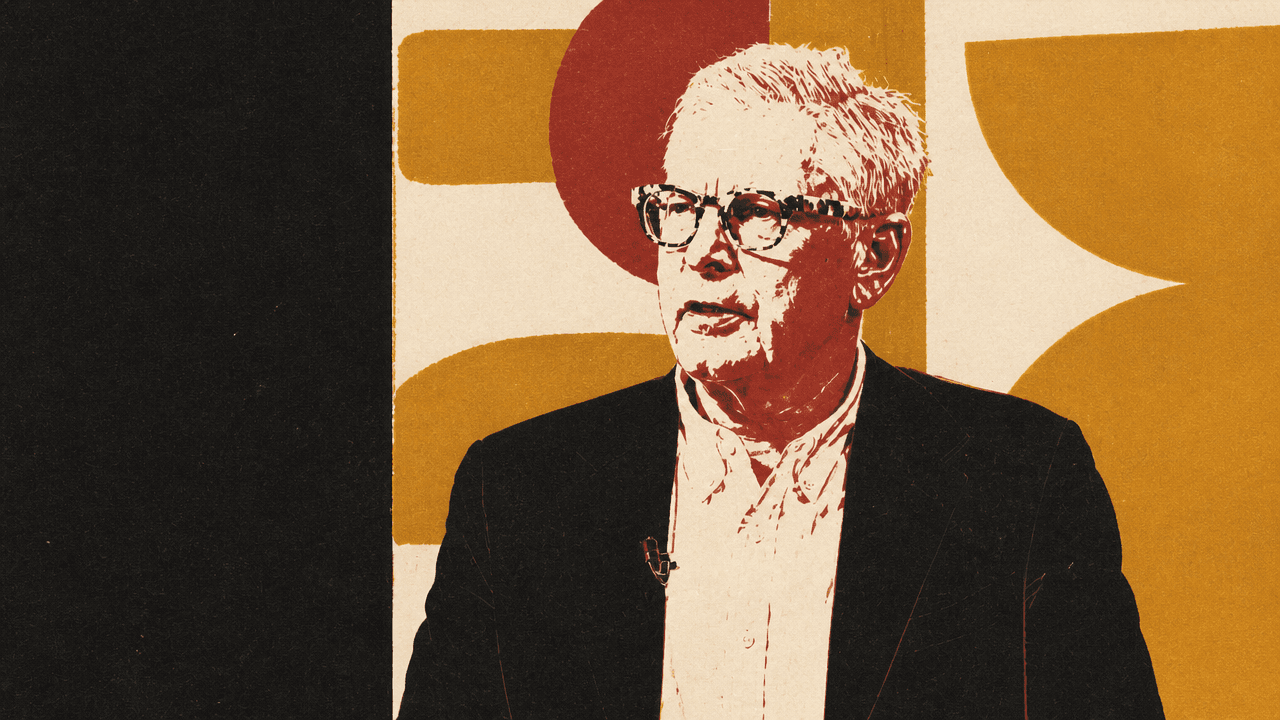
Competing with China means matching its technology curve, not just excluding it
Börje Ekholm described China as both a competitor and a market Ericsson cannot treat as peripheral. In telecom, China began by making the sector a national priority. Thirty years ago, he said, the country had “almost a hundred vendors.” Over time, that field consolidated into “really two” major competitors, with Huawei the largest.
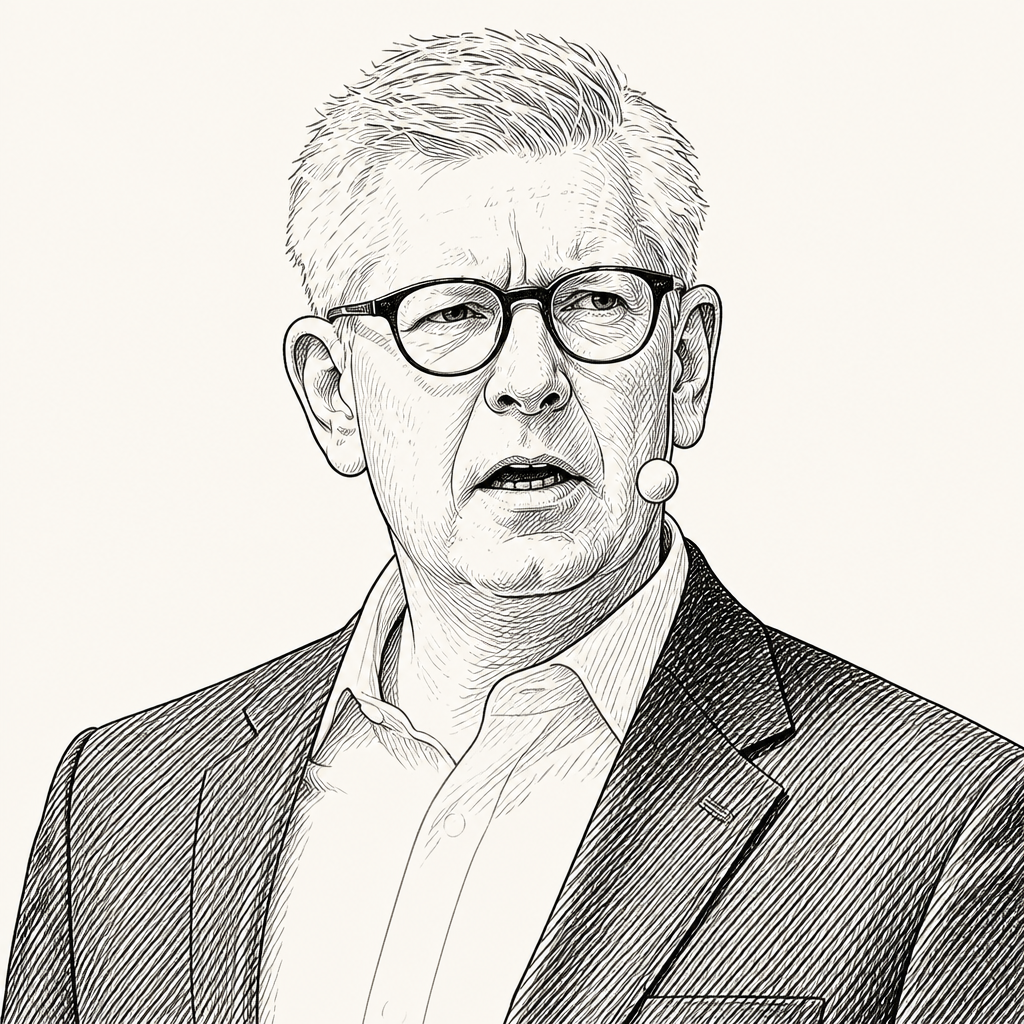
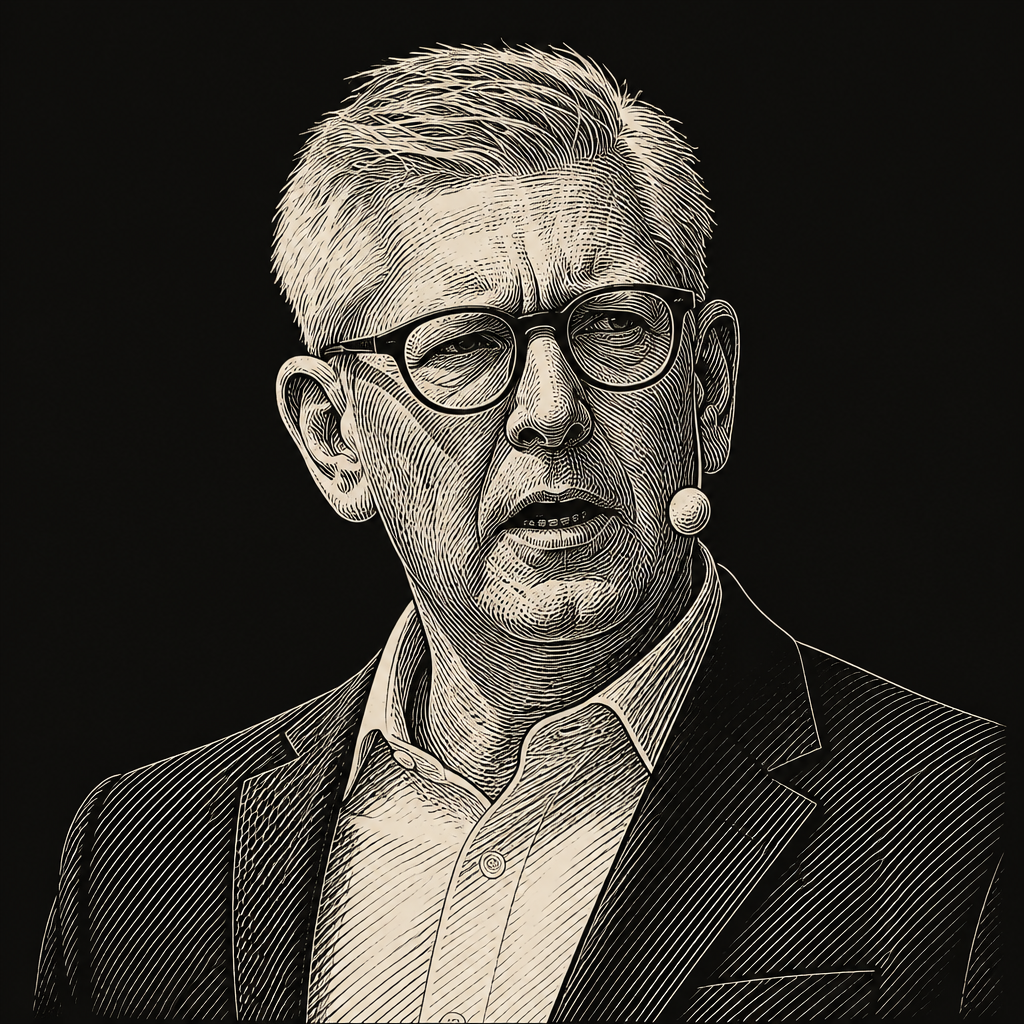
Ekholm’s point was not that Chinese competition remained a low-cost challenge. Huawei began as “low-cost and fairly simple,” but is now “a phenomenal competitor” and the benchmark Ericsson uses internally. The standard he set was explicit: Ericsson has to beat that competitor on both technology and cost position.
We need to win on technology, we need to win on cost position.
That led to his broader claim: for the rest of the world to compete with China, it has to lead on technology. The answer, as he described it, is not simply protection from Chinese vendors. It is building enough technological lead, operating scale, and cost discipline to compete directly with them.
Caroline Hyde pressed him on the tension in that position. Ekholm has previously pushed against the idea of countries focusing only on domestic suppliers or banning Chinese competition; Hyde noted that Sweden pushed out Chinese competitors, and that the U.S., Japan, and other markets have become key for Ericsson. She asked whether China should be excluded.


Ekholm’s answer was “multi-pronged,” a phrase Bloomberg also used in the on-screen lower third: “EKHOLM: TAKE MULTI-PRONGED VIEW WITH CHINA.” Telecom, he said, is a scale game. China has scale in its domestic market, and that is a market “you need to be in.” But the argument went beyond unit volume. China’s economic development and use cases caused data consumption to grow faster there than anywhere else, forcing Chinese operators and vendors to demand certain technologies earlier than the rest of the world.
The example he gave was massive MIMO, which he described as a way to increase capacity in the radio network. China needed that technology earlier. If Ericsson had not been present on that same development curve, he argued, it would not have developed the technology at the same pace and would not have been able to bring those solutions to global markets.
You need to think of the world as being interdependent.
China, in Ekholm’s account, is not only a place to sell into or a source of competitive pressure. It is also a demanding technology environment that pulls telecom capabilities forward.
Ericsson’s hedge is three “home markets” and a flexible supply chain
Geopolitics enters Ericsson’s operating model through tariffs, inflationary pressures, supply-chain disturbances, and broader geopolitical exposure. Ekholm said Ericsson responded years ago by defining three “home markets”: the U.S., India, and Japan.
The logic was partly scale and partly technological leadership. The U.S. was, in Ekholm’s words, a large “front runner market.” India was already large, and he said it is now beginning to become a front runner on technology as well. Japan is large in telecom and an early adopter of telecom technology. Ericsson needed to win in those markets, he argued, “to combat the scale of China.”
That market strategy was paired with a supply-chain decision. Ekholm said Ericsson needed a flexible supply chain to manage disturbances, so it built a factory in the U.S. The facility was commissioned around 2020, which he said put Ericsson ahead of “the really supply constraints” and tariff issues.
On the size of Ericsson’s U.S. manufacturing base, Ekholm said “a large portion” of what Ericsson supplies to the U.S. is manufactured in the country. He also linked the manufacturing footprint to Ericsson’s R&D footprint, saying both have helped the company manage geopolitical exposure.
Ericsson’s mitigation rests on having manufacturing and R&D flexibility in place before political or supply-chain shocks force the issue. The U.S. factory was his example of an operating decision made early enough to matter once tariffs and supply constraints became central.
AI becomes a network demand story when it moves into the physical world
Ekholm treated AI less as a data-center story than as a future driver of network traffic. Caroline Hyde raised Nokia’s relationship with Nvidia and its data-center push; Ekholm answered that AI is a “massive opportunity” for Ericsson because it will eventually move into the physical world.
He called this “industrial AI” or “physical AI.” In that setting, he argued, inference will have to happen at the edge of the network because of latency requirements. That, in turn, will require connectivity. His expectation is a world where “everything has to be connected.”
The reason cellular matters is that wiring everything is not practical. He said the terrestrial cellular network will be needed as the backbone for scaling AI into the physical economy. AI, as he described it, will change the economy, raise productivity, and create a new type of traffic in telecom networks.
For Ericsson, the opportunity is therefore not only in the current excitement around AI infrastructure. Ekholm’s claim is that AI’s next phase creates network requirements: low-latency inference at the edge, broad connectivity for physical-world deployment, and new traffic moving across telecom networks.