AI Infrastructure Demand Is Still Outrunning Dell and Nvidia’s Supply Chain

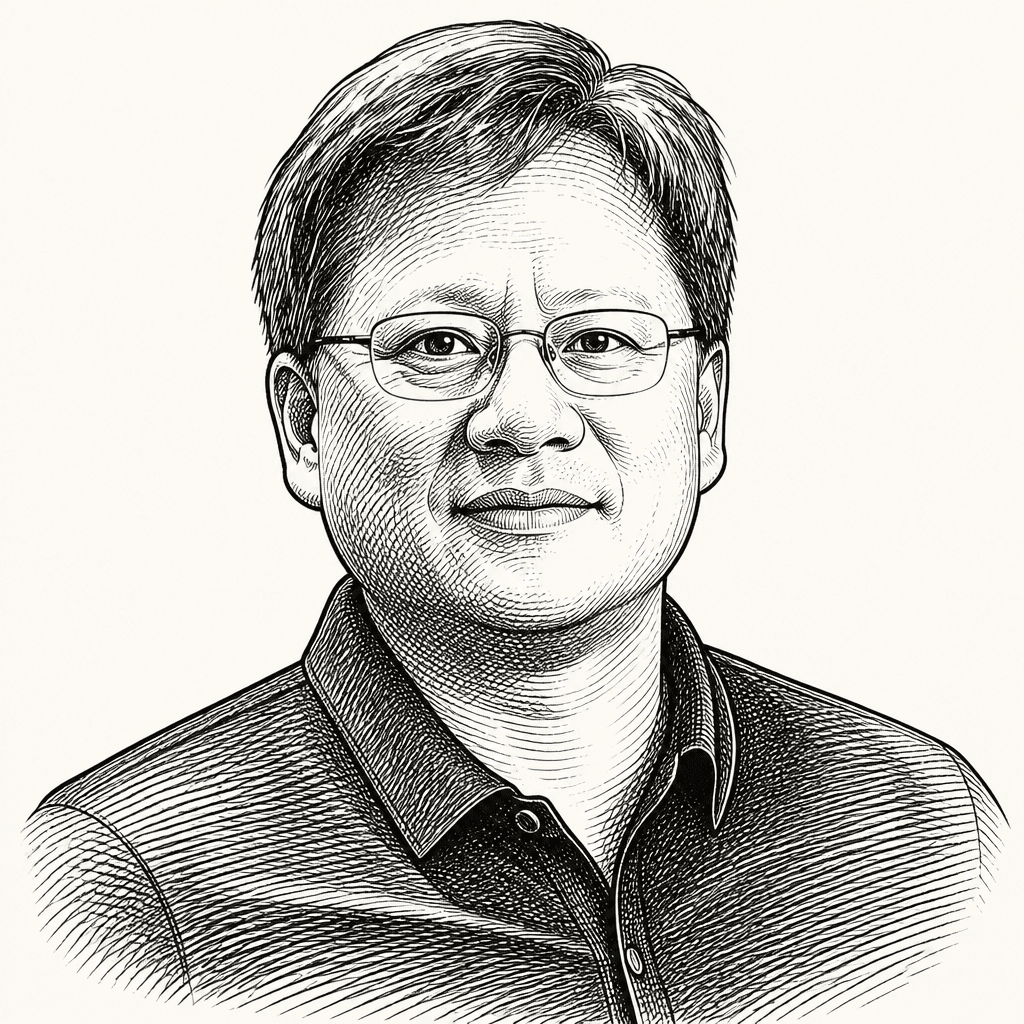
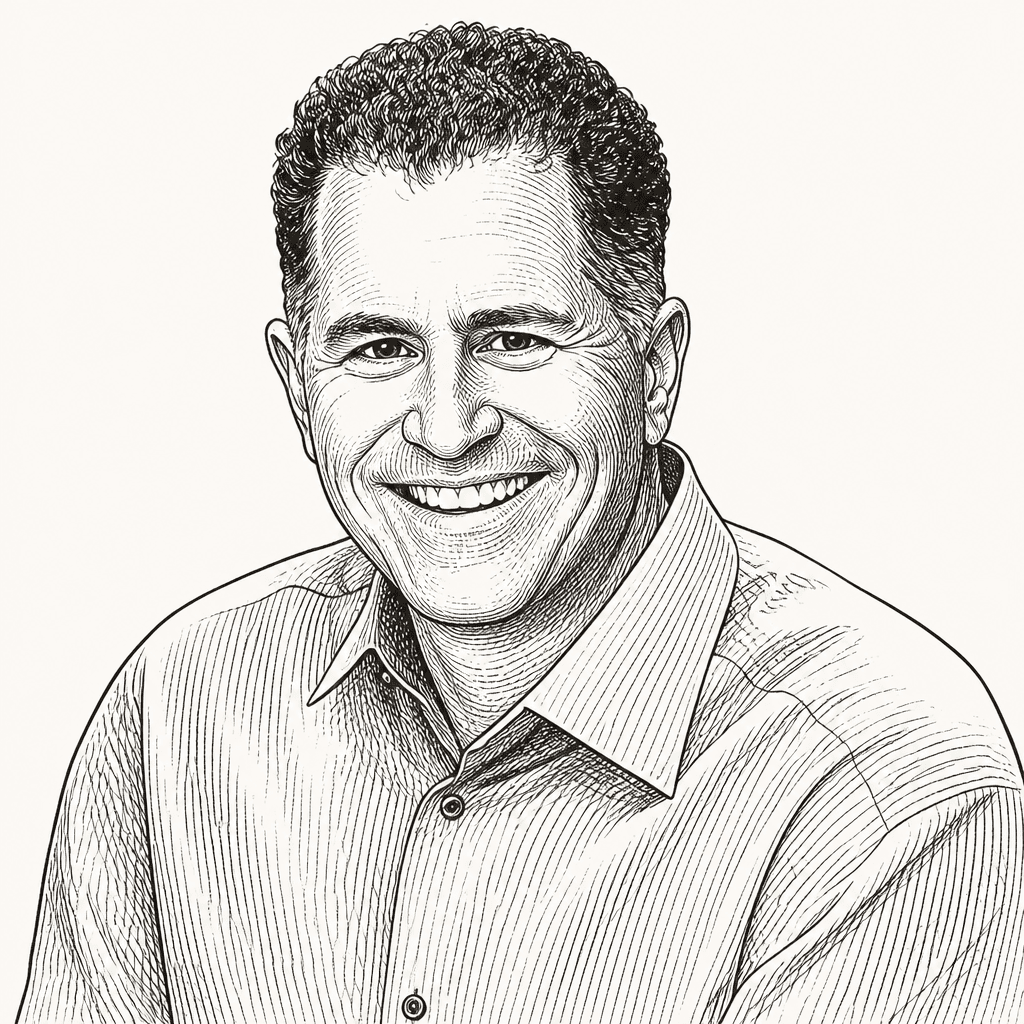
Dell Technologies chief executive Michael Dell and Nvidia chief executive Jensen Huang told Bloomberg’s Ed Ludlow that enterprise demand for local AI factories is outpacing supply even as the AI infrastructure supply chain expands rapidly. Dell argued that companies are seeking on-premises systems because AI can produce order-of-magnitude workflow gains, while Huang said the build-out is only beginning and could strain supply for at least a decade, with memory remaining a live constraint.
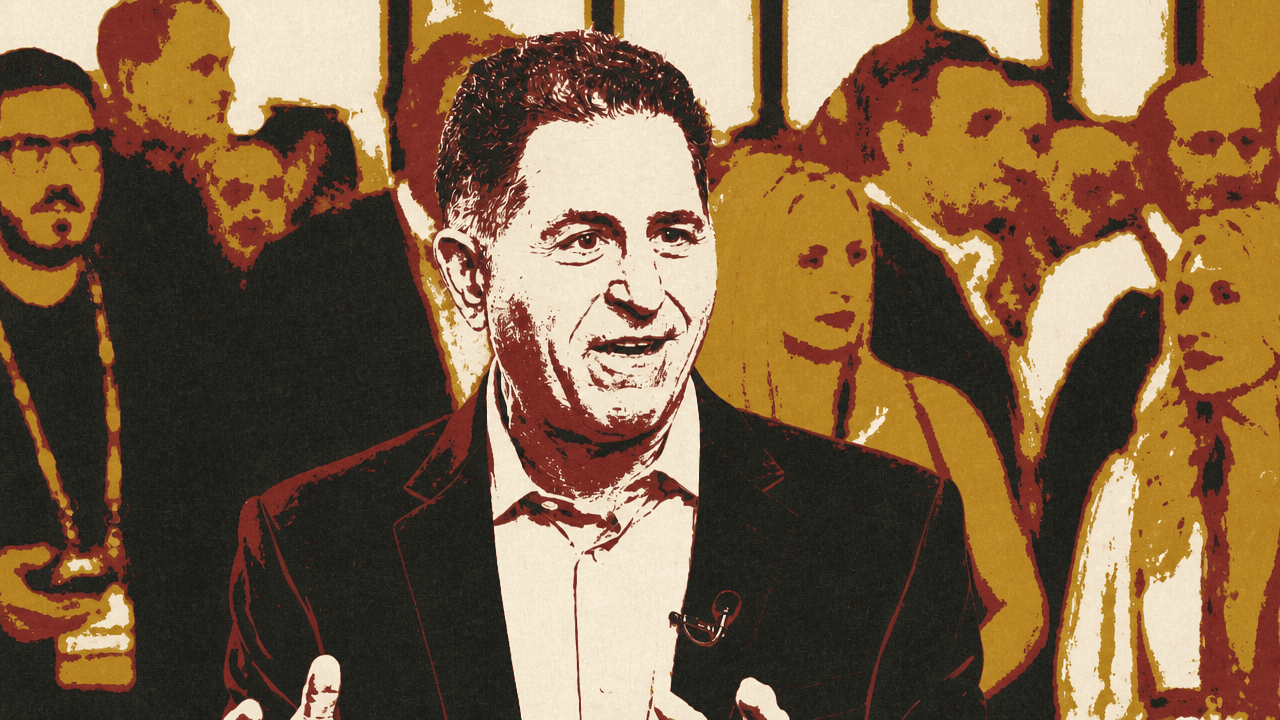
Local AI factories are possible, but supply is still strategic
Ed Ludlow put the central supply question directly: in a GPU era where many buyers assume the available chips are already “locked up at the hyperscalers,” how can Dell serve 1,000 new clients that want to build their own on-premises, local AI factories?


Michael Dell answered by framing the shortage as real but not static. Demand is still greater than supply, he said, but the supply chain that Nvidia has built, and that Dell says it has helped build with Nvidia, is continuing to scale. More supply is being added while customers are figuring out how to scale these systems inside their own operations.
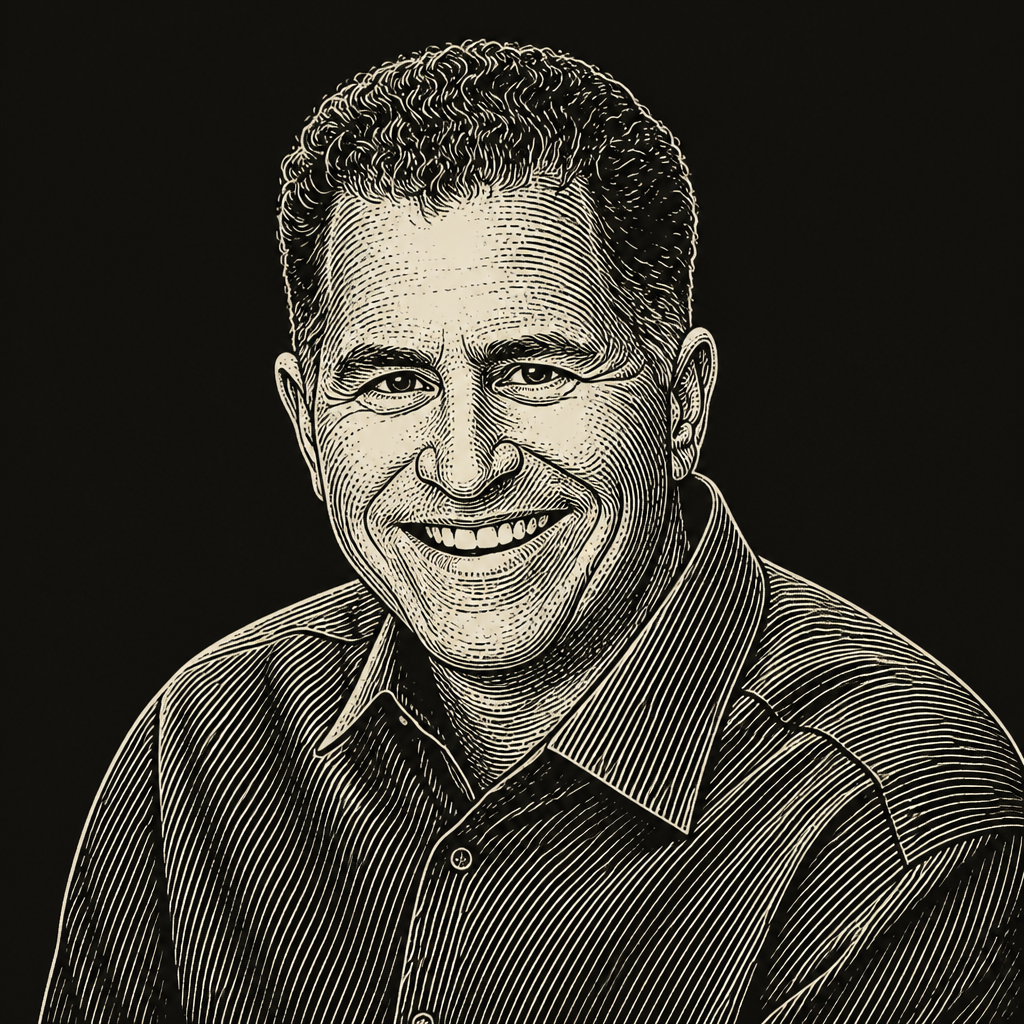
Dell’s larger claim is that demand is being pulled by a different kind of productivity expectation than ordinary enterprise technology upgrades. Companies, he said, are finding that when they reimagine workflows around this technology, the gains are not “10 or 20 or 30%.” They are “10 times or 20 times or 100 times.”
They don't get 10 or 20 or 30% improvement. They get 10 times or 20 times or 100 times.
That difference explains why access to AI infrastructure is becoming more than a procurement matter. Dell said both Dell and Nvidia are applying the technology internally, and that the possibility of such gains is “not a secret anymore.” Every company, he argued, wants to turn that speed into competitive advantage and concrete outcomes.
The implication for enterprise buyers is narrow but important: the local AI factory model is not being presented as blocked by hyperscaler demand, but neither is it being presented as a simple ordering exercise. Dell’s answer depends on continued supply-chain expansion, customers learning how to scale systems, and the belief that AI-enabled workflow redesign can change business speed by orders of magnitude.
Memory is the constraint Dell says suppliers are still working through
The supply issue narrowed around memory. The source identified memory as a supply constraint for Dell and summarized Jensen Huang as seeing memory demand outpacing capacity.
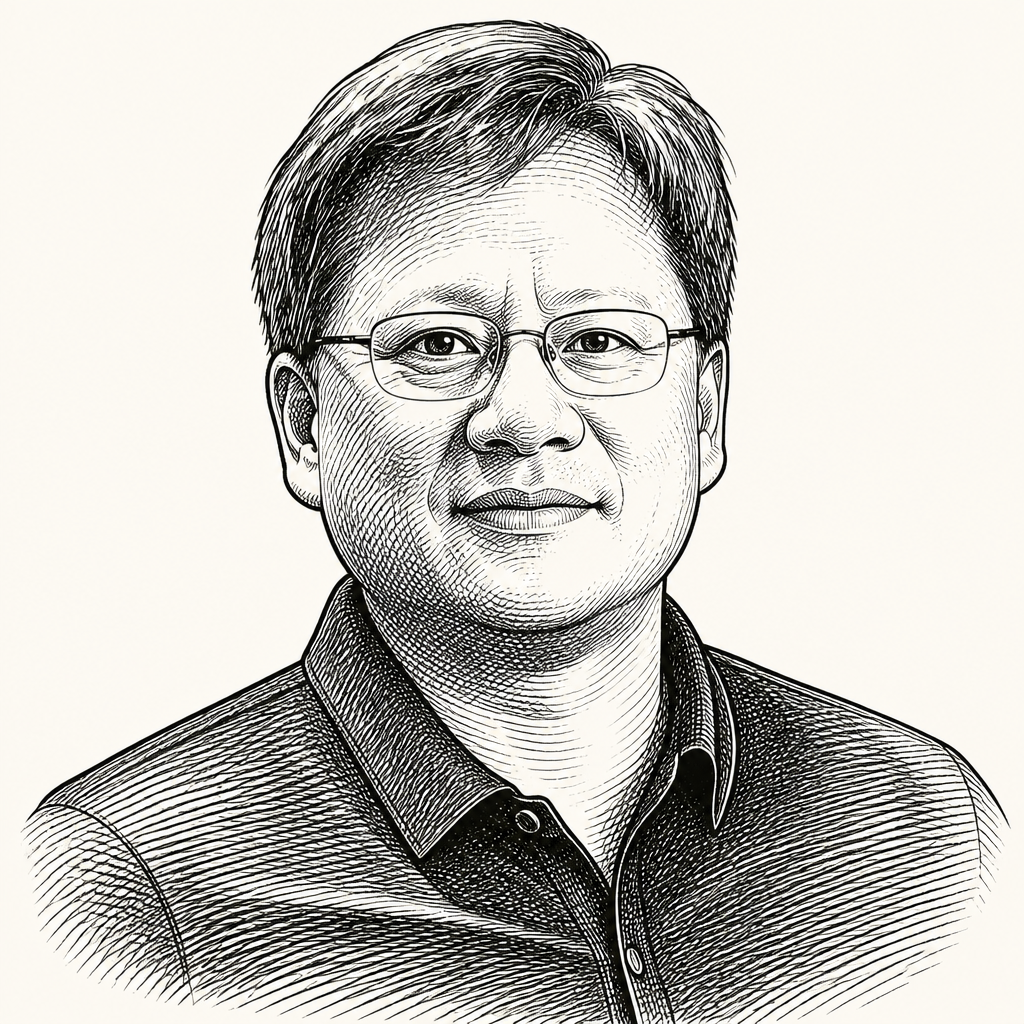

Ludlow asked about Micron and SK, saying Huang had given them “the heads up” three years earlier. His question was whether they believed that warning and whether they were now acting on it.
Dell said they are investing, but he did not make the issue sound easy to forecast or quickly correct. “We’re managing through it,” he said, while noting that such demand curves are “very hard to predict.” His example was the difficulty of trying, in 2023, to estimate what demand would be in 2027. The memory problem, as Dell described it, sits between long factory build times and a market whose future requirements were difficult to see clearly several years in advance.
Dell emphasized the durability of the relevant partnerships without claiming that current supply is sufficient. The factories take a long time to build, he said, but Dell said they have had relationships with these partners for decades, and those relationships are helping. He also suggested that commercial momentum changes supplier behavior: partners “see that we’re winning,” and therefore want to work more closely.
That answer leaves memory as a live bottleneck. Suppliers are investing, and long-term relationships are helping Dell manage through the shortage, but Dell also said plainly that the company would like more supply immediately. For customers trying to build local AI capacity, the constraint is not only GPU allocation. Memory availability remains part of the strategic supply-chain problem.
Huang expects supply to grow quickly and still trail demand
Huang widened the frame from current GPU and memory availability to the duration of AI infrastructure demand. He said the industry is “at the beginning” of the AI build-out, and more specifically “the very beginning of the agentic AI build-out.” In his view, the current wave is not a peak but an opening phase.
We're at the beginning of the AI build-out. This is literally the very beginning of the agentic AI build-out.
The duration matters. Huang said the build-out will continue for a decade, “maybe more.” His reason is that digital agents are only the next stage. After that, he said, digital agents will become physical agents, leading into “physical AI.” He said examples had appeared in the keynote, but insisted that physical AI “is a way bigger market” and will require new kinds of infrastructure capability.
Huang tied that next market to a much broader industrial base. He said Nvidia and its partners are, “for the very first time,” bringing IT to “the world’s 90 trillion dollar industry.” He did not specify the industry further in the excerpt, but used the figure to describe the scale of the opportunity ahead. His point was not merely that more GPUs are needed for current data centers. It was that AI infrastructure will extend from digital agents into physical systems that have not yet been built out.
The supply-side claim was equally aggressive. Huang said the AI supply chain is “more than doubling every year,” then added that it is “probably quadrupling every year.” Even so, he said the industry will have difficulty keeping up “for at least a decade.” The operational conclusion was that the supply chain has to be prepared for a prolonged build-out, not a temporary spike.
Dell and Huang are not arguing that shortages are about to disappear. Dell’s emphasis is on customer demand, workflow transformation, and supplier relationships that can help the company manage through constraints. Huang’s is on the length of the build-out and the next expansion from agentic AI into physical AI. Together, they describe scarcity as a condition of a market that may keep outrunning even rapid annual supply growth.