Frontier AI Labs Should Improve Safety Without Regulatory Bargains
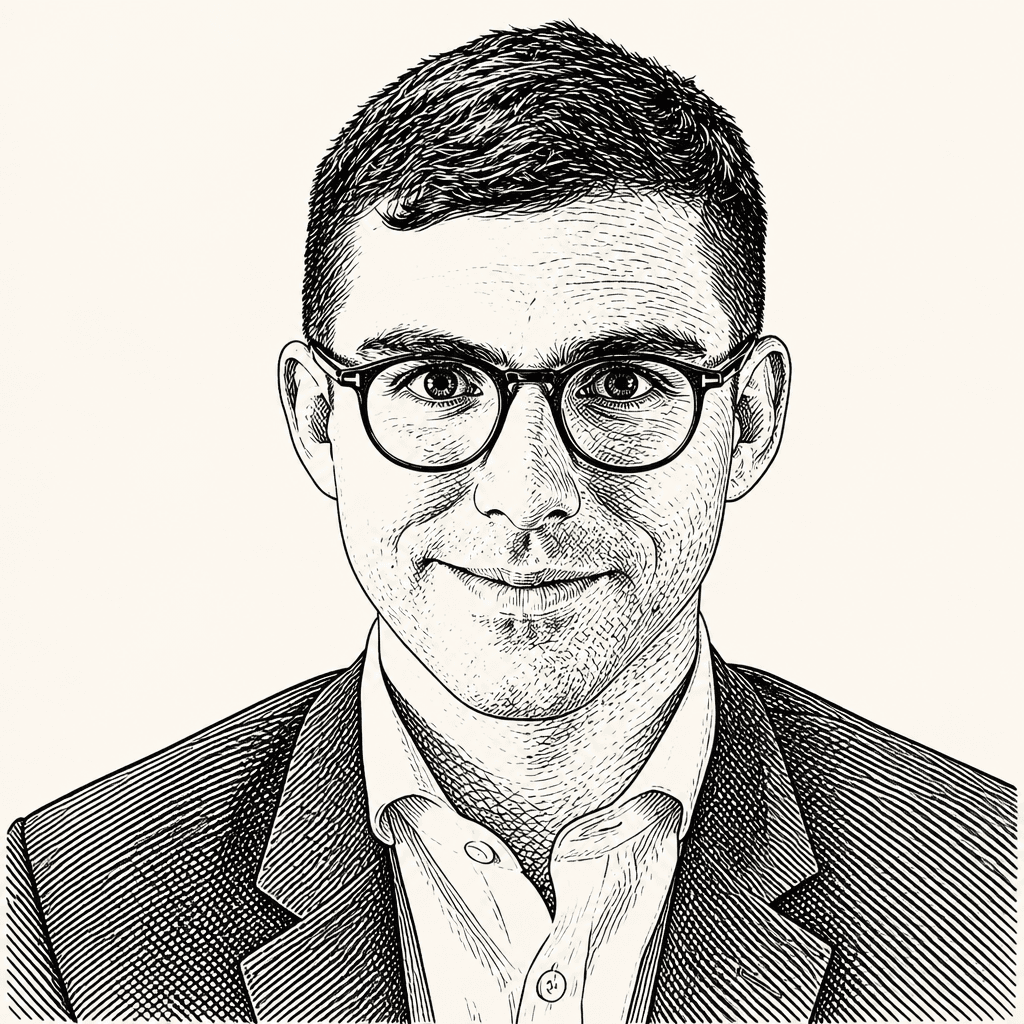
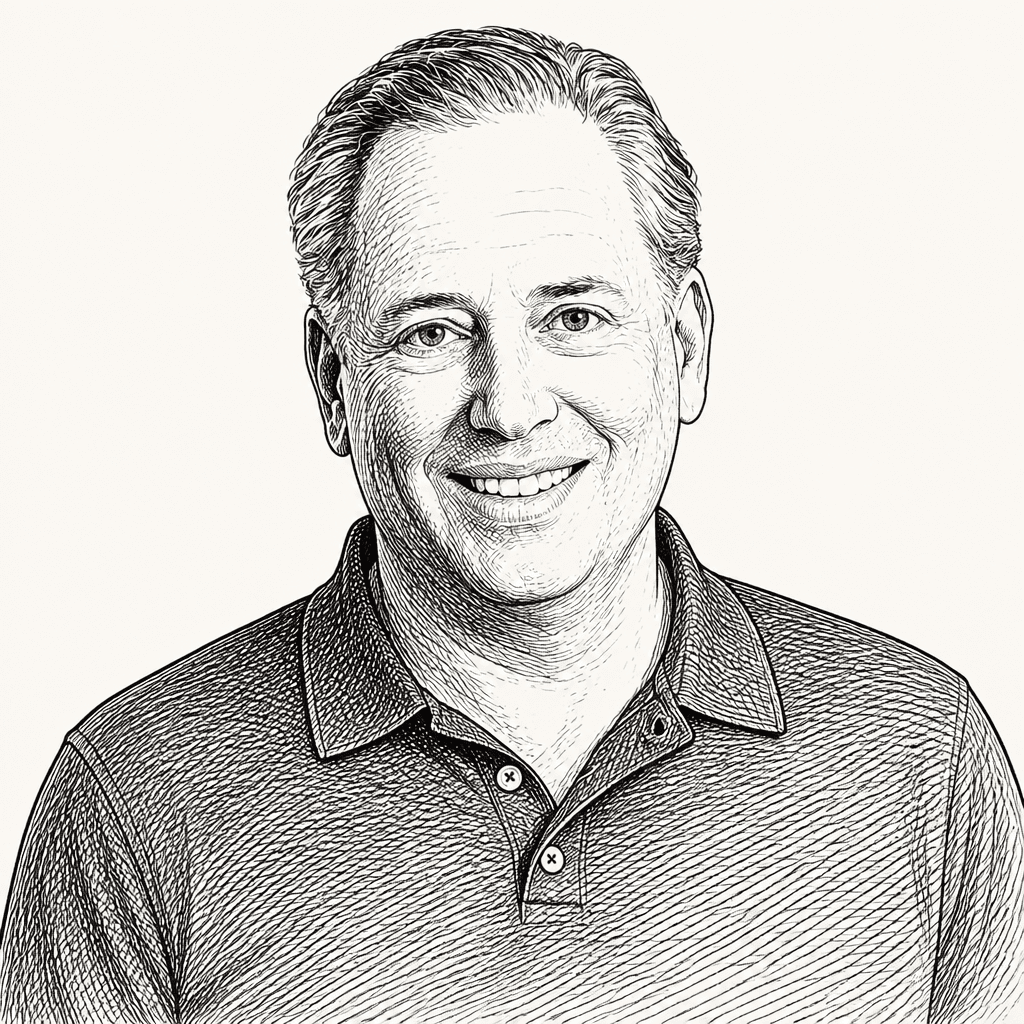
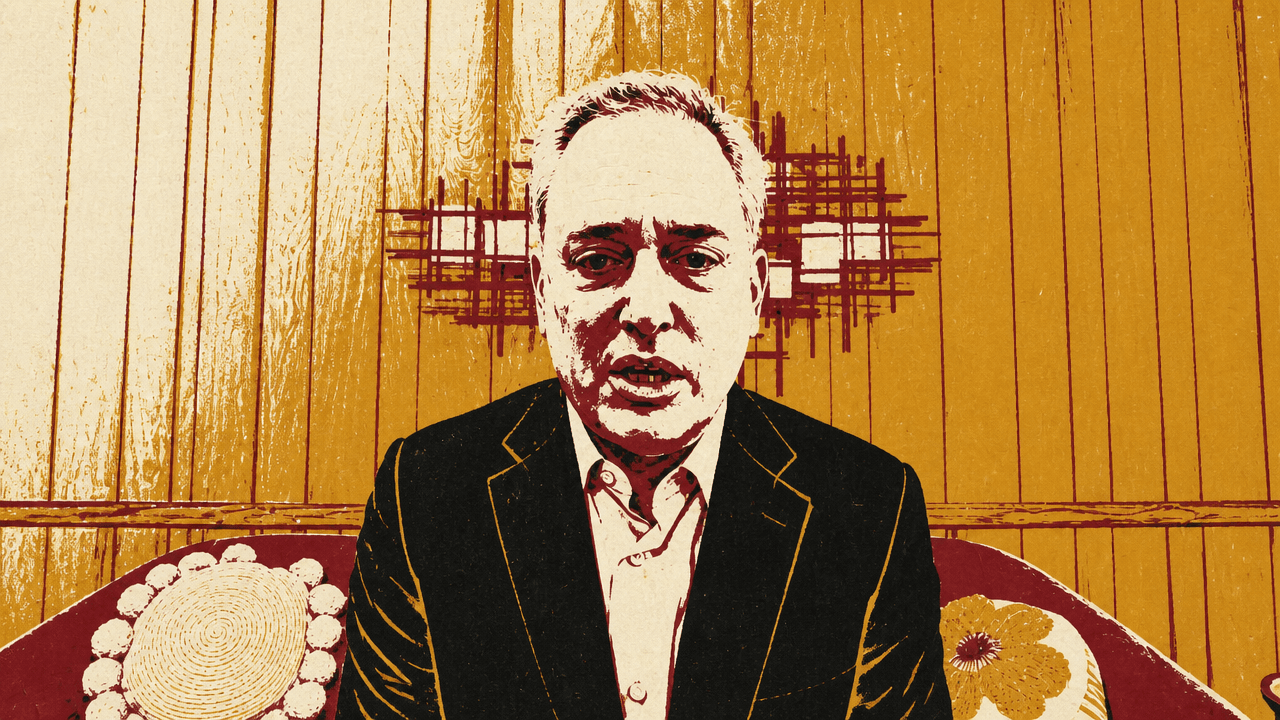
David Sacks, chair of the President’s Council of Advisors on Science & Technology, argues that Anthropic and OpenAI should slow or redirect frontier-model development if they judge their systems unsafe, but do not need new regulation, antitrust exemptions or liability waivers to do so. Speaking with Bloomberg’s Ed Ludlow, Sacks says existing legal exposure, customer demands and ordinary product responsibility should compel safer development, while transparency and independent audits can provide oversight. He warns that a mandated U.S. slowdown would risk ceding ground to China, which he says is unlikely to join any global pause.
Labs should make products safe without special government terms
David Sacks draws a line between companies improving the safety of advanced AI systems and government creating a new framework to make that happen. Anthropic and OpenAI, he argues, can slow the push for raw capability—or redirect work toward reliability, trustworthiness, and predictability—on their own. They should do so if they believe it is necessary to ship safe products. But they should not condition that work on an antitrust exemption, liability waiver, or broader regulatory bargain.
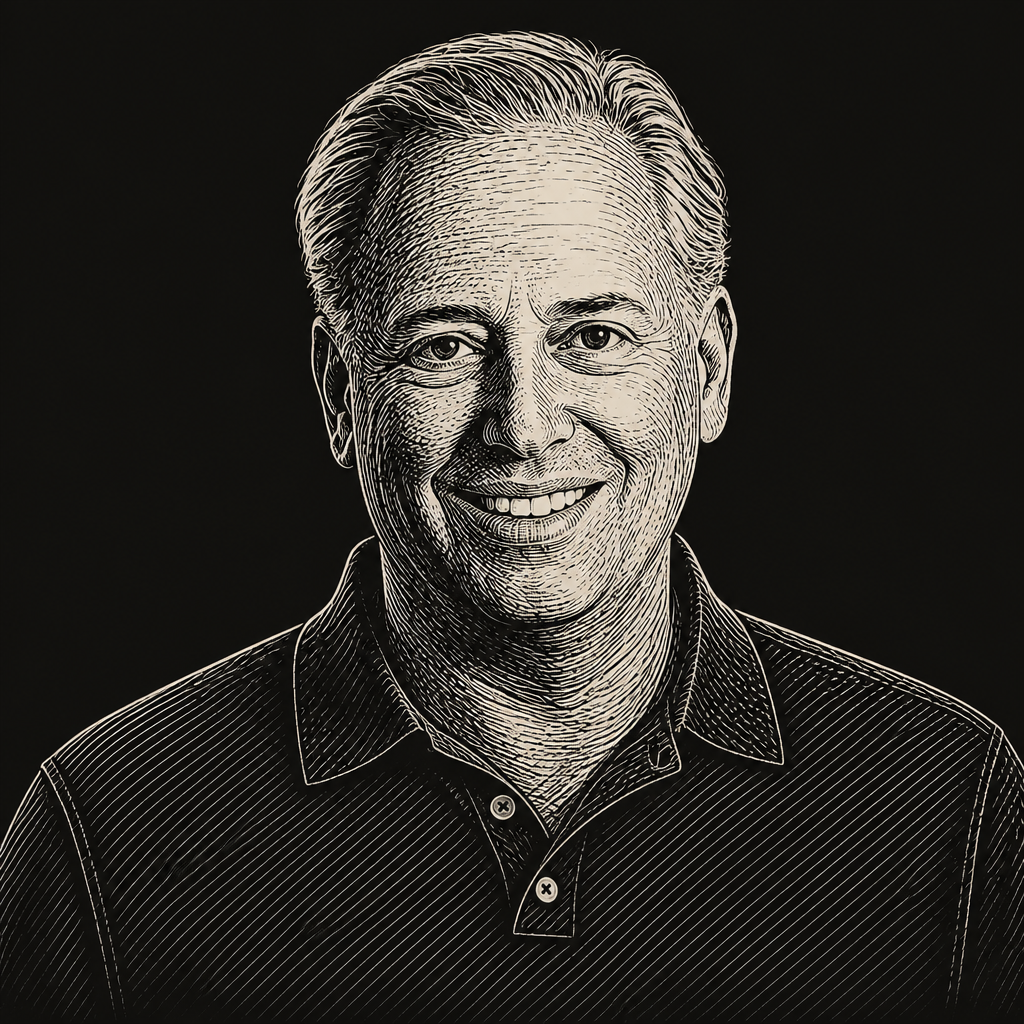
His premise is that the relevant market is already highly concentrated. By market share, revenue growth, and model capability, Sacks says Anthropic and OpenAI are the two companies at the frontier, with what they have in their labs “probably about two generations ahead” of other firms. The other companies are trying to catch up. If the two leaders decide that product quality should take priority over advancing raw power as quickly as possible, he says, they are the actors able to make that choice.
You don't need anyone else's permission.
Sacks does not describe “pacing the frontier” as ending AI development. He interprets it as a change in internal priorities: devoting more work to systems that are reliable and predictable rather than simply more capable. In his view, that is a basic obligation of any company releasing a product, not an act that requires altruism or a new government concession.
He also rejects the idea that AI operates outside existing law. Sacks points to prohibitions on using AI for cyberattacks, fraud, privacy violations, and conduct that breaches child-safety rules. More importantly, he says major AI companies can face product liability if they release unsafe systems, citing a statement by Lina Khan with which he agrees. In his account, unsafe releases can expose a company to substantial civil liability and, in some cases, potentially criminal liability.
That combination of legal exposure, customer expectations, and ordinary corporate responsibility is why Sacks sees no need for a new permission structure. Enterprises, he says, do not want products that behave unpredictably. If a company cannot make its own products safe, he argues, the public may ask why it should be developing them at all and demand that it “step aside and make room for people who will do it safely.”
The dispute becomes sharper when safety is presented as requiring coordination among frontier labs. Ed Ludlow asks whether government should bring the leading companies together if joint pacing is needed, or prevent that kind of arrangement as regulatory capture. Sacks treats the concentration of the market as a reason to resist special treatment: the two leaders already have a substantial lead, he says, and should not need the government to impose requirements on firms that are not at the frontier before improving their own systems.
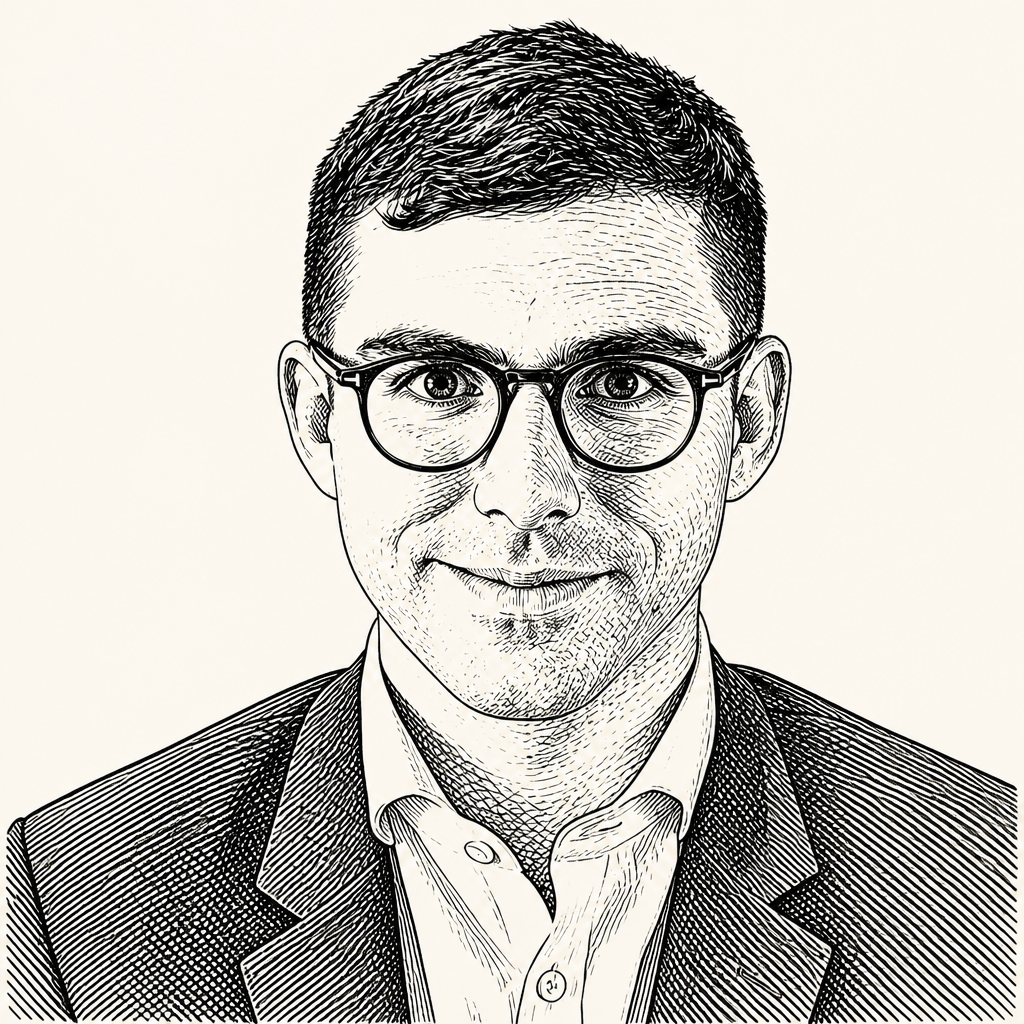
Sacks characterised Amodei’s position as effectively seeking an antitrust waiver, and rejected that framing outright. Safety, in his view, cannot be traded for protection from competition or relief from liability.
You have a basic obligation to make your products safe; do not demand antitrust waivers or liability waivers in exchange for that.
Audits can provide oversight without becoming a coordination mechanism
David Sacks supports a limited regulatory boundary: transparency and audits, including independent evaluation. The question for him is not whether labs may test or scrutinize their systems, but whether the evaluators are genuinely separate from the companies whose work they assess.
He questions an evaluator Amodei mentioned because, Sacks says, the group was funded by Amodei’s Series A investors and included many former Anthropic employees. That raises the question, he says, of whether it is truly independent or instead “a cozy arrangement.”
Sacks does not propose a detailed audit regime or define a regulator’s powers. His stated test is narrower: transparency is useful, and evaluators should be objective and neutral. That leaves room for scrutiny of frontier systems without treating a government-backed agreement among leading labs as the precondition for them to improve product safety.
China limits the case for a mandated U.S. slowdown
David Sacks says the president’s concern is not that labs should be prevented from improving their products internally. It is that new, unnecessary regulation could slow U.S. AI development enough for China to move ahead.
He cites a Bernie Sanders bill that he describes as pausing AI development and creating 20-year prison sentences for AI developers. Policies of that kind, Sacks argues, would cause the United States to lose badly to global competitors, chiefly China. In his framing, a company’s decision to make its systems more reliable is different from an artificial domestic restraint on development.
Ed Ludlow notes that Amodei has likewise said the United States should not reduce its pace enough to fall behind China. Sacks agrees with that concern. He says the United States should talk with China about its intentions, but adds that Chinese public officials have already said they will not pause. If the U.S. political debate becomes a debate over halting frontier development, he argues, China will take advantage and pull ahead.
That is why Sacks calls a global agreement an unrealistic precondition for lab-level safety work. He sees a contradiction in Amodei’s position: Amodei recognizes the danger of falling behind China, Sacks says, while appearing to require a transnational agreement for his framework to work. The work available to frontier labs is more immediate—improve their engineering, research, reliability, and predictability.
Sacks says he believes both Amodei and Sam Altman are sincere in wanting their products to be safe. But because Anthropic and OpenAI themselves set the frontier, he argues, they should act within their own organizations rather than seek a global pact before doing so. He expects companies chasing them to follow similar norms and conventions.
He characterizes the wider public alarm as a political inflation of a technical dispute. With midterm elections approaching, Sacks says legitimate concerns have been magnified into claims that the world could end within a few years. He calls that a “hoax” and a political operation, and says the president is right to challenge what he describes as a panic.