Round-the-Clock AI Tools Are Keeping Tech Workers on Standby
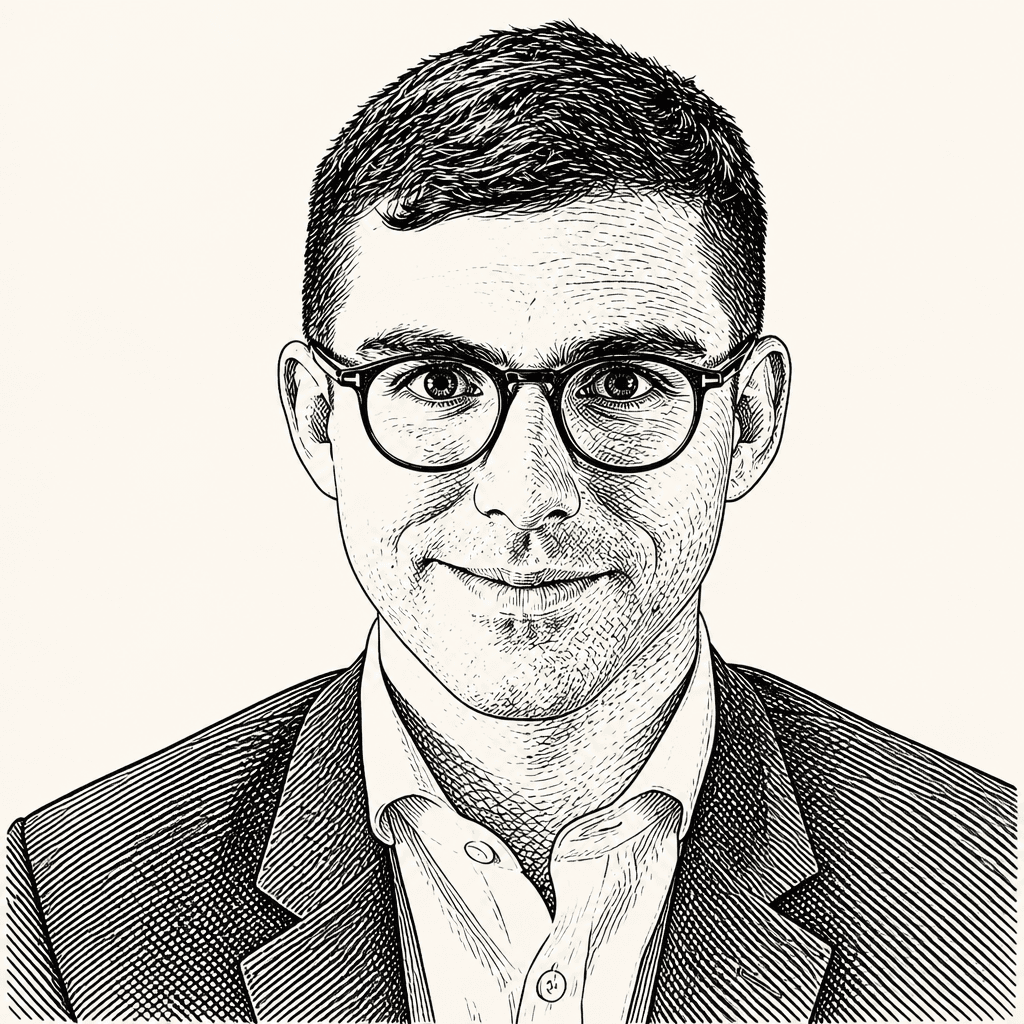
Bloomberg’s Natasha Mascarenhas argues that AI has not eased the work burden for many Silicon Valley employees so much as changed its form. In her reporting, engineers and founders describe a culture in which AI agents run around the clock, workers feel obliged to monitor them, and competitive revenue targets turn productivity gains into longer hours, higher anxiety and less room to step away.
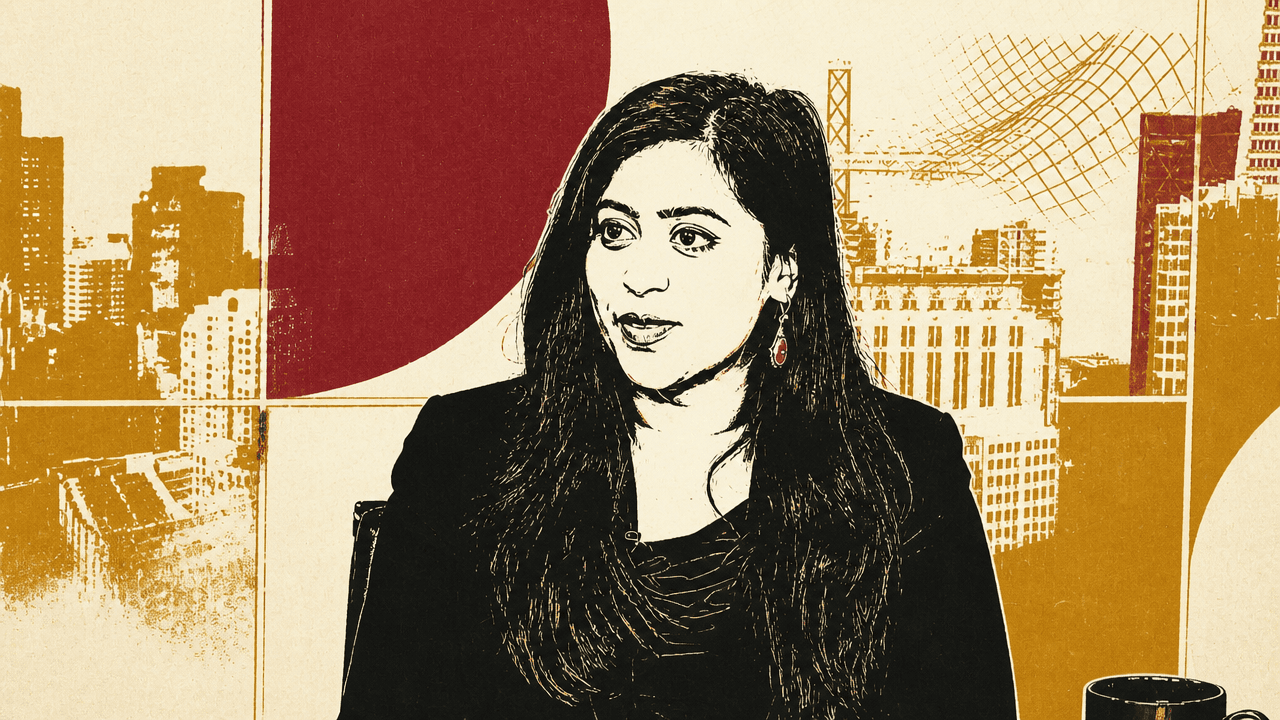
AI agents have not removed the need to watch the work
One promise of AI in Silicon Valley was relief from the burdens of work. Ed Ludlow framed the current reality differently: instead of lowering the pressure, AI is contributing to anxiety among tech workers and reinforcing a culture in which people “can’t seem to turn the laptops off.”
The mechanism, as Bloomberg’s Natasha Mascarenhas described it, is not simply that people are working harder because there is more to build. It is that AI agents, which are supposed to keep working while humans step away, have created a new kind of obligation: engineers feel they need to remain on standby while those agents operate. Ludlow put the pitch plainly: tell a swarm of AI agents what to do, go to bed, and wake up to completed work. Mascarenhas said her reporting found something closer to the opposite in practice. The engineer is still at the computer, watching the screen.
Mascarenhas said some engineers described the moment as “electric”: the agents are listening, executing, and working around the clock. But the same arrangement can make human workers feel controlled by the system they are supposed to be directing.
In some ways it's actually the vision that's always been pitched, right? That it's no longer the human controlling the AI, but the AI controlling the human.
The work does not disappear; it changes shape. Mascarenhas described employees who want to prove their standing inside companies and therefore stay close to the process. In that version of the AI workplace, software that runs continuously does not guarantee that humans stop working. It can become another reason for them to stay present.
The anxiety sits beneath the growth story
Mascarenhas said the story she reported with Rebecca Torrence began from a gap in the usual coverage of fast-growing AI companies. Much of the visible narrative is “up and to the right”: growth, competition, momentum, and ambition. The question she wanted to examine was the “cascade of anxiety beneath the surface.”
That anxiety appeared most clearly, she said, after formal conversations ended. Once laptops were shut or interviews were over, people who had described the opportunity would add that “this came at a huge cost.” The point was not that workers rejected AI or denied the excitement of the moment. It was that the excitement coexisted with exhaustion and pressure.
It's great, but this came at a huge cost.
Ed Ludlow connected the pressure to Silicon Valley’s public vocabulary: “founder mode,” “build,” “let’s build.” Mascarenhas’s reporting suggests that these phrases are attached to operating expectations. In Ludlow’s framing, workers are being pushed by investors who are desperate to beat intensifying competition. Mascarenhas’s account narrowed in on what that feels like inside companies: heightened stakes and minimal space for people to create mental breathing room.
One of the most telling examples Mascarenhas offered was the emergence of “touch grass parties,” social gatherings where attendees are not allowed to mention AI. If someone does, they have to make a donation. Ludlow asked whether the point was to create mental breathing room. Mascarenhas agreed. The detail is small, but it shows how hard AI has become to leave at work: people are creating explicit rules to keep it out of conversation.
Some founders describe the targets as existential
The pressure Mascarenhas described is not only personal or cultural. Founders are tying the work pace to business targets they describe in existential terms. She cited founders saying the issue is not merely working all hours, but the belief that if they do not hit a multibillion-dollar revenue stream by the next year, the company is “toast.”
That distinction mattered to Ludlow, who noted that Bloomberg tracks ARR targets as a way to gauge how startups are performing. Mascarenhas sharpened the point: the target being discussed was not valuation, but revenue. The pressure she described was therefore not just about appearing valuable. It was about the demand, in some companies’ own telling, to produce very large revenue on a short timeline.
That framing helps explain why automation has not translated into rest in the examples Mascarenhas reported. If a company believes it must reach multibillion-dollar revenue by next year, any productivity gain can sit alongside higher expectations. AI agents that work overnight do not necessarily shorten the workday; in these accounts, they can expand what teams feel they need to supervise and deliver.
The Claude Code anecdote became a symbol of the moment
Mascarenhas’s most pointed anecdote came from a developer who is also the mother of two children. The developer told her that Claude Code often tells her to go to sleep or go on vacation. Mascarenhas added that Anthropic told Bloomberg this is not a feature or a response to something. Still, she called it “a sign of the times.”
The example does not establish that the tool is designed to detect strain, and Mascarenhas did not present it that way. Its force is symbolic: a worker using AI in an environment of constant output is receiving messages that sound like reminders to stop, even as the surrounding work culture is pushing in the other direction.
In Mascarenhas’s reporting, the broader pattern is monitoring, waiting, and proving standing while systems continue to operate. The anxiety is not separate from the productivity story. It is one way the productivity story is being experienced by the people expected to keep pace with it.