Hui Ka Yan’s Life Sentence Leaves Evergrande Creditors Seeking Recovery
Evergrande founder Hui Ka Yan has been sentenced to life in prison after pleading guilty to charges including illegally taking public deposits and fundraising fraud, Bloomberg reports, citing Chinese media. Bloomberg’s Trista Xinyi Luo says 56 others, including Hui’s two sons, were also sentenced and Hui’s personal assets will be confiscated. But she argues the ruling does not resolve creditors’ recovery prospects, which depend on whether offshore liquidators can pursue Hui’s global assets and potential claims against auditor PwC.
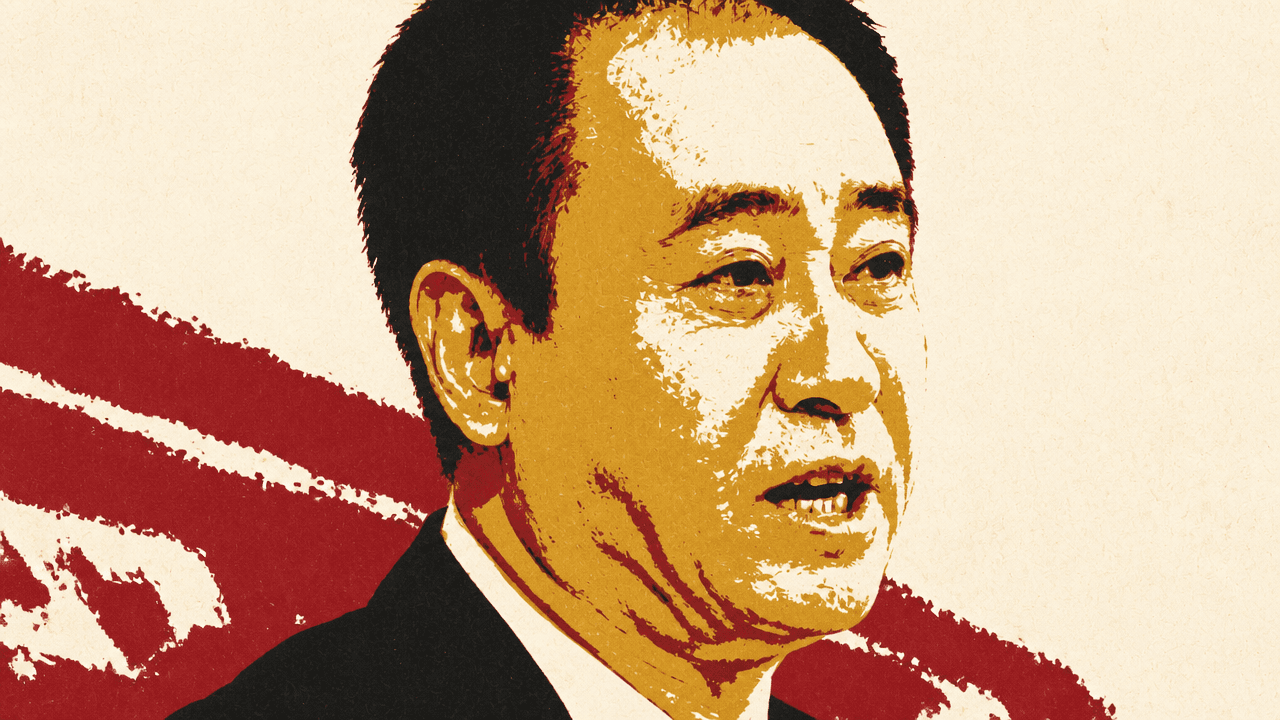
A life sentence closes one proceeding, not the recovery question
Evergrande founder Hui Ka Yan has been sentenced to life in prison, according to Chinese-media reporting cited by Bloomberg. The update said the property developer pleaded guilty to charges including illegally taking public deposits and fundraising fraud.
The ruling carries consequences beyond Hui alone. Trista Luo said Hui was sentenced alongside 56 other people, including his two sons, and that his personal assets will be confiscated.
The broadcast’s on-screen reporting framed the outcome plainly: “China sentences Evergrande’s Hui to life.” It also identified the confiscation of Hui’s assets as part of the sentence. Together, those developments mark what Luo called a closing chapter in Hui’s trial on the mainland.
That is a consequential endpoint, but it is not the same thing as an endpoint for Evergrande creditors. The criminal sentence concerns Hui and the other people sentenced with him. Asset confiscation is a stated element of his punishment. The remaining question Luo identified is whether an offshore liquidation proceeds and, if it does, what assets and claims can be pursued for creditor recovery.
Offshore liquidation remains the unresolved arena
For Trista Luo, the immediate point to watch is the potential offshore liquidation. She presented it conditionally—“if there’s any”—rather than as an outcome already settled by the sentencing.
That distinction matters because the mainland trial and an offshore liquidation serve different purposes in the account Luo gave. The trial has reached a closing stage with Hui’s life sentence. Offshore liquidators, by contrast, would be focused on locating or pursuing sources of value that could help cover money owed to creditors.
Luo described those efforts as ongoing and difficult. Liquidators offshore, she said, would still seek assets, including assets connected to Hui outside China and possible recoveries involving Evergrande’s auditor, PwC. She did not present either route as a completed recovery. They are the avenues she identified as part of the effort to find money for creditors.
The sentence and confiscation therefore sit alongside—not in place of—the offshore recovery effort. Hui’s personal assets are to be confiscated under the reported sentence, while liquidators may seek Hui’s global assets as they attempt to recover money. The update does not collapse those two processes into one mechanism or specify how assets pursued offshore would be treated.
Liquidators are pursuing assets, not merely awaiting the verdict
Trista Luo characterized the offshore task as an active pursuit rather than a procedural afterthought. The liquidators, she said, are “trying to fight hard” to recover money for creditors.
They're just trying to fight hard to, you know, try to cover money for creditors so far.
The specific paths Luo named are important because they show where attention shifts after the mainland ruling. One is Hui’s global asset base: liquidators may seek assets tied to the Evergrande founder beyond the personal assets identified for confiscation in the sentence. The other involves PwC, Evergrande’s auditor, which Luo identified as a possible source from which offshore liquidators could seek recovery.
Neither path answers the central recovery question on its own. The broadcast did not provide an amount available to creditors, a timetable for an offshore liquidation, or an account of what liquidators would ultimately obtain. Its point was narrower: the life sentence brings Hui’s mainland trial toward a close, while the effort to recover money remains directed at assets and potential claims outside that proceeding.