Anthropic’s IPO Could Deliver Menlo Ventures’ Biggest Return
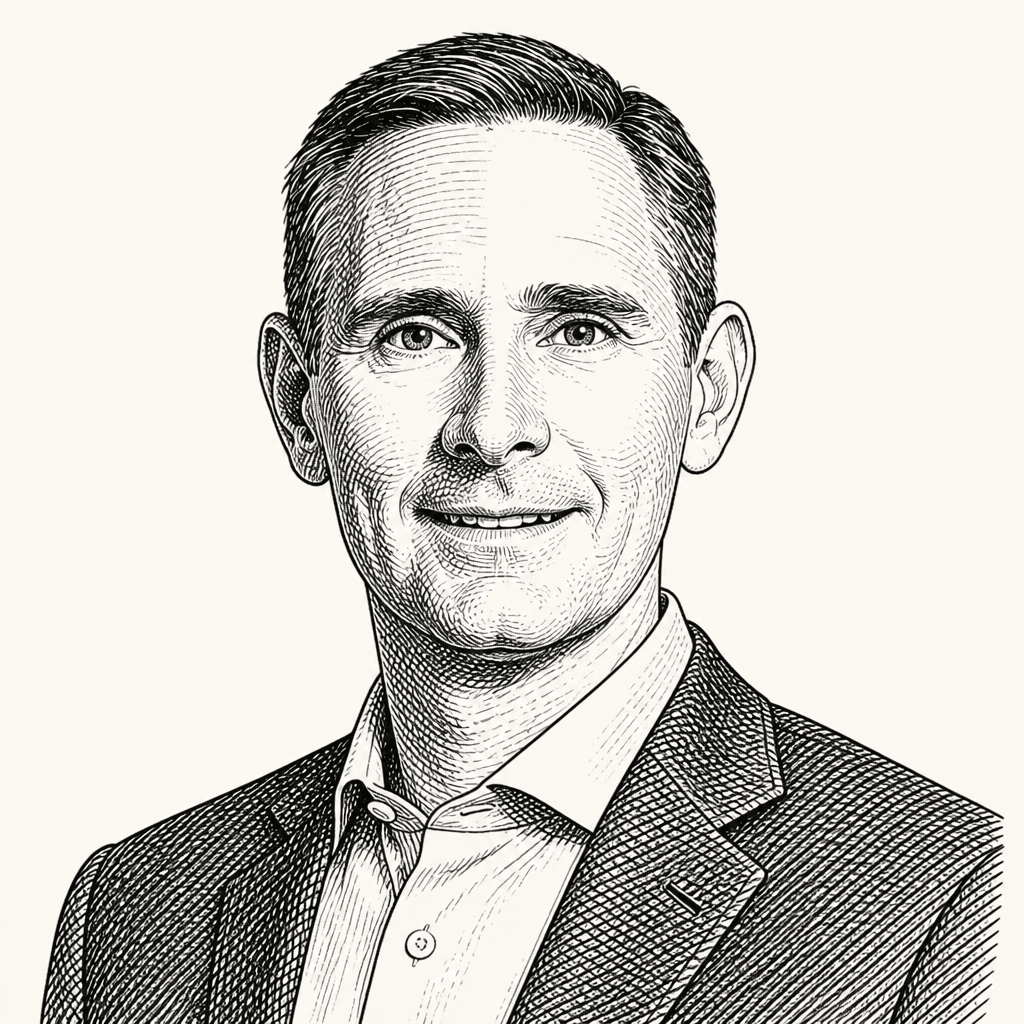
Menlo Ventures partner Matt Murphy says the firm’s investment in Anthropic is poised to deliver its largest return ever if the AI company goes public. Menlo has backed Anthropic in every round since 2023, and Murphy argues that its S-1 offers investors a rare chance to assess extraordinary growth directly. He also says the competitive test is shifting beyond model quality to include access to compute and how efficiently companies use it.
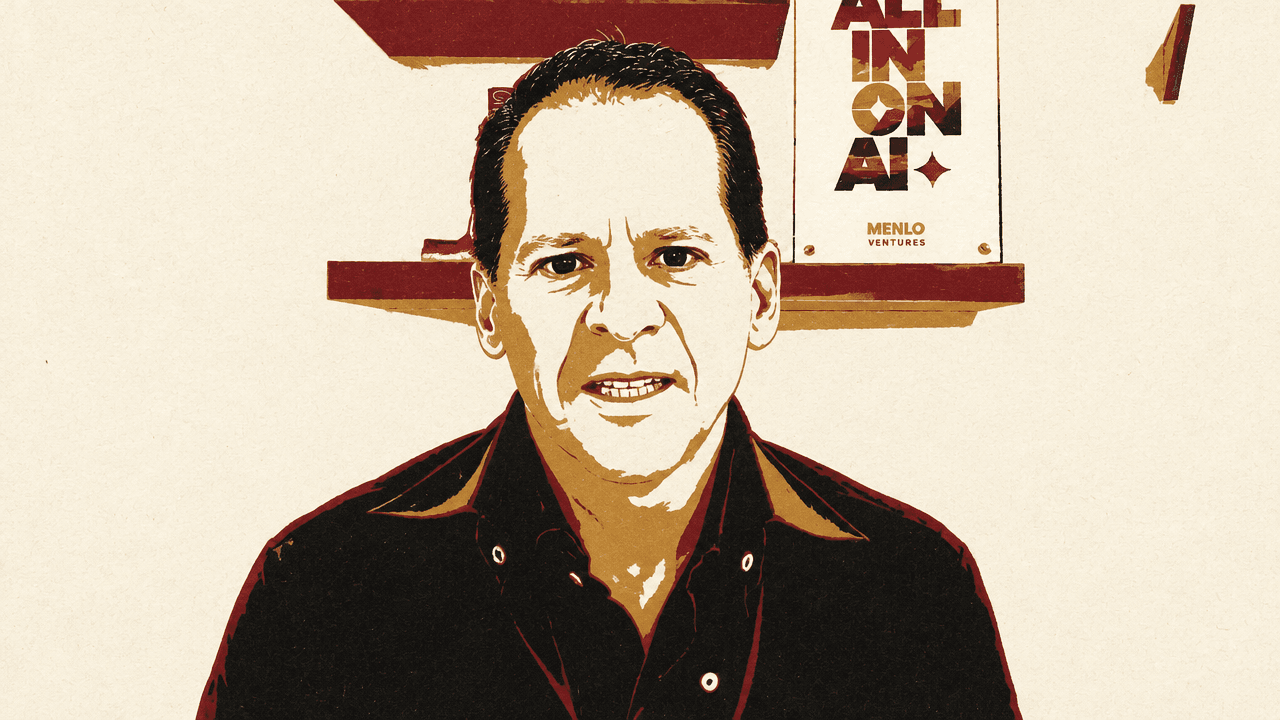
The S-1 puts unusual growth in front of public investors
Anthropic’s S-1 gives public-market investors a chance to assess the company’s numbers directly, rather than rely on speculation and leaks, Menlo Ventures partner Matt Murphy said. He pointed to year-over-year growth of more than 10 times at the scale reported for the second quarter, alongside retention he described as difficult to find elsewhere.
Murphy contrasted that pace with software companies generally: an average company, he said, grows 10% to 15%, while a top-decile company might reach 30%. He argued that a company growing at more than 10 times its prior-year level offers a rare public-market way to invest in AI, where there are still relatively few options. Venture firms, by contrast, see many AI companies seeking investment, though Murphy said few match Anthropic.
The S-1 also warns that growth at those levels will moderate. Murphy said he was not privy to future numbers and left the decision to public investors. The question, as he framed it, is whether AI growth is beginning to level off or whether the market remains in its early innings. He said he knows where he stands, but investors must make their own call.
The investment case extends beyond one model company
Menlo first invested in Anthropic in 2023, led its Series D, and, as Ed Ludlow put it, participated in every subsequent round. Murphy said the investment is Menlo’s largest and, in the context of a potential IPO, is expected to deliver the firm’s largest return ever. The firm has also backed companies such as Lovable and Legora, which he described as breaking out in different application areas and, in most cases, using Anthropic.
That broader portfolio shapes Murphy’s view of competition. He described open-weight models as a source of choice for application companies and pressure on frontier-model developers to move faster and offer families of models rather than a single solution. He sees that competition as a healthy sign as the market moves from a “land grab” or “figure it out” phase toward operating at optimized scale.
In Murphy’s view, a winning AI product depends on more than the underlying model. Companies also need compute, the ability to use it efficiently, and a “harness”—the services and product layer built around the model. He named Claude Code and Claude for Life Sciences as examples. The distinction matters to his investment thesis: value may accrue not only to frontier-model developers, but also to companies building useful products on top of models.
Murphy expects some of those application companies to reach public markets in the second half of the following year.
Compute efficiency has become part of the competitive test
The filing’s compute costs drew particular attention. Bloomberg’s chart of compute and infrastructure spending as a share of revenue showed the ratio falling sharply between 2023 and the first half of 2026.
Ludlow noted the change; Murphy called it a useful indication of whether companies are gaining leverage as they scale. He said Anthropic had long had to “do more with less.” When he first saw the company in early 2023, he said, its models were comparable to or ahead of ChatGPT on many dimensions despite Anthropic having raised roughly one-fiftieth as much capital as OpenAI had raised to reach that point.
Murphy credited Anthropic with using its infrastructure effectively, while also describing its efforts to secure more capacity, including capacity from Elon Musk and purchases of TPUs. The shift, in his account, is from competing mainly on model quality to competing on model quality, access to compute, and the efficiency with which compute is delivered.
Governance is part of the public-market decision
Ludlow highlighted Anthropic’s plan to remain a Public Benefit Corporation and the filing’s description of a founder entity holding 50.1% of shareholder voting power. Murphy said founder voting control is not unique, comparing it with arrangements at companies including Google and citing Elon Musk. Given the importance of the technology, he said, a different form of governance is appropriate.
Murphy also characterized Anthropic as unusually committed to trust and safety, saying that commitment distinguished the company and contributed to its enterprise position. He argued that investors should consider those stated priorities as part of understanding the company’s structure, rather than treating them as separate from its business.
Murphy had not fully reviewed the S-1 when interviewed. He said its risk disclosures reflected the importance of explaining the potential impacts of the technology, and argued that investors should consider those risks alongside possible benefits, including applications in life sciences and drug discovery. He wants the public discussion to balance what could go wrong with what could go right.