Small Seed Checks Still Drive Venture-Scale Returns
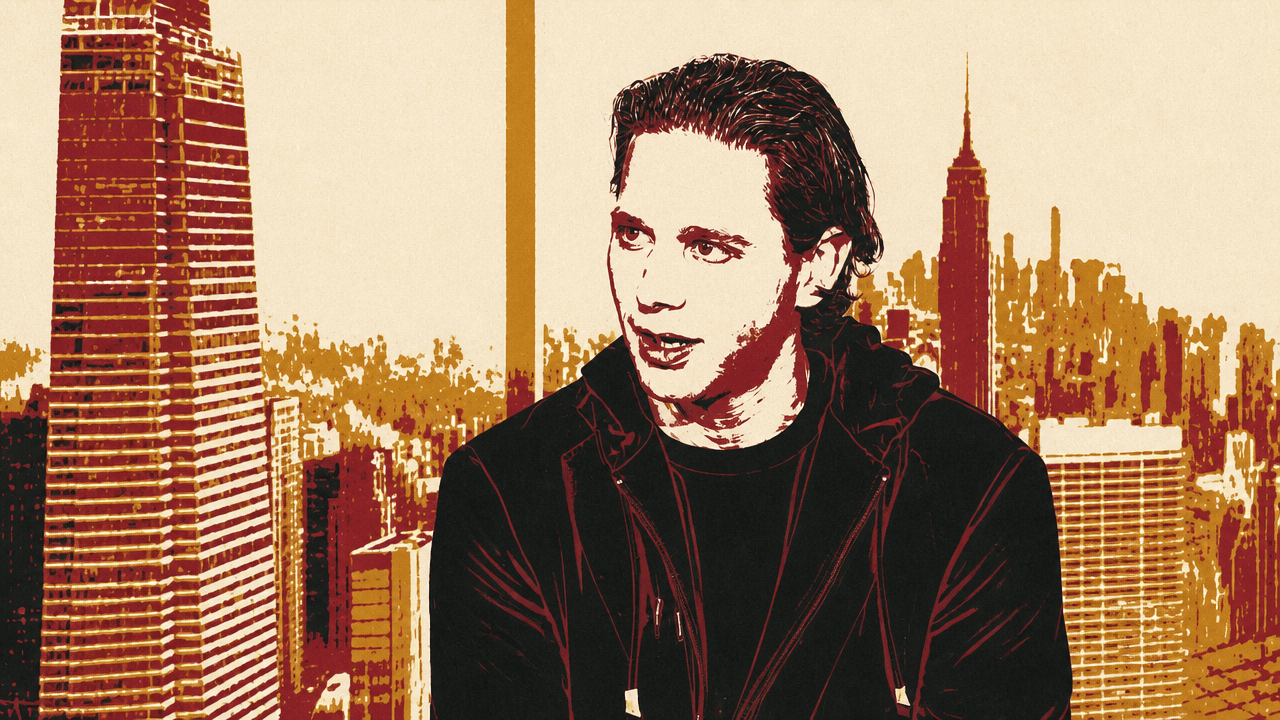
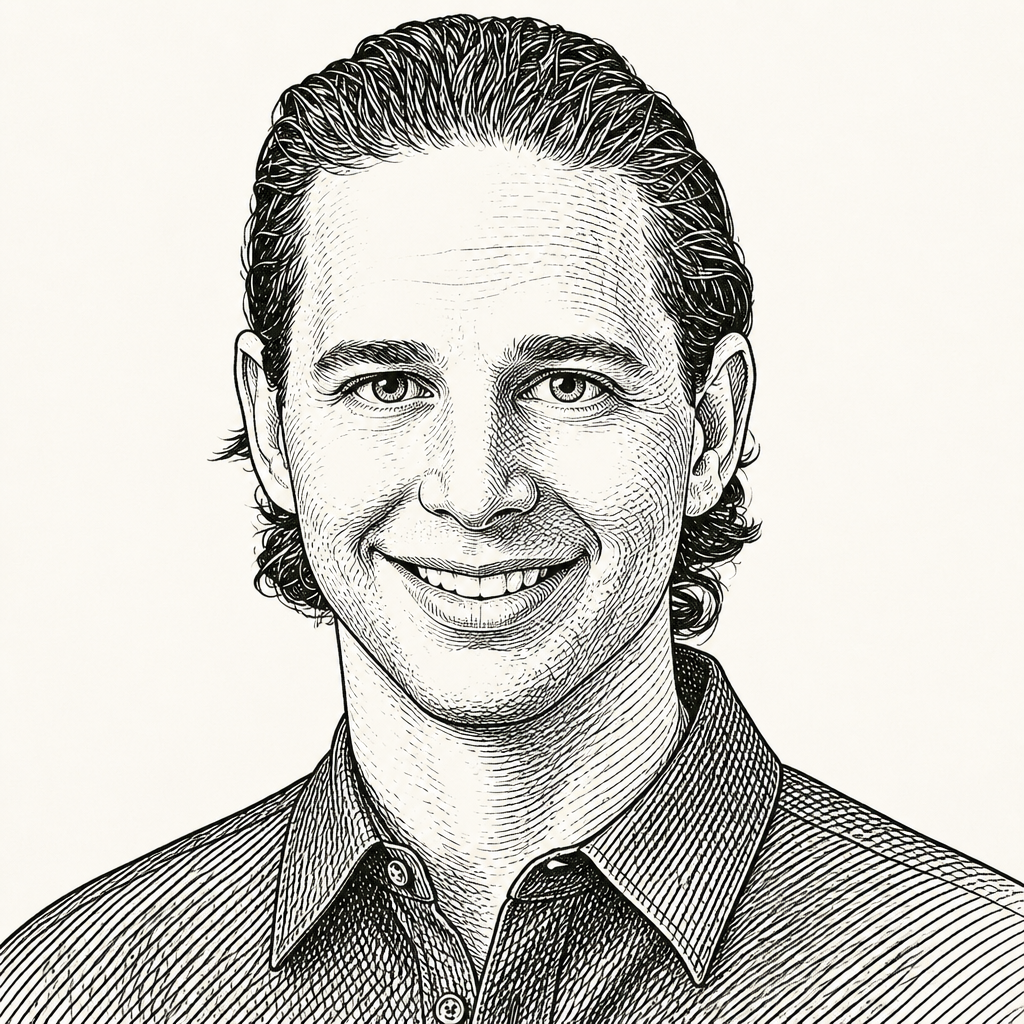
A-Star co-founder and general partner Bennett Siegel argues that venture-style outperformance still depends on small, early checks rather than joining the largest AI financings. In a Bloomberg Tech interview, Siegel said A-Star’s new $450 million fund is designed to preserve its seed-stage discipline: backing a limited number of companies before products, markets and consensus are fully formed, then following on selectively as winners emerge. He frames billion-dollar formation rounds as a separate market, not proof that traditional seed investing has lost its relevance.
A-Star is betting that seed investing still works when it stays small
Bennett Siegel describes A-Star’s model as a commitment to the early-stage investing craft rather than a move up-market with venture capital’s largest funds. The firm has raised a $450 million Fund III, up from an initial $300 million fund, but Siegel frames that as a modest increase rather than a strategic pivot. The point of the fund size, he says, is to keep A-Star close to founders at the earliest stage: when the product may be undeveloped, the technology may be unclear, and the market may not yet have consensus around it.
That position sits against a market Siegel calls “a world of giants,” both among venture firms and among startups. Larger funds, in his telling, face changed incentives. As they raise more capital, they need to deploy larger checks, which pushes them toward later-stage rounds or toward companies capable of absorbing hundreds of millions or billions of dollars. He points to Anthropic and OpenAI as examples of companies raising “many billions of dollars,” and contrasts that with A-Star’s preference for founders raising a few million dollars to build “a giant of tomorrow.”
A-Star reported the following performance metrics as of late 2025:
| Metric | Value |
|---|---|
| Fund I net internal rate of return | 36% |
| Fund I rank among comparable investment vehicles | Top 5% |
| Fund II net internal rate of return | 58% |
Those reported numbers are central to Siegel’s argument for keeping the fund relatively small. A $450 million vehicle is large enough, in his view, to support early-stage companies and continue backing the strongest ones, but not so large that A-Star has to abandon the seed-stage ownership and check-size discipline that produced the company-reported Fund I and Fund II results.
A-Star’s listed portfolio included Ramp, Mercor, Whop, and Decagon. Siegel later used Decagon as the example that best illustrates the model’s economics: an early seed entry, continued follow-on investment, and a much higher valuation within three years.
The seed market has split between application startups and lab spinouts
The pressure on A-Star’s model comes from the widening meaning of “seed.” Caroline Hyde pointed to reporting around roughly $2 billion being raised by Thinking Machines Lab and another $2 billion seed round for Safe Superintelligence, including cases where a product had not yet developed. The issue is whether a firm committed to small early checks is still competing in the market that matters.
Siegel describes the market as bifurcated. On one side are what he still calls traditional seed rounds: often companies founded by younger founders, including graduates from Harvard, MIT, and Stanford, raising roughly $3 million to $5 million. Many of these companies are building on top of foundational model companies, using the technology and capital already invested in firms such as OpenAI and Anthropic. Siegel calls this the application layer, and says A-Star has backed a number of companies there.
On the other side are companies formed by researchers leaving established model companies. Those founders may raise hundreds of millions, or even billions, “out of the gate” to pursue research and potentially commercialize future technology. Siegel said A-Star has largely avoided those rounds, which he said have been led by firms such as Andreessen Horowitz and others.
His objection is not absolute. A-Star will “pick our spots,” he said. But he argued that many founders do not need $500 million at inception, even if the capital markets currently allow them to raise it. “In many cases founders don't really need $500 million out of the gate, though in this capital markets environment they're able to get it,” Siegel said. In his view, the availability of capital has created a class of very large formation-stage financings, but those are not the center of the seed market A-Star is underwriting.
That distinction lets Siegel defend the continued relevance of seed investing without denying the existence of “coconut,” “avocado,” or “mango” seed rounds — the joking shorthand Ed Ludlow used for financings so large that calling them seed rounds may obscure more than it clarifies. A-Star’s commitment to checks around the $2 million to $5 million level is the counterexample: evidence, as Ludlow put it, that the traditional seed market remains “alive and well and true to its definition.”
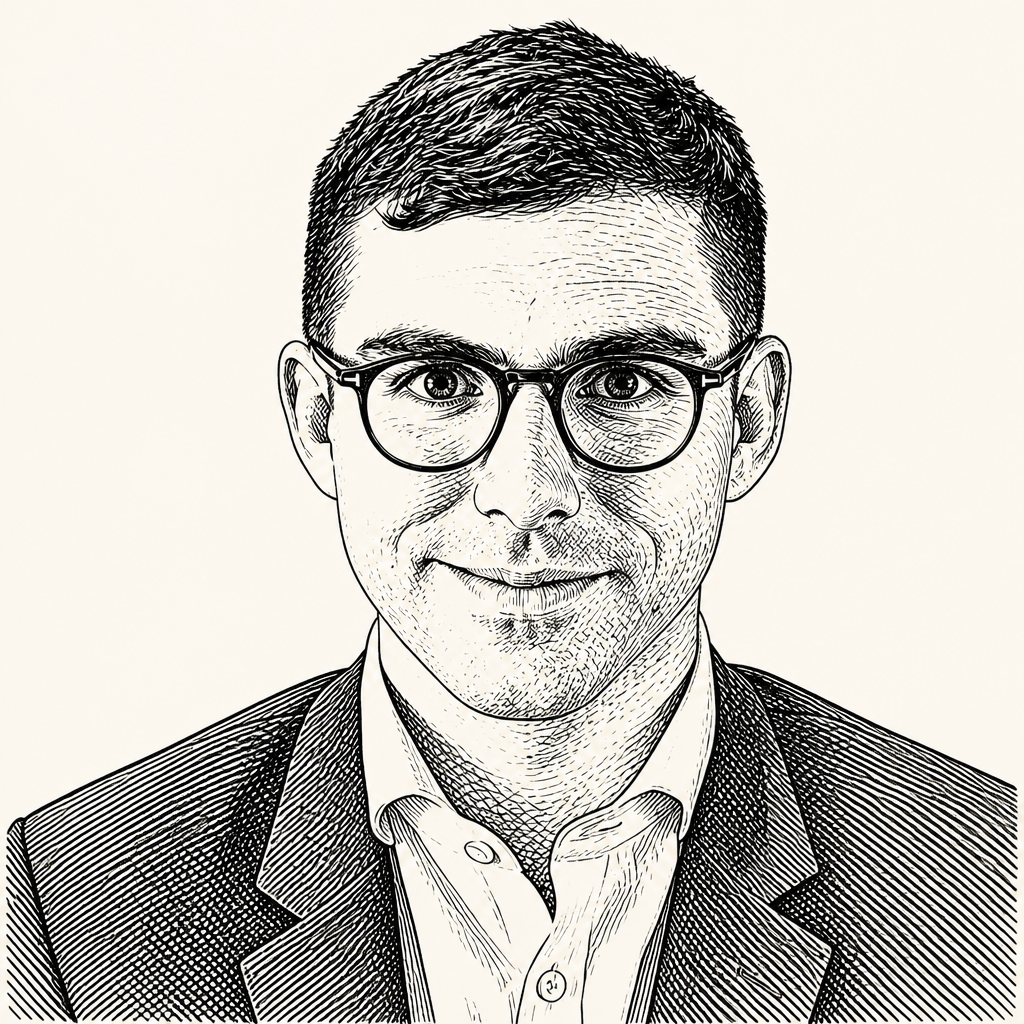
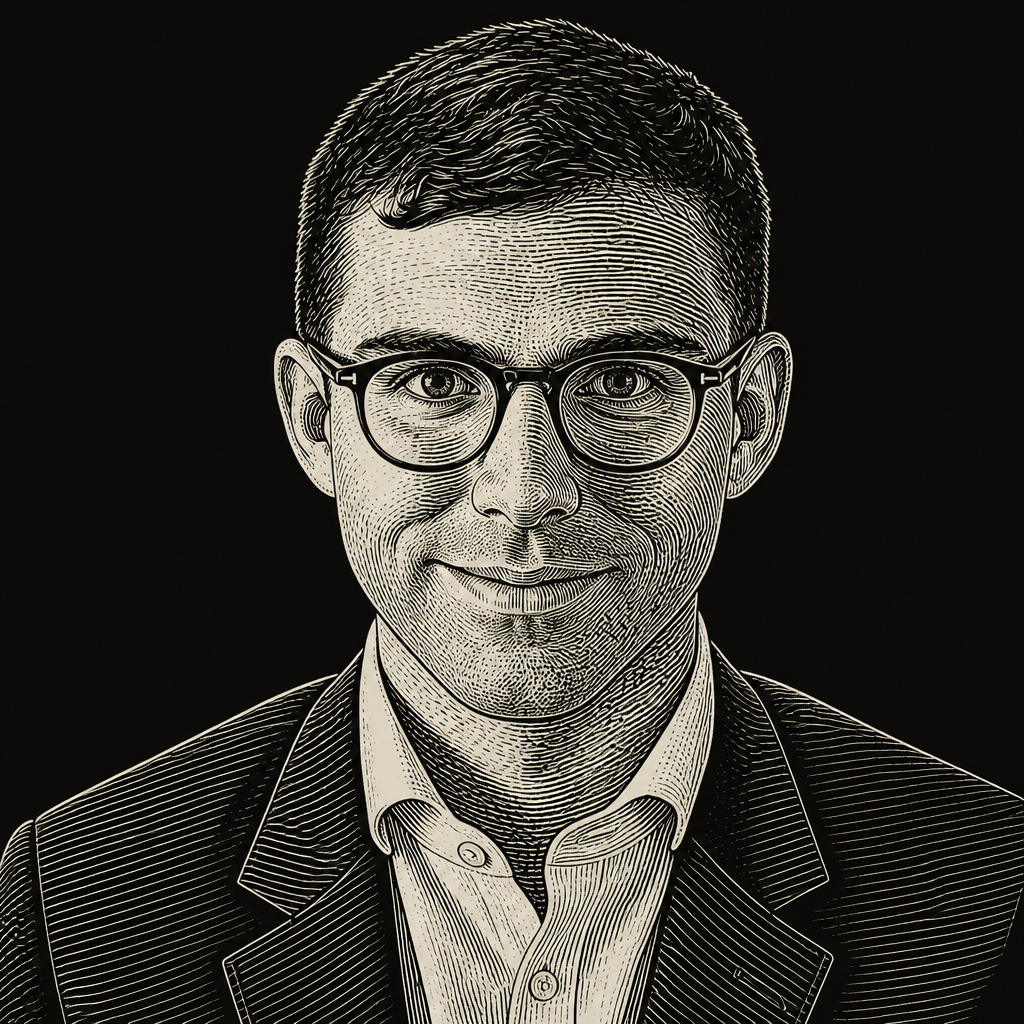
Siegel’s position is pragmatic rather than purist. “We’re gonna play the game on the field,” he said. A-Star has increased fund size somewhat, and he acknowledged inflation in round sizes. But he argued that $100 million rounds for founders with no product and no prior track record remain rare, particularly concentrated among researchers emerging from labs.
The return profile depends on entering before consensus and staying concentrated
Siegel contrasted A-Star’s model with his prior experience at Coatue, where he spent four years before co-founding A-Star. Coatue, as he described it, is a multistage fund investing from venture through public markets, with much of the focus on growth-stage companies where winners are already clearer. At that stage, a fund can deploy hundreds of millions of dollars into a company and seek a multiple on that capital.
A-Star is trying to earn returns in a different way. At seed, Siegel said, the firm may invest only a couple million dollars initially. It is backing a founder before there is a fully formed idea, before market consensus, and before a business has been built. The upside, as he describes it, is that early ownership can produce “100, 200, 300 times” the initial investment if the company becomes very large.
That return profile requires patience and concentration. Siegel said the companies can take many years to mature, and A-Star expects to keep investing in its best companies over time rather than simply taking early stakes and moving on. The goal is to become one of the largest shareholders on the cap table in a small number of companies that could move from inception to public markets over a decade or longer.
Decagon is the example Siegel used to connect the theory to practice. He described the company as a leader in AI customer support, an area he called one of AI’s “killer use cases,” because the technology can replace a significant amount of call-center work. A-Star co-led Decagon’s seed round at a $22.5 million valuation and continued to invest as the company grew. Siegel said the company is now valued at nearly $5 billion, less than three years later.
For Siegel, the Decagon story is not only about valuation markup. It is also an argument about capital discipline. He said there are “a number of examples” where founders can do a lot with less capital, and that raising less can impose discipline on teams and companies. That is the core tension in A-Star’s position: it is operating in a market where enormous early rounds are possible, but its claimed edge depends on believing that the biggest early check is not always the best early company-building tool.