US Revives Panama Jungle Training Amid Latin America Military Buildup
 Keith Benedict
 Ricardo Lombana
 Camila Aybar
 David Garcia
 Kevin CabreraBloomberg OriginalsMonday, May 11, 20266 min read
Bloomberg reports that the US military’s revived jungle training in Panama is both a readiness exercise and a signal of Washington’s harder posture in Latin America under Donald Trump. David Alire Garcia frames the return to Fort Sherman after a 25-year hiatus against the capture of Nicolás Maduro, the administration’s “Trump Corollary” language, and a broader regional buildup that has unsettled Panamanian officials and sovereignty advocates. The piece argues that the training is not evidence of an imminent operation, but it shows the US preparing for jungle warfare while redefining security cooperation in a region with a long memory of American intervention.
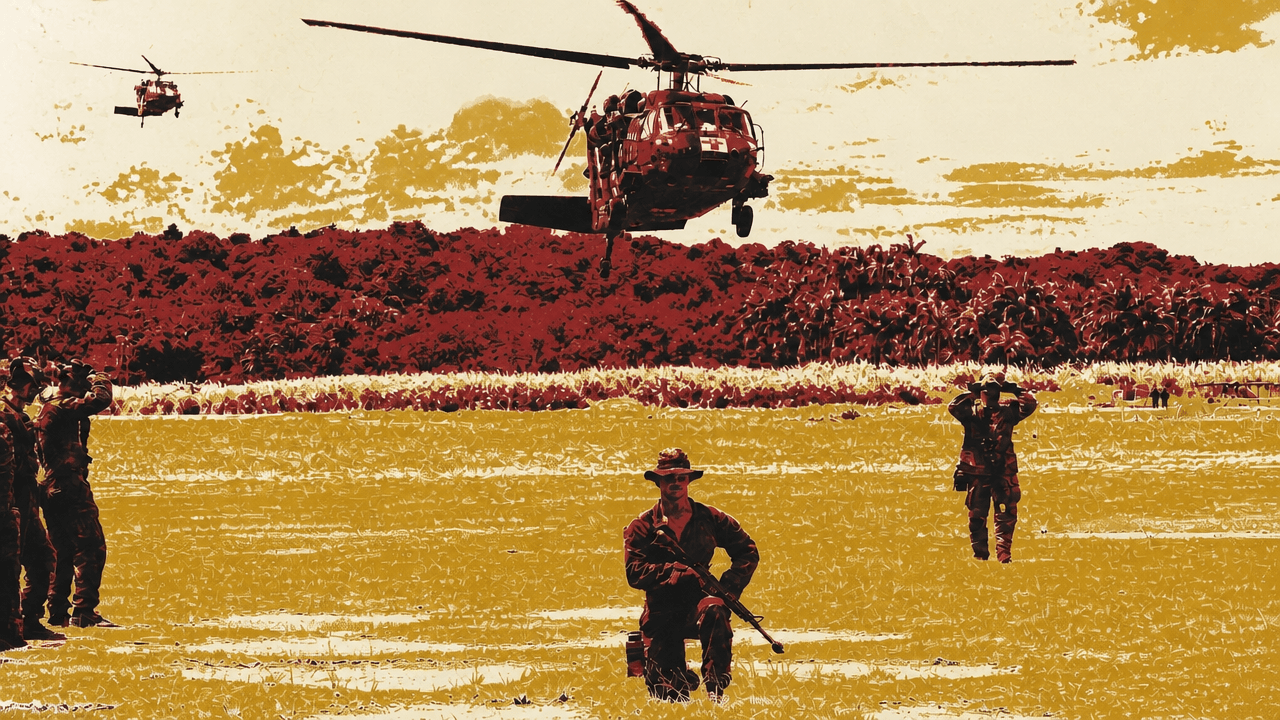
Jungle training is readiness, but Panama hears the regional threat
The US military’s return to Panama’s rainforest is survival preparation for one of the hemisphere’s hardest operating environments. It also sits inside what Bloomberg describes as the biggest US military buildup in Latin America in decades, after the January 2026 US operation that captured Venezuelan President Nicolás Maduro and amid talk of additional military action in the region.
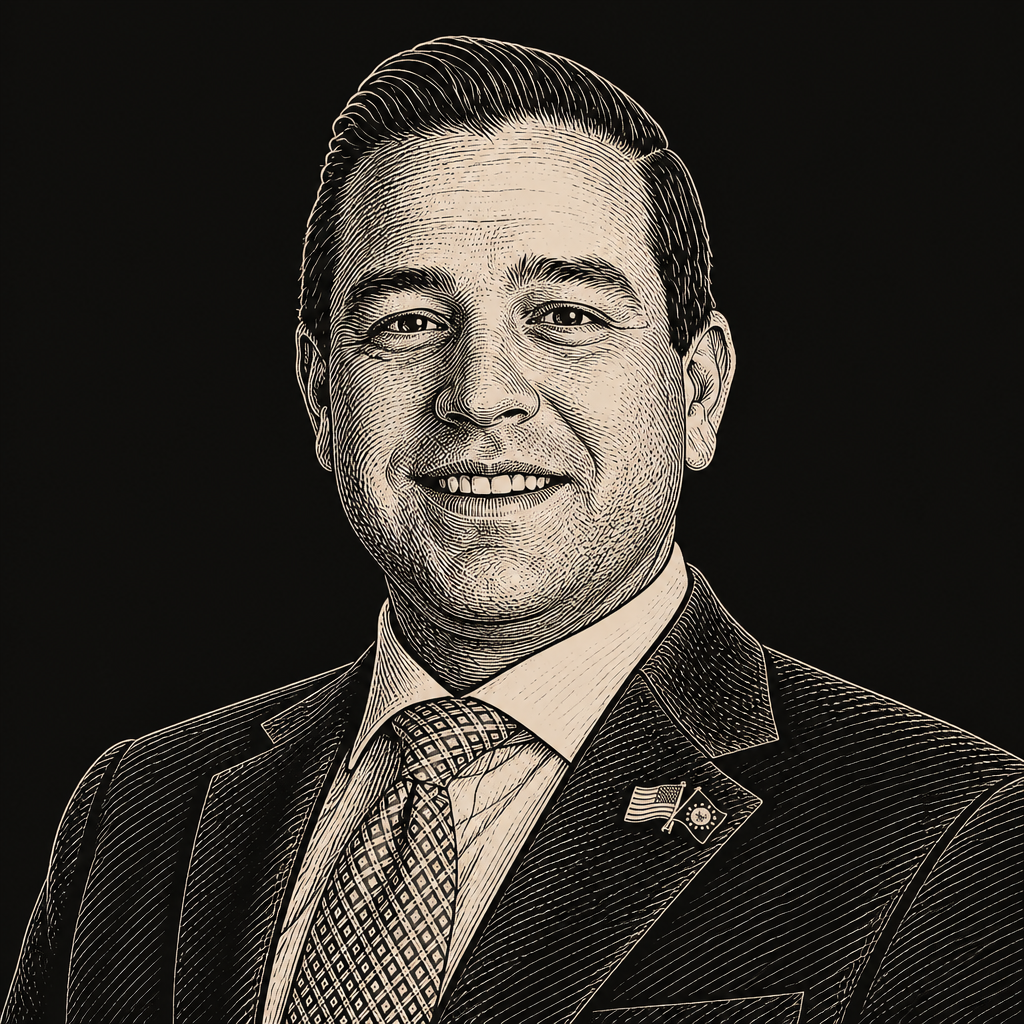
At Fort Sherman, American soldiers are training alongside Panamanian forces after a 25-year hiatus. Col. Keith Benedict says the jungle itself is “the first adversary”: triple-canopy cover, constant water and rain, and the need to operate with limited logistics. Soldiers are being trained for survival, including basic movement and machete use for those unfamiliar with the tool.
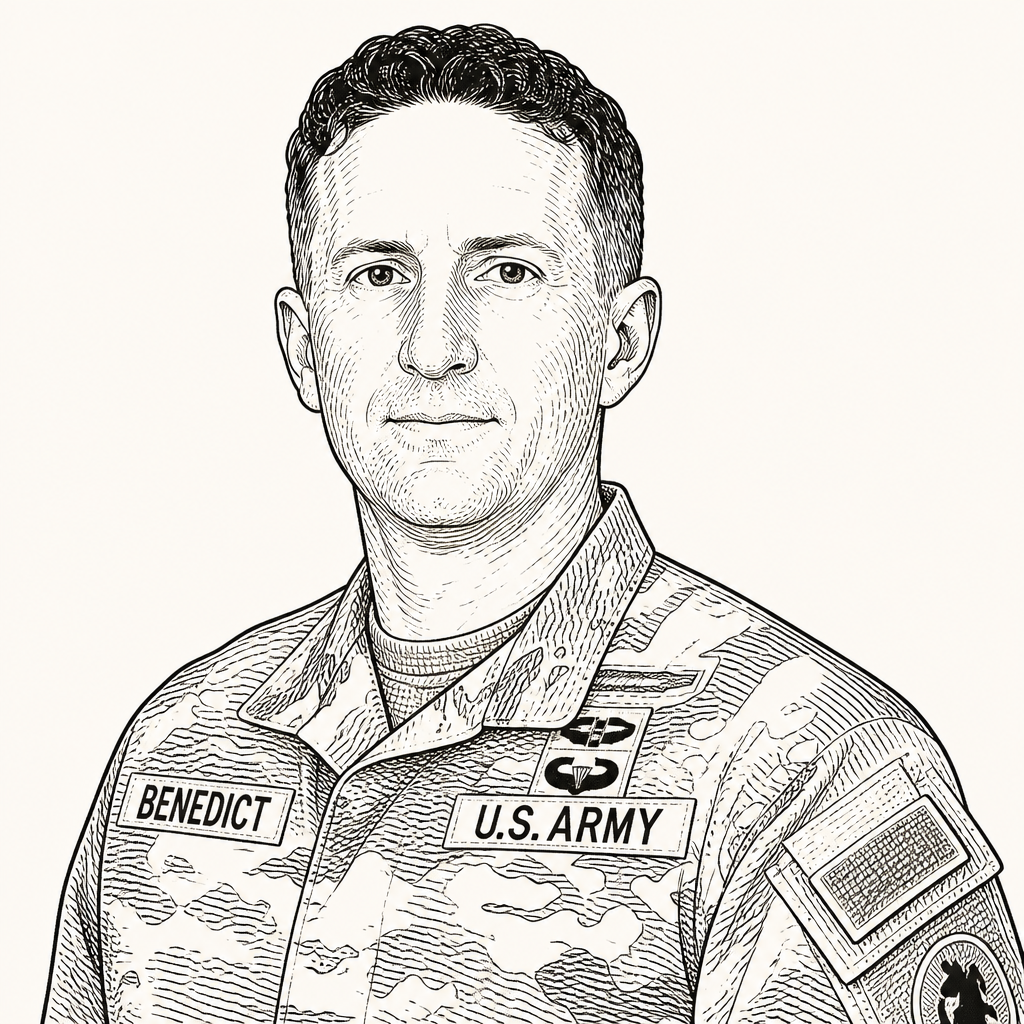
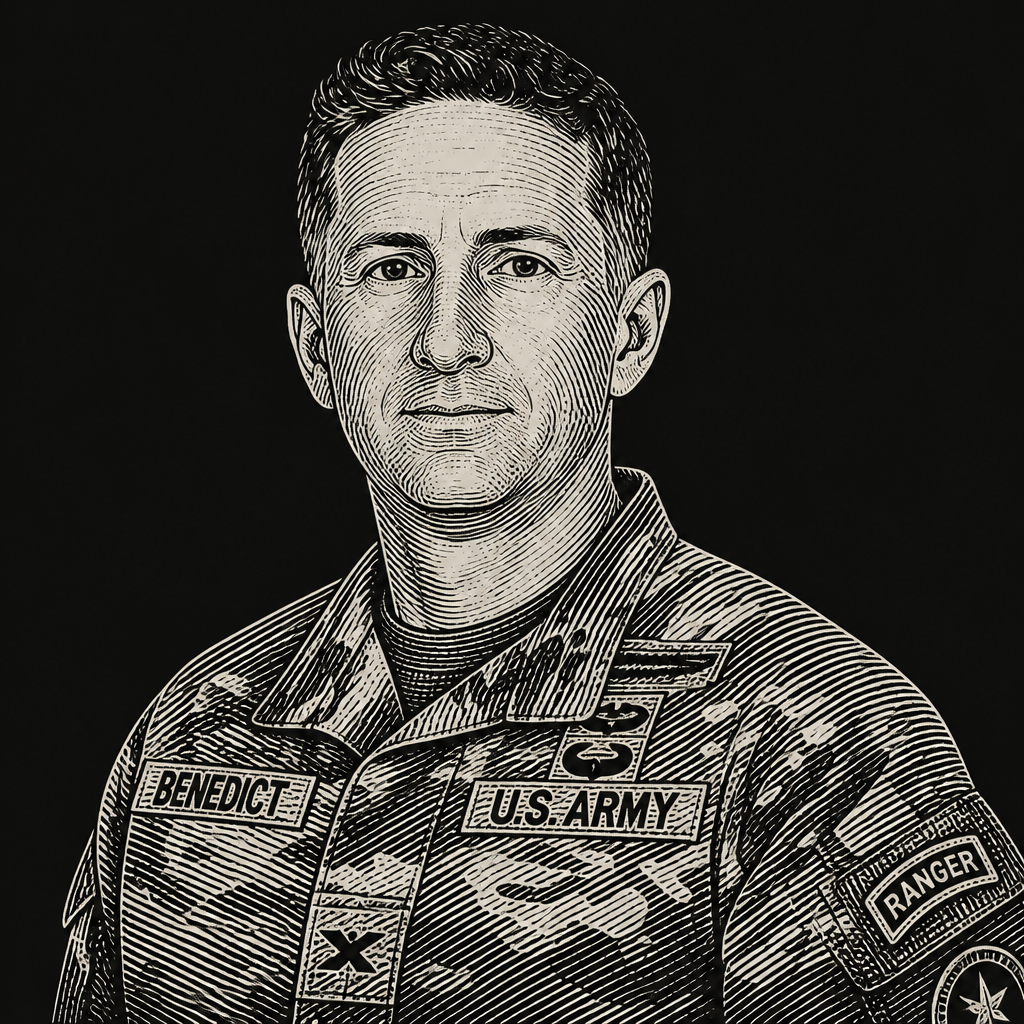
Benedict frames the training as a rare chance to practice where support is constrained. “If you can operate in the jungle,” he says, “you can operate almost anywhere.”
Kevin Cabrera frames the broader shift as a correction after years of US distraction elsewhere. “For a long time we were focused on many other things and we forgot about our neighborhood,” he says. Under President Trump, Cabrera says, the US is refocusing on the Western Hemisphere.
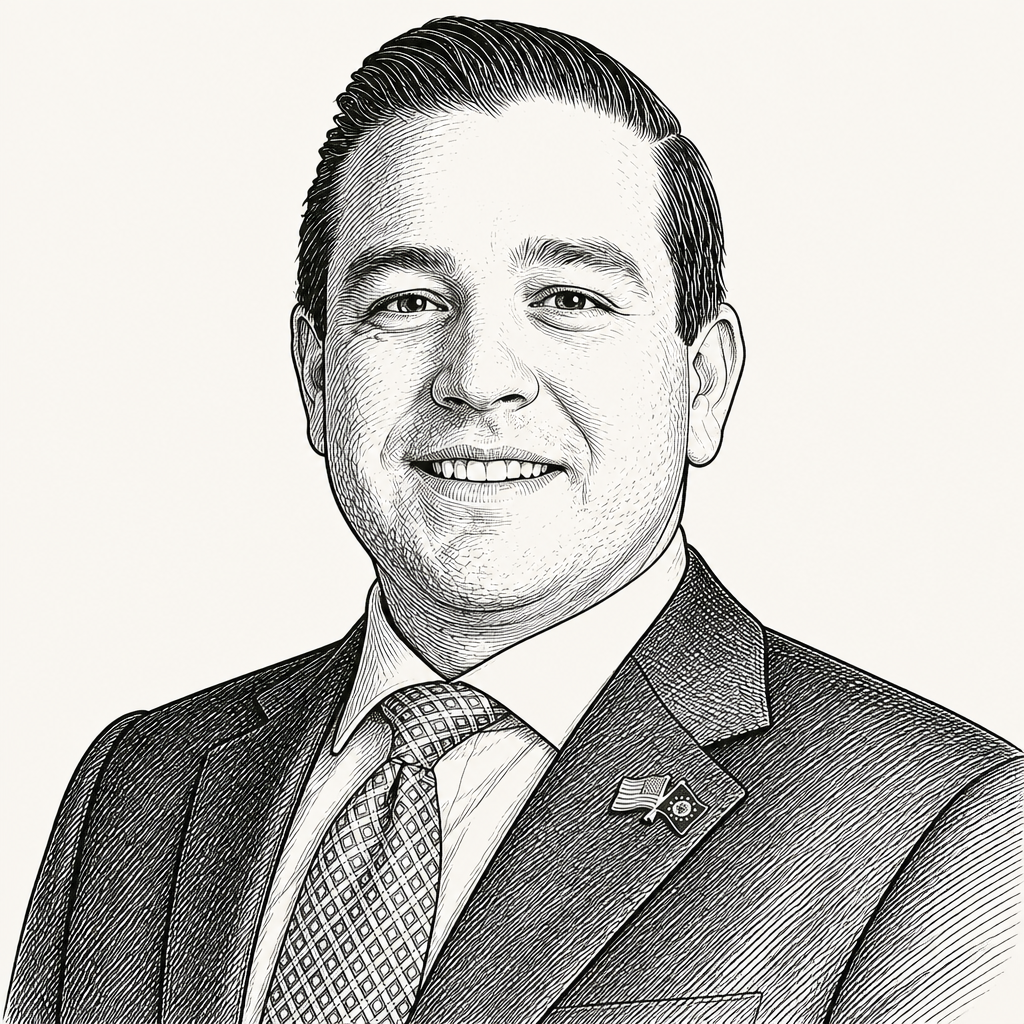
That refocus carries new weight after Maduro’s capture. David Alire Garcia says Trump appears to view Venezuela as a major success: Maduro was removed with no loss of US soldiers’ lives. Garcia is careful not to treat jungle training as proof of future strikes. No one he spoke with said that. But the practical implication, in his view, is clear: the US military is making sure it is ready. Jungle terrain exists across the hemisphere — Colombia, Mexico, Cuba, and other countries — and the training prepares forces for the possibility of operations in such environments.
Panama’s history makes the new presence hard to treat as routine
The renewed US activity lands on ground with a long military history. Garcia says the US Defense Chief announced in Panama last year that three military bases there would be revived. Jungle training had taken place in Panama from the 1950s until 1999, when treaties required the United States to hand over its military bases and the Panama Canal to Panama.
The two dates carry the political weight of the setting. In December 1989, President George H.W. Bush told Americans he had ordered US military forces into Panama. Garcia says hundreds, if not thousands, of people were killed in the invasion that removed authoritarian leader Manuel Noriega. In December 1999, the canal and former US bases passed fully to Panama.
For Panamanian observers, the concern is sovereignty as much as training. Camila Aybar says the relationship between Panama and the United States has long been marked by a large imbalance of power: much power on one side, little on the other. She calls it a difficult relationship.
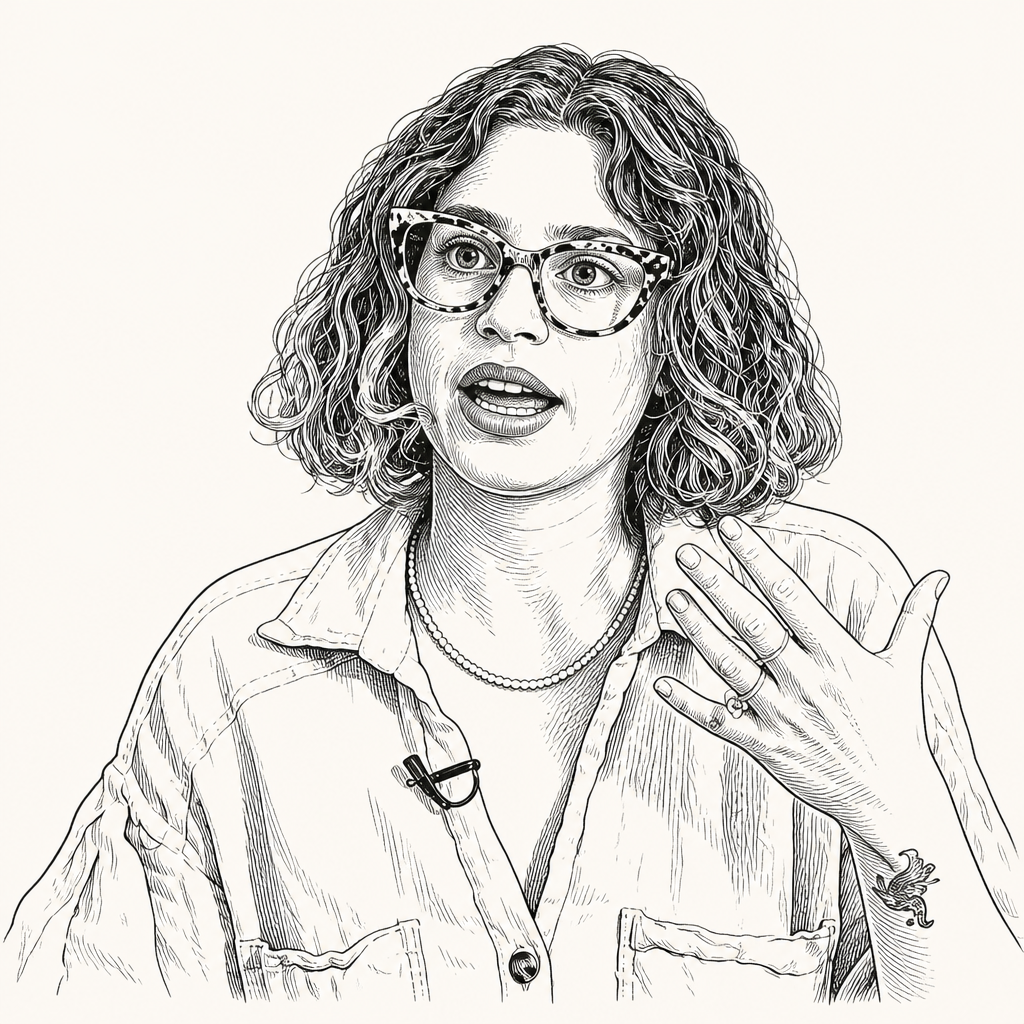
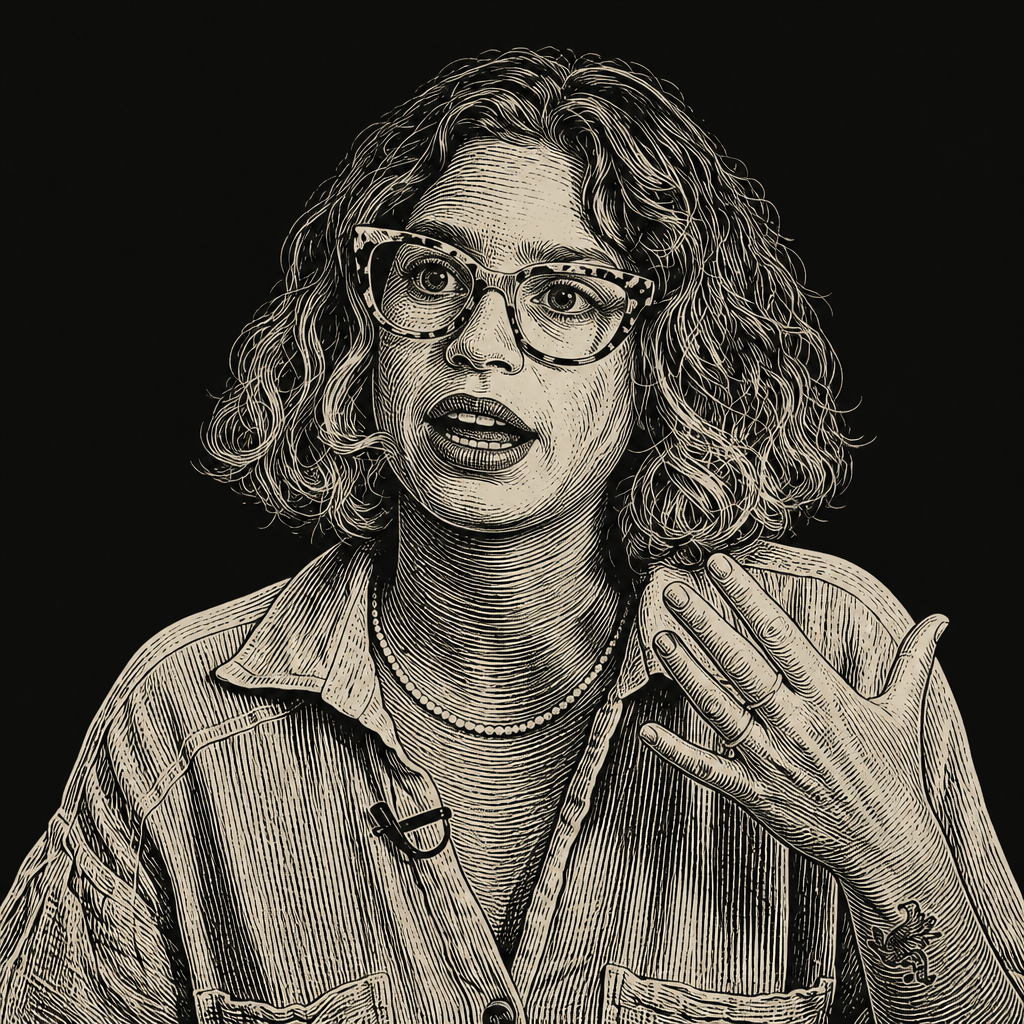
Aybar says no country wants to be on bad terms with the United States, because that would not be strategic. But she warns that the cost cannot be Panama’s sovereignty, democratic security, or freedom. In her view, the current state of international law is troubling, especially because decisions made by a country as powerful as the United States can affect Latin Americans so deeply.
Claro que nos queremos llevar bien con Estados Unidos. Definitivamente. Pero no puede ser a costa de nuestra soberanía.
The policy language is a more muscular hemispheric claim
Garcia says the Trump administration’s December National Security Strategy shocked some observers because it made clear a pivot toward a more muscular and aggressive US posture in Latin America. The document used language about restoring “American strength at home and abroad” and referred to “This ‘Trump Corollary’ to the Monroe Doctrine.”
Garcia says many people interpreted the strategy as a revival or reinterpretation of the Monroe Doctrine, the 200-year-old doctrine named for the fifth US president that originally sought to expel European powers from the Americas. One month after the strategy appeared, the US captured Maduro in Venezuela. That operation followed what Garcia calls an unprecedented military buildup in the Caribbean.
| Policy phrase | Where it appears in the source | How Garcia frames it |
|---|---|---|
| “restore American strength at home and abroad” | National Security Strategy document | Part of a more muscular US posture |
| “This ‘Trump Corollary’ to the Monroe Doctrine” | National Security Strategy document | A revival or reinterpretation of the Monroe Doctrine |
The posture also has political supporters in the region. At a “Shield of the Americas” event in Doral in 2026, Trump announced “a brand new military coalition to eradicate the criminal cartels plaguing our region.” Garcia says some governments in the region have backed Trump. In March, like-minded right-wing Latin American leaders gathered in Miami, willing to partner with the United States, coordinate with it, and, in Garcia’s words, “maybe willing to submit, frankly.”
Garcia also lays out the administration’s rationale as he understands it. People have fled repression, lack of economic opportunity, and bad conditions in parts of the region; there is support, he says, for the United States doing things these countries have not been able to do themselves. That is part of the argument the Trump administration is making for a muscular approach to Latin America.
But Garcia says many voices do not believe an expanded US military presence is a recipe for a stable, prosperous Latin America. Ricardo Lombana says the Trump government is unpredictable, making it difficult to know what its next step will be on military action.
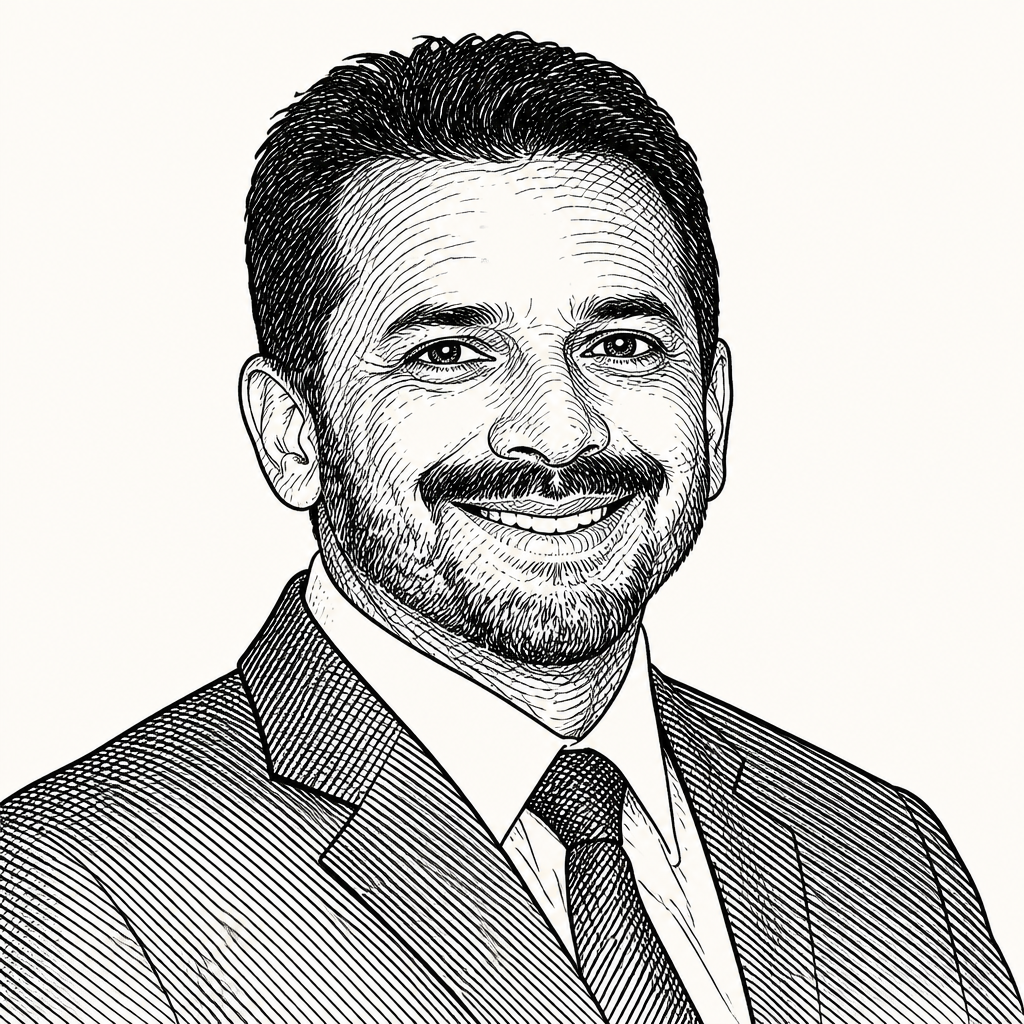
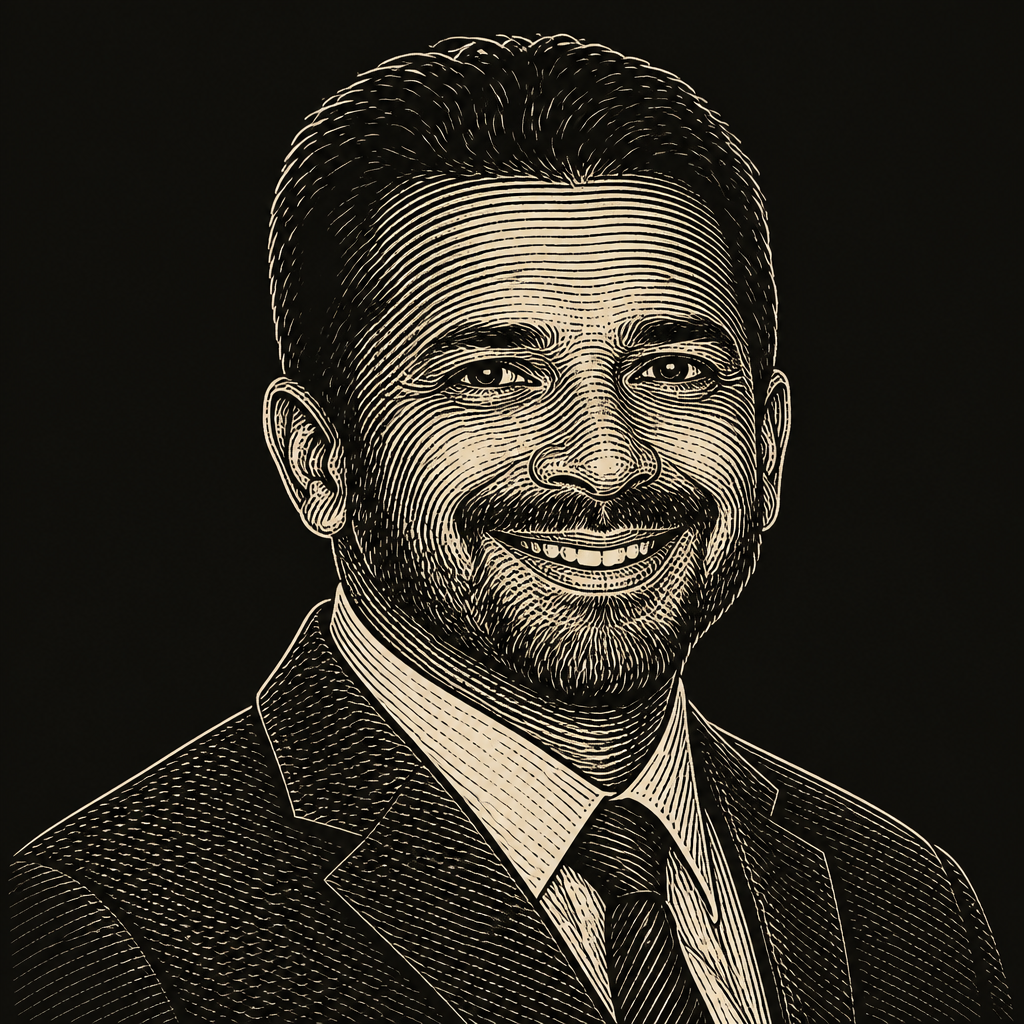
Lombana does not deny the failures inside Latin American states. He says countries in the region have often been unable to resolve corruption, weak institutions, and fragile judicial systems. He also says Trump’s decision sent a clear message: the United States is prepared to intervene. But he separates the diagnosis from the method. He does not agree with the methods, even while allowing that alternatives may be limited. What would be unacceptable, he says, is for Panama to cede sovereignty, territory, and autonomy, leaving the country — and a canal that should be neutral — inside a geopolitical battle.
The canal turns sovereignty into a US security question
Panama matters to Washington because the canal matters to the US economy. Garcia describes it as a major shipping channel that is highly important for global trade. Around 5% of global trade passes through the Panama Canal, and roughly three quarters of the cargo ships transiting it are linked to US imports or exports. He calls it a major logistical piece of the US economy.
Kevin Cabrera frames the canal through security. “You can’t have economic prosperity without security,” he says. Under the Neutrality Treaty, Cabrera says, only two countries are required to unilaterally protect the canal irrespective of each other: Panama and the United States. His position is that training and planning are necessary even if the hope is that none of it ever has to be used.
That security framing exists alongside Trump’s more provocative language. In a March 2025 address to Congress, Trump said, “My administration will be reclaiming the Panama Canal, and we’ve already started doing it.” Garcia says Trump’s early comments about retaking the canal were highly controversial at street level. Protesters marched with a banner depicting Trump and reading: “DONALD TRUMP ¡EL CANAL DE PANAMÁ NO ESTÁ A LA VENTA!”
For Aybar, the danger is sharpened by recency: Panama recovered its sovereignty only 25 years ago. For Lombana, the stronger long-term answer is not coercion but cooperation. The US government, he says, should understand that helping Latin American countries and cooperating with them has more durable effects. That is what creates conditions for peace. If force is used to install outcomes, Lombana warns, the United States is telling other powers in the world that they can do the same.