Tracy McGrady Turns Bills Stake Into Broader Sports Business Platform
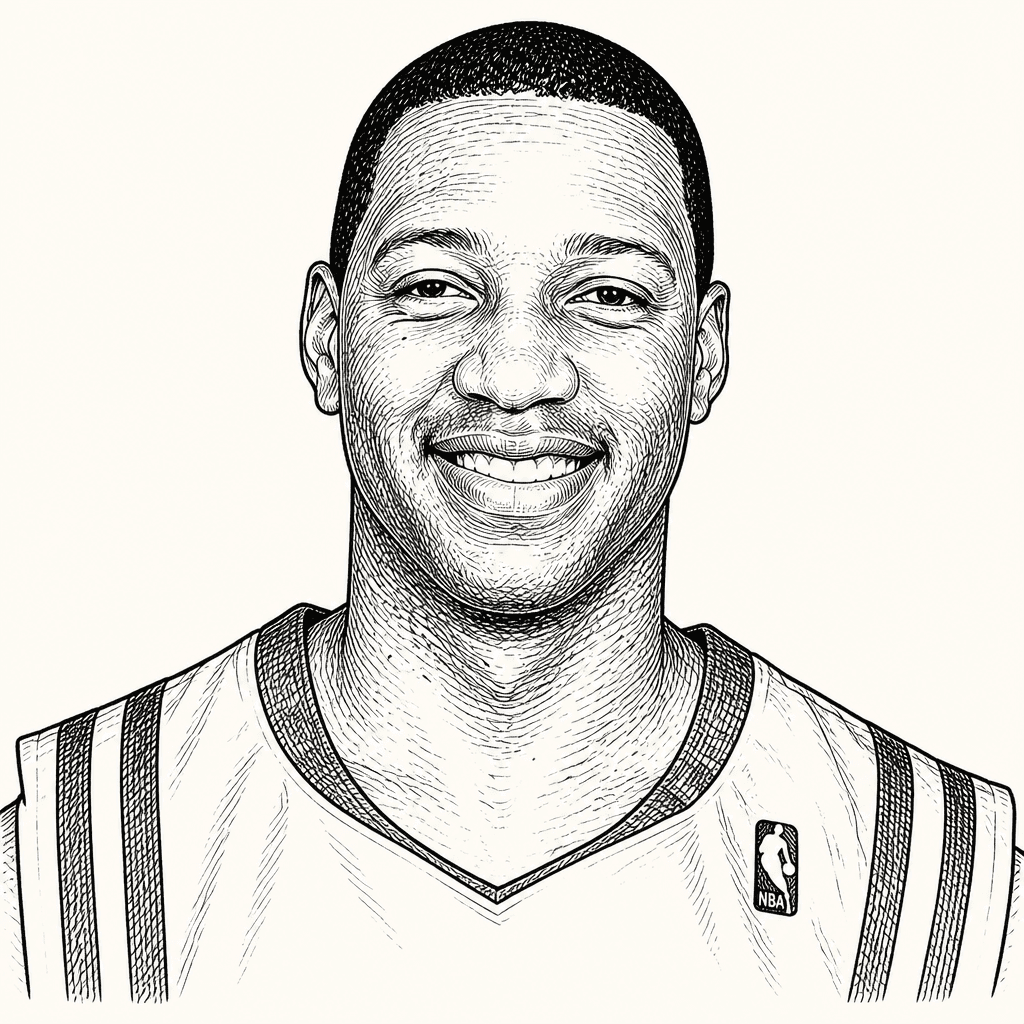
Tracy McGrady told Alex Rodriguez and Jason Kelly that his investment in the Buffalo Bills was the result of a long-running ambition to move from athlete to owner, not a celebrity stake in a franchise. The NBA Hall of Famer described ownership as a way into new rooms and relationships, while tying the same logic to his NBC role, his China business ties and Ones Basketball League, the one-on-one platform he is trying to build from his own experience as an overlooked teenage prospect.
Ownership was the goal, not the trophy
Tracy McGrady said he had long wanted to own part of a team, whether in “baseball, basketball, football” or another major sport. The Buffalo Bills investment was not presented as a casual celebrity attachment to a franchise. McGrady described it as a goal that sat behind years of learning, relationship-building, and watching how access in sports business actually works.
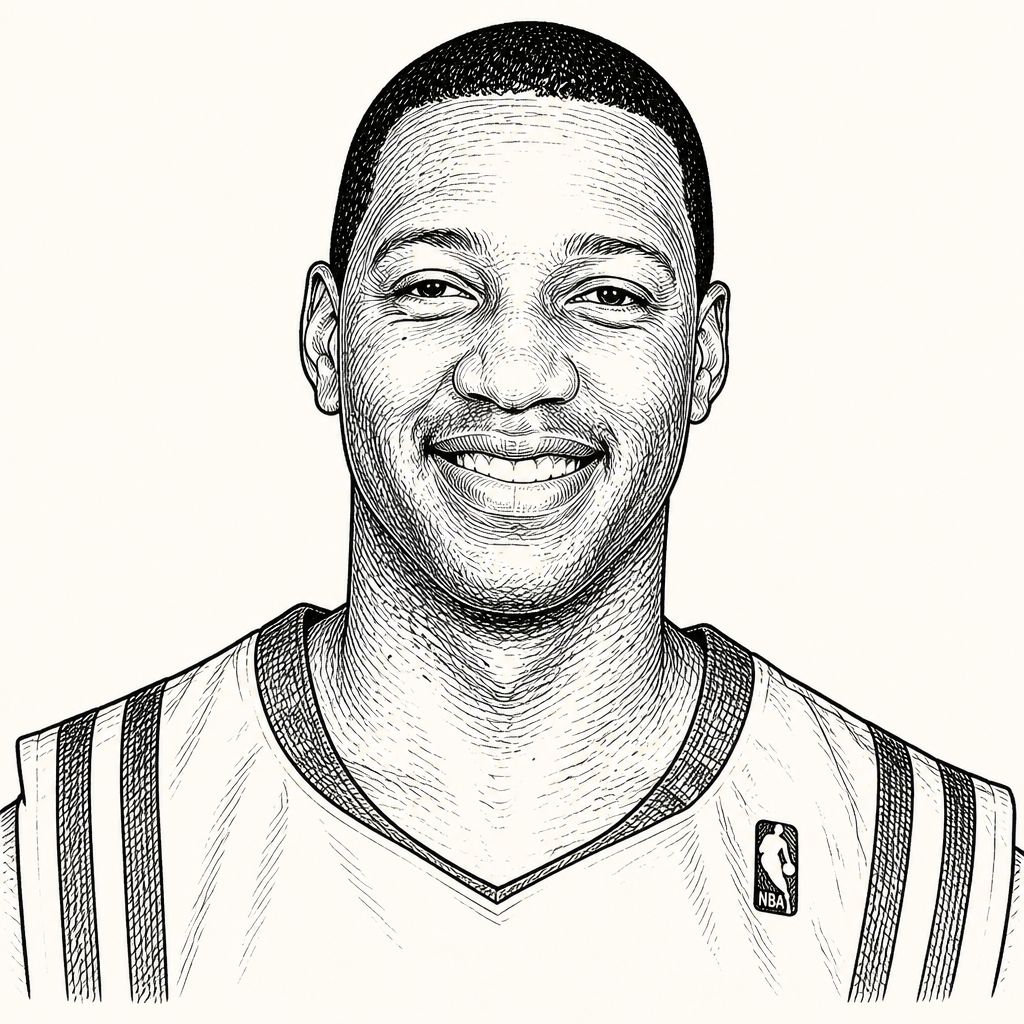
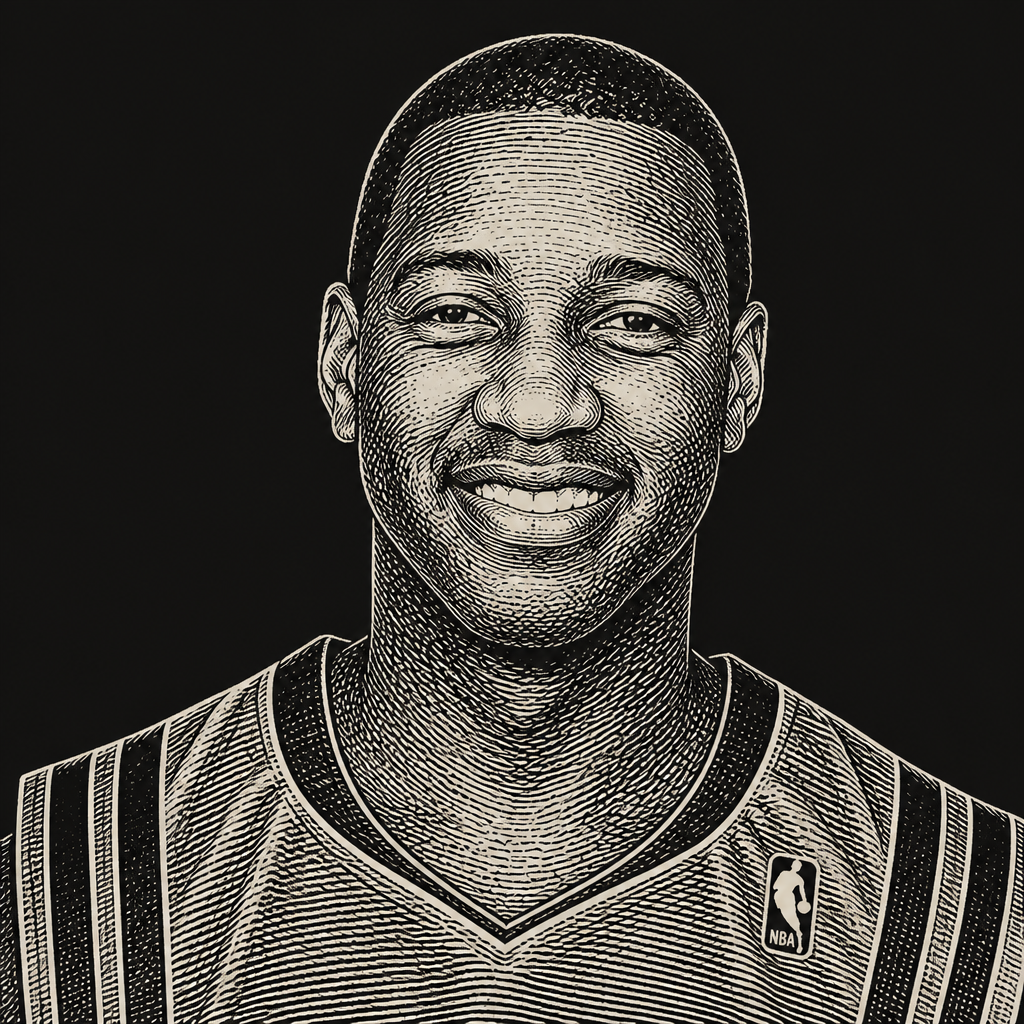
His first target was closer to home: the Tampa Bay Buccaneers. McGrady, who is from Florida, said he wanted “some ownership” in the hometown team. That did not happen. The Atlanta Falcons surfaced next, but McGrady said that opportunity was already “too far along,” with Dominique Dawes and Will Packer among the names he associated with that group. Then the Bills came up.
The fit, in McGrady’s telling, was less arbitrary than it looked. He played his first three NBA seasons in Toronto, and Buffalo sits close to that market. During his Raptors years from 1997 to 2000, he said Bills players including Bruce Smith and Thurman Thomas would come to Toronto games. A Bloomberg screenshot shown during the discussion framed the Bills ownership news this way: “Buffalo Bills Add Toronto Sports Stars as Owners to Court Canada,” published Dec. 20, 2024.
The Bills investment also became a family deal. McGrady called Vince Carter, his cousin and former Toronto teammate, and asked whether he had any interest in becoming an NFL owner.
Carter’s answer, according to McGrady, was immediate: “I’m in.”
The two went to a Bills game and then met with Terry Pegula after it. McGrady expected something like an audition. He thought he had to be on his “best behavior” and sell Pegula on why he belonged in the ownership group. Instead, he said, the meeting was just a casual hour-long conversation in Pegula’s office after the game. At the end, Pegula asked whether he wanted to be part of it.
“What? Of course. Absolutely,” McGrady recalled thinking. “And it happened just like that.”
Alex Rodriguez pressed McGrady on the moment when enthusiasm turns into capital commitment. Rodriguez said the first time he wrote a large check for ownership, he “couldn’t sleep for a week,” because athletes from their backgrounds were not used to releasing that kind of money from a bank account.
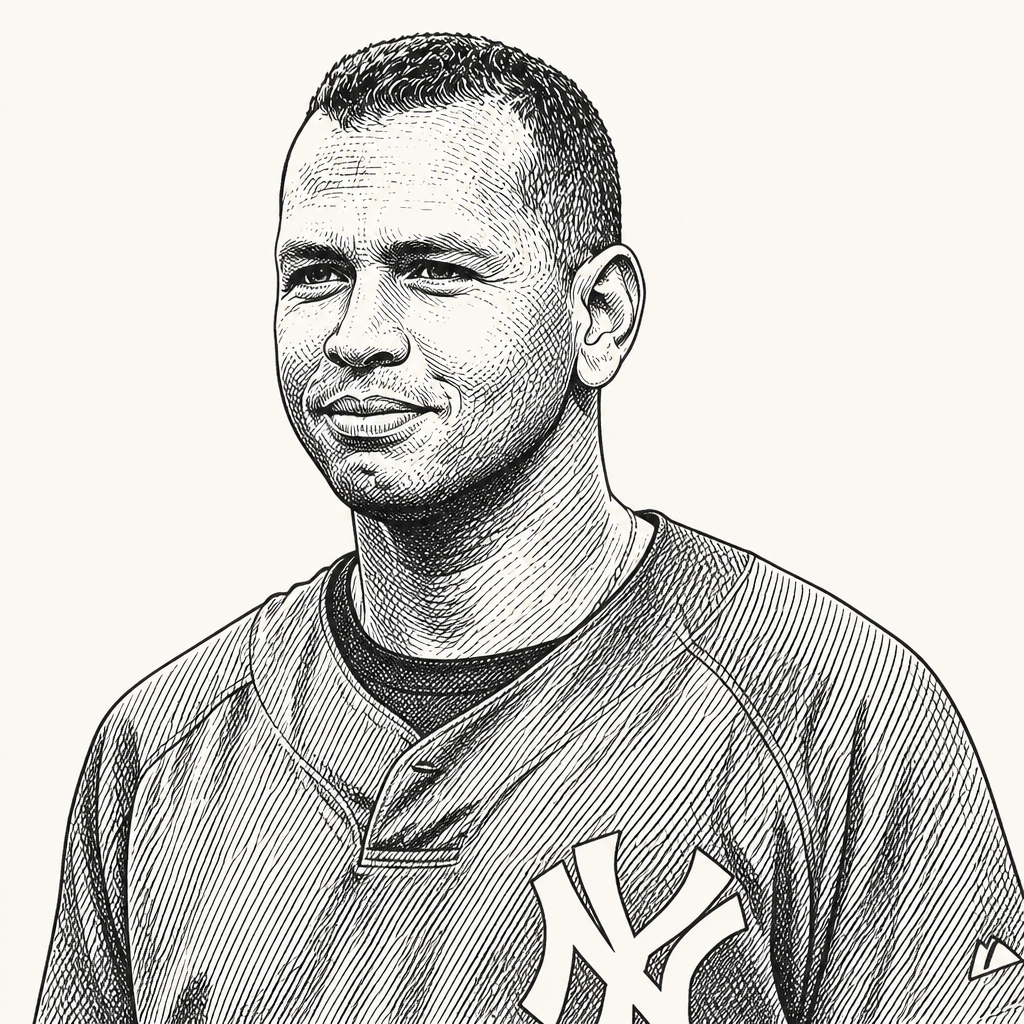
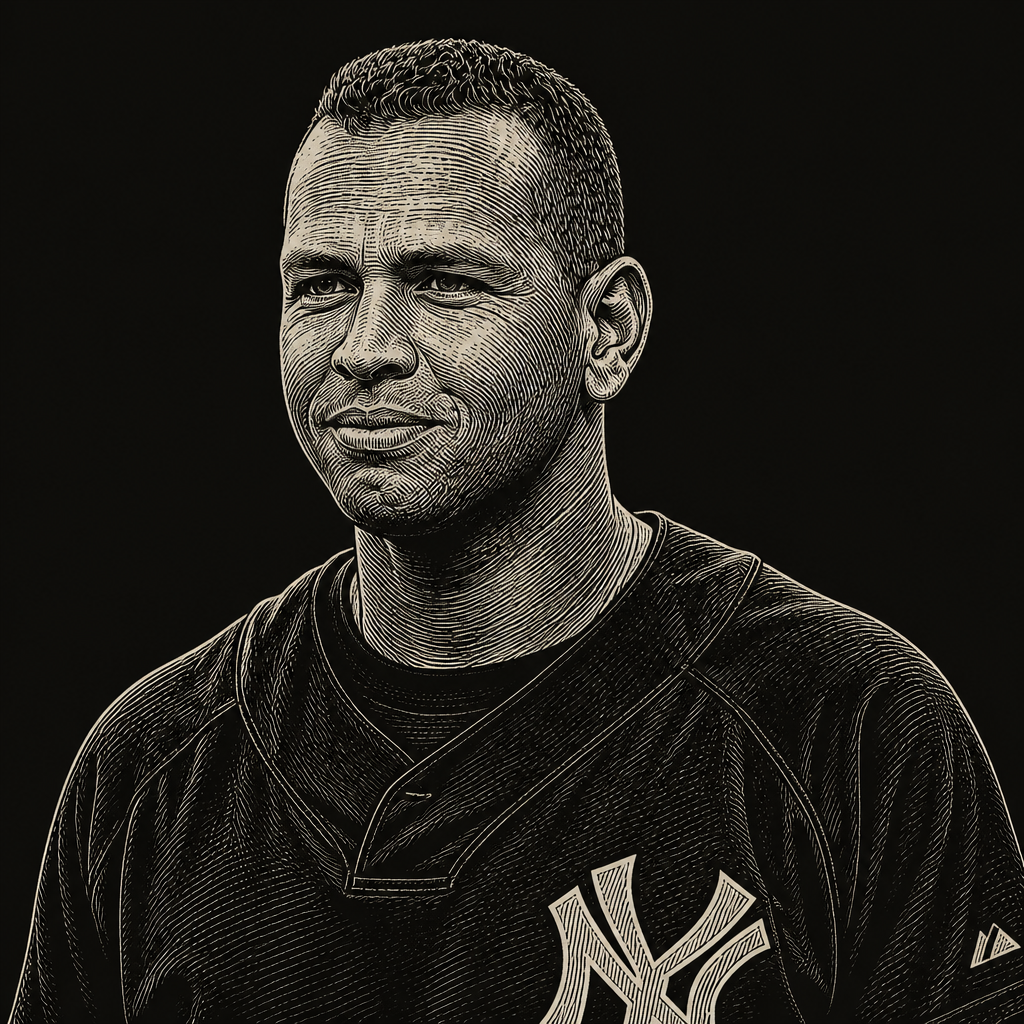
McGrady said the size of the check did not make him nervous. The excitement crowded out the anxiety. He had “put in the work,” and he did not view the money as simply buying a passive stake in a franchise whose value might rise. He said he saw the stake as a way to have conversations with people around the franchise and to “prolong or further and improve” his broader portfolio because of what those people had.
The ownership stake mattered to him because of the franchise, but also because of the relationships and access that could come with being in that ownership group.
The check, it was big, but I wasn’t like, uh, I was too excited, A-Rod. I really was. I was like, man, I cannot believe this is happening because there’s not a lot of guys looking like me that are part of those groups.
Asked by Jason Kelly whether people see him differently now that he is an owner, McGrady first resisted the premise: “I don’t give a damn” whether they do or not. But when Kelly reframed the question around access — whether ownership lets him enter different rooms — McGrady was clear. It does.
“Everyone knows how difficult that is,” he said. Being great on the court or field does not automatically get someone into an ownership group. McGrady said the Bills stake has opened doors, and those doors are “steadily opening up.”
Rodriguez said the feeling was familiar. The gratitude, and the speed with which new rooms open after becoming an owner, matched his own experience.
The room teaches who belongs before the paperwork does
For Tracy McGrady, the Bills process became a lesson in behavior as much as capital. Once inside the ownership orbit, he said, some people proved difficult and others surprisingly generous. At NBA All-Star weekend, he ran into one woman who had invested through the same group. McGrady said he was struck by how genuinely she offered to help him with his business endeavors “in any capacity” he needed.
That was one side of the room. The other was a prospective minority partner McGrady saw in a suite during a game, before he knew whether he himself would be accepted into the group. McGrady said he was quiet, watching the game, while another prospective partner was “loud and obnoxious” and “going crazy.” He looked at the behavior and thought there was no way that person would be allowed in.
He was right, he said. That person did not get in.
For McGrady, the lesson was not that wealth is irrelevant. It was that wealth alone is insufficient. “It don’t matter how much money you have,” he said. “You’ve got to be solid.”
Alex Rodriguez connected that to his own experience in boardrooms. Sometimes the value of being in the room is not learning what to do, but learning what not to do. McGrady agreed. Before he knew the outcome of his own bid, he saw the conduct of another bidder and understood: “I know I can’t be acting like that.”
That point linked back to the way Rodriguez described McGrady near the end of the discussion. Rodriguez said he had followed McGrady’s career from the beginning, in part because both belonged to the small fraternity of athletes who went straight from high school to the pros. He praised McGrady not only for becoming a Hall of Fame player, but for how he conducts himself with his family and business interests.
McGrady frames his business education as a long correction from 18
Tracy McGrady opened his story from a blunt starting point: at 18, he was a millionaire who had never learned finance and did not yet know how to be a professional basketball player. A photo shown from early in his career had him at a press conference table in a suit and cap with a Toronto Raptors logo behind him. Another showed him holding a large novelty check for $300,000 made out to Mt. Zion Christian Academy in Durham, North Carolina, dated June 27, 1997.
McGrady described everything since then as part of a self-education. He linked business learning to identity rather than just deal mechanics: being aware of who he is, where he comes from, and wanting to keep learning about himself.
That framing carried into his reaction to Davos. Rodriguez asked what McGrady thought of the gathering, which they had both recently attended. McGrady said he initially had no idea what Davos was. When someone told him he had been invited, his reaction was: “What the hell is Davos?” After looking it up, he decided it was “big time” and “where I need to be.”
He went there to speak on a sports panel. The substance, as he described it, was how to bridge the gap between the United States and the Asian market. That was not an abstract subject for him. McGrady said he has extensive international relationships, travels frequently to China, and does business there. Davos became another setting for the stage he believes he is in now: “really learning business.”
Rodriguez emphasized the parallels between them: both from Florida, both from humble beginnings, both among the few to move straight from high school into professional sports, and now both part of team ownership. McGrady added a different personal connection. Before anything else, he said, baseball was his “first love,” and Rodriguez was one of his favorite players.
Carter became family, teammate and business partner
Tracy McGrady said he and Vince Carter did not discover they were cousins until McGrady was drafted out of high school. They played together for two years in Toronto, built a bond, and kept talking as their careers and families developed.
McGrady said Carter calls often enough that he has to block out two hours or warn him in advance that he only has 15 minutes. They speak about twice a week, he said, and that frequency became the rationale for their podcast.
“We doing all this talking, we might as well get paid,” McGrady recalled telling him.
That line captured how McGrady described his current posture: “always business-driven,” always asking what the next challenge is. The Bills investment fit that approach because it was not simply another investment in someone else’s idea. McGrady said he had spent years backing other people’s concepts. With the Bills, he was taking a chance with family.
For McGrady, that made the Carter partnership one of the better decisions he had made: not just entering the Bills group, but taking that ride with his cousin.
NBC was business, but the pull was nostalgia
Tracy McGrady said he never expected to do television. The NBC opportunity changed the calculation because it intersected with his own basketball formation. The NBA on NBC was what he grew up watching in the 1990s, the era he called the “Golden Era” of the sport and part of what made him want to become a basketball player. He also played in that NBC era.
Now, he said, he gets to talk about “the game that actually raised me.” That nostalgia made the decision easy.
Alex Rodriguez said he had watched McGrady and Carter on the show with Carmelo Anthony and Maria Taylor, praised the group’s on-air chemistry, and singled out the on-location format as a strength. McGrady’s explanation for taking the job was less about a media strategy than about the return of a broadcast brand that had shaped his relationship to basketball in the first place.
The 1990s made basketball a global business platform
When Jason Kelly asked what the 1990s did for the business of basketball, Tracy McGrady pointed first to Michael Jordan. McGrady’s answer was not about style or ratings; it was about the off-court commercial model Jordan gave later players.
Jordan Brand and sneaker sales showed what a basketball player could become as a global business. McGrady said Magic Johnson, Larry Bird, and Jordan opened a “global portal” that later players could walk through and capitalize on. McGrady did so as an Adidas athlete, saying he sold millions of sneakers.
China was the clearest example in his account. McGrady said his first trip there came in 1998 or 1999, early in his career, when there was not yet much basketball being played in the country. He described watching the sport’s trajectory rise over time to the point where “over 350, 400 million people” are now playing basketball in China.
McGrady also tied his own career to a specific commercial bridge: the Houston Rockets. Because he played with Yao Ming, his connection to China became deeper and more durable. He said he was part of the Rockets and Sacramento Kings group that opened the China Games in 2004, describing it as the first global China Games.
Kelly observed that playing with Yao must have been eye-opening from an economic-opportunity perspective. McGrady’s answer was simple: he is “still capitalizing off of it” today.
He described the scale around Yao as “having a whole freakin’ continent on your back,” and carrying that. The point was not only Yao’s popularity. It was that global basketball markets can attach themselves to players, teams, and relationships in ways that outlast a playing career.
McGrady’s China comments also help explain why he discussed Davos in terms of the U.S.-Asia bridge, and why his current basketball venture is being built with global ambition. In his telling, he has already lived through one version of basketball becoming a cross-border commercial system.
OBL is McGrady’s attempt to build the platform that changed his own life
Tracy McGrady traced Ones Basketball League, or OBL, to the platform that made him visible as a teenager. He credited Sandifer Carroll with starting ABCD Camp in Teaneck, New Jersey. The camp drew players such as Kevin Garnett, Kobe Bryant, Tim Thomas, LeBron James, and McGrady himself.
Before attending, McGrady said, he was known only within his region in Florida. He was the last player invited. He kept hearing about Lamar Odom, and Odom was the first player he faced. McGrady said he held his own throughout the camp. A month later, he was the number one player in the country.
That jump — from unknown to the top prospect — became the model behind OBL. McGrady said he wants to create a platform for players who still have “a deep love and passion” for basketball.
The first proof-of-concept version went to six cities. McGrady invited 32 players in each market, took the best eight into Sunday’s championship, and had them play one-on-one, winner takes all. After that season, he went out to raise capital for the league. He said he got good feedback and believed he had created “something magical.”
Then he struck out.
McGrady said he was glad it happened because it taught him that not everyone will believe in a founder’s vision or even be able to see it. His response was to pivot. He had a gym at his house, so he brought players there, captured content, and kept OBL alive.
Kelly called content “the real unlock,” and McGrady agreed.
That home-gym content led to Next Gen Sports coming in as an investment group, according to McGrady. He said they liked the vision and brought relevant experience: in McGrady’s telling, they had started AVP, the volleyball league, knew how to run an alternative league, and were also involved with Big3 team 305, which won a championship. To McGrady, they were the right partner because they understood both league operations and team management.
The next version of OBL is structured less like a traveling one-on-one tournament and more like a city-based league. McGrady said he wants “battle of the cities,” teams with value, and ownership opportunities for friends or influencers rooted in those markets. He described an initial plan for eight teams, with general managers or owners receiving 15% ownership and managing their teams. The clearest specific stake he named was Jadakiss’s 15% in the New York team; he also named several other city-linked figures as examples of the model.
| OBL city/team connection | Person McGrady named | Role or stake described |
|---|---|---|
| New York | Jadakiss | Given the New York team; McGrady said he has 15% in it |
| Chicago | Larenz Tate | Named as having the Chicago team |
| Raleigh | John Wall | Named as having the Raleigh team |
| Miami | Tim Hardaway Sr. | Named as having the Miami team |
He stressed that the concept is not a gimmick. There will be tryouts. The teams will be managed. “We’re building a real league,” he said.
The global ambition is already present. McGrady said partners in China have called about bringing OBL there, and Australia has also called. He sees one-on-one basketball as a format with international talent and social-media visibility. His example was a Chinese kid online “looking like SGA” while playing basketball — evidence, in his view, that players around the world are mimicking NBA stars and that the format can travel.
Asked in rapid fire for his dream OBL investment partner, McGrady first said he already had one: Next Gen Sports. Then he added Rodriguez.
Kobe’s advice stayed with McGrady’s view of work and competition
Alex Rodriguez asked whether Michael Jordan or Kobe Bryant had ever given Tracy McGrady advice that helped him. McGrady answered with Kobe.
The relationship, he said, was brother-like. Bryant entered the NBA from high school one year before McGrady, and both had difficult rookie seasons. McGrady said Bryant struggled under Del Harris, and then McGrady went through his own version of the same challenge. At one point, McGrady felt he needed to talk to someone who understood the experience of arriving in the league directly from high school.
Bryant’s message, as McGrady remembered it, was to stay with the work: “Trust the work, Mac, trust the work. It’s going to pay off. You know who you are.” McGrady said those conversations helped him through a difficult rookie year.
The relationship later became competitive. When McGrady arrived in Orlando and his own game rose, Bryant was winning championships. Comparisons between the two began: who was the best wing? McGrady said he understood Bryant well enough to know Kobe did not want anyone compared to him at that stage. McGrady’s response was not to defer. “I’m built that way too,” he said, “just a different way.”
Rodriguez offered a shorter parallel from baseball: during a slump, Bryant called him, told him not to read the press, and advised him to stay with his game. Then Bryant mentioned that Rodriguez was 1-for-15 and began offering mechanical feedback after studying his film. Rodriguez said he cut him off: “Kobe, I got to go.”
The rapid-fire answers returned to OBL’s core premise. Asked to build a dream OBL roster with NBA players from any era, McGrady chose himself, Kobe Bryant, and Kevin Durant. Asked which current NBA player would win a league-wide one-on-one tournament, he answered Durant again. Asked for the best one-on-one basketball city, he said New York.
When Rodriguez asked which team he most wanted to see win a championship, McGrady first treated it as an NBA question and named the Orlando Magic, one of the franchises dear to him. When Kelly clarified that it could be any sport, McGrady corrected himself: the Buffalo Bills.
“That’s probably a better bet than the Orlando Magic, unfortunately,” he said.