23andMe Bets a Nonprofit Model Can Revive Its DNA Platform
 Emily Chang
 Esther Wojcicki
 Kristen Brown
 Janet Wojcicki
 Anne WojcickiBloomberg OriginalsWednesday, June 3, 202615 min read
Bloomberg’s Emily Chang profiles Anne Wojcicki’s attempt to rebuild 23andMe after a collapse from a $5.7bn public-market valuation to bankruptcy. Wojcicki argues the company’s mistake was trying to be understood as a consumer, diagnostics and therapeutics business at once, but says its genetic database still has social and scientific value if recast as a nonprofit “open science platform.” The interview frames the comeback around the unresolved problem that made 23andMe valuable and vulnerable: persuading people to trust it with highly sensitive DNA data.
23andMe’s problem was not only demand. It was identity.
At its peak as a public company, 23andMe was valued at $5.7 billion. By March 2025, it was in bankruptcy. The collapse, as described by Emily Chang and Anne Wojcicki, was not reduced to a single failure. It involved slowing consumer demand for DNA kits, an ambition to turn genetic data into therapeutics, public-market expectations, a major security incident, and — in Wojcicki’s own diagnosis — a corporate structure that asked investors to understand several businesses at once.
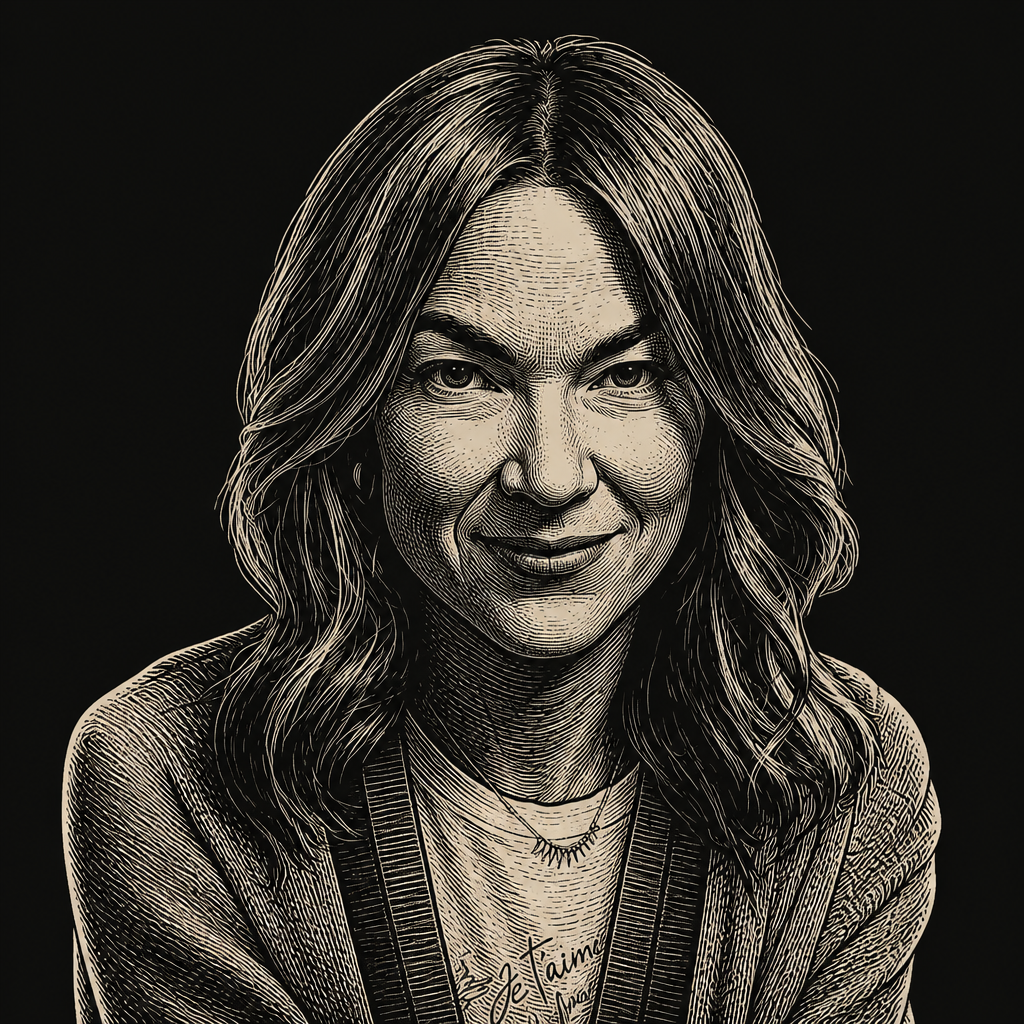
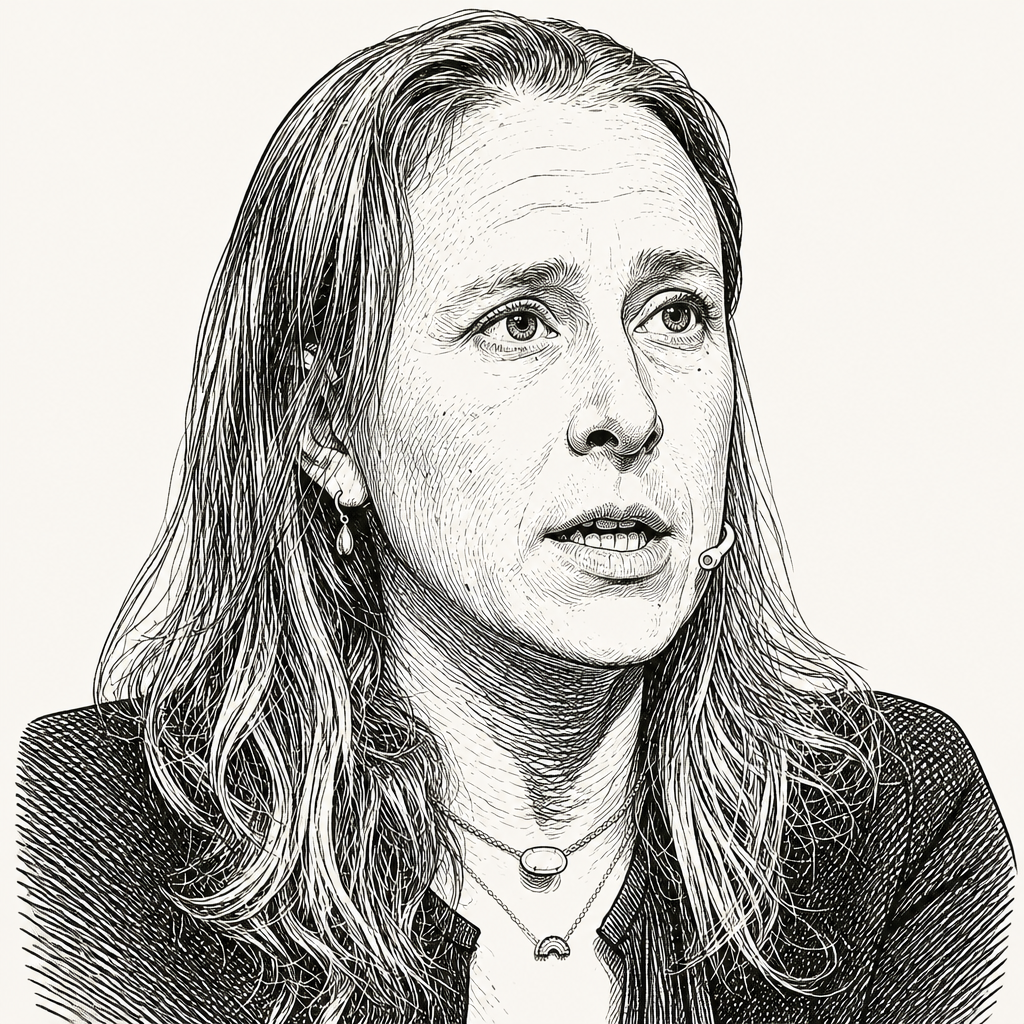
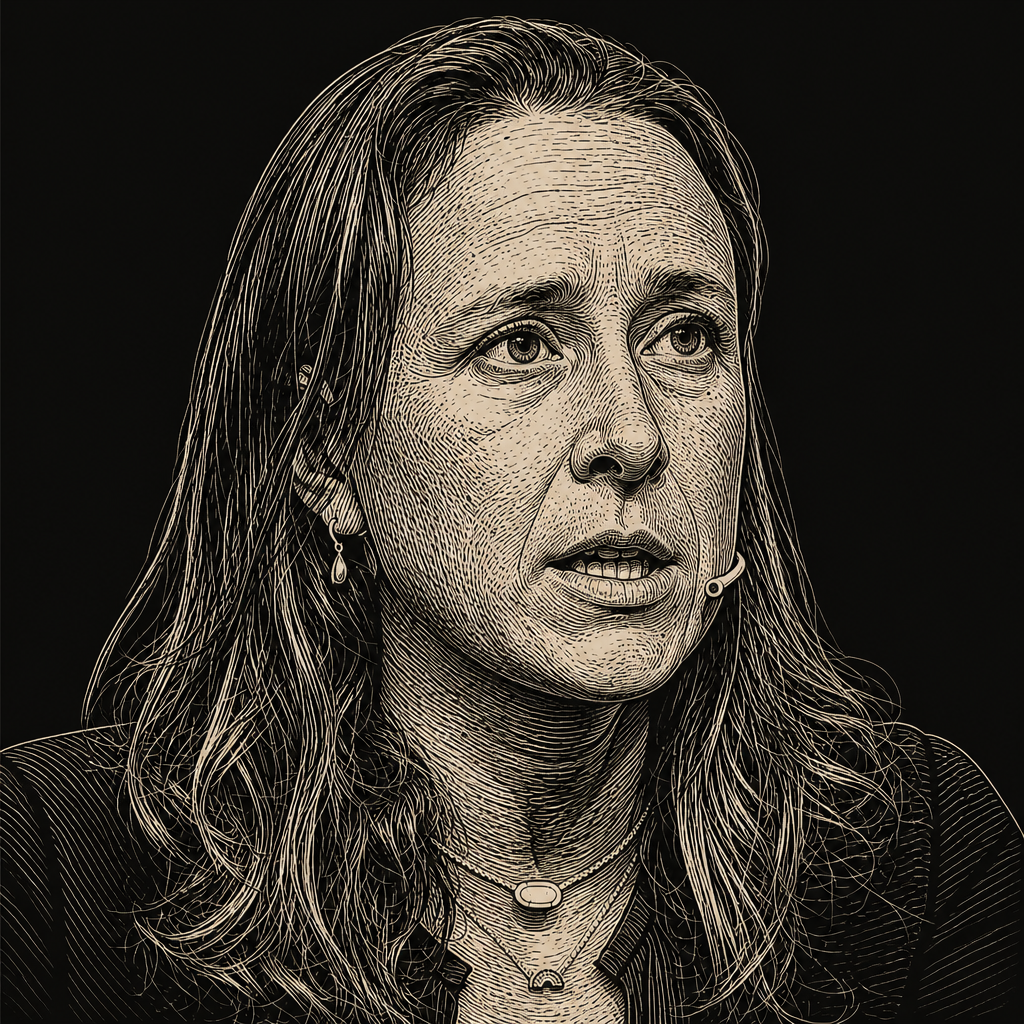
Wojcicki’s assessment of the company’s blind spot was unusually blunt. Asked what she would identify looking back, she pointed first to “totally unsexy” matters such as corporate structure. Investors would ask whether 23andMe was a consumer company, a diagnostics company, or a therapeutics company. The company’s answer was that it was all of them. Wojcicki still called that ambition “amazing,” but said that, at the stage 23andMe had reached, it was too complex.
That complexity had once looked like the company’s promise. The consumer product put genetic testing into pop culture: millions of people spit into tubes for ancestry and health information. At the same time, the company was building a DNA dataset that could, in theory, help develop treatments for disease. A Bloomberg Businessweek cover captured the tension in a headline: “Your DNA. 23andMe. Big Pharma. The spit-tube startup wants to be a big-time drug company too.”
The public-market story was harsher. 23andMe went public in 2021 through a Richard Branson-backed deal, the stock boomed, and Wojcicki became a self-made billionaire. But the company was not selling enough kits to satisfy Wall Street. Then, in October 2023, Bloomberg said hackers got hold of data from 6.9 million 23andMe profiles. By the time the company filed for bankruptcy on March 23, 2025, Bloomberg’s market-cap chart had fallen from the 2021 peak to near zero.
The question underlying the collapse was whether the original DNA promise had been overestimated. Kristen Brown, a veteran journalist who had covered Wojcicki for years, said 23andMe did not start with a bad idea. At the time, Brown said, it was “a great idea.” The broader scientific context encouraged that optimism: after the first map of the human genome was completed in 2003, Francis Collins said a DNA-based designer drug for Alzheimer’s and cancer would arrive by 2020. Bill Clinton was shown describing humanity as “on the verge of gaining immense new power to heal.”
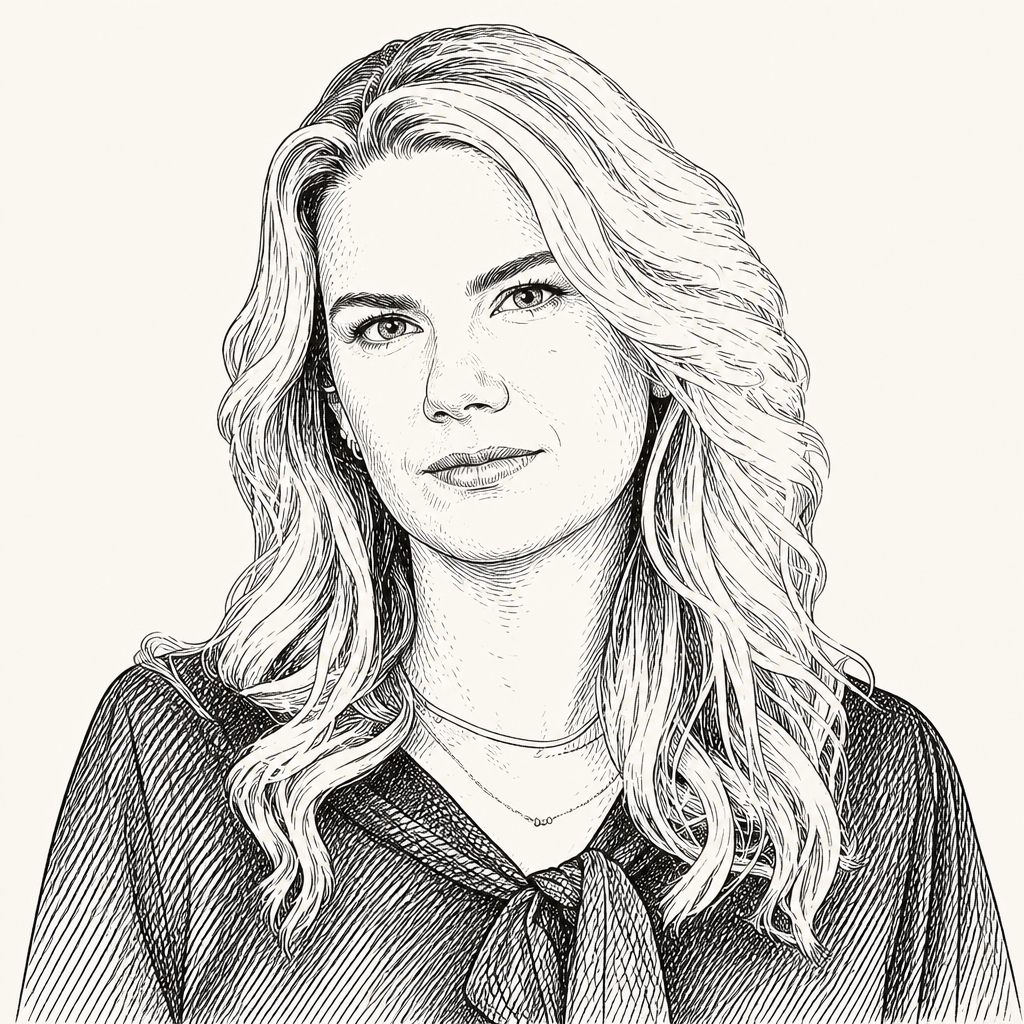
Brown’s explanation for what changed was biological rather than merely commercial. In the 1980s and 1990s, researchers were finding single genes associated with certain diseases, such as Huntington’s disease. That encouraged the hope that common diseases might work similarly: one gene for diabetes, one gene that raised the risk of lung cancer. “But it’s not like that,” Brown said. Diabetes involves many genes, and biology remains “pretty mysterious.”
That scientific complexity fed into a business problem. Brown’s assessment of 23andMe’s current challenge was direct: most people who want to take a DNA test kit have already done it. “How do you grow if people fundamentally don’t want your product?” she asked.
Wojcicki bought back the company because she still believes in the science platform
Anne Wojcicki resigned from 23andMe in order to bid for it from the outside. She then bought the company for $305 million in cash, restructured it as a nonprofit, and returned as CEO. Emily Chang asked whether this should be called a comeback. Wojcicki resisted the word. “It’s an evolution probably more than the comeback,” she said.
Her stated reason for returning was neither financial optimization nor nostalgia. She said she loved what 23andMe did and believed that, if she did not buy it, she would regret it. Writing the check, she said, was in part a privilege. Her argument for the purchase was that 23andMe is “so incredibly valuable” and should now become “a gift to society” — “the open science platform for the world.”
The core claim is that 23andMe’s value is not exhausted by the consumer kit business. Wojcicki described the company as a vehicle for discovering the “foundations of life,” understanding health and disease, and studying areas including Alzheimer’s. She said 23andMe has 13 million people in what she called the world’s largest recontactable dataset. But she framed that scale as only a beginning. In an AI world, she said, the company needs hundreds of millions of people to realize the dream of understanding the “code of life” and building personalized prevention.
To really realize the dream of understanding the code of life and having personalized prevention, you need data, and you need data that's collected in the right way, and you need engaging with people.
Under the nonprofit model Chang described, 23andMe would sell kits, take donations, and use data for research internally and with external partners. Recent research examples included a Nature article published April 8, 2026, on genetic predictors of GLP-1 receptor agonist weight loss and side effects; a Molecular Psychiatry article published October 13, 2025, on genome-wide association studies of lifetime and frequency of cannabis use in 131,895 individuals; and a paper titled “PRSformer: Disease Prediction from Million-Scale Individual Genotypes.”
Wojcicki said the nonprofit structure changes what the organization is measured against. As a for-profit, it had to answer whether it generated a bottom line. As a nonprofit, she said, the relevant questions become how many people sign up to participate, how many lives are saved, how many papers are generated, and whether the work becomes meaningful for society.
Her ambition was not modest. She said 23andMe would get to 100 million people, learn the code of life, define a personalized prevention plan for each person, and eliminate preventable deaths. She argued she could pursue that as a nonprofit the same way she could as a for-profit.
The tension is that the nonprofit structure does not remove the need for adoption. Chang noted that it remains too early to know whether the new structure will help Wojcicki achieve her ambitions, and that 23andMe still needs to persuade many more people to buy its tests. One early investor’s phrase, quoted by Chang, described Wojcicki as having a “willful ignorance of constraints.” In Silicon Valley, Chang observed, that is usually treated as a virtue.
The bankruptcy fight turned on who would control the genetic data
The auction for 23andMe’s assets initially appeared to be moving away from Anne Wojcicki. Drugmaker Regeneron first won the auction for most of the company’s assets. Emily Chang said Wojcicki persuaded the bankruptcy court to reopen the case, arguing in part that the data would remain with 23andMe rather than being sold to “Big Pharma.” In the second round, Wojcicki won.
Wojcicki described the final stage as a fight she expected to lose. Regeneron, she said, had issued press about winning and had been meeting with her team. It had also negotiated for “last look,” meaning the ability to make the final bid. Wojcicki said she was devastated because Regeneron had $16 billion on its balance sheet and she could not compete financially. Her posture, as she described it, was to go down fighting rather than “hand it over.”
The decisive moment came at what she called “a giant table of lawyers.” Regeneron declined to bid. Wojcicki said she started screaming, jumping, crying — “raw emotion,” “out of control,” an “out of body experience.”
That reaction makes sense only if the dataset is understood as the company’s central asset and central responsibility. The public concern around the sale was not abstract. The bankruptcy and sale process stoked privacy fears; attorneys general told consumers to delete their data, and Congress called Wojcicki to testify. A Reuters headline shown on screen read: “Consumers urged to delete 23andMe data as bankruptcy sparks privacy fears.” Representative Stephen Lynch warned that failure to safeguard Americans’ data from hostile actors would be not only a privacy violation but “a national security catastrophe.”
- Nov. 5, 202123andMe reaches a displayed market-cap peak of $5.7 billion.
- Oct. 6, 2023Bloomberg’s timeline identifies a security incident associated with 6.9 million 23andMe profiles.
- March 23, 202523andMe files for bankruptcy.
The security incident carried distinct framings. Chang put the question to Wojcicki as a “data breach” that exposed millions of users’ data and “wasn’t stored securely.” Wojcicki rejected the term breach. She said she had never called it that because, in her account, it was not a breach of 23andMe’s systems. Usernames and passwords from breaches at other companies had been released on the dark web; 13,000 or 14,000 matched 23andMe accounts. The larger number, she said, came because 23andMe notified not only those account holders but also everyone genetically connected to them.
The other concern was produced by bankruptcy itself: if genetic data is a valuable asset, what happens when the company holding it is sold or reorganized? Wojcicki’s answer was to fight for the data to remain with 23andMe. She did not present the future as a technical guarantee; she presented it as a mission question. Data and security, she said, are top priorities, and the most important thing is to be vigilant and stay on top of it.
The dispute matters because it sits at the center of 23andMe’s rebirth. The organization’s future requires convincing people to share highly sensitive biological information at far larger scale. Its most valuable asset is also the asset that produces the deepest public anxiety.
The board break was personal, strategic, and still unresolved
The rupture with 23andMe’s independent directors was presented as both a governance event and a personal wound. On September 17, 2024, the independent directors resigned from the board. The resignation letter, published in a 23andMe press release and quoted by Emily Chang, said that after months of work they had not received from Anne Wojcicki “a fully financed, fully diligenced, actionable proposal” in the best interests of non-affiliated shareholders. The letter also cited disagreement over strategic direction and Wojcicki’s concentrated voting power.
Chang emphasized that some of these directors and investors had praised Wojcicki for years, naming Roelof Botha, Patrick Chung, and Neal Mohan. Wojcicki said it was a complicated period because the company had created a special committee. Although she was still CEO, she said, it felt as though the special committee had taken over major decisions. She described being surprised that the directors said there was a disagreement. “What were we disagreeing about?” she recalled thinking. She said she was working intensely to put together a bid.
The timing intensified the injury. Wojcicki’s sister Susan died on August 9, and the board resigned a few weeks later. Earlier, Chang had noted that Wojcicki’s family had suffered three deaths around the period when the company was falling apart: her father Stanley died at 86; Susan, former CEO of YouTube, died at 56 of lung cancer despite never smoking; and Susan’s 19-year-old son, Marco, died from an accidental overdose.
| Issue | Board’s framing | Wojcicki’s framing |
|---|---|---|
| Bid process | No fully financed, fully diligenced, actionable proposal had been received. | She was working intensely to put together a bid. |
| Strategic direction | The directors said they differed with Wojcicki on the company’s direction. | She said she was surprised by the claim of disagreement. |
| Founder control | The letter cited her concentrated voting power. | She emphasized that she was one of the largest shareholders and acting for the mission and shareholders. |
Wojcicki said the shock of the board’s action “will never wear off.” Asked who was in her “burn book” and who had stuck with her, she declined to name names. “People have their own motivations,” she said. She stressed that she was one of the largest shareholders and believed she was acting in the best interests of both mission and shareholders.
Bloomberg said it contacted the board members who resigned; all but one declined to comment or did not respond. Patrick Chung, one of 23andMe’s earliest investors, provided a statement saying that market conditions made it necessary to reorganize the company and cut some programs, but that the mission remained alive under Wojcicki’s leadership.
The tension remained intact. The board’s letter framed the problem as an inadequate proposal and a strategic impasse under concentrated founder control. Wojcicki framed the moment as an unexpected break by people she had trusted while she was trying to preserve the company’s mission through a bid. Chung’s statement split the difference: reorganization was necessary, but the mission survived under Wojcicki.
The health-system critique that built 23andMe now overlaps with a more volatile public mood
Anne Wojcicki’s case for 23andMe has always depended on distrust of the conventional medical system — not necessarily distrust of science, but distrust of institutions that control patient information and dismiss patient agency. Asked whether the healthcare system is broken, she said there is “so much money off the dysfunction” that it cannot be changed from within. Change, in her view, has to start outside.
She placed 23andMe in a broader wave of consumer health companies that made healthcare easier to access, naming Hims, Ro, Midi, Hello Heart, and others. She recalled that in 23andMe’s early days, online consent did not exist and the idea of patients receiving their own information directly was considered radical.
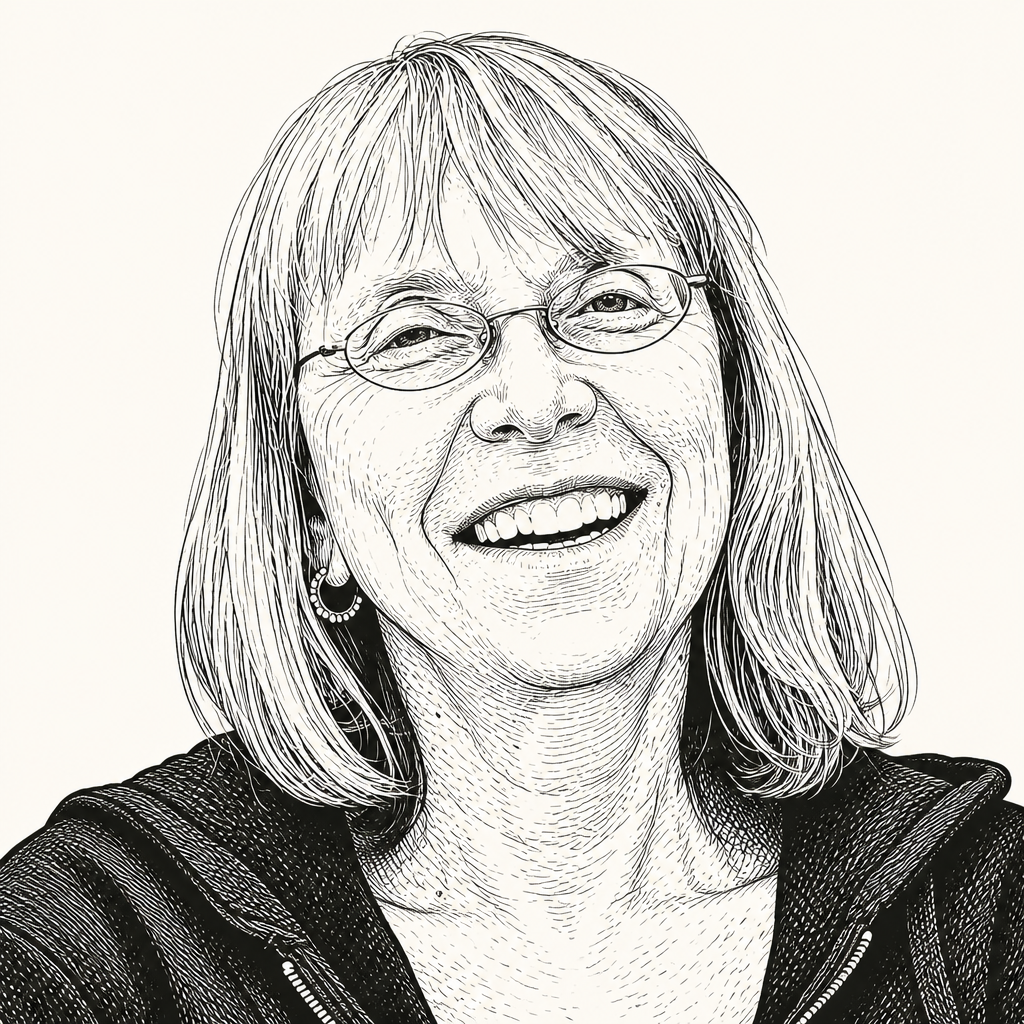
Her suspicion of medical authority is also biographical. Wojcicki said her mother, Esther Wojcicki, was early in warning her children about preservatives, BHT, red food coloring, and hyperactivity. She recalled seeing a note across the top of her medical record that said, in the shown version, “note this mother has a hard time being rational as most of us in pedi know.” Wojcicki connected that vigilance to a childhood tragedy in Esther’s family: Esther’s little brother ate a bottle of aspirin, could not get proper care, and died. Glendale News-Press clippings reported an infant’s death after eating aspirin and being taken to several hospitals.

Wojcicki said the family learned that if you do not advocate for yourself, no one will. She gave a smaller example from her own life: a dentist insisted on x-raying her mouth, she refused, the dentist kicked her out of the chair, and she found a new dentist.
That worldview gives Wojcicki a way to interpret the Make America Healthy Again movement. She said the movement reflects that people are hurting, do not feel heard, and want change. Chang added an important qualification: about 41% of Americans say they support the movement, which covers claims about food, vaccines, and cell phone radiation, often with little evidence behind them. Bloomberg paired that narration with images ranging from “Eat Real Food” messaging to anti-vaccine signs, “STOP 5G” messaging, and “MAKE AMERICA HEALTHY AGAIN” apparel.
That creates a difficult opening for 23andMe. Growing skepticism of the medical establishment may help a company built around patient access and self-advocacy regain momentum. But the same public mood also includes claims Bloomberg described as often lacking evidence, including claims about vaccines and cell-phone radiation. Wojcicki’s emphasis is on data, participation, and personalized prevention; the broader context Chang placed around the movement is less controlled.
Wojcicki’s network is an asset, but it also creates exposure
Emily Chang described one of Anne Wojcicki’s superpowers as her ability to know powerful people with deep pockets — and to be liked by them. Billionaire Ron Conway had already committed to donate to the new nonprofit organization. Bloomberg visuals also placed Yuri Milner of DST Global and Marcus Wallenberg of Wallenberg Investments among figures in Wojcicki’s orbit.
That elite proximity has obvious advantages for a nonprofit built on donations and scientific ambition. It also brings reputational complications. Chang asked Wojcicki about Jeffrey Epstein, saying Wojcicki’s name, along with Sergey Brin’s, appears in the investigation of Epstein. A Justice Department-attributed visual showed the names “Sergey Brin” and “Anne Wojcicki,” and another Justice Department-attributed visual showed an email header from Sergey Brin to “G. Max.” Chang said Epstein’s assistant once ordered so many 23andMe test kits that the company flagged the request and canceled the order when it was revealed they were for use outside the United States. The source also showed an SFGATE headline about that kit order and a Guardian headline saying Epstein reportedly hoped to develop a “super-race” of humans with his DNA.
Chang read from an email attributed on screen to the US Justice Department in which Ghislaine Maxwell wrote: “Sergey and Anne arrive tom at Guana and stay till 2nd - be v nice to her not stupid - she is interested in mapping DNA etc ..she is key :).”
Asked whether she ever encountered Epstein or whether he discussed DNA with her, Wojcicki said they met him once and that she did not remember talking about DNA. Asked how so many powerful people, especially male tech leaders, got caught in Epstein’s web, she described a circle in which people introduced one another at events and conferences. Asked whether it was on the island, she said they went once, as had been reported, and that the visit was short. Epstein, she said, was in the TED network and other circles, but the contact was “pretty limited” for them.
Wojcicki’s broader explanation for why she answers such questions was simple: “I have nothing to hide.” She listed public failures, public divorce, and hard times, then said talking about them helps her. The claim fits the posture she adopted throughout the interview: the founder willing to narrate collapse, grief, governance conflict, privacy scrutiny, and elite entanglement as part of a single attempt to keep moving.
Family is part of how Wojcicki explains resilience
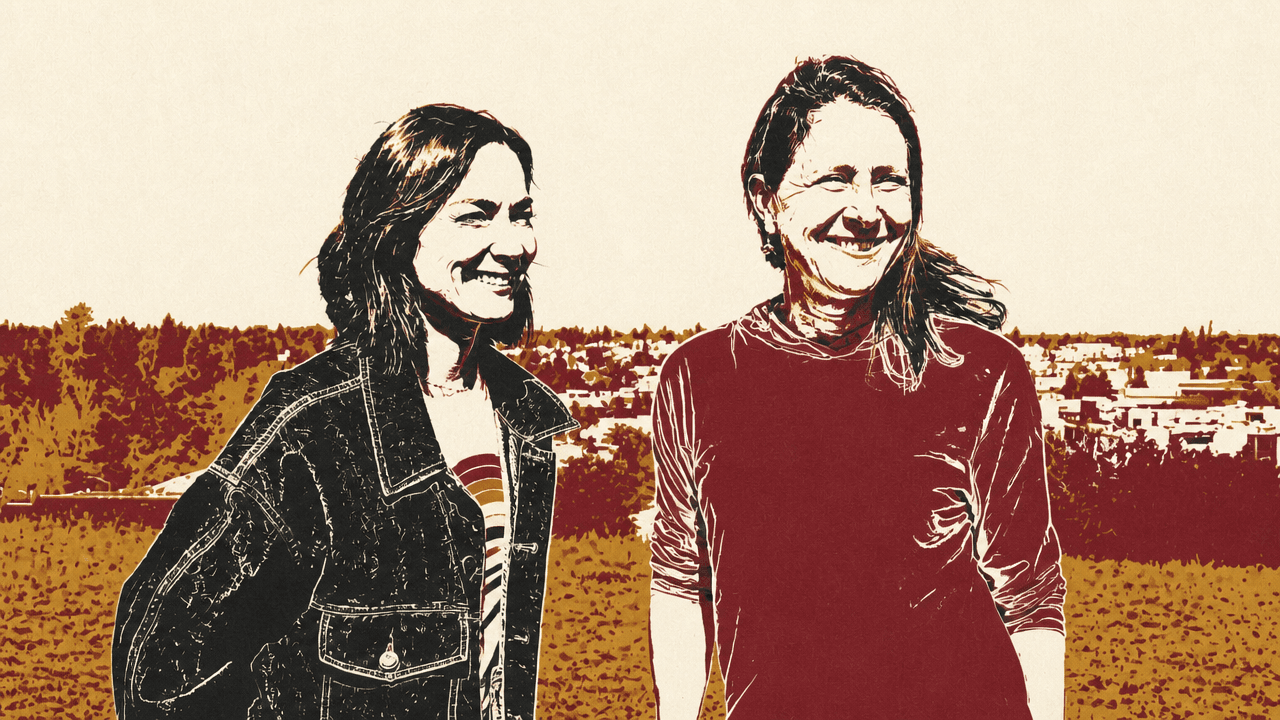
The Wojcicki family appears not as color around the business story but as part of how Anne Wojcicki explains her behavior. She grew up on Stanford’s campus; her father Stanley chaired the physics department. Her mother Esther Wojcicki was a celebrated teacher and, in Anne’s telling, an early digital education advocate who knew Steve Jobs because she wrote grants to bring Macs into schools. Esther later clarified that Jobs came to her class, and when she said she needed computers, he told her he would give her some if she did not reveal where they came from.
Anne described herself as the youngest sister who watched Susan and Janet Wojcicki dominate. That position, she said, gave her the luxury of observing before speaking. Even in her first job, she remembered thinking that the first year was for observation, not speaking.
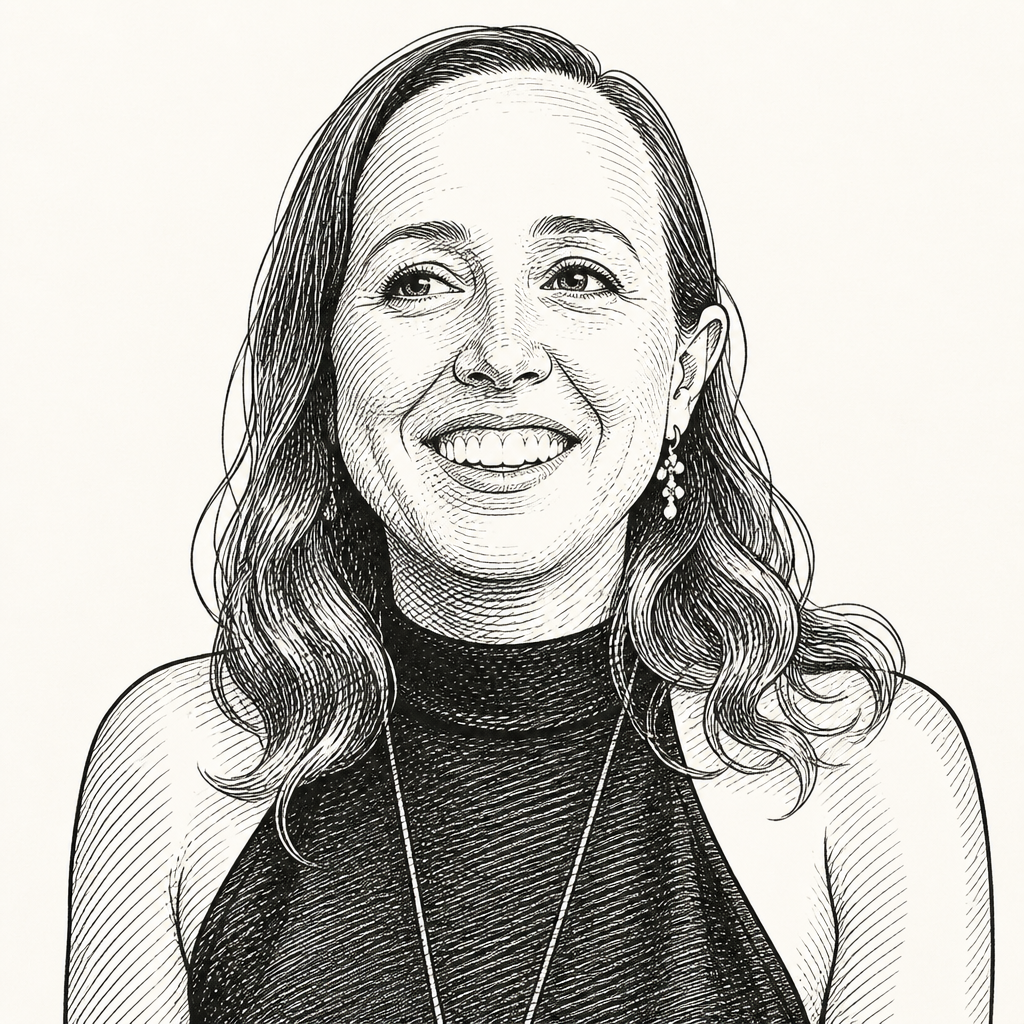
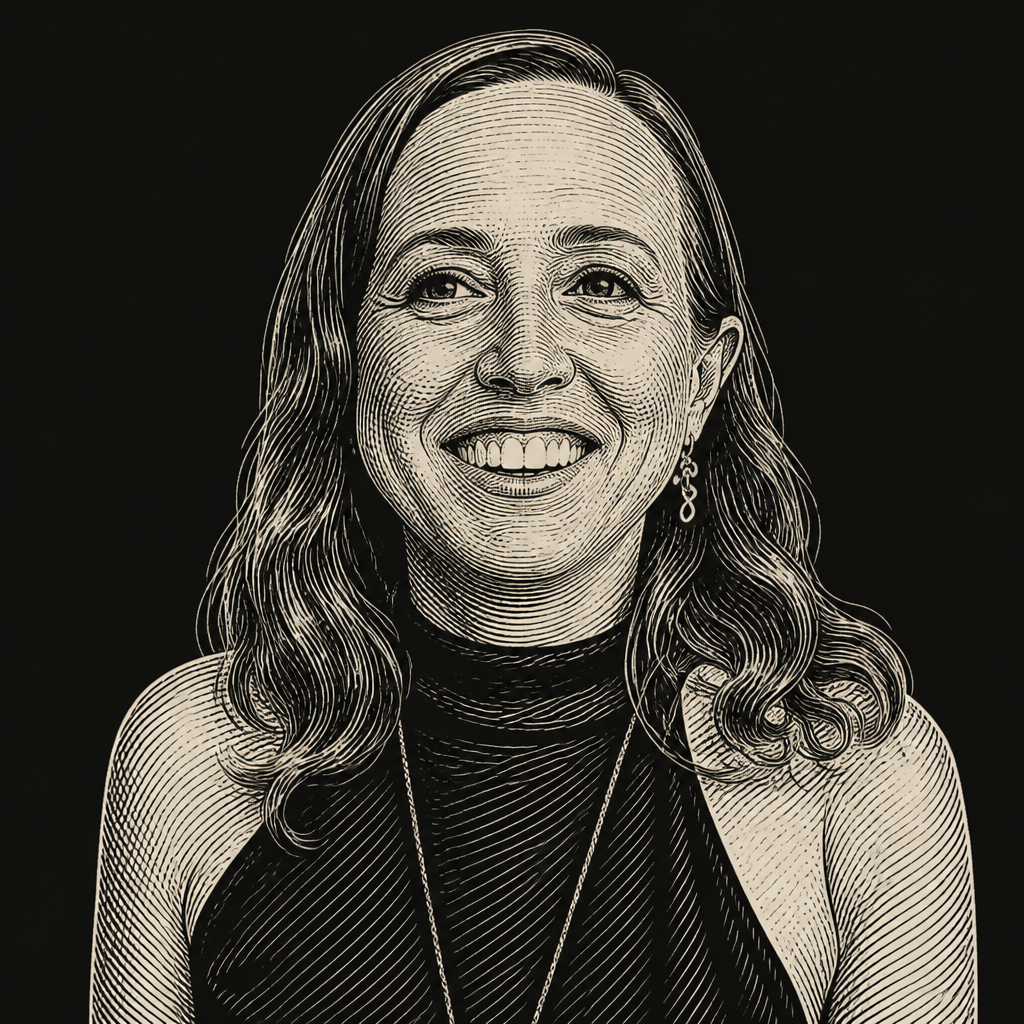
Susan’s absence was treated as both personal loss and a loss for technology leadership. Chang said she had interviewed Susan many times and remembered her generosity about how to be a mother and have a big job at the same time. She asked whether Susan’s death was also part of a larger tragedy, given how few women hold high-profile power in tech. Anne answered, “Yes. A hundred percent.” She said she wished every day that she could get Susan’s perspective on the world.
Anne’s memories of Susan emphasized groundedness rather than corporate grandeur. Susan might be dealing with “crazy things” at YouTube and then ask for the diaper bag. At the Oscars, Anne said, Susan did not care much about the glamour and would buy a dress at Macy’s on sale. Her view, as Anne paraphrased it, was that it was not that important and that “no one’s watching us.”
The family’s response to Anne’s survival was protective but not triumphant. Esther said she had believed Anne would be strong and resilient, but as a mother she could not watch because it was hard. Seeing Anne “on the other side” with a company was reassuring. Janet called what Anne had gone through “remarkable.”
Anne tied her resilience to a lesson from therapy after her divorce: do one thing each day that makes you happy. She said she could not control Susan getting sick, Marco dying, or parts of 23andMe. What she could control was making herself happy and optimistic. Cycling, which she described as daily freedom, belongs in that category: she bikes to the office happy, bikes home to process the day, and is a different person when rain prevents it.
The family is also part of the company’s next phase. Janet now works with Anne and is on the board. Asked how that happened, Janet said it was not an ask: “It was like, you’re gonna be on the board.” The joke carried a governance point after the previous rupture: Anne’s new board includes someone whose alignment is personal as well as institutional.