Softball’s Growth Depends on Television Access and Player-Centered Storytelling

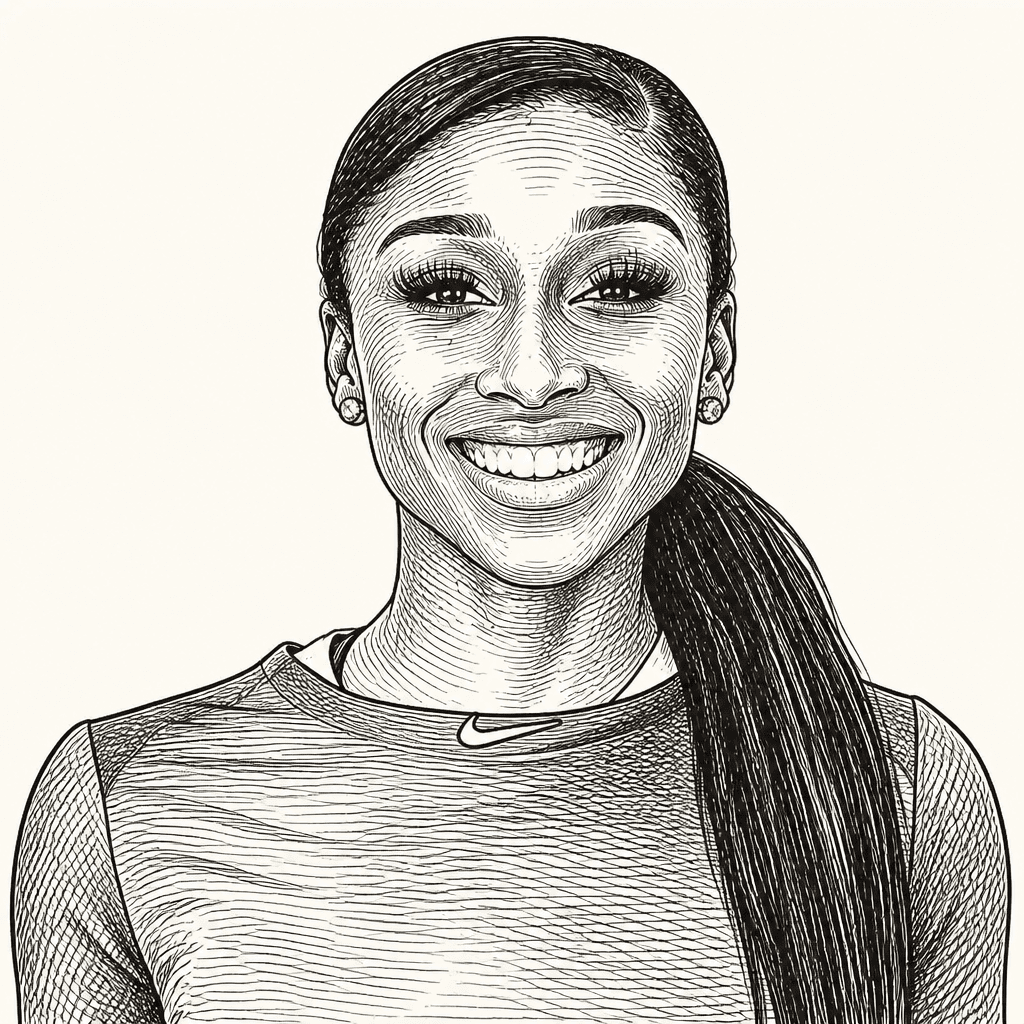
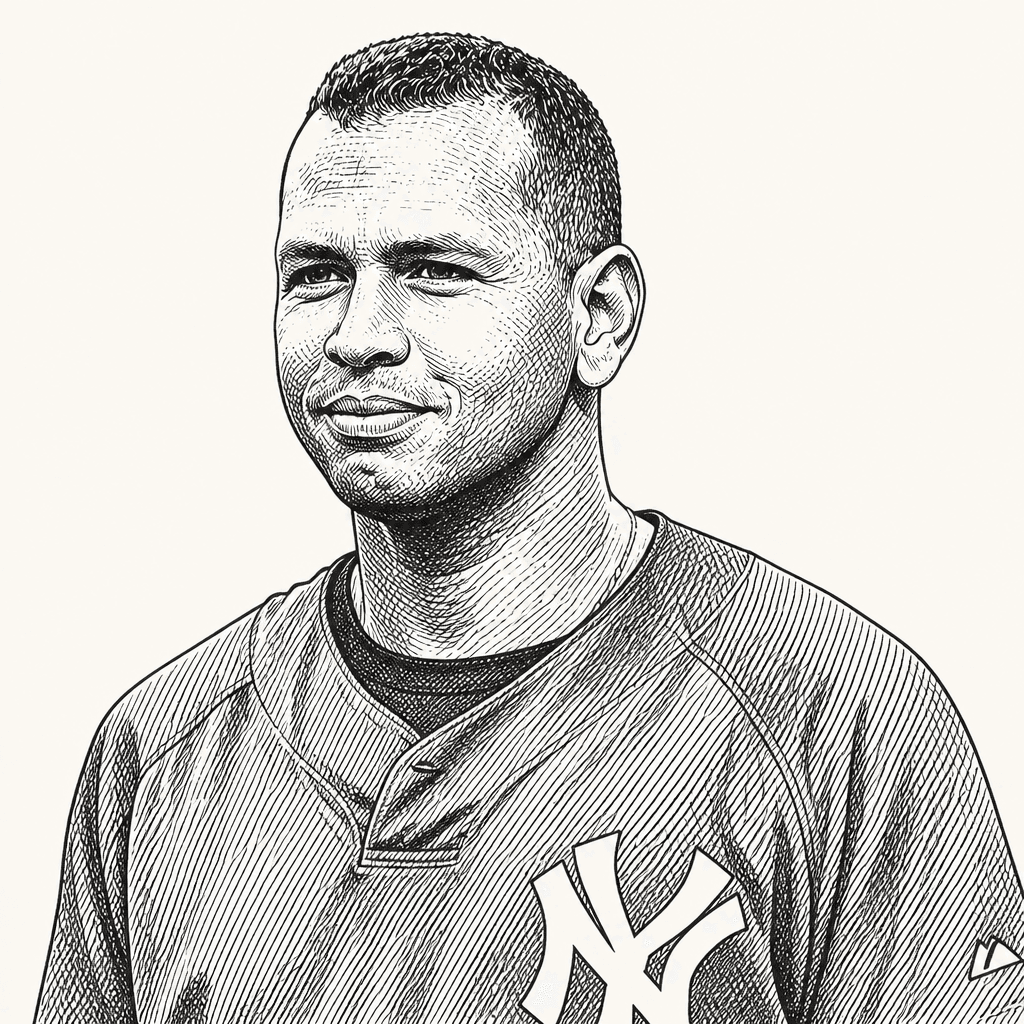
AJ Andrews argues on Bloomberg’s The Deal that baseball and softball can grow by giving fans more access to athletes’ personalities, backstories and identities, not by adding artificial spectacle. Andrews points to the World Baseball Classic as proof that visible pride and emotion can deepen fan attachment, while Alex Rodriguez makes a parallel case that baseball leaves value unused by hiding players’ preparation and personal stories. For softball, Andrews says the lesson is exposure: when games and players are put on television and treated as distinct, compelling stories, audiences have a reason to follow.

Baseball’s growth case starts with letting fans see the person behind the player
AJ Andrews framed baseball’s current opening around a simple premise: the sport is already benefiting from momentum, but it will be easier to hold new and younger fans if players are allowed to show more personality, emotion, and backstory.
Her reference point was the World Baseball Classic, which she described as “one of the most electric environments” she had experienced in baseball. The games, to her, felt like postseason baseball every night. What made the event work was not just the quality of play, but the visible enthusiasm around it: celebrations, emotion, pride, and players responding to the moment rather than suppressing it.
That matters because Andrews sees both baseball and softball still carrying an inherited suspicion of expression — the idea of “playing the right way,” a phrase she treated as vague and limiting. Her argument was not that the sport needs artificial spectacle. It was that players should be allowed to express themselves as they are: through celebrations, cleats, style, personality, and emotion. Even small symbolic changes, such as Yankees players now being able to wear beards, represented to her a broader opening toward a younger audience.
Let’s see these players behind the helmet.
Alex Rodriguez pushed the same point from the perspective of a former player and broadcaster. The World Baseball Classic, he said, “takes the helmet off the player.” It reveals “the person of who and the why and where you come from.” The way fans fall in love with players, in his view, is through backstory: origin, relatability, and points of connection.
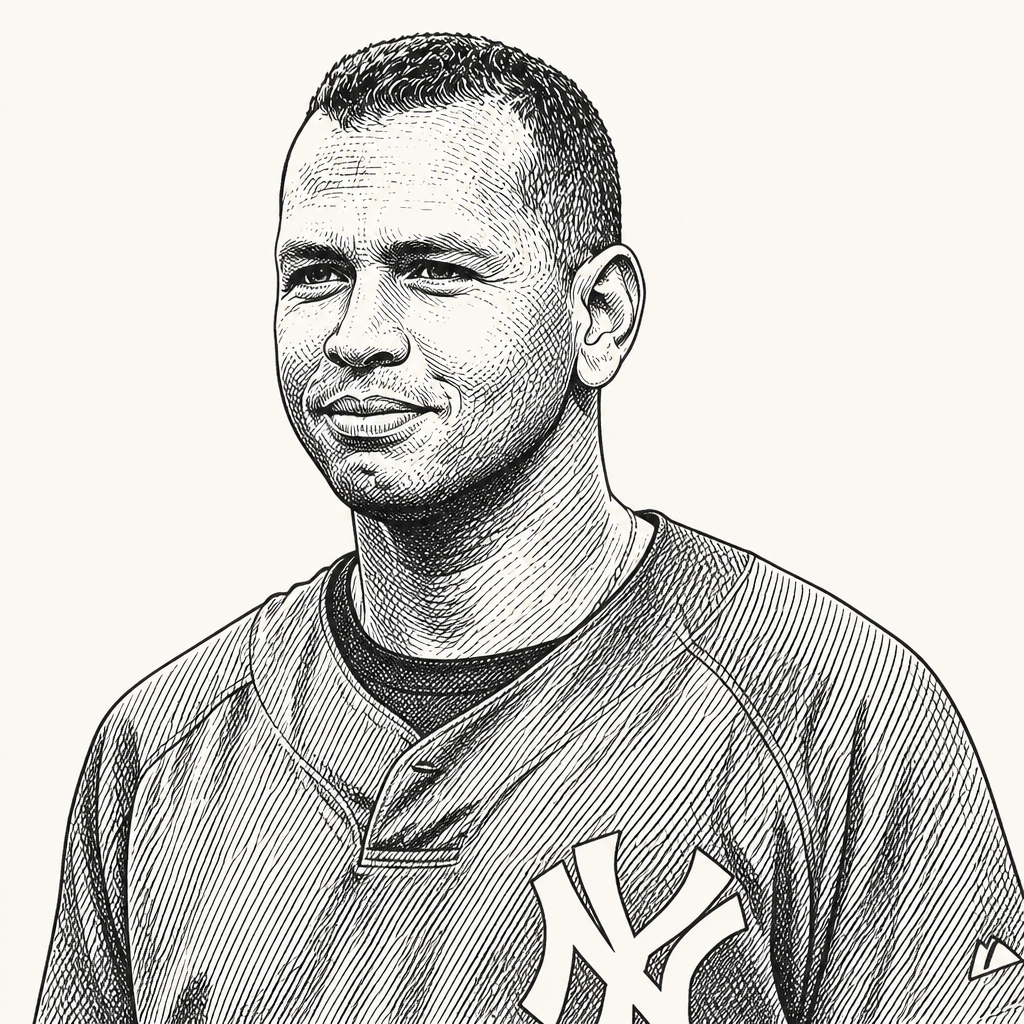
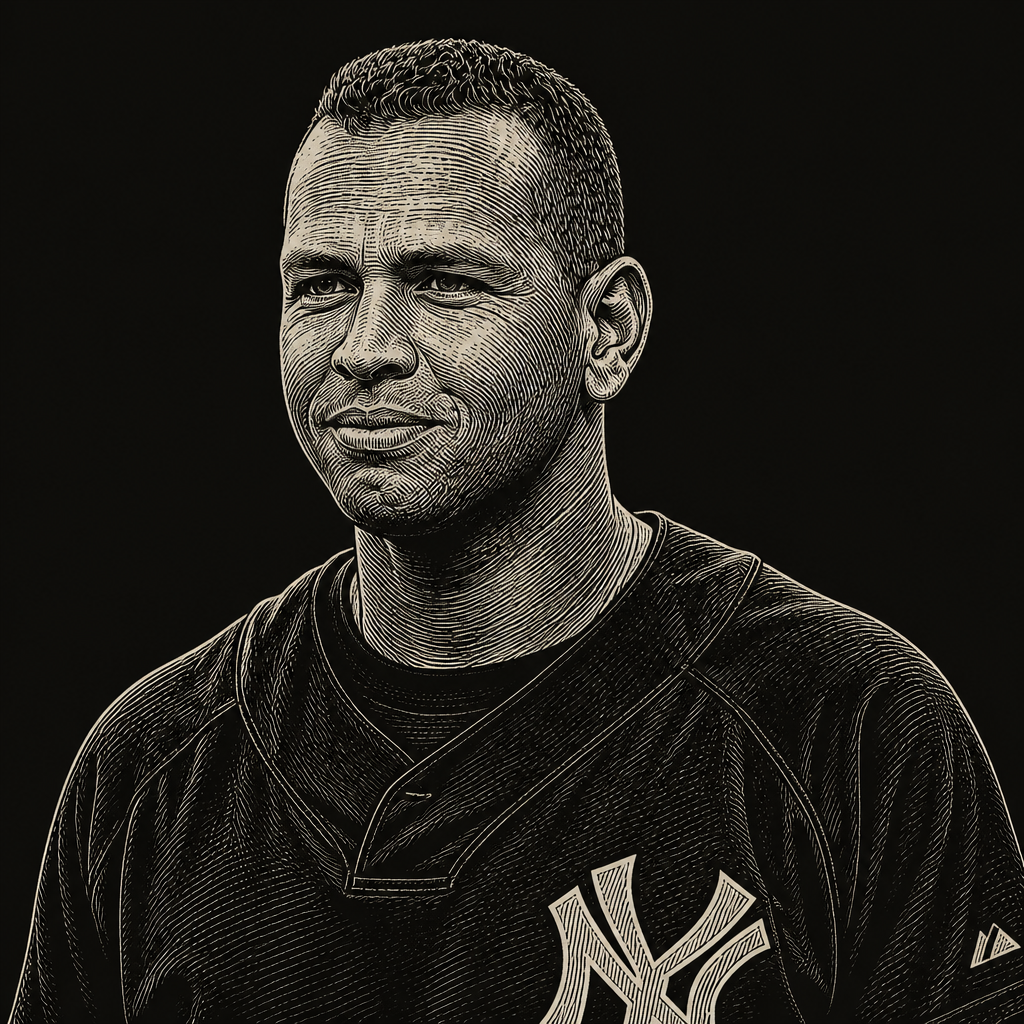
Rodriguez argued that baseball still underuses the moments before the game. “Everything magical happens before the first pitch,” he said, but baseball tends to lock that access down. He described the sport as a “multi-billion dollar media property” with more value to unlock if fans could see how Shohei Ohtani, Aaron Judge, Willy Adames, and others prepare. His shorthand was blunt: “More is more.”
Andrews’s version of the same idea was more intimate. Fans should see what players love, what else they are good at, and what makes them distinct beyond the stat line. She gave examples. Hunter Greene is “a great artist.” Willy Adames loves architecture. Those details, to her, are part of how fans come to understand athletes as people before they are asked to care about them as performers.
Jason Kelly connected that argument to a wider sports-media comparison. Baseball players, he suggested, remain more hidden than NBA players and, increasingly, NFL players. Softball players face a similar visibility problem. Andrews’s answer across both sports was consistent: if the game wants fandom, it has to give people stories worth following.

The World Baseball Classic showed what representation can do for baseball
The World Baseball Classic served as Andrews’s clearest proof of concept. She spent time around the fan zone and said the atmosphere was not generic international enthusiasm; it was specific, national, and deeply felt. Fans from Venezuela, the Dominican Republic, the United States, and elsewhere wanted to see themselves represented on a major stage.
AJ Andrews joked that she had been “adopted by the Venezuelans” and was “huge in Venezuela,” but the larger point was serious. The pride she saw among fans came from watching people who shared their country, culture, and background excel in a sport that mattered deeply to them. Dominican fans brought instruments, danced, and celebrated. Venezuelan fans displayed similar pride. For American fans, she pointed to the image of Aaron Judge walking out with the flag. In each case, the fan reaction came from seeing identity dignified and expressed publicly.
Alex Rodriguez said he and David Ortiz had debated this during Fox pregame shows with Derek Jeter and Kevin Burkhardt. Rodriguez and Ortiz tried to explain that, for countries such as the Dominican Republic or Venezuela, the World Baseball Classic could be bigger than a World Series. According to Rodriguez, others on the set had a hard time understanding that.
Andrews agreed with Rodriguez’s framing and said the players themselves say the same thing. In her view, the distinction is not abstract nationalism. It is the experience of playing alongside people who come from where you come from, who understand the hardships and the route it took to arrive. Representing a country adds a different emotional charge because there are people at home who would “kill to be in Miami” for those games. She compared the feeling to the Olympics: competing for a country changes the meaning of the event.
That claim also shaped her answer to baseball’s broader growth question. The World Baseball Classic was not just exciting because it was international. It gave players and fans permission to show something that regular-season baseball often restrains: pride, emotion, style, and identity at full volume.
Softball’s television argument was answered by putting the games on television
AJ Andrews account of softball’s growth began with exposure. At LSU, where she reached the Women’s College World Series as a freshman and again as a senior, she saw the television footprint expand in real time. During her freshman year, she recalled that coverage was largely limited to the World Series, with perhaps some super regionals. By her senior year, regionals, super regionals, and the World Series were televised.
That difference mattered because it allowed fans to attach to players earlier. A viewer might see an athlete in a regional, begin following her, and then stay with her through the tournament. Andrews described that broader visibility as a turning point for the sport.
The old argument, as she described it, was circular: should women’s sports be put on television first, or should networks wait until viewership already existed? Andrews said college softball proved the case for opportunity first. “If you build it, they will come,” she said. The game, in her view, was strong enough once audiences were allowed to encounter it.
She also rejected the idea that softball is merely a derivative version of baseball. If someone loves baseball, she said, they will love softball, but for reasons particular to softball: it is faster-paced, the defensive depth is different, reactions have to be quicker, and slappers create a style of play she likened to “a bunch of Ichiro’s running around.” Her point was that softball does not need to be sold as baseball’s younger sibling. It has its own speed, geometry, and skill profile.
In Andrews’s telling, the sport’s growth followed access. Once more games were available, the audience could develop the habits and attachments that make a sport matter.
Softball needs to carry college attention without reducing players to comparisons
When Alex Rodriguez asked what softball could learn from the WNBA, Andrews emphasized storytelling and permission for women athletes to be presented as dominant in their own right. She wants softball’s best players described with the same scale and force routinely applied to male stars: powerful, dominant, capable of taking over.
She cited Bree Ellis as one example. Ellis, she said, had been compared to Barry Bonds. Andrews did not reject the comparison as a hook, but she wanted the story to move beyond “the female Barry Bonds.” The better version is to establish Ellis as Bree Ellis — “the best of the best” on her own terms — and build the narrative from there.
She also pointed to the Athletes Unlimited Softball League, where Kim Ng is now commissioner. Andrews described the league as moving from four teams to six, with teams now having cities and homes. Before, she said, it was more of a traveling setup, with games moving through different cities. She noted that MLB has a partnership with AUSL, including help with television and financial support. Her sister, she added, plays for the Talons, offering viewers an immediate rooting interest.
| Point Andrews raised | Why it mattered in her argument |
|---|---|
| More college softball on TV | Fans can discover players earlier and follow them through postseason runs. |
| AUSL moving from four teams to six | She described the league as continuing to grow. |
| Teams now having cities and homes | Fans have specific places and teams to follow. |
| MLB partnership with AUSL | She said the partnership helps with television and financial support. |
| Storytelling around college stars | Attention around players can be carried into their next teams. |
The player Andrews most clearly identified as a bridge between college attention and what comes next was Nijaree Canady, a pitcher at Texas Tech. Andrews said Canady knocked off Oklahoma’s dynasty last year and described her as having “the first million with Mahomes at Texas Tech.” The point was not expanded into a financial analysis. Andrews used Canady as an example of a college player whose story already gives fans something to follow into the next stage.
Rodriguez immediately translated that into a media concept: follow six women’s softball players from senior year through their first professional year, over roughly 18 months, showing the challenges, travel, and transition. Andrews volunteered to host if someone would fund it. The joke landed because it was aligned with the argument both were making: softball does not lack stories; it lacks enough machinery to carry them from one level to the next.
Former athletes can explain the play without forgetting how hard the play is
AJ Andrews own transition from athlete to broadcaster began, in her telling, with Jessica Mendoza. Andrews was a senior at LSU, already doing a YouTube show called “My Way with AJ,” where she competed against other LSU athletes. After interviewing her around the SEC tournament at LSU, Mendoza asked whether she had ever thought about being on camera professionally. Andrews had enjoyed the work but had not envisioned it as a career. Mendoza’s question changed that. Andrews later returned to school for a master’s degree in mass communication and broadcast journalism.
Alex Rodriguez, who knew Mendoza from their earlier softball and ESPN connections, asked Andrews about the advantage and disadvantage of former athletes becoming broadcasters. Andrews said former athletes can bring a different perspective both to audiences and to the athletes they interview. They can explain not only what ideally should have happened on a play, but why it may not have happened that way. They can ask an athlete about a choice with firsthand knowledge of alternatives: “I would have done it this way,” or “I know so-and-so does it this way.”
Her central point was that athletic experience gives a broadcaster access to the internal logic of competition — the drive, speed, adjustment, and difficulty between point A and point B.
Rodriguez agreed but added two cautions. First, former athletes can talk above the audience. Early in broadcasting, he said, he imagined explaining things to his daughters when they were in third and fifth grade: clear, digestible, not condescending. Second, the farther former players get from their playing days, the easier it can become to forget how hard the game is. He emphasized empathy and compassion, especially when analyzing mistakes.
Andrews said that is how she tries to handle errors. The athlete already knows what should have happened, she said; no one is beating them up more than they are in their own mind. The broadcaster’s job is to explain the adjustment the player is likely trying to make, not merely point out the failure in slow motion.
Jason Kelly sharpened the problem from the viewer’s side. On television, a play shown at reduced speed from many angles can look obvious. Andrews answered with a technical softball example. When she moved from center field to left field, she learned that a left-handed hitter facing a pitcher with a screwball can produce a ball that begins in one direction and reliably ends elsewhere. Without reps in left field, she said, even a softball or baseball player might not know that the instinctive first step is wrong. You may want to move right, but you have to go left because that is where the ball will finish.
Rodriguez gave a parallel from his move from shortstop to third base with the Yankees. Fly balls at shortstop felt true to him. At third base in Yankee Stadium, he saw balls start toward the upper deck and then come back. He said the experience got into his head, and he was “terrible at fly balls” late in his career, sometimes yelling for Derek Jeter to take them. His larger point matched Andrews’s: viewers may see “a fly ball,” but not all fly balls are created equal. Conditions, position, spin, stadium, and sun change the play.
That exchange supplied the most detailed example of why Andrews believes former athletes can add value on broadcasts. They can translate hidden difficulty without excusing failure.
The next fan has to be taught the game and given someone to follow
AJ Andrews has hosted MLB Network’s “Play Ball” for four years, and she described it as a highlight show built for kids. It recaps what happened in baseball the previous week, but the show’s purpose is broader than highlights. It gives instruction, asks players about favorite and formative moments, and breaks down plays in a way designed to be fun for children.
A typical segment might include Andrews demonstrating a slide, a Turner slide, a catch modeled on Aaron Judge, or a diving play. The show also brings in players to talk about what inspired them when they were younger. In the context of the broader discussion, “Play Ball” functions as one example of the same premise Andrews returned to throughout: younger fans need entry points, instruction, personality, and access.
The labor question remained a caveat to the optimism. Alex Rodriguez opened by saying that when he talks to people he respects, he asks how Major League Baseball can avoid a work stoppage after the 2026 season and how the sport can build on recent momentum. Near the end, Jason Kelly asked Andrews directly whether she thought there would be a lockout.
“It sounds like it,” Andrews said. Kelly agreed: “Yeah, it sounds like it.”
The exchange did not become a labor analysis; no negotiating positions or structural causes were laid out. Andrews turned the prospect into a plug for softball: if fans are “starving for a baseball,” they can watch Athletes Unlimited Softball League and listen to her podcast, “Dropping Diamonds,” where she talks about women, softball, and baseball. The line was promotional, but it also reflected a practical overlap in the discussion: baseball and softball audiences can move between the sports when there is something available to watch and follow.
Asked whether she would play baseball if she were coming up now, Andrews said no. She would still probably play softball. Her reason came from the feel of the sport. She played soccer, basketball, softball, and other sports as a child, but her first memory of loving softball was a diving catch on wet Florida grass. She slid “like it was a slip and slide” and was hooked. Softball offered aspects she did not get anywhere else.
That answer clarifies the way Andrews talks about the relationship between baseball and softball. She does not argue for softball’s growth by making it interchangeable with baseball. She argues that baseball fans can love softball because it has its own pace, reactions, field geometry, and personalities.