Taylor Rooks Is Building a Career Beyond Sports Broadcasting

Taylor Rooks says hosting NBA on Prime has become a major career opportunity, but she does not want the role to define the limits of her ambitions. In her interview with Alex Rodriguez and Jason Kelly for Bloomberg’s The Deal, she argues that strong work in sports can open doors to other projects, while describing how she prepares interviews to reveal something new about athletes and wants to reach audiences beyond sports.
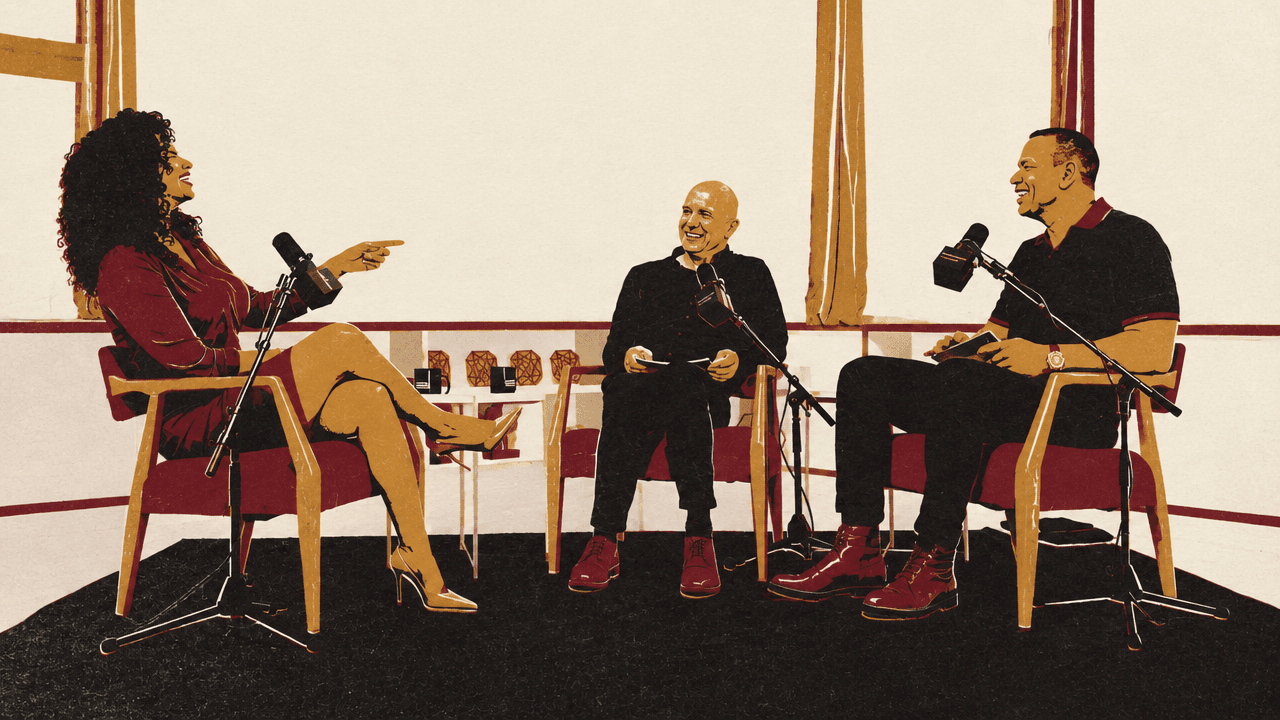
The NBA desk feels like Rooks’s big break—but not a fixed destination
For Taylor Rooks Rooks, hosting NBA on Prime feels like her “big break,” though not one she had always pictured for herself. She had thought of herself as an interviewer, not a host, and as a basketball reporter, not someone who would work on NFL broadcasts. She says she had to recognize that her own description of her abilities was limiting what she could imagine doing.
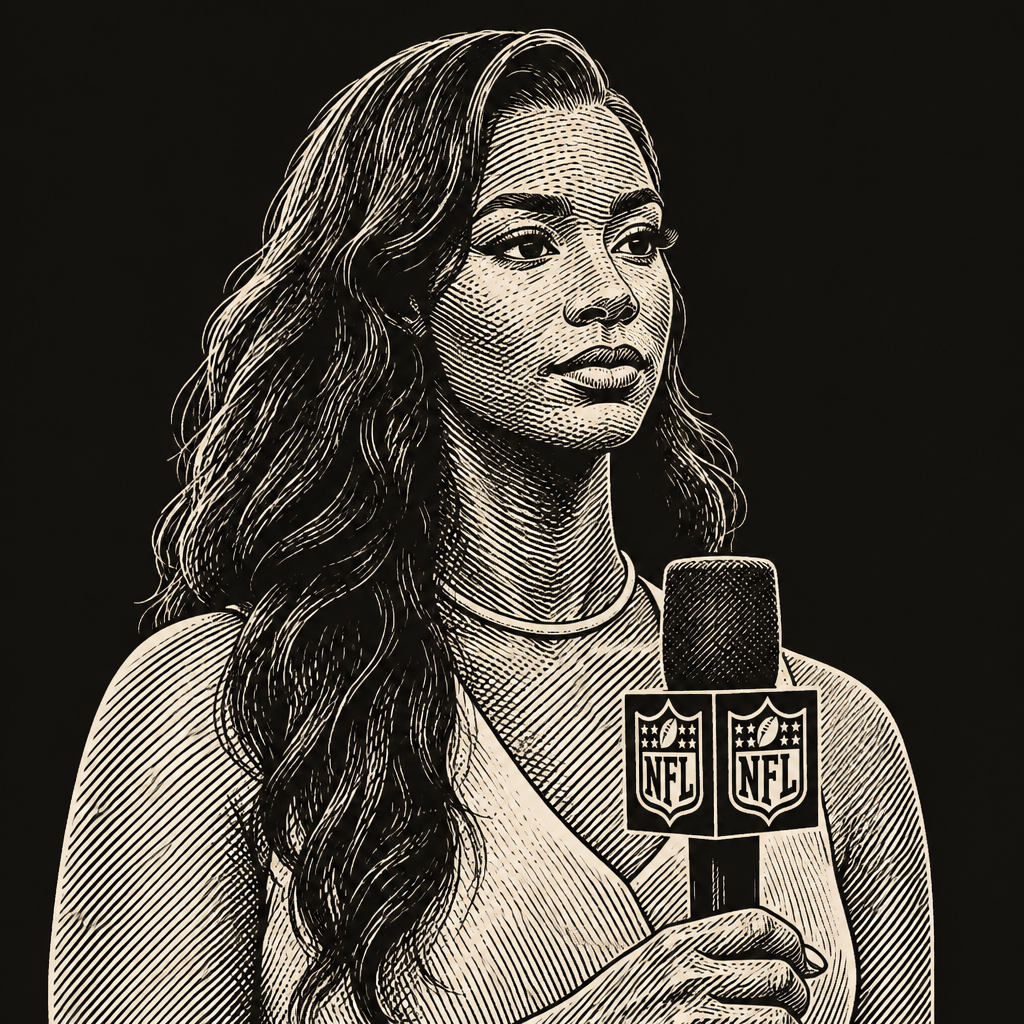
Rooks still loves interviewing: the conversations, the curiosity and the chance to get to know someone else. But being at the NBA desk brings a different responsibility. Her job, she says, is to help make sure everyone on the desk has a good show and that viewers enjoy watching. She describes it as a more substantial role in the game experience than she had held before. Being part of the desk, she says, makes her feel that she has a “big girl job.”
Continuing as a features reporter for Thursday Night Football while hosting NBA on Prime has given her what she calls a well-rounded work experience. The football role also helped lead to the basketball one. Rooks had been with Thursday Night Football since it began, and Amazon’s conversations with her about a possible NBA show led her to consider hosting. She is glad she took the football job, even though it did not fit the career she had first imagined.
The broader lesson she draws is not to replace one fixed ambition with another. When she was young, she wanted her own show; once she got one, she wondered whether that goal had been too small. Now she is wary of defining success too narrowly. Her work matters, she says, but a career is also made by the other projects and opportunities that the work can make possible.
Hosting is the work of making room for other people
Rooks says Amazon wanted Thursday Night Football to feel innovative, and she credits host Charissa Thompson with helping guide the talent toward what television work required. For NBA on Prime, Rooks and her colleagues wanted a distinct voice: fun, informative and entertaining, but still real. The aim was to make the broadcast an experience for viewers, not simply a place to discuss the game.
That shaped what the show did on camera. Rooks describes using the court for demonstrations by Dirk Nowitzki, Blake Griffin, Udonis Haslem and Steve Nash, so they could teach viewers what they were seeing on screen. She also wanted the team to have fun and avoid taking itself too seriously, while still being able to critique a player without making the discussion feel personal. Those choices, she says, helped give the first season a distinct voice.
Alex Rodriguez Rodriguez compares the host’s job to that of a point guard: someone who brings the group together and helps the broadcast flow. Taylor Rooks Rooks points to Ernie Johnson as an example of that work. Having seen Johnson at TNT, she says his strength is understanding that the show is not about him. He knows his colleagues and when to let them speak or stay quiet; he is prepared and cares about the work, but also knows how to elevate the people around him. Rooks describes him as a “traffic cop” who can manage “organized chaos.”
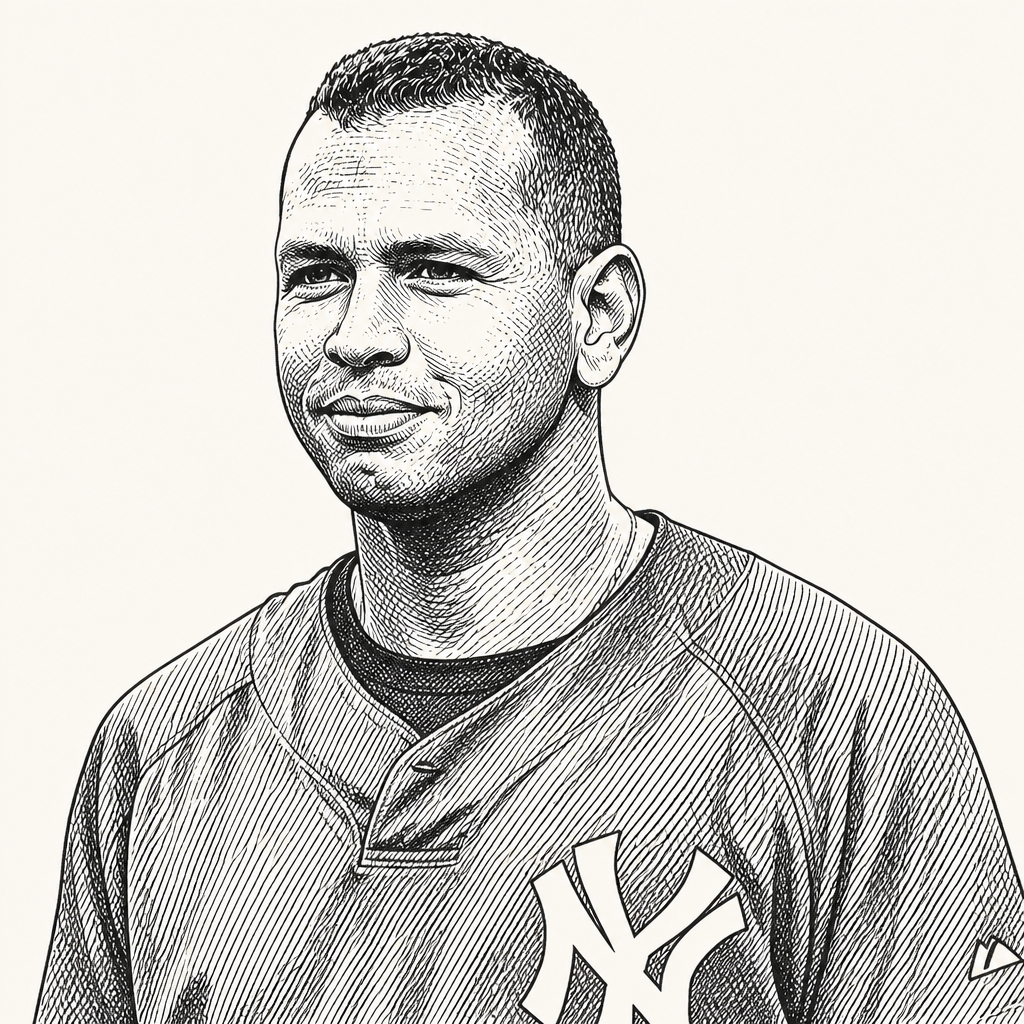
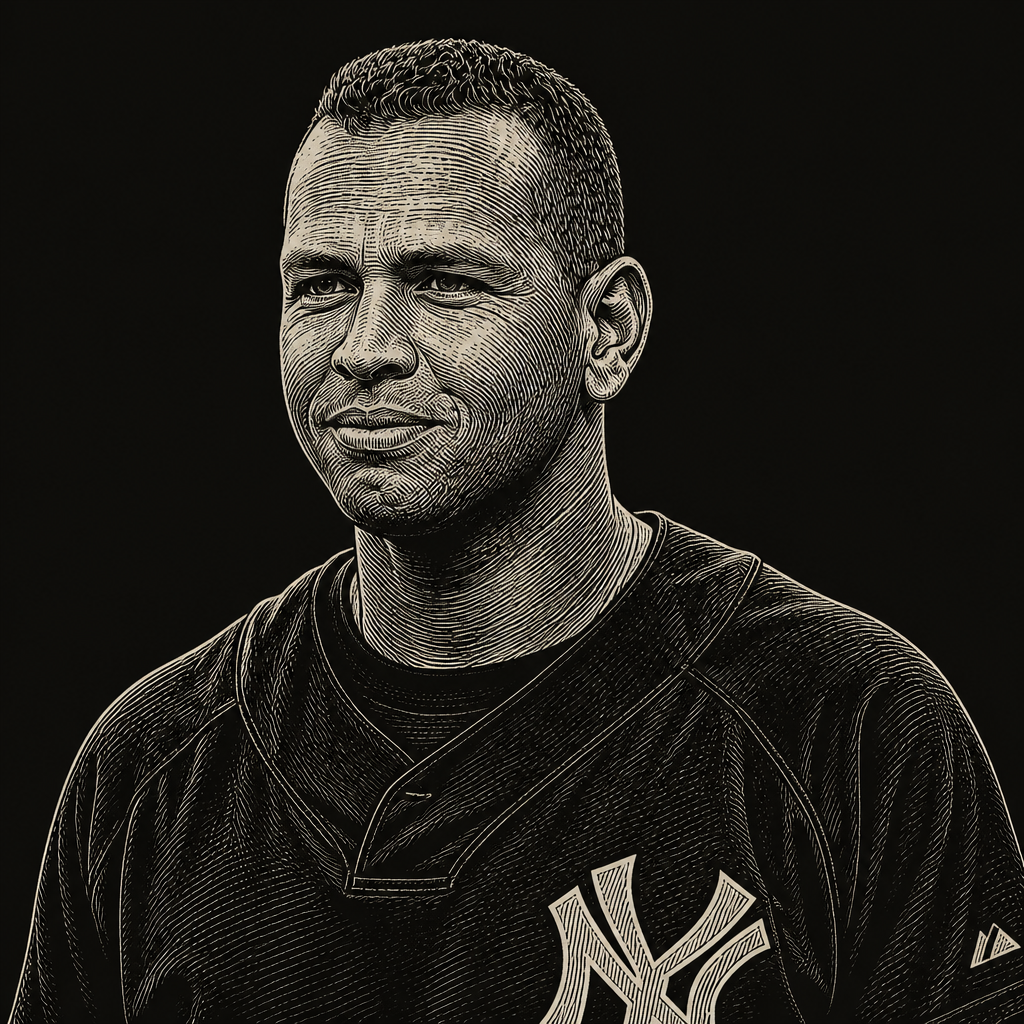
For Rooks, that kind of hosting depends on knowing the people at the desk well enough to read small cues. She watches colleagues’ expressions and notices gestures, such as Blake Griffin raising a finger when he has something to add. Rodriguez says shared experience—including time spent together over dinner—helps hosts develop that instinct. Rooks agrees: those small decisions help the show flow. She says they are among the details that can turn a good broadcast into a great one.
The interview starts where the familiar story stops
Taylor Rooks Rooks’s approach to interviews begins with a goal: she wants a revelation. Before sitting down with an athlete, she asks what the person has not yet said, what story has not been explored, and what audiences may not understand about them.
She says athletes often arrive with a public perception already attached. Interviews can reinforce that perception when they keep asking the questions that produced the familiar story in the first place. Rooks tries to reach the person behind it. In her preparation, she watches and reads earlier interviews not only to gather information, but to understand what subjects respond to—and to avoid repeating questions they have heard many times. As Jason Kelly puts it, she does not want the “talk track.”
The work continues in the conversation itself. Rooks describes interviewing as a tennis match: an interviewer cannot only serve questions and expect a revealing exchange. The interviewer also has to return what the subject offers. Sometimes the most useful follow-up is simply “Why?” or “What do you mean?” The point is to listen and respond, rather than move mechanically through a prepared list.
I want to be the person where you go and somebody says, “I never knew this about this person, and I learned something.”
She measures the result by whether the audience learns something new. If a subject says something they have never said before, or a viewer comes away thinking they understand the person differently, Rooks feels the interview has done its job. If nothing new emerges, she says, she can feel she has failed at the goal she set for herself.
That interest in the individual carries into her football work. Rooks says NFL interviews often return to the team, the game and the outcome. Those subjects matter, but she is especially interested in the person. She recalls Richard Sherman’s distinction: the NFL logo is a shield, while the NBA logo is a person. Rooks says that difference can be heard in how players talk about themselves. Her reasoning is that understanding the individual can lead back to the team and the win or loss, while focusing only on the larger organization can leave the person out of the story.
Partnerships are one way to put her values to work
Taylor Rooks Rooks says she has long felt she was “playing a different game.” Being the best journalist, host and interviewer she can be remains her first priority, but she also sees that work as something that can feed other opportunities.
Some opportunities come to her; others follow from a category she already cares about. Financial literacy is one example. Rooks says she wanted to help young people understand money and build better financial futures. Her agent knew that, and they pursued a partnership with Invesco, which lasted four years and included visits to colleges to speak with young athletes about handling NIL money. After that partnership ended, she began working with Experian, whose goal, as she describes it, is helping people feel equipped to manage their finances.
She says values also factor into how deals are structured. When she takes on a partnership, she wants a carve-out so some of the money goes to her foundation. For Rooks, the process involves conversations with her team about what she wants to accomplish, then finding companies whose priorities overlap with hers. She describes the approach as a mix of seeking out partners in areas that matter to her and considering opportunities that come her way.
The foundation’s work, she says, is organized around needs rather than a single cause. In Gwinnett County, Georgia, where she is from, she partnered with RIP Medical Debt to eliminate $2 million in medical debt. She also described a scholarship effort with Saquon Barkley: $10,000 for a student at the University of Illinois, where Rooks studied, and $10,000 for a student at Penn State. Other efforts included paying rent, phone or utility bills for people struggling during the holidays, and supplying classrooms for teachers. She says the aim is to help people who need help and provide money for those efforts.
She wants the supermarket audience without giving up sports
Taylor Rooks Rooks says she is working on a conversation card game for people to play with friends and family, as well as a scripted television show. Both fit her ambition to be known in more than one context.
She describes the audience gap with a contrast: a sports fan at Madison Square Garden might know her, but someone in a supermarket might not. “Now I want the supermarket,” she says. The goal is to reach people who do not encounter her through basketball or football.
Now I want the supermarket.
Rooks says a woman working in sports has a fan base that is mostly male, and that she wants to build a larger base of women. She sees that as both more personally true to her and important to the long-term business. Television, she notes, can have a shelf life, so she wants to develop other ways of reaching people and making an impact.
That expansion is not a plan to leave sports behind. Rooks says she wants to keep the male sports audience while reaching different people through other projects and interests. Someone might know her through sports, fashion or the card game; she is comfortable with different people knowing her for different things. Her aim is to live in more than one world, rather than let a successful role define the limits of her career.
Alex Rodriguez Rodriguez responds with his own argument about the opportunity: he says 99% of institutional capital goes to men and about 1% to women, particularly in technology. He links that disparity to women’s influence over household spending and says the gap creates an opening for businesses aimed at women. Rooks thanks him for the point.