Documents Show Epstein Turned Elite Access Into a Transaction Network
 Sridhar Natarajan
 Les Wexner
 Jeffrey Epstein
 Adrianne JeffriesBloomberg OriginalsMonday, May 18, 20269 min read
Bloomberg’s review of thousands of Jeffrey Epstein’s emails, appointment books and message logs argues that his influence rested less on proximity to famous people than on a transactional role inside elite networks. The documents depict Epstein as a broker who used wealth, introductions, gifts, donations, legal and financial services, and access to young women to embed himself across finance, politics, academia and global business, even as allegations against him accumulated.
Epstein’s influence was built as a transaction network
Jeffrey Epstein was a prolific pedophile and sex trafficker with dozens of victims, many of them young and vulnerable women. Ghislaine Maxwell is the only person currently imprisoned for her role in the illicit operation. Others mentioned in Epstein files released by the US Justice Department have denied wrongdoing, and few have been the subject of legal proceedings.
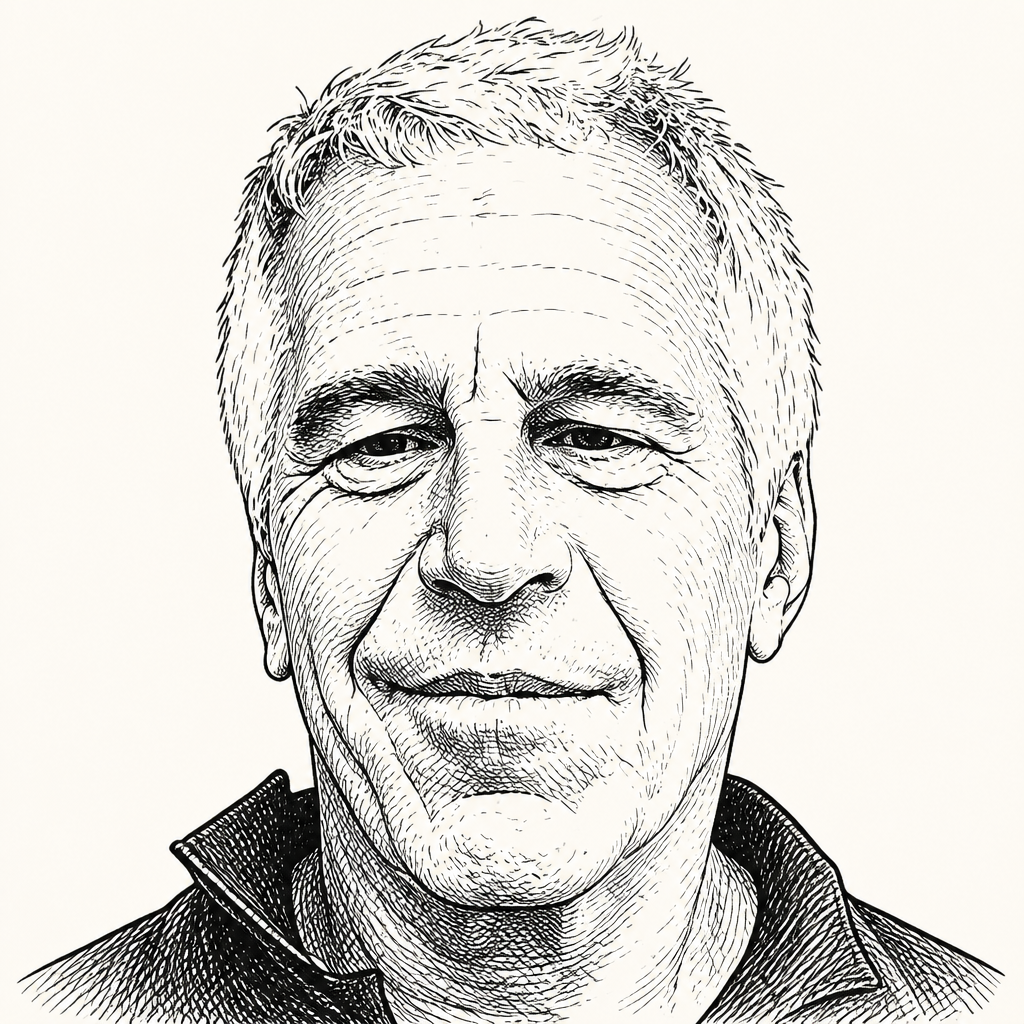
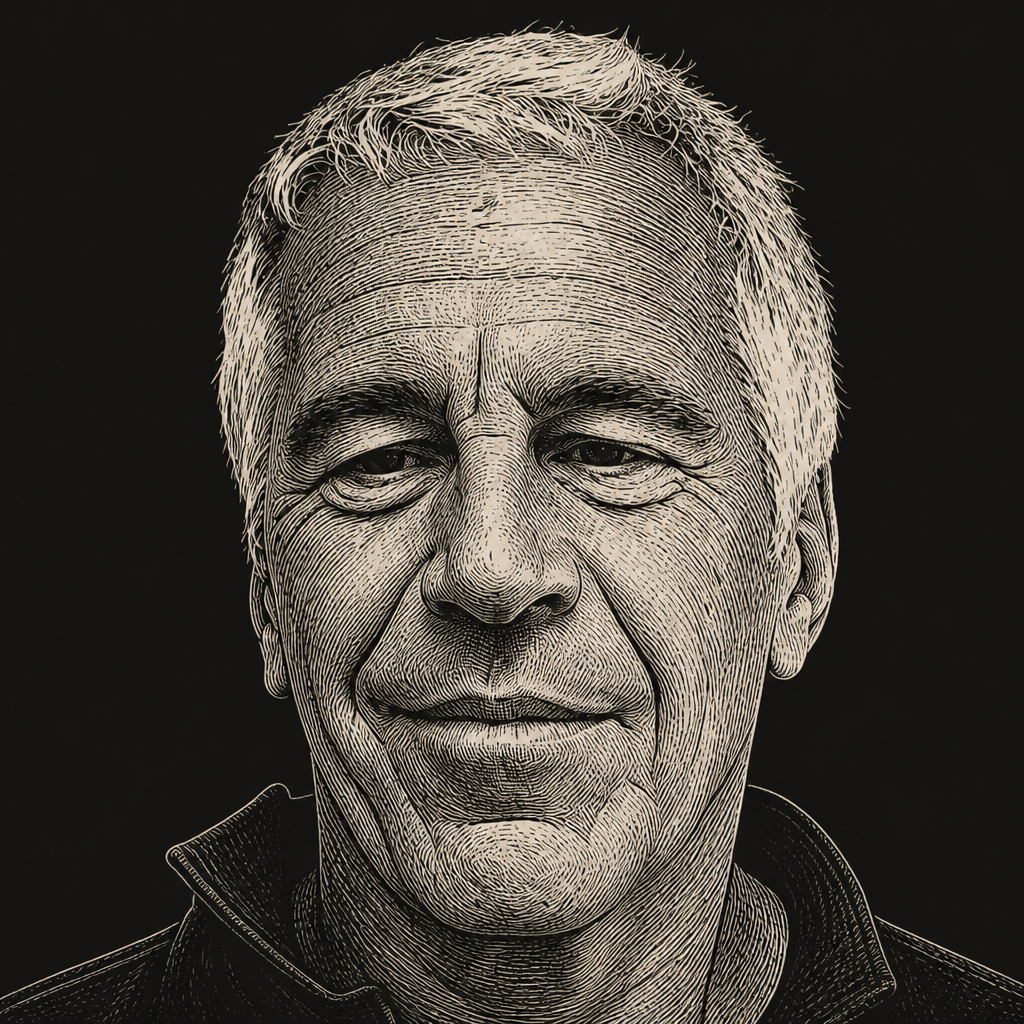
Bloomberg’s review of thousands of emails and documents maps more than Epstein’s proximity to powerful people. It shows influence operating through exchange: wealth, introductions, gifts, donations, personal services, legal advice, and favors. Epstein repeatedly appears as the broker — the person who could introduce one important person to another, arrange a favor, solve a personal problem, or make a sensitive request easier to handle.
The files include invitations, thank-yous, references to private flights and lunches, suggestions to “invite prince andrew,” notes about sending “two girls,” and messages that collapse friendship, money, access, and favors into the same stream of communication. The organizing pattern is Epstein placing himself at the center of other people’s needs.
By identifying what powerful people needed and positioning himself as the person who could provide it, Epstein was able to embed himself across finance, politics, academia, and global business as a trusted broker and confidant, often blurring the lines between business and personal relationships.


Appearing in Epstein’s network does not itself imply wrongdoing. But the disclosures have prompted resignations, investigations, renewed scrutiny, and public backlash toward powerful figures perceived to have enabled him.
Wealth gave Epstein the credibility to enter elite finance
Epstein’s rise began with wealth, and Les Wexner was one of his earliest and most consequential financial relationships. Epstein met Wexner in the 1980s while trying to establish himself as a financial adviser to the wealthy. In the 1990s, Wexner granted Epstein full power of attorney over his personal finances. Epstein later acquired Wexner’s New York mansion and, according to Wexner, purchased an L Brands aircraft. Epstein also claimed he helped manage major assets, including construction of Wexner’s yacht and other large development projects.
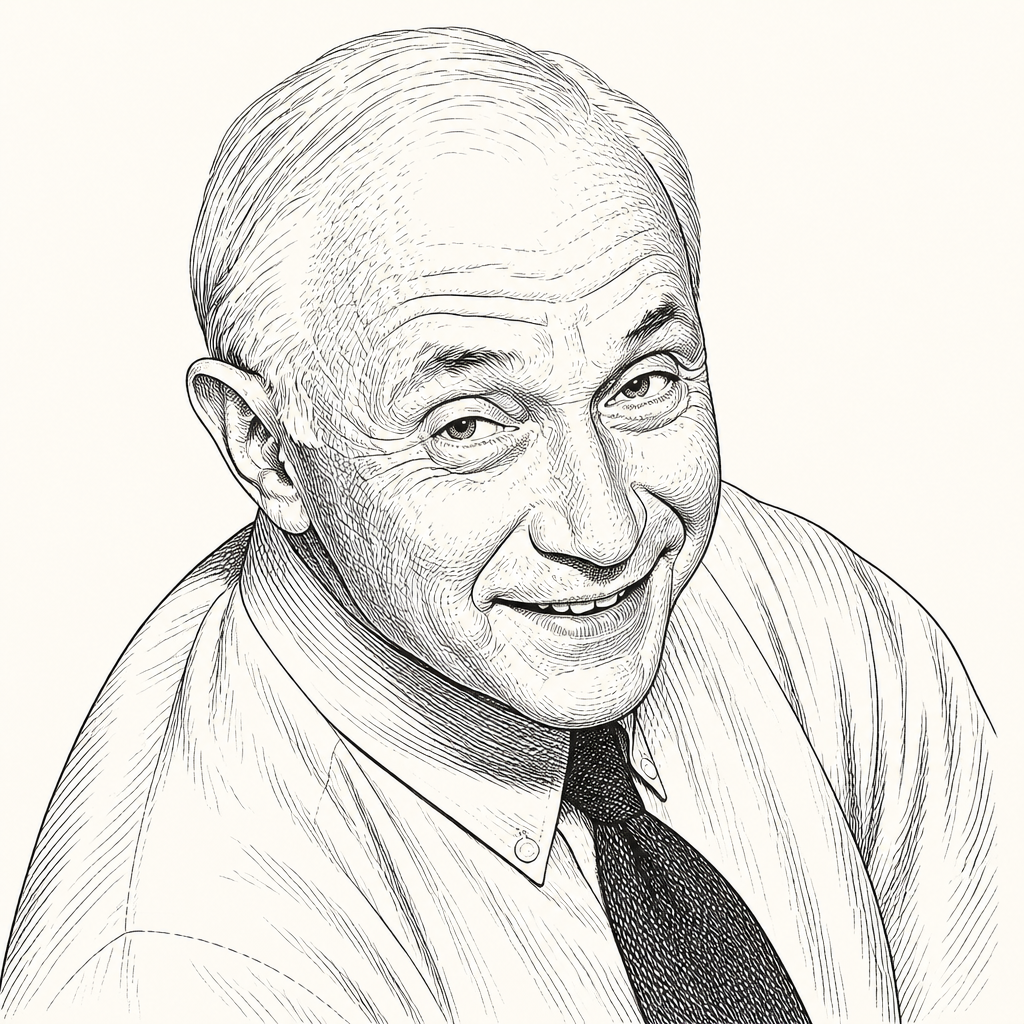
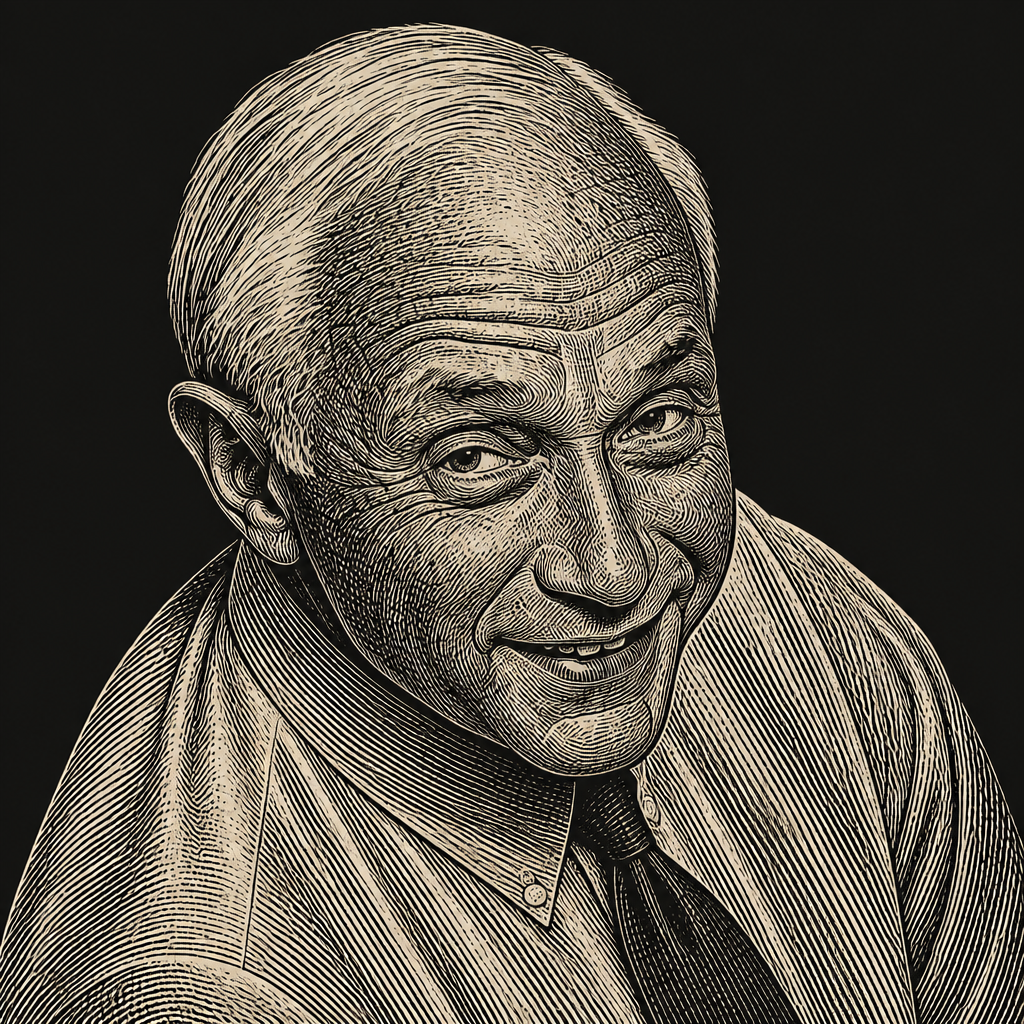
The Wexner relationship was a turning point in Epstein’s rise, while the reason Wexner entrusted him with such vast wealth remains unanswered. A spokesperson for Wexner declined to comment. Wexner eventually cut ties with Epstein in the late 2000s, and later said he had been deceived.
As I look back at it, I was conned by a world Olympic all-time con artist.
By the time the relationship ended, Epstein had already converted it into credibility in financial circles. Leon Black, co-founder of Apollo Global Management, became another major client. Epstein advised Black on trust and estate planning, tax issues, philanthropy, and management of his multi-billion-dollar art collection. According to an investigation commissioned by Apollo, Black believed Epstein’s advice delivered more than $1 billion of value.
The US Senate Finance Committee said Black’s payments to Epstein far exceeded payments made to comparable advisers. Black also donated another $10 million to one of Epstein’s charities. The relationship extended into Black’s personal life: Epstein helped Black conceal an affair and suggested surveillance when Black’s mistress demanded a large payoff. A 2026 Senate Finance Committee investigation alleged millions of dollars in payments from Black to women and evidence that Black often used Epstein as an intermediary. Black stepped down as Apollo’s CEO in 2021 and has repeatedly expressed regret about his relationship with Epstein. A Bloomberg title card noted that an independent report commissioned by Apollo found Black was not aware of the alleged criminal activities that led to Epstein’s 2019 arrest.
Jes Staley, the former Barclays CEO and JPMorgan executive, was another key financial figure. Staley met Epstein in the early 2000s while at JPMorgan, where he was responsible for cultivating high-net-worth clients such as Epstein, whose accounts generated millions of dollars a year in fees for the bank. Emails and court documents show a close relationship, including shared trips and frequent messaging.
Epstein introduced Staley to Glenn Dubin, co-founder of Highbridge Capital, before JPMorgan’s acquisition of a major hedge fund business. Bloomberg says Epstein received a $15 million finder’s fee for helping seal the deal.
Later, as concerns mounted internally about Epstein’s alleged involvement in sex trafficking, emails indicate Staley stepped in to keep Epstein as a client. Sridhar Natarajan said JPMorgan had faced lawsuits alleging that it benefited from Epstein’s sex trafficking. JPMorgan blamed Staley for maintaining Epstein’s banking relationship while denying knowledge of Epstein’s alleged illicit activities. Staley did not return a request for comment and has denied any knowledge of or involvement in Epstein’s alleged crimes.

Access, legal advice, and gifts became instruments of influence
The emails show Epstein leveraging his connections with young women and access to them as a method of influence. Staley appears in several correspondences in which he and Epstein use coded language to discuss women, including references to Disney characters such as “Snow White” and “Beauty and the Beast.” The files also show New York Giants executive Steve Tisch frequently contacting Epstein to discuss women, at times referencing nationality and physical appearance. In one exchange, Tisch asked whether a woman was “pro or civilian.” Tisch has said he never took up Epstein on his invitations, deeply regrets associating with him, and has not been charged with any crimes.
Epstein also relied for years on connections to prominent lawyers, which helped him continue operating after his 2008 conviction for solicitation of prostitution with a minor. Brad Karp, former chair of Paul Weiss, worked with Epstein in managing Leon Black’s wealth. Emails released by the Justice Department show Karp reviewing documents for Epstein, including a draft court filing arguing that Epstein’s decade-old plea deal on sex trafficking charges should not be reopened. Karp did not respond to requests for comment and has previously said he regretted his social interactions with Epstein.
Kathy Ruemmler, former White House counsel, appears as another significant legal contact. Epstein forwarded Karp’s remarks to members of his legal team and to Ruemmler. Communications show Ruemmler offering Epstein perspective and advice for years, including on how to respond to media queries tied to his alleged criminal activities. One visible email exchange included the line, “the point is that if she was underage, she could not legally consent.”
The relationship was also maintained through gifts and small services. Emails mention spa treatments, thousands of dollars in gifts, designer goods, a $10,000 Bloomingdale’s gift card, boots, a handbag, and a watch for Ruemmler. Records also show Epstein arranging chicken soup for her when she was reportedly sick. A spokesperson for Ruemmler, who plans to leave her current role as Goldman Sachs general counsel in June, said she knew Epstein in a professional context through her work as a defense attorney, has done nothing wrong, and had no knowledge of his alleged criminal activity.
The gifts extended beyond Ruemmler. Records show a cashmere sweater for Noam Chomsky, an Apple Watch for Steve Bannon, dumbbells for Reid Hoffman, and underwear for Woody Allen. In the documents, gifts and errands function as markers of attention, proximity, and service.
Philanthropy gave Epstein another route into institutions
Epstein’s donations and philanthropic contributions functioned as another form of leverage in the same network. Harvard University was among the biggest recipients of his gifts, and he developed close ties to Harvard professors and leaders. Larry Summers, Harvard’s president from 2001 to 2006, connected Epstein with former President Bill Clinton. Clinton has denied knowledge of Epstein’s alleged crimes and described their relationship as a brief acquaintance; a representative for the Clintons did not respond to a request for comment. Summers maintains he engaged in no wrongdoing and has expressed deep regret for his association with Epstein.
Justice Department documents and publicly available tax records show Epstein recorded donations of at least $1.6 million to New York schools. He also documented at least another $400,000 in tuition payments. Epstein used educational connections to make introductions and appears, in emails, to have helped with admissions processes for children of wealthy contacts. In one example, Epstein emailed Eva Andersson-Dubin to help the daughter of Ariane de Rothschild get into NYU; the visible exchange includes “I need to get Ariane daughter into NYU” and a later “Done! She s accepted at NYU.” Edmond de Rothschild Group has previously said Ariane de Rothschild had no knowledge of Epstein’s personal behavior and condemned his crimes; a Rothschild family spokesperson previously said Alice de Rothschild’s US university admissions were entirely due to her grades.
| Channel | Amount | What it was tied to |
|---|---|---|
| New York schools | At least $1.6 million | Recorded donations in Justice Department documents and public tax records |
| Tuition payments | At least $400,000 | Documented payments cited in the source |
| Mount Sinai-linked initiatives | At least $400,000 | Discussions in Justice Department documents |
| Columbia dental school | At least $50,000 | Donations directed to Columbia University’s dental school |
| Dr. Jess Ting research | $50,000 | Email indication of a grant toward research |
Some of Epstein’s significant financial and philanthropic ties ran through Eva Andersson-Dubin and Glenn Dubin, with whom he had a long-standing close relationship. Eva Andersson-Dubin is a physician and founder of the Dubin Breast Center at Mount Sinai. Justice Department documents show Epstein discussing at least $400,000 to Mount Sinai-linked initiatives. That philanthropy appeared to have practical benefits: Epstein then drew on physicians in Andersson-Dubin’s circle to arrange discreet medical care and procedures for young women connected to him. A spokesperson for the Dubins said they were horrified by the allegations against Epstein and would have cut off all ties long ago had they been aware of his alleged criminal conduct.
One surgeon in that orbit was Dr. Jess Ting, a prominent New York doctor who developed a personal relationship with Epstein. Emails show Epstein’s assistants repeatedly reaching out to Ting to coordinate medical consultations and minor procedures for Epstein and for women described as his friends. Emails between Ting and Epstein indicate a $50,000 donation toward Ting’s research. Ting did not return a request for comment and has denied wrongdoing regarding his association with Epstein.
Epstein also directed at least $50,000 in donations to Columbia University’s dental school. His dentist, Dr. Thomas Magnani, was later removed from his role at the college after Columbia said it admitted Epstein’s girlfriend to its dental school through an irregular process. Magnani did not respond to a request for comment.
The donor network also moved Epstein into technology circles. Epstein’s philanthropy intersected with figures including LinkedIn co-founder Reid Hoffman, who hosted Epstein at a dinner with Mark Zuckerberg, Peter Thiel, and Elon Musk. A spokesperson for Hoffman declined to comment.
The intermediary role was Epstein’s durable asset
Adrianne Jeffries describes Epstein as repeatedly promising introductions and presenting himself as the person who could connect powerful figures to one another. The documents show him offering access to Kathy Ruemmler, saying he would need to introduce Jes Staley’s cell phone contact, coordinating meetings around Davos and Paris, and treating access itself as an asset to be allocated: “I can organize a 1:1 meeting with most people there. One ‘have is access ;) Not sure of the best way to use it.”
Emails indicate Epstein facilitated introductions between Sultan Ahmed bin Sulayem, former CEO of DP World, and Peter Mandelson, the former UK politician and diplomat. Sulayem later sought UK government support for a major port project designed to expand trade and shipping. Sultan Ahmed bin Sulayem and representatives of DP World declined to comment; Mandelson did not respond to requests for comment.
Epstein also facilitated a meeting between Apollo co-founder Josh Harris and Bill Gates. Jeffries said the efforts suggest a financially strategic one for Epstein, who owned 250,000 shares of Apollo at the time. Gates said through a spokesperson that he regrets meeting with Epstein.
Epstein’s network was not simply a contact list. Money opened doors. Legal and financial work kept him in circulation. Gifts and errands created familiarity. Donations gave him proximity to institutions. Introductions gave him a role that could be repeated across industries and countries. His influence endured because the same mechanism worked in each setting: identify what powerful people wanted, provide a route to it, and stay in the middle.