Henrik Lundqvist Built His Second Career Around MSG and Trusted Advisers
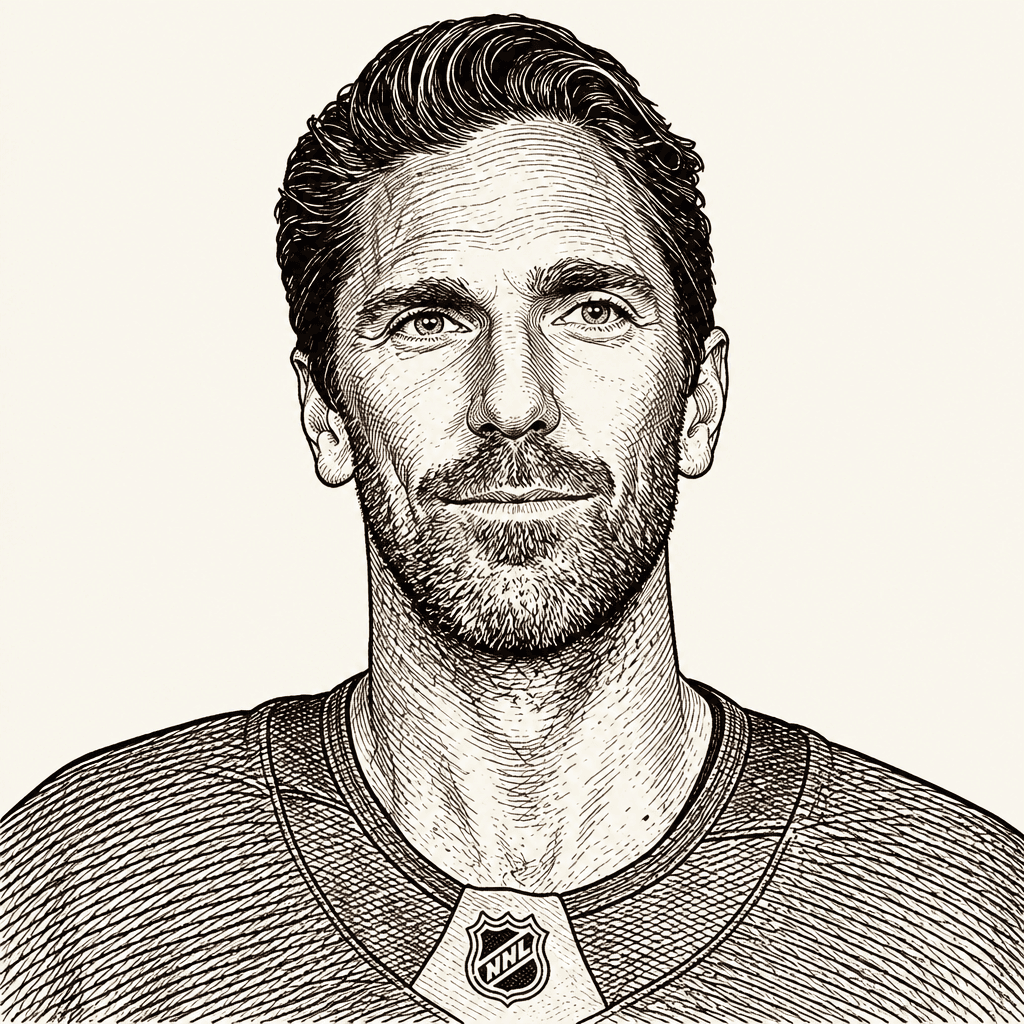
Henrik Lundqvist says his second career grew from two priorities: staying connected to the New York Rangers and building a business life without losing the focus that had served him as a player. In an interview with Alex Rodriguez and Jason Kelly for Bloomberg’s The Deal, the former goalie describes how a conversation with Madison Square Garden chairman Jim Dolan opened a path to an ambassador role, while trusted advisers help him assess opportunities in business, broadcasting and charitable work.
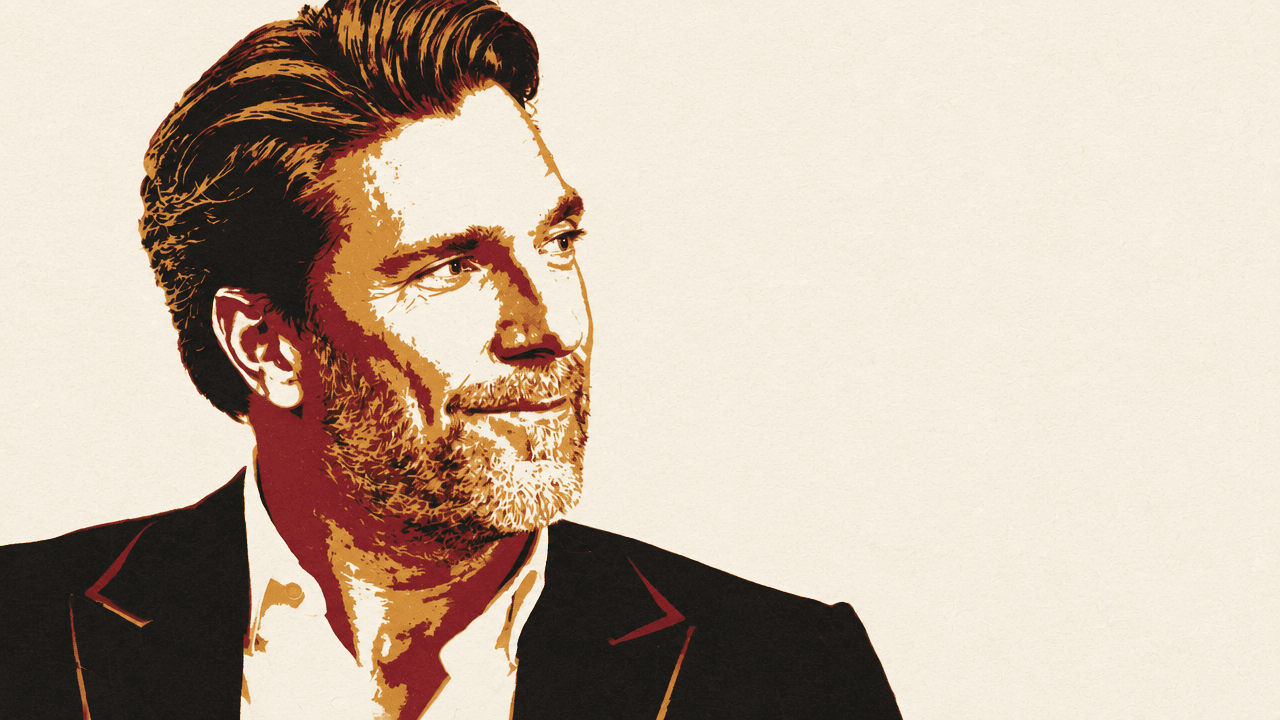
A second career began with staying close to the Rangers
Henrik Lundqvist knew before retiring that he wanted to remain part of the New York Rangers organization. About halfway through his playing career, he could imagine staying with Madison Square Garden in another role. Near the end, a meeting with Jim Dolan made that possibility concrete: Dolan told him the organization would welcome him whenever he decided to leave the game.
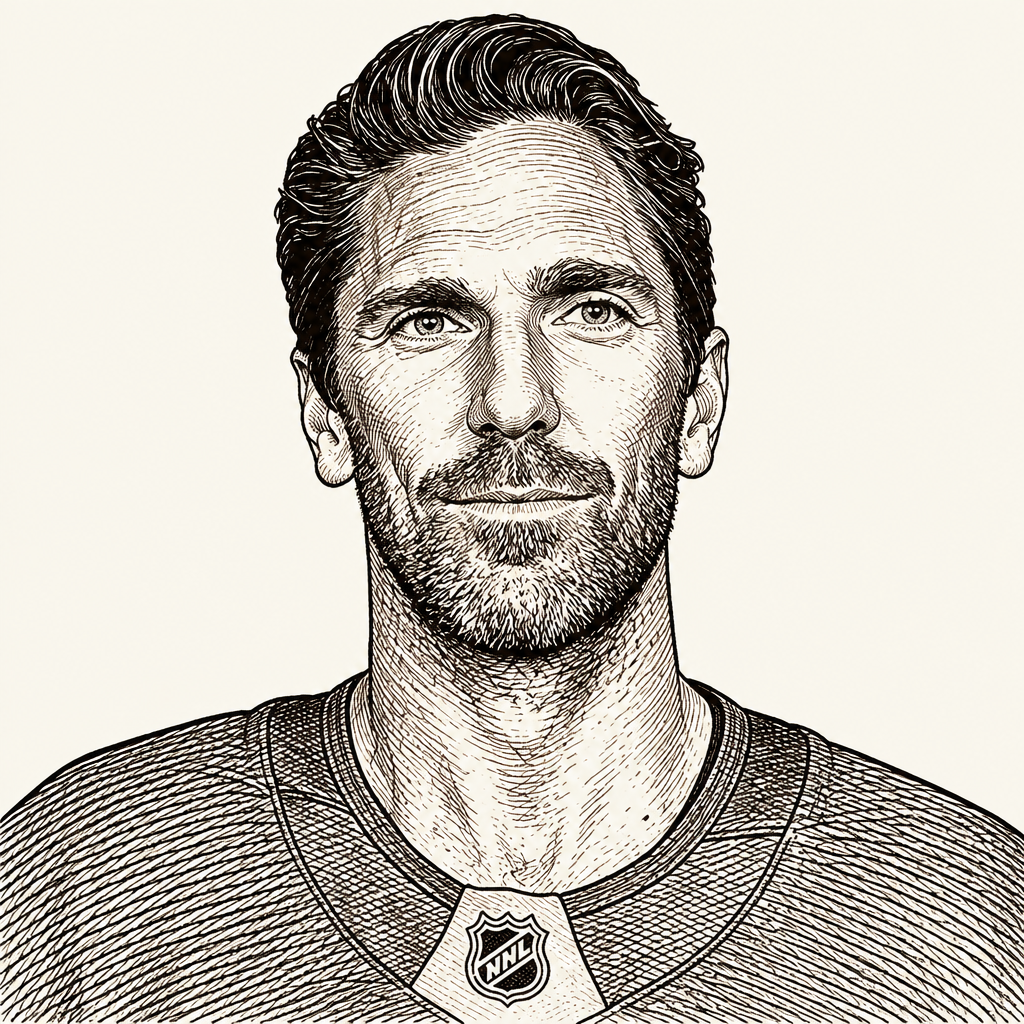
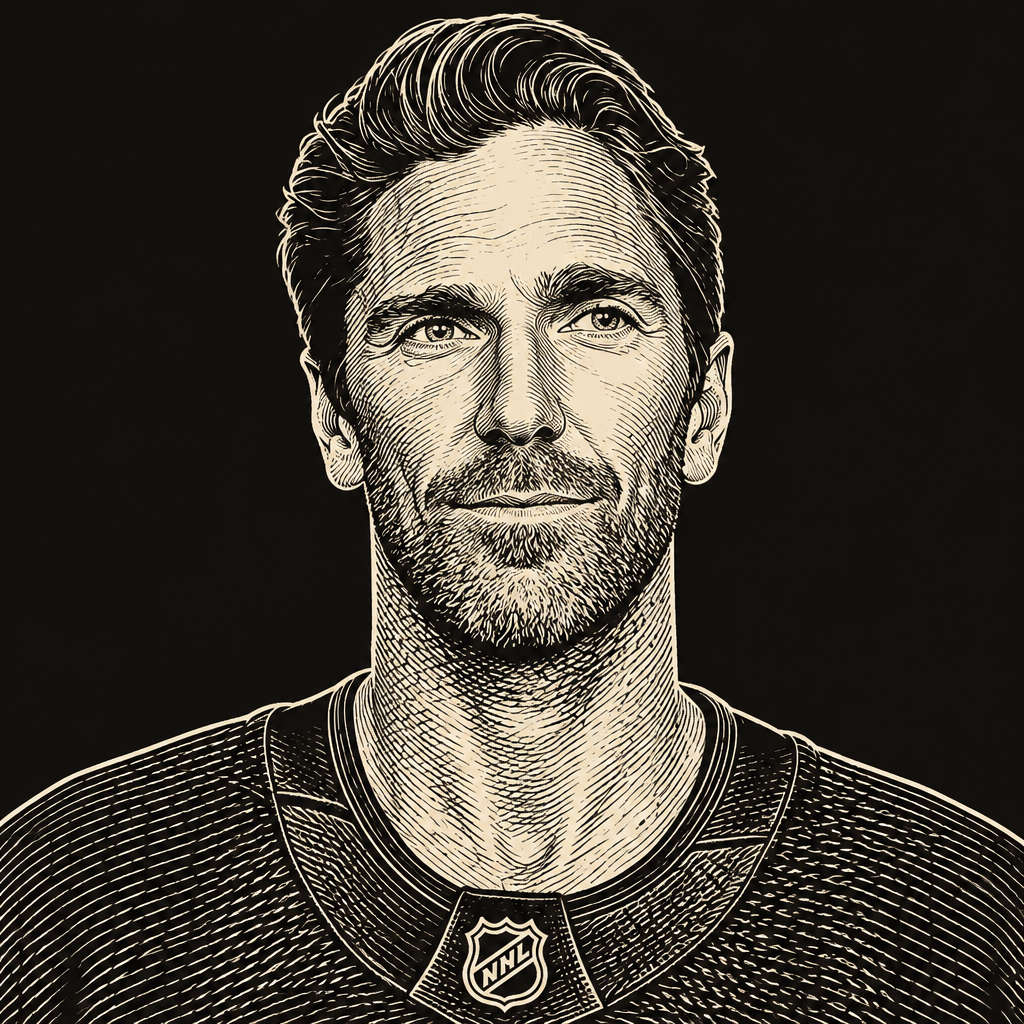
For Lundqvist, that invitation mattered because he had invested his playing life in one team. He had spent his entire career in one place, built relationships across the organization and New York, and wanted the Garden to be part of what came next. His role as an MSG ambassador developed over his first year after retiring. It now includes television work, appearances at events, and involvement with basketball, hockey, and charity programs.
The transition changed how he experienced the Garden. As a player, he had been focused on the demands of the game and did not particularly enjoy meeting large numbers of people. Away from the pressure of playing, he is more present and enjoys those encounters. Returning to the arena can still give him goosebumps, but now the feeling is mostly gratitude and appreciation for the place.
That connection is personal, but Lundqvist also described the Garden as a complex operating business. It took time to understand the “machine” behind Madison Square Garden: the Rangers and Knicks, concerts, events, and the Sphere, with different challenges arising every day. As an athlete, he had concentrated on one task. In retirement, the range of decisions and opportunities can make him miss the simplicity of his old job.
All I need to do is stop a puck.
The organization’s continuing support was part of why he stayed. Lundqvist praised Dolan’s investment in the teams, including the facilities, travel, hotels, and preparation that help players perform. Those details, he said, give athletes the opportunity to be at their best. He also recalled how Dolan and the organization treated his family around his retirement and jersey-retirement ceremony, a moment he would never forget.
Staying with MSG is one part of Lundqvist’s next chapter, not its entirety. He described building a business life around trusted advisers, selective decisions, broadcasting, and charitable work. Across those areas, his account returns to a practical concern: having the right people around him as his responsibilities and opportunities change.
New York demanded confidence before it offered belonging
Henrik Lundqvist arrived in New York at 23 after establishing himself in Sweden, where he had won championships and was regarded as the country’s best goalie. But joining the Rangers meant starting over. He had been a seventh-round draft pick five years earlier, and, as he put it, nobody in New York really knew who he was.
He had heard about the city, the Rangers’ Original Six history, and the pressure of playing in a major market. Living it was different. He came excited, nervous, and anxious, but his first year still felt like a dream. Asked by Alex Rodriguez whether the move brought a sense of imposter syndrome, Lundqvist acknowledged moments of doubt. He was also convinced he belonged and would make it.
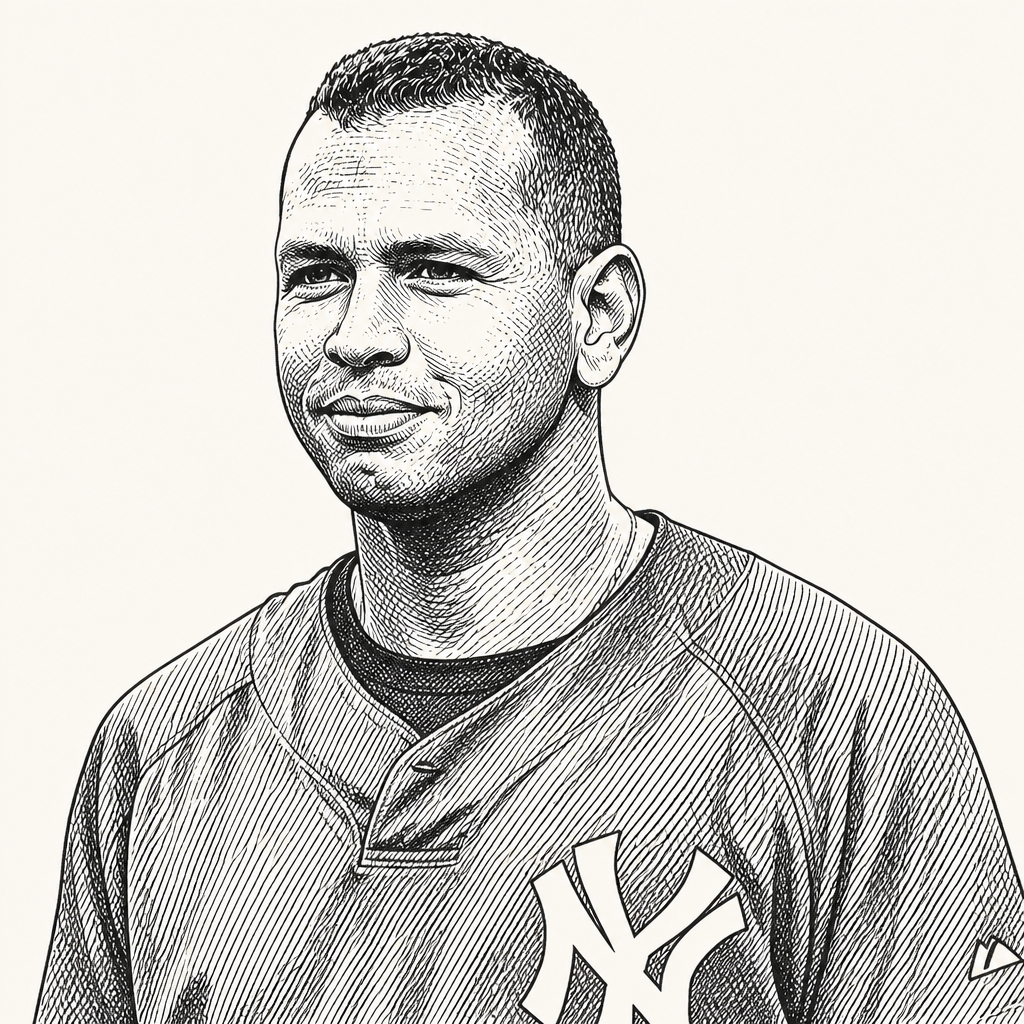
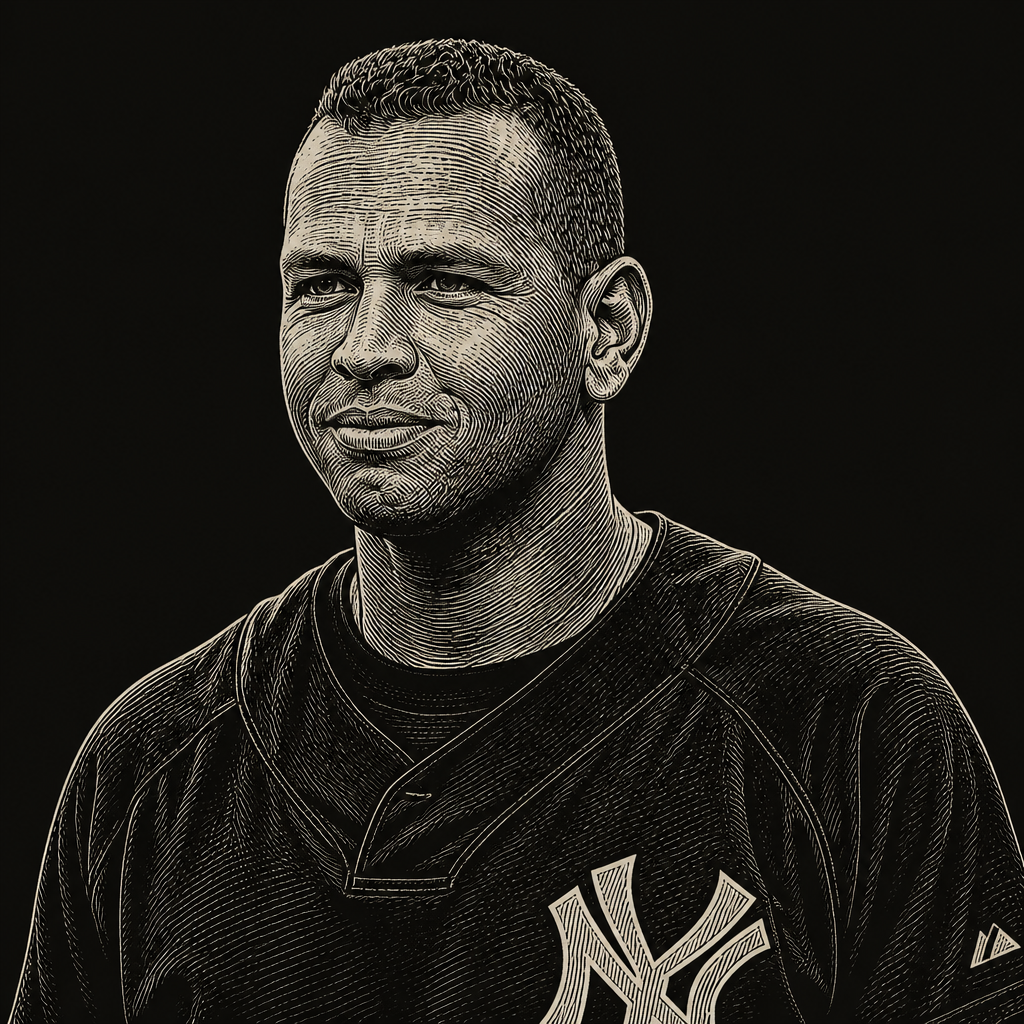
That conviction had a basis. During the NHL lockout of 2004, Lundqvist’s final season in Sweden, some of the league’s best players came to play in the Swedish Elite League. His team won the title, and he faced goaltenders who normally played in the NHL. Knowing he could compete against them helped him mentally before the move. The remaining question was whether he could adapt to a smaller rink and a faster game.
His first NHL season came as the league returned from a year-long stoppage. Players were eager to play again, but also understood that they needed to rebuild fans’ trust. There were questions about the league’s condition and how quickly players who had taken the year off could regain their level. Lundqvist thought it was important not to be too hard on themselves as they got going. In New York, he felt the team built momentum through that period.
The broader development of the sport matters to him now as a retired player and fan. Jason Kelly put the business change in concrete terms: five or six years earlier, he remembered franchise valuations in the $400 million to $500 million range; now, he said, figures near $2 billion could be mentioned without anyone flinching. Lundqvist welcomed the growth, but pointed to the strength of the game itself as its foundation. In his view, a strong product is what supports greater interest and higher franchise values.
He cited major tournaments as another source of attention. The Four Nations competition, he said, drew interest and became political when Canada played the United States; the Olympics also attracted a lot of eyes. Those events help bring attention to hockey, but Lundqvist’s starting point was the level of play. He likes seeing the sport grow in the United States and internationally, even while noting that hockey is not the leading sport in the United States or Sweden.
The Rangers’ history shaped his sense of scale within the organization. Lundqvist said the Dolan family and the organization do a good job of celebrating the past, which is central to what makes an Original Six team distinctive. A young player can arrive at Madison Square Garden feeling the bright lights and media attention, but the franchise’s long history is also a reminder that any individual is only a small part of something much larger.
A trusted team helps him decide what deserves a yes
Henrik Lundqvist’s business approach began with building a trusted team early enough to protect the time he needed to play. As a young athlete, he did not have the time or interest to spend on financial calls. He wanted to focus on the game and his performance. He built a circle of advisers that includes business manager Adam Campbell of AMG; the two have worked together for 17 years.
That relationship has lasted as Lundqvist’s life changed. At 23, he was weighing decisions such as whether to buy a guitar or a car, or rent his first place. Later came children, schools, insurance, and investments. The growing complexity made it important to have trusted people around him.
Opportunities come through different routes, sometimes through a conversation that leads to another conversation. The review process is more consistent: due diligence and working through the opportunity. In New York, where possibilities are plentiful, Lundqvist thinks it can be more important to say no than yes. Selectivity matters when his next chapter brings more competing demands than the single focus of playing.
I bet on people more than the product.
Lundqvist has had both good and bad deals, and sees execution as starting with the person running a business. He is more gut-driven; Campbell is more focused on data. Campbell can hold him back, while a wider group—including people at JPMorgan—helps find answers. Lundqvist does not expect one person to know everything. He values having someone who can connect him with the right people and information.
Broadcasting gives him a way to explain the split-second
Henrik Lundqvist remains identified with the Rangers, but national television work puts him in the position of commenting on other teams and players. When the Rangers are playing on TNT, he has to be thoughtful about not sounding like a superfan. He hopes viewers can distinguish his experience-based analysis from team loyalty.
His aim as a broadcaster is to explain what a player might be thinking in a moment that looks like an obvious mistake on replay. A viewer who has not played the game may see a poor decision without seeing the pressure, speed, or reasoning that shaped it. Lundqvist wants to use his own experience to make that moment more legible: what he went through mentally, what he might have been trying to do, and why an error happened.
The idea also informed his joke about hockey spectators. The farther up the stands people sit, the more confidently they seem to know how the game should be played, because from that distance it looks slower and easier. People near the glass may see how fast it really is; viewers at home have the added benefit of five replays.
Charitable work extends the transition beyond the arena
Henrik Lundqvist’s charitable work began soon after he moved to New York in 2005, when he became involved with the Garden of Dreams Foundation, the Madison Square Garden foundation. The experience helped a young player understand the effect he could have on other people. Reaching a certain level in sports, he added, brings a responsibility beyond playing the game; he also wanted to help hockey grow.
Encounters through the foundation—helping a sick child through a difficult situation or giving someone the chance to study—made the impact concrete. Lundqvist and his wife, Therese, later started the Henrik Lundqvist Foundation to reach people in Sweden as well as New York. They began by assembling a board of people who had supported him and could bring useful networks, then identified organizations to work with, including Presbyterian Children’s Hospital in New York, Ronald McDonald House in Sweden, and Food Bank of New York.
The foundation also created a Young Ambassador program, which encourages children to give back. Lundqvist wanted them to experience the same feeling he had found in helping someone. The program remains a project he hopes to keep growing.