Criminal Gangs Target Vacant Homes as Mexico City Property Values Rise
 Claudia SheinbaumClara Brugada
 Pablo WilliamsBloomberg OriginalsSaturday, October 31, 20264 min read
A Bloomberg documentary reports that about 11 homes a day are effectively stolen in Mexico City, often after criminals move into properties left vacant and use forged documents to claim a right to stay. Andrea Navarro and lawyers featured in the report say rising property values have increased the incentive, while slow court proceedings and alleged corruption can leave owners locked out for years. City and federal measures may help resolve individual cases, but clearer records alone cannot address every vulnerability.
A home can be taken without its title changing hands
An average of 11 homes a day are effectively stolen in Mexico City, according to Andrea Navarro. The legal term is dispossession: people take possession of a property, but do not necessarily become its owners. The distinction matters because an invasion can quickly turn into a dispute over who has the right to occupy a home—and resolving that dispute can take years.
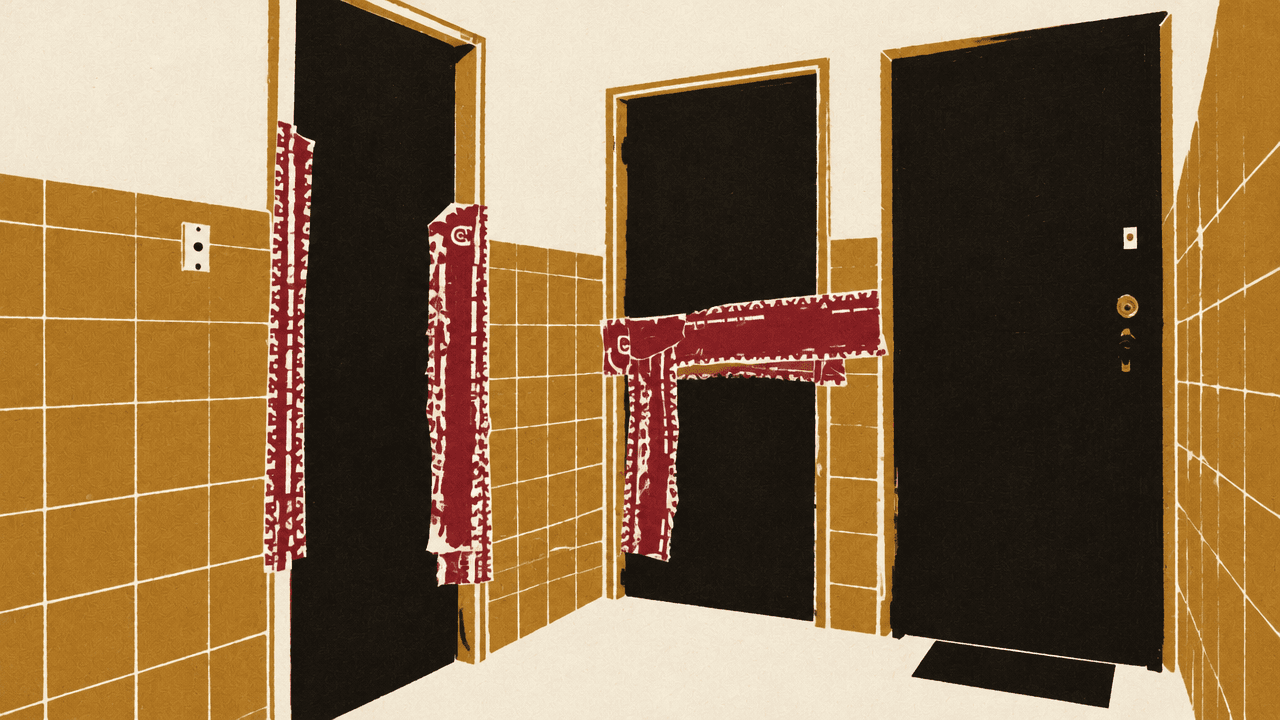
The pattern begins with surveillance. Criminals watch for a property to be left vacant, often while its owner is away. They force entry, change the locks, falsify a deed, and may begin renovations. When the owner returns, they may find themselves locked out.
The next step is often a police report and a long legal process. Authorities can struggle to establish who is the rightful owner, especially when both sides claim to be victims. In some cases, officials seal the property and remove everyone while they investigate and the case proceeds through court.
Over the past decade, reported property-theft cases in Mexico City and the State of Mexico have approached 100,000. Authorities estimate that between a third and a half involve disputes among family members; home invasions are thought to make up roughly the other half. A map shown in the report records thousands of dispossession cases in every Mexico City borough between January 2015 and August 2024, including 8,655 in Iztapalapa and 8,103 in Gustavo A. Madero. The figures use a reporting methodology introduced in 2015; that does not mean the crime itself began then.
Rising property values add an incentive—and cases move slowly
The crime has drawn more attention as it has appeared in upscale neighborhoods. Lawyers link some invasions to gentrification: properties have become much more valuable than they were a few years ago. Informal property practices, including failing to register ownership and making private sales without notarization, can also make a claim harder to resolve.
Enrique Amezcua’s family experienced a violent invasion. He recalls that on the morning of June 23, 2025, he was getting ready for work when he heard his mother calling for help and blows landing on the door. An axe came through; then the wooden door gave way. Amezcua estimates that 30 or 40 men were in the hallway. They knocked him to the floor, and he felt something cut him.
The case attracted enough media attention that authorities quickly removed the invaders. But the family still has not been able to return to the apartment while the investigation continues. A notice posted by the prosecutor’s office identifies the alleged offense as dispossession and says the property has been secured.
The legal route is not straightforward. Some cases go through criminal court and others through civil court, with procedures that can last years and appeals that add to the uncertainty. Pablo Williams says orderly documentation can shorten resolution to eight months to two years in his experience. Cases without that clarity, he says, may take more than five years.


Lawyer Salma Sosa describes one reason cases can shift into civil court: alleged invaders may produce a purported sales contract, deed, or lease, even if it is false. She says civil proceedings are slow and defendants have extensive opportunities to challenge the case. Sosa argues that courts need more training and personnel for these disputes. Even when owners recover a home, she says, they risk being invaded again; preventing another invasion then becomes their responsibility.
Government action may help individual victims, but leave the causes intact
Mayor Clara Brugada says the city will prosecute dispossession under the criminal code and defend victims so that property taken illegally can be returned. The city has arrested people accused of dispossession and offered 100 lawyers pro bono to assist several victims. A news report shown onscreen says 300 people had been arrested during Brugada’s administration, including 114 in 2026 after the city strengthened its strategy.
The response has also included case-by-case reviews. A text overlay quoting Jorge Emilio Iruegas, an investigator at the Mexico City Attorney General’s Office, says the city is “generating an individualized revision of each case” to allow a faster response. It reports that since the new strategy began two months earlier, the local government had secured 163 properties and arrested 64 people.
President Claudia Sheinbaum says the Digital Agency is supporting the digitization of cadastres and public registries to bring order to property records. Clearer records may help untangle cases where ownership documentation is incomplete or informal, but they do not address every vulnerability.


Corruption involving public officials, notaries, and judges can help make invasions possible and delay their resolution. A displayed news report says victims had denounced 14 public officials in Mexico City between August 5 and 23, 2026; the report attributes that figure to the city’s attorney general. Even some people whose homes are restored are too afraid to move back.
For Amezcua, returning to the apartment brings back both good memories and the invasion. He says that the most vivid thing now is the day his family “lost everything.”