Brazil’s Deforestation Crackdown Is Shifting Pressure to Bolivia
 Fabiano MaisonnaveClaudemir BantesAna Nunes
 Rodrigo Paz
 Saúl Cuellar
 Eraí SchefferAlonso Aguilar
 José Pinto
 Stasiek Czaplicki
 Boris Colombara
 Jorge VianaFernando SchefferBloomberg OriginalsWednesday, August 12, 20269 min read
Bloomberg Investigates reports that Brazil’s tougher anti-deforestation enforcement has coincided with accelerating forest loss across the border in Bolivia, particularly around Santa Cruz and San Ignacio de Velasco. The investigation examines how Brazilian agricultural capital, cheaper land and proposed transport links are reshaping that frontier, including a reported deal involving a 30,019-hectare managed-forest property. Bolivian officials argue that investment can raise productivity without extensive clearing; environmentalists and Indigenous leaders warn that the same expansion model could shift Amazon destruction rather than contain it.
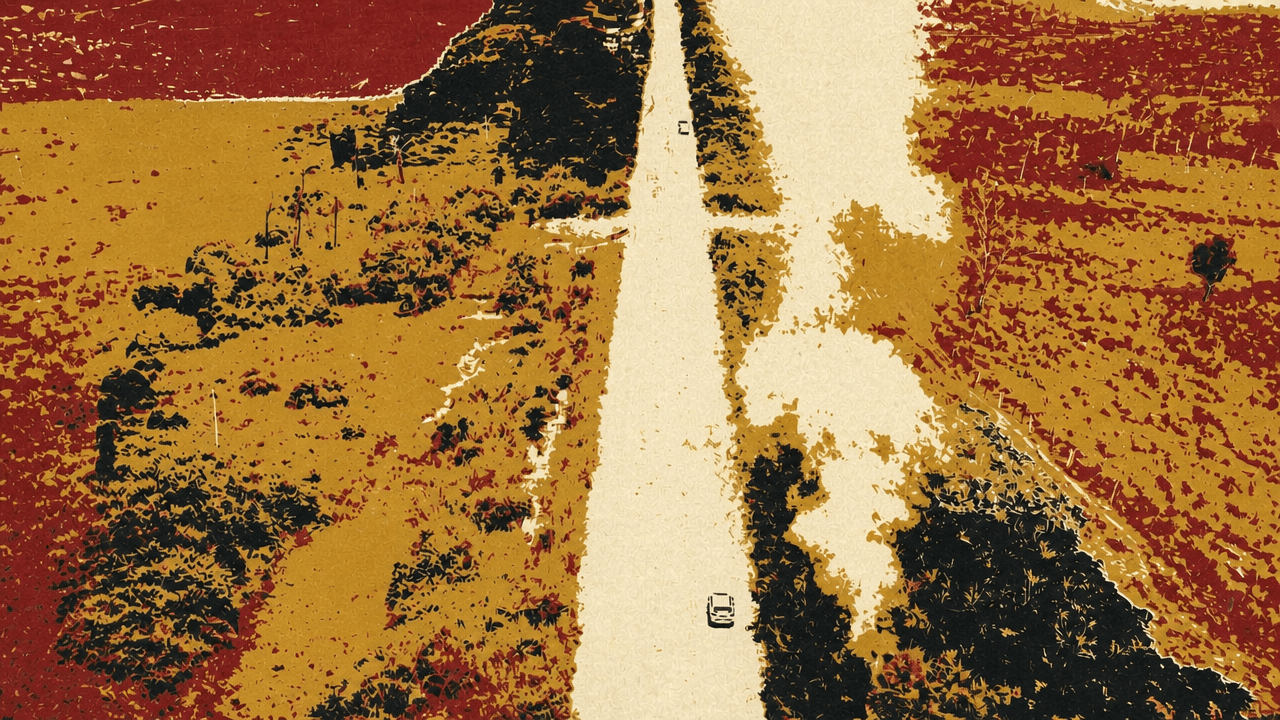
Brazil’s gains sit beside a fast-moving Bolivian frontier
Brazil cut non-fire primary forest loss by 41% in 2025, according to the World Resources Institute. WRI attributed much of the global decline in tropical forest loss to Brazil’s stronger environmental policies, the relaunch of its federal anti-deforestation plan and increased penalties for environmental crimes.
Across the border, the direction is different. Saúl Cuellar says his organization has tracked Bolivia’s annual deforestation since 1986 and has seen clearing increase over time, accelerating sharply in recent years. Santa Cruz, Bolivia’s economic and agricultural center, accounts for 78% of the country’s deforestation, he says. The newest concentration is moving northeast toward San Ignacio de Velasco and the Brazilian border.


In San Ignacio alone, local mapping identifies 155,000 hectares of recent clearing over two years—an area Fabiano Maisonnave compares with the city of São Paulo. NASA satellite images displayed in the source show a heavily forested Santa Cruz landscape in 1985 and a far more fragmented agricultural landscape in 2025. A MapBiomas chart shown near the end of the reporting puts the longer-term contrast in stark terms: Brazil’s deforestation rate fell 59.2% between 1987 and 2024, while Bolivia’s rose 256.4%.
San Ignacio is the ancestral homeland of the Chiquitano people, but its economy is shifting from subsistence farming toward industrial soy, corn and cattle production. Soy is Bolivia’s leading agricultural export, according to Maisonnave, and roughly three-quarters goes to animal feed.
Brazilian producers, investment and infrastructure proposals are increasingly visible in and around San Ignacio as Brazil has made clearing harder at home.
Brazil's agricultural heartland is spilling directly into San Ignacio de Velasco, Bolivia's newest hotspot for forest loss.


Productivity is the promise; expansion is the risk
Brazil presents land sparing as a way to reconcile agricultural production with conservation: raise yields on land already in use rather than clear new forest. Bolivia’s new government has adopted similar language. President Rodrigo Paz says the country wants greater productive capacity and better technology “not so extensively,” but by concentrating production while preserving the Amazon’s “lungs.”


The farms around San Ignacio show why that proposition is contested. Rancho Dorado, a Brazilian-owned operation that grows soy and corn and raises cattle, has been in the region for 20 years. Rosa Alvarado says cattle dominated the early settlement; agriculture has become much stronger only in recent years. In 2025–26, she says, soybean and corn cultivation “exploded” as Brazilian partners arrived to invest.
Rancho Dorado has 210 employees living on site, an expanding workshop complex, a private school with 60 students, a library, a room for a doctor and accommodations for visitors. Claudemir Bantes says he planted six tons per hectare the year before and expected an even larger harvest in the current season. Asked why Brazilian producers come to Bolivia, he gives a blunt economic answer: land is cheaper, soil is fertile and “Brazil doesn't have any farmland left anymore.”
That investment can bring jobs, services and output. It can also provide capital for further land acquisition. The question is not whether productive farms can increase yields; Rancho Dorado’s operators say they can. It is whether rising returns remain confined to cleared land when nearby forest is comparatively cheap and the political environment favors expansion.
The Colombara family offers a direct challenge to the technological version of land sparing. Boris Colombara says its farm has followed agroecological principles since 1972, preserving its biome rather than clearing it mechanically. He rejects the claim that genetically modified seeds will remove the need for new land. In his account, chemical-intensive agriculture degrades soil over five or six years, leading producers to buy and clear additional properties.
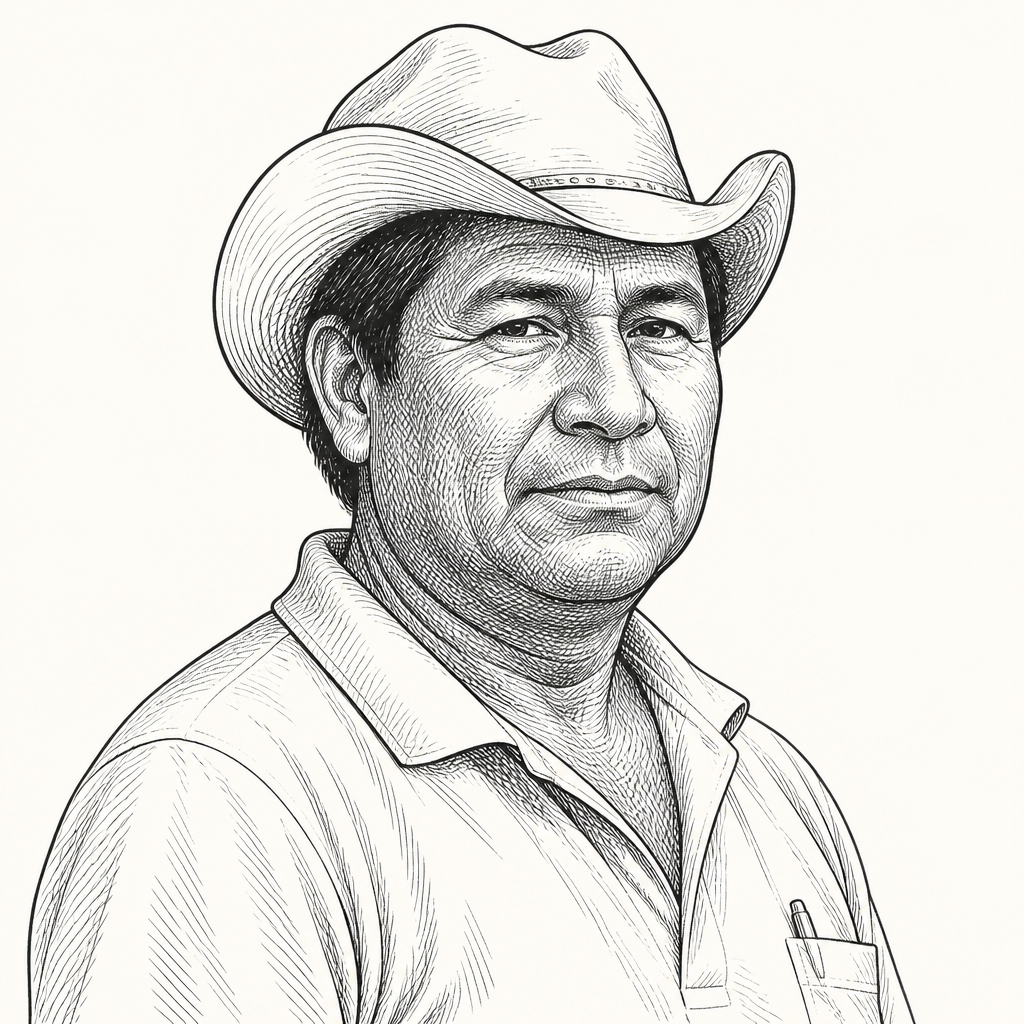
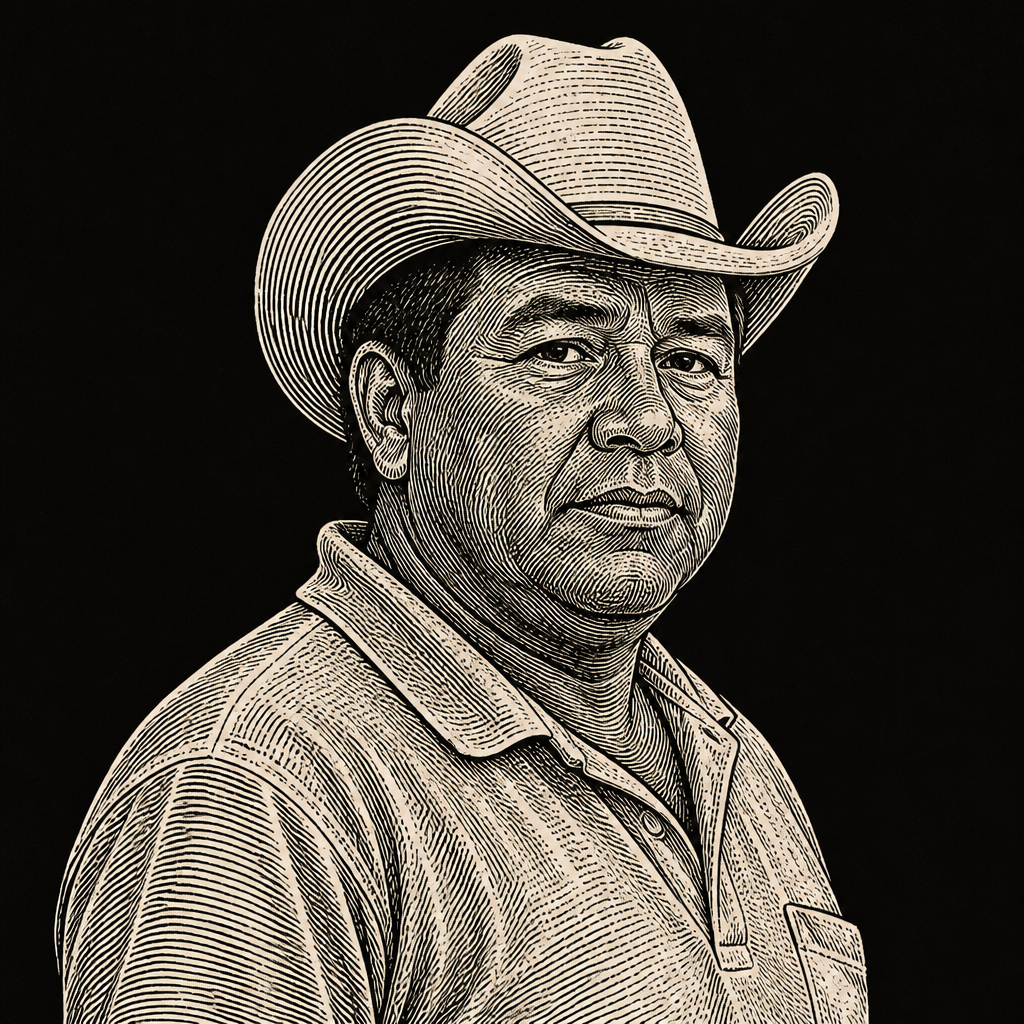
Colombara also connects the Brazilian influx to stricter enforcement across the border, loans and investment groups purchasing land in Bolivia. His argument is that tougher Brazilian rules changed the geography of profitable expansion, not that those rules stopped being effective within Brazil.
Because the laws have become stricter in Brazil. They came to Bolivia, gave the loans, bought land and farmed the land.
For Chiquitano leaders, the trade-off is immediate. Antonio Chuvé says Brazilian investors create work because they bring capital and make large profits. But he says fauna and rivers are being lost, and that studies now identify contamination in water that communities once used for drinking and washing. Maisonnave reports that Chuvé sees employment as welcome but fears that large farms are shrinking Indigenous territory and generating land conflicts.
The reported INPA deal tests the frontier’s limits
Reporting by Mongabay and Nómadas focused on a 30,019-hectare INPA property in Bolivia’s Chiquitania region: a forest holding that Nómadas described as one of the remaining bastions of managed forest in an area facing soy and cattle expansion. Mongabay reported that documents it reviewed suggested the property was on the verge of sale to Bom Futuro, with plans to clear it. A Nómadas map shown in the reporting places the INPA estate amid successive waves of deforestation between 2012 and 2023.
Maisonnave’s aerial observations support the sense of a remaining forest block under pressure, without resolving the transaction itself. Flying over the estate, he describes it as mostly preserved forest, roughly the size of five Manhattans, used by the Dutch-Bolivian company INPA for managed logging. He also observes a sharp contrast along the nearby Brazil-Bolivia border: forest apparently cleared for pasture on the Brazilian side and the lush green expanse of Noel Kempff Mercado National Park on the Bolivian side.
The initial response Maisonnave received from Bom Futuro was ambiguous. A company contact first said Eraí Maggi Scheffer had nothing to do with Bolivia. Pressed on reports of a 30,000-hectare purchase in Chiquitania, the contact said Bom Futuro had not bought anything, though a Bom Futuro partner might have bought land in Bolivia. No further clarification came through that channel.
The later interview with Fernando Scheffer confirmed a Bolivian agricultural venture by members of the families, while drawing a distinction from a straightforward corporate Bom Futuro acquisition. Fernando Scheffer says that children and family members—including Eraí Maggi Scheffer’s family—who are already partners in Brazilian farming are seeking “new frontiers” in Bolivia.
Asked whether the 30,000 hectares would be planted with soy, Scheffer says not at first. The approach he describes begins with cattle. After five, 10 or 15 years, as the area degrades, he says it would be renovated with corn and soy. He compares Bolivia’s present moment to Mato Grosso 40 years ago: a poor place that needs jobs and development. The ambition, he says, is to help make Bolivia what Mato Grosso is today.
That prospect is central to the environmental concern, but the ownership and project details remain materially unsettled in the reporting. Maisonnave describes Mato Grosso as an agricultural powerhouse built at the cost of some of Brazil’s highest deforestation rates. Fernando Scheffer describes a family venture and a cattle-first production model; Mongabay and Nómadas connected the INPA property to Bom Futuro or related Brazilian agricultural interests.
The legal status of holdings at this scale is a separate issue. Stasiek Czaplicki, the journalist who first reported on the INPA transaction, says foreigners generally may own up to 5,000 hectares unless they held the land before Bolivia’s newer constitution. He says companies can be used to navigate that restriction because the formal owner is the company rather than an individual foreign buyer.


Czaplicki also argues that the financial deterrent against illegal clearing is weak. He says deforesting the property illegally could cost up to $1 million, while the land itself is worth a little more than $20 million. In that calculation, a fine can become an administrative expense rather than a meaningful barrier to conversion.
Roads turn agricultural interest into a regional project
Investment in farmland is being paired with plans to integrate the border region through roads and logistics infrastructure. A February 2026 meeting at Rancho Dorado brought together Brazilian and Bolivian ministers, producers and political representatives. Footage released by Rancho Dorado showed participants from Mato Grosso, including the state’s agriculture minister, governor, vice governor, senator and soybean-producer association.
Eraí Scheffer says he spent two hours with President Paz and sees Bolivia entering a “new era.” At a Brazil-Bolivia business forum, he said he could help Bolivia by drawing on what was done in Mato Grosso 50 years earlier: creating rules, applying new technology and developing a new agricultural region.


Forum materials set out specific road plans: 40 kilometers already paved, 130 kilometers planned, and a prospective 1,300-kilometer logistics route to Porto Velho in Brazil. Maisonnave says the forum confirmed Brazilian backing for roads and a river bridge, at a scale larger than earlier proposals had suggested.
| Planned connection | Scale shown in forum materials |
|---|---|
| Road already paved | 40 km |
| Additional road planned | 130 km |
| Proposed logistics corridor to Porto Velho, Brazil | 1,300 km |
The infrastructure case is development: lower transport costs, regional integration, agricultural investment and access to markets. Brazilian official Jorge Viana rejects the proposition that Brazil is exporting deforestation. He says Brazil has reduced its own deforestation by half and is now a model; cooperation, sustainable economic activity and sound policy, he argues, can prevent deforestation pressure from shifting into Bolivia.


Bolivia’s development-planning minister, José Pinto, makes a related case. Pinto, who has more than 25 years of experience as a soy and livestock producer, now oversees environmental policy after President Paz dissolved the Ministry of Environment. He rejects the criticism that this makes him a fox guarding the henhouse. His experience, he says, gives him knowledge of what the sector needs.
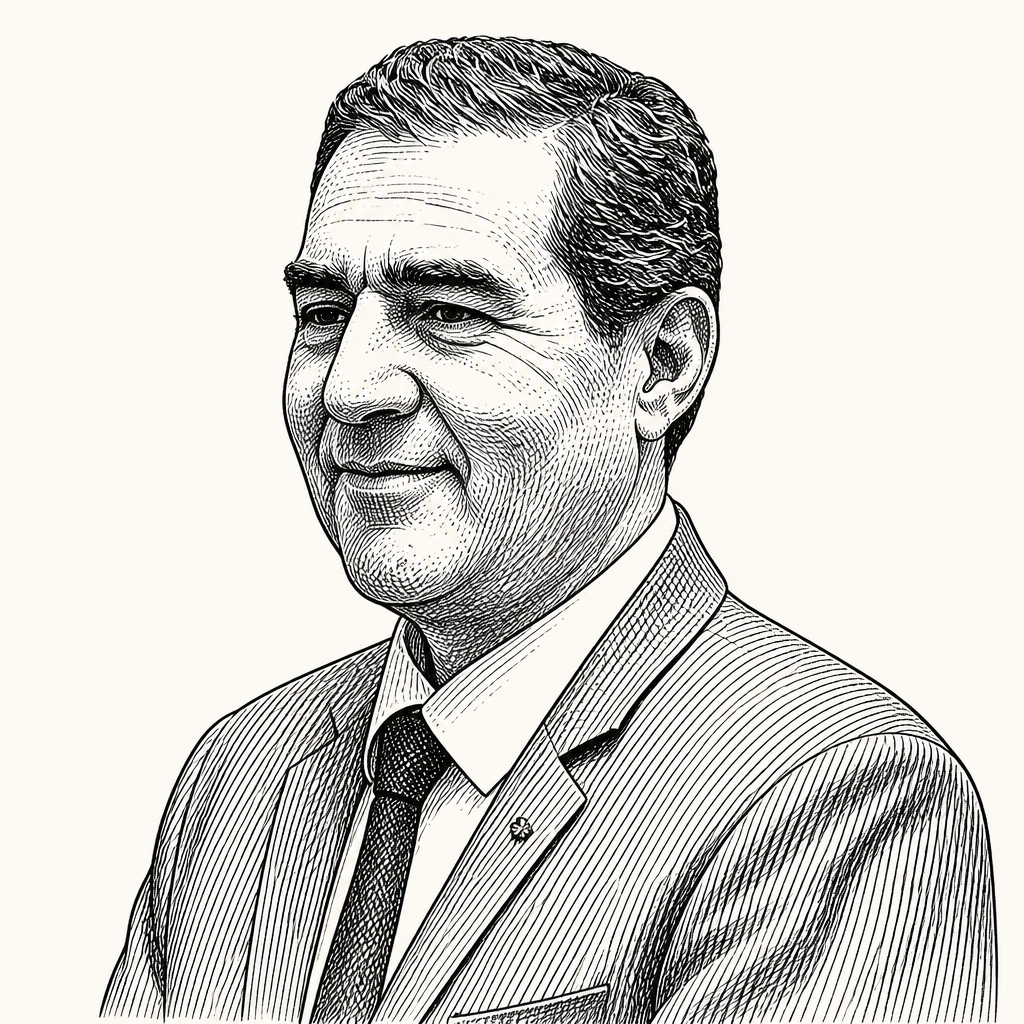

Bolivia has low productivity and land that can yield more, Pinto argues. The country should increase production while mitigating environmental impacts, rather than deny itself an economic opportunity. He calls interest from the world’s largest soybean producers “great news” because it can draw other investors from Brazil and beyond.
Maisonnave’s competing reading is that the San Ignacio corridor resembles an Amazon frontier pattern he has seen repeatedly: governments build roads, newcomers buy land, local resistance follows, jobs are promised and clearing expands. In his account, infrastructure is not neutral background to agricultural development; it changes the conditions under which forest conversion becomes possible.
Bolivia’s decision is whether growth can be bounded
The core choice is not simply whether Bolivia expands agricultural production. The government is actively courting investment, technology, roads and cross-border commercial integration while promising that productivity can rise without extensive clearing. President Paz says Bolivia wants to produce more competitively and with more concentrated capacity, while preserving the forest that he calls the country’s future viability.
The evidence in San Ignacio makes that promise difficult to separate from land governance. Forest loss is concentrated in Santa Cruz and moving toward the Brazilian border. Brazilian-run farms are already operating and expanding in the region. Road and bridge proposals have moved from private discussion to formal forum presentations. At the same time, the reported INPA transaction remains a developing story: Mongabay and Nómadas linked the 30,019-hectare forest property to Bom Futuro or related interests, while Fernando Scheffer confirmed an intended Bolivian venture by family members rather than a direct Bom Futuro purchase.
Bolivia’s domestic politics show that the terms of development are contested beyond environmental groups. President Paz enacted Ley 157, described in the reporting as an effort to turn small farms into medium-sized ones. Indigenous leaders and peasant groups argued that it would give private businesses rights to seize their land. Protests forced the government to reverse the measure.
That conflict brings the question into focus. Bolivia can seek capital and higher yields while retaining meaningful constraints on forest conversion, land concentration and infrastructure-led expansion—or it can allow those goals to be decided after investors and roads have already reached the frontier. The source does not establish which outcome will prevail. It does show that the choice is being made now, in a region where clearing is already accelerating.