Kurtis Blow Built Hip-Hop’s Foundations Through Music, Mentorship, and Performance
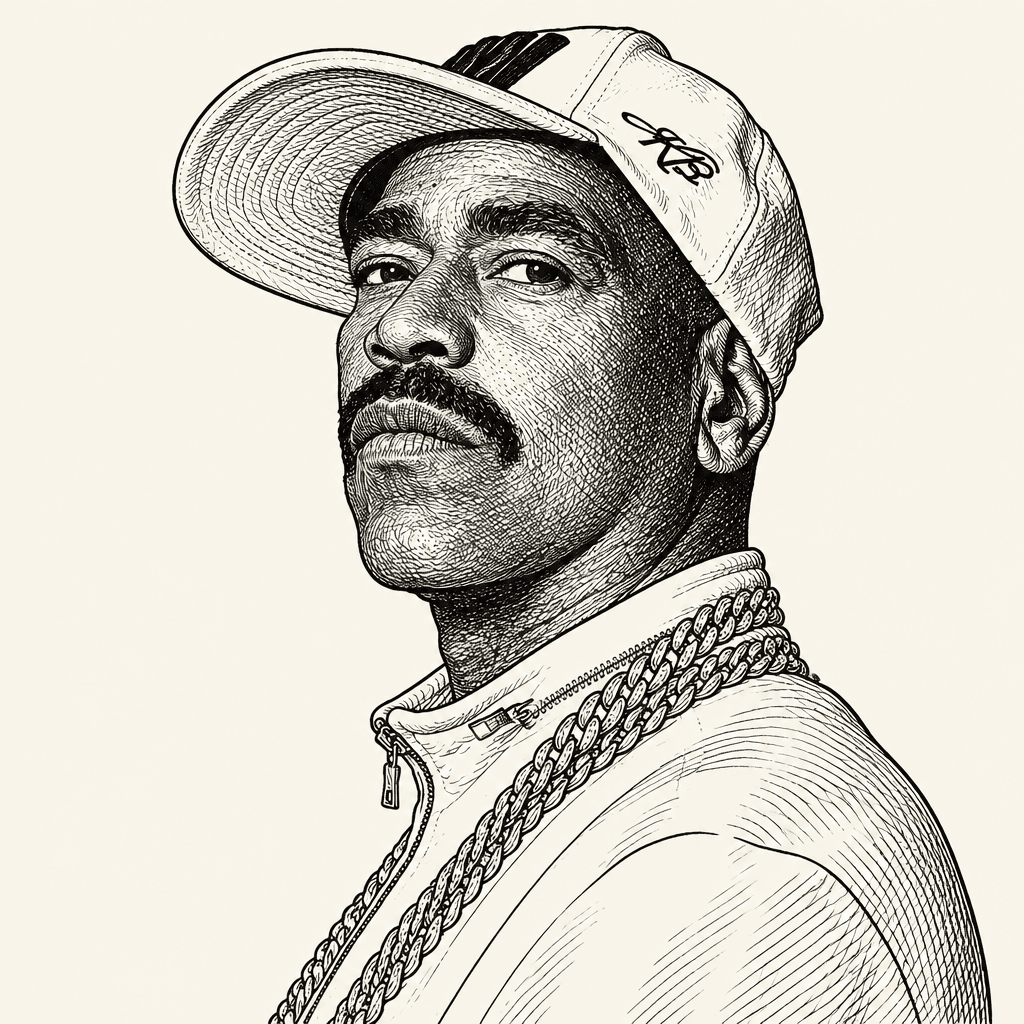
Kurtis Blow argues that hip-hop was built through local craft and mentorship, long before it became an industry. In a Paid in Full conversation with Nas, Rev Run and Roxanne Shanté, he recalls how disco, DJing and block parties shaped the music in a New York where, as he put it, “we had nothing”; Run describes learning to perform at his side. Nas traces that influence into his own work, explaining why he later recorded Blow’s “If I Ruled the World” with Lauryn Hill.
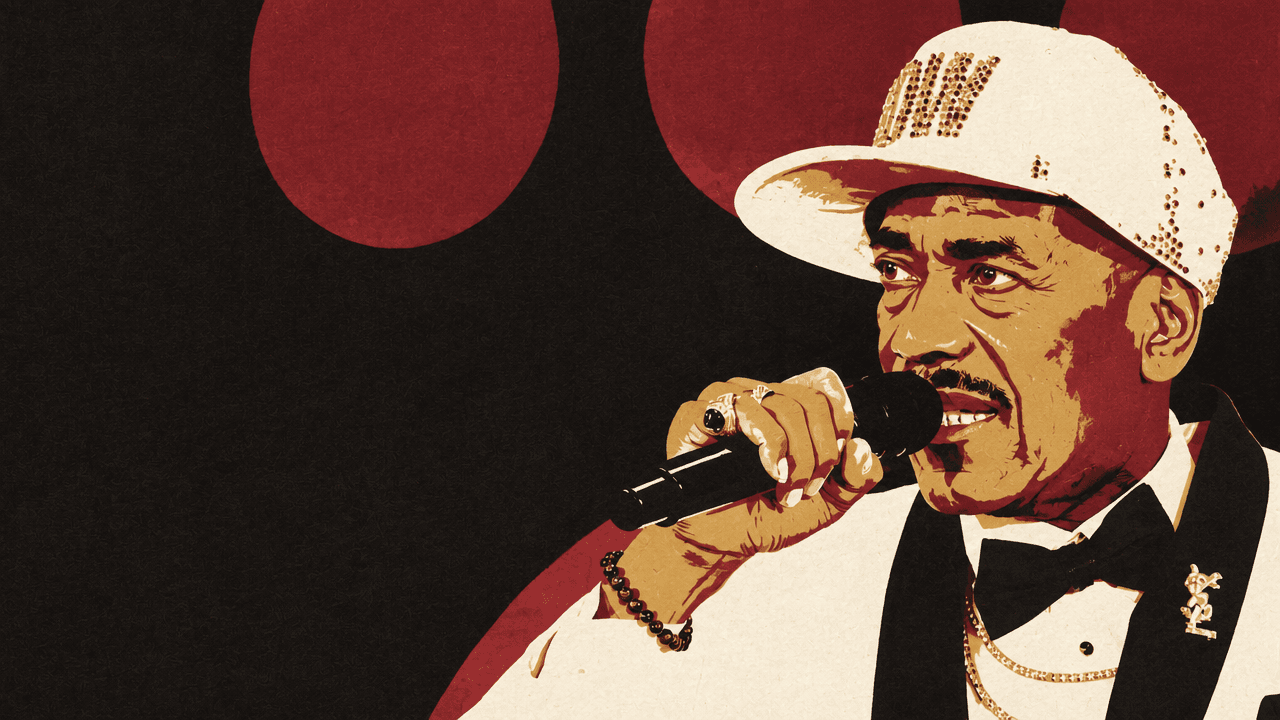
Blow’s influence traveled through the work, not just the records
When Kurtis Blow describes mentoring a teenage Joseph “Run” Simmons, the inheritance is practical: carrying records, learning to DJ, working a microphone, and building a show together. Run said he put up flyers for Rush Productions and helped however he could to get close to Blow and his circle. Blow remembered staying at Run’s family home on weekends, traveling with two crates of records, and cooking breakfast there. Run said Blow took him under his wing.
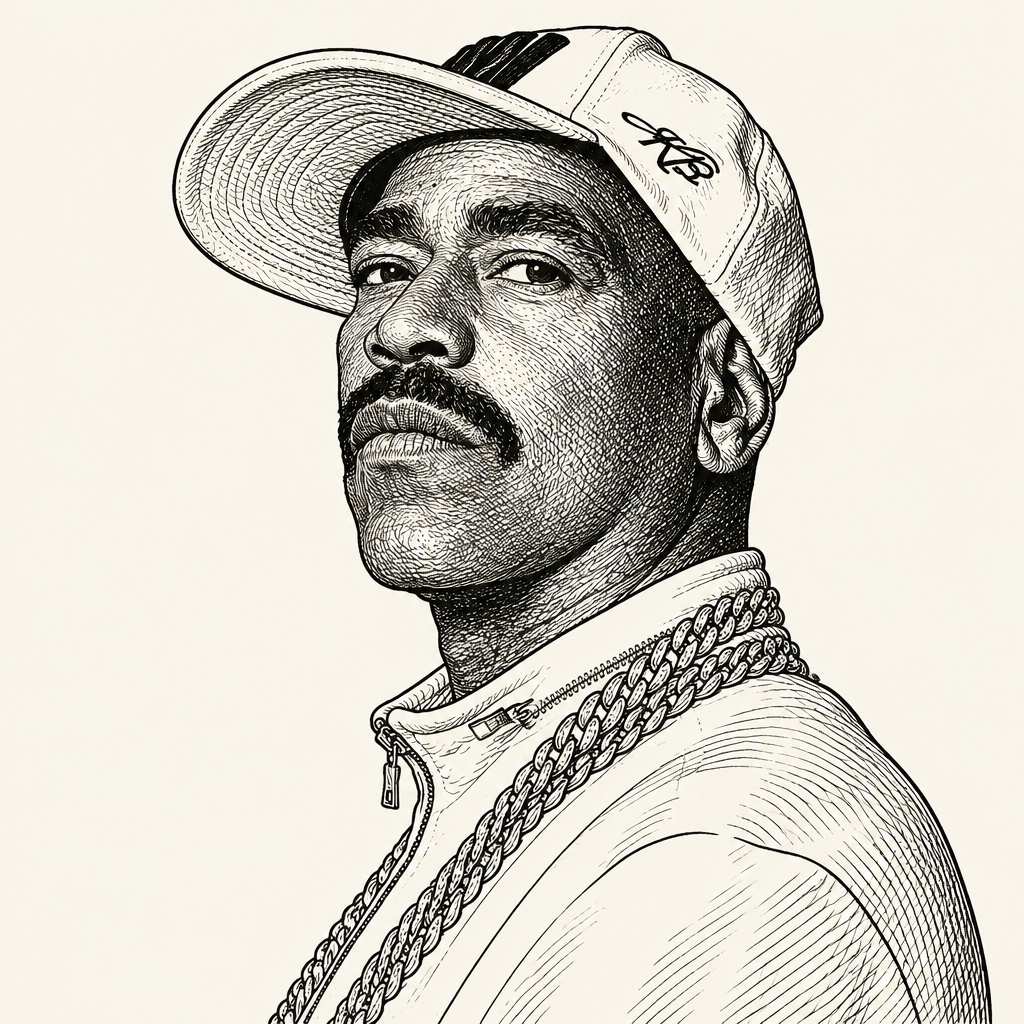
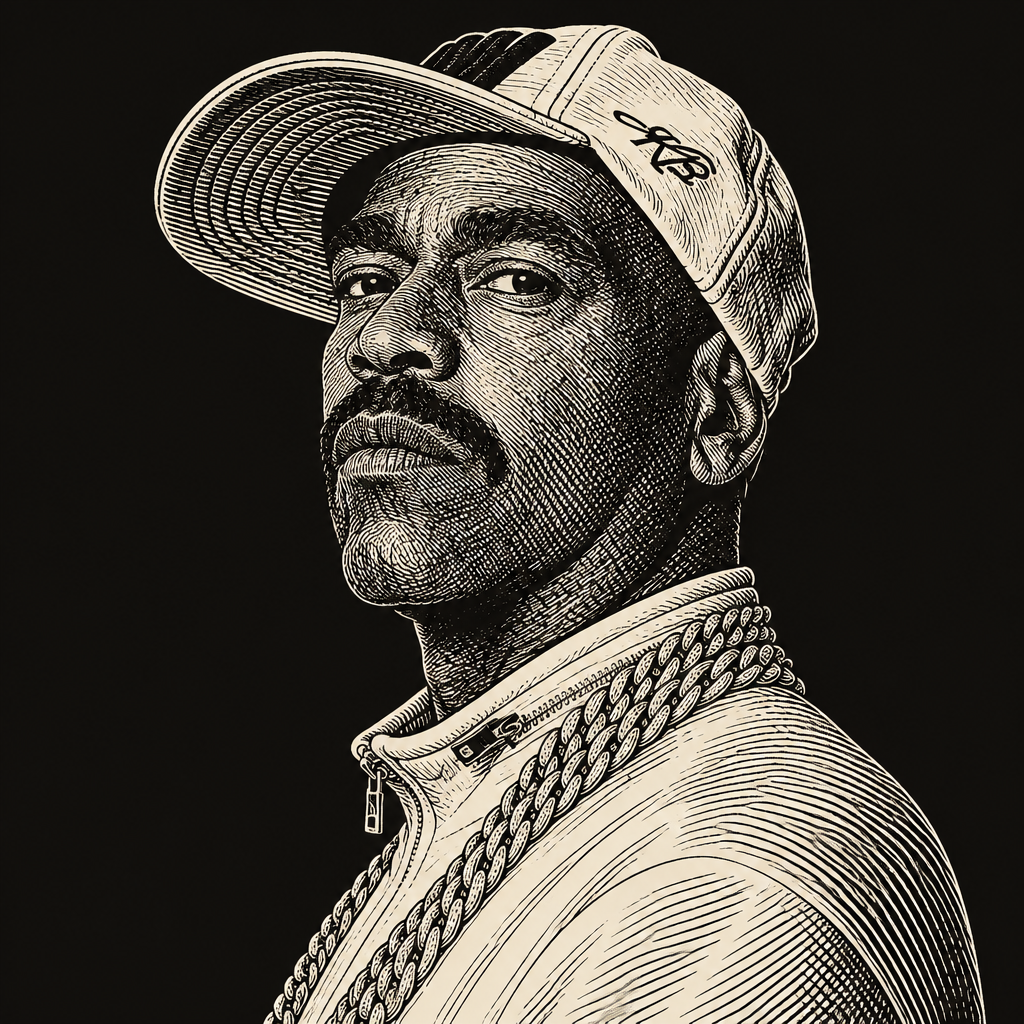
Their performances made that apprenticeship visible. Blow recalled Run starting a show alone as a DJ, then taking the microphone when Blow joined him at the turntables. After a few numbers, Run returned to the records, cut up the introduction, and brought Blow back onstage. Run said he began calling Blow’s name by scratching a record and saying “Kurtis Blow.” Later, when he became Run, he taught Jay to call him out in the same way.
The work extended beyond a stage routine. Blow paid Run $35 a show, Run recalled, and he used the money to buy Quantas turntables because he could not afford Technics. He practiced until he was fast enough to “catch air,” as he put it. A broken wrist kept him from going on tour with Blow; Run remembered being heartbroken because he was Blow’s DJ. He was about 14 or 15.
Blow described the relationship in familial terms: “This guy right here, he was my heart. Still is.” Run called himself Blow’s son and said he had been lucky to have him. Their account also included friction: Run said he had been a bad son for a while, and Blow called himself a bad father. They toured and made Krush Groove together. Run remembered being competitive with Blow, whom he called a father figure, and said he was glad to give him his flowers at the tribute.
This guy right here, he was my heart. Still is.
A chart shown during the discussion places Run-DMC and Kurtis Blow in the first and second positions of a weekly rap ranking. Both are listed with the label Krush Groove. The displayed chart is headed “Newsrock Week’s Top 20 Rap Groups”; no further information about how the ranking was compiled appears on screen.
| This week | Last week | Artist | Label |
|---|---|---|---|
| 1 | 8 | Run-DMC | Krush Groove |
| 2 | 10 | Kurtis Blow | Krush Groove |
The culture Blow helped build began as local craft
To explain that inheritance, Blow goes back to a New York where hip-hop was not yet called hip-hop. People called it “rocking,” “breaking,” “burning,” and “party,” he said. He remembered the 1970s as a period marked by the aftermath of the civil rights movement, assassinations, political debate, and protest. In his account, the Bronx was also shaped by abandoned buildings and fires. He said some landlords set buildings alight to collect insurance money, and young people gathered in abandoned spaces where they encountered early graffiti.
Blow recalled a community organizer’s description of the contrast: buildings burning on one side of the street while children on the other tried to put something together. His own summary was blunt: “We had nothing. We built the music and the culture from the ground up with nothing.” For him, music offered escape within those conditions. He remembered putting his head near a club speaker, feeling the bass down to his toes, and closing his eyes.
That music-making drew on disco. Blow called hip-hop “a mutation of disco,” then sharpened the description to “ghetto disco.” He remembered people working all week, dressing up, and going downtown to dance beneath strobe lights and a disco ball. Growing up in Harlem, he said, he could not afford to get into those clubs. At 16, in 1975, he got a fake ID on 42nd Street and used it to visit clubs around New York, including Leviticus, Nemo’s, Nell Gwyn’s, and the Garage. He was studying to become a DJ and wanted to hear different styles.
Blow’s account of learning to perform is similarly grounded in particular rooms and influences. He said he began MCing in 1974 at the Wam, a club in an old police station on 152nd Street and Amsterdam Avenue. He was imitating his radio hero, Hank Spann. At Club 371 in the Bronx, he saw DJ Hollywood perform to a line around the block and was struck by what Hollywood did with the microphone. Blow was already an MC, but the performance expanded his sense of what the microphone could do.
He brought that crowd work to a house party on his Harlem block, where Russell Simmons came to hear him. Blow said about 150 people were there and that he had arranged the scene with his crew. Over “Good Times,” he worked the audience with calls including “throw your hands in the air and wave them like you just don’t care.” Blow and Simmons had met in college in 1977. Blow recalled that there were at least 50 MCs competing in New York around 1978 and 1979, and that he proposed building a track record outside the most competitive part of the city before returning to seek a bigger opportunity. He and Simmons opened Night Fever Disco in Simmons’s neighborhood.
Run’s stage persona grew out of shared performances and borrowed cues
Run’s later performance style took shape among the people he worked with and the artists he admired. He said the line “This is my house” came from an Eddie Murphy joke about a father asserting control over his home. Jay encouraged him to use it onstage. Run said he later told Murphy where he had got the line; Murphy told him to get out.
Run also described the attitude behind the routine: he wanted to curse people out, and said he would throw microphone stands and act crazy. Blow recalled another recurring part of the act: Run and the group dropping microphones at the end of shows. A sound man asked Blow to make them stop because the microphones were breaking. Blow said he told the group to pay for them. Run said he did pay, but kept doing it.
The show’s call-and-response developed through the same shared work. Run said he first scratched records to call Blow’s name. When he became Run, the call shifted to his own name; he later told Jay to call him out. Blow remembered Run coming out to DJ before Blow joined him, and then the two switching between the turntables and the microphone. Their recollections describe a stage act built from cues, handoffs, and repeated performances, not just a collection of signature gestures.
Run also credited Blow with looking after him when he was young. Blow remembered protecting him, and Run said he had not understood how he came to be included in Blow’s circle. Their shared account includes both the guidance Run received and the parts of his persona he fashioned from elsewhere: he traced “This is my house” to Murphy, while the way he called Blow onto the stage became a model for how others called him.
Blow carried hip-hop onto bigger stages without losing its local voice
Nas asked how it felt to be a rap artist touring with major acts whose audiences had not necessarily encountered rap in that setting. Run recalled Blow performing with artists including Marvin Gaye and Bob Marley. He described a night at Madison Square Garden when a DJ became sick and Run was preparing the turntables so he could DJ for Blow while Bob Marley was playing. Nas called Blow a superstar; Blow described those experiences as “a dream story” and said it felt like a movie.
Blow also recalled meeting Michael Jackson and Prince. After “If I Ruled the World” and Krush Groove, he said, he asked his record company to arrange a photo shoot with Prince. They met at a club in Memphis. Blow remembered a crowd of about 3,000 women inside and another 2,000 outside who could not get in. Prince signed autographs and took pictures with many of them; Blow estimated that Prince did so about 2,000 times and he did it about 20.
Nas joked that the two men had the same curl. The exchange gives a glimpse of Blow’s celebrity at the time, while his account of touring points to the larger stages on which he performed. He did not describe those experiences as a break from the music’s beginnings; he called the run of events a dream.
Nas heard a different account of the Bronx—and carried a song forward
Nas described growing up with the artists he later met as heroes. As a child, he said, he looked at radios and speakers and wondered about the people behind the music. Onstage with Blow, Run, and Roxanne Shanté, he called them his heroes.
Nas connected Blow’s music to the way the Bronx was described. He brought up “AJ Scratch,” saying that while news accounts emphasized the Bronx burning, Blow’s song portrayed its people as “fresh.” Nas saw that as an uplifting account of people living through difficult conditions, not simply a description of the damage around them.
He also explained why he revisited Blow’s “If I Ruled the World” with Lauryn Hill. Nas remembered seeing Blow perform the song in Krush Groove and described its premise as an audacious act: a Black artist on a silver screen imagining himself ruling the world. He told Blow, “You did rule the world,” and asked what he thought of the later version.
The on-screen titles identify Blow’s If I Ruled the World as a 1985 release and Nas’s It Was Written as a 1996 release. Blow recalled receiving Nas and Hill’s recording on cassette and listening to it repeatedly in his car, rewinding to catch Nas’s words and reacting to Hill’s voice. He said he called Sony after hearing it and predicted that, with normal promotion, it would go double platinum. Blow said it did, and thanked Nas. His response describes how closely he listened to the recording: he returned to the tape again and again, trying to hear what Nas said and recognizing Hill’s voice.
Recognition rests on contribution, not industry standing
Roxanne Shanté framed the Paid in Full Foundation’s recognition of Blow as a matter of contribution rather than personal feelings about the music industry. She said it was about an artist’s accomplishments, passion, love, and work for hip-hop. Blow had been there from the beginning and had helped make the culture what it is, she said. She told him he deserved to be paid in full.
Her remarks named the basis for the honor in the terms she used: Blow’s passion, accomplishments, and contribution to hip-hop. Run recalled learning and performing alongside him; Nas described carrying one of Blow’s songs forward with Lauryn Hill. Shanté’s tribute recognized Blow as one of the people who helped make the culture what it is.